Ways to Use Old Tea Bags – Make Tea Bags Useful
A reader from Nampa, Idaho writes:
“I have loads of old tea bags. Are there any ways I can use them or should I just throw them away?”
Old tea bags are more useful than many people think. Whether you want to reuse tea bags for crafts, household chores, gardening, or simple home remedies, there are several practical and sustainable ways to make the most of them. Below are effective, easy-to-follow ideas for reusing tea bags instead of tossing them in the trash.
- Tea dyeing for fabrics and crafts — Used tea bags make a gentle, natural dye perfect for creating a vintage, muted look on linens, curtains, or fabric craft projects. Steep several used tea bags in hot water to strengthen the color, then soak the fabric until you reach the shade you want. This technique works well for achieving a soft, aged appearance on tablecloths, napkins, or pillow covers.
- Soothing eye compresses — Keep moistened tea bags in a sealed plastic bag in the refrigerator or freezer for quick relief when your eyes feel tired or puffy. Place a cooled tea bag over each closed eye for several minutes to help soothe irritation and reduce puffiness. Make sure the bags are clean and cool before use, and discard any that smell off or show signs of mold.
- Add flavor to rice and soups — If you use herbal or flavorful tea bags, slip a used bag into the pot while cooking rice, soups, or stews to impart a subtle aroma and taste. Remove the bag before serving. This is an easy way to reuse tea bags in the kitchen without waste while adding a gentle, natural flavor.
- Relieve minor skin irritation — Gently cooled, moistened tea bags can be applied to sunburns, insect bites, or minor skin redness for temporary soothing comfort. Use caution and avoid broken skin; stop use if irritation increases and seek medical advice for severe burns or allergic reactions.
- Compost and potting soil amendment — The tea leaves from used bags can be added to compost or mixed into potting soil as an organic source of nutrients. Remove any staples or non-biodegradable packaging before composting. Tea leaves help improve soil structure and can contribute to a healthier garden when composted properly.
- Natural deodorizer — Dry or slightly damp used tea bags can absorb unwanted odors. Place them in shoes, gym bags, closets, drawers, or in a small bowl to freshen up enclosed spaces. This is a simple, chemical-free way to reduce odors using materials you would otherwise discard.
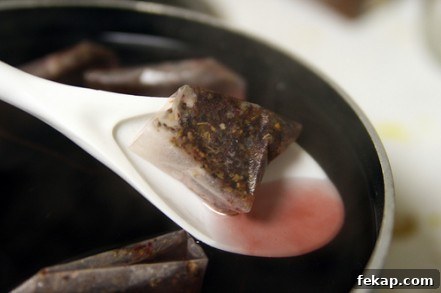
- Soak burnt-on pans — If baking soda and scrubbing aren’t enough to remove stubborn burnt residue, try placing a few used tea bags in the pan with hot water and let them soak for a while. The tannins in the tea can help loosen residue, making it easier to clean. Be sure to rinse thoroughly afterward.
- Mop and degrease floors — Used tea bags have mild degreasing properties and can be added to a bucket of warm water for mopping. This old-fashioned trick can help lift light grease from kitchen floors. Change the water as needed and test on a small area first to ensure compatibility with your flooring.
- Household polishing and deodorizing — A warm, moist tea bag can be wrung out and used to gently polish wooden furniture or leather items. The natural tannins can add a subtle shine and help conceal minor blemishes. Again, test in an inconspicuous spot first to avoid unexpected results.
If you decide to reuse tea bags, follow basic safety and hygiene practices: store used bags in a clean container, avoid using bags that show signs of mold or spoilage, and discard bags that have been stored too long. For skincare uses, always ensure the bag is cool and clean before applying it to skin.
Reusing tea bags is an easy way to reduce waste and discover practical household benefits. From simple crafts and gentle home remedies to gardening and cleaning, old tea bags offer many eco-friendly uses that extend their life beyond the cup.
— Jill