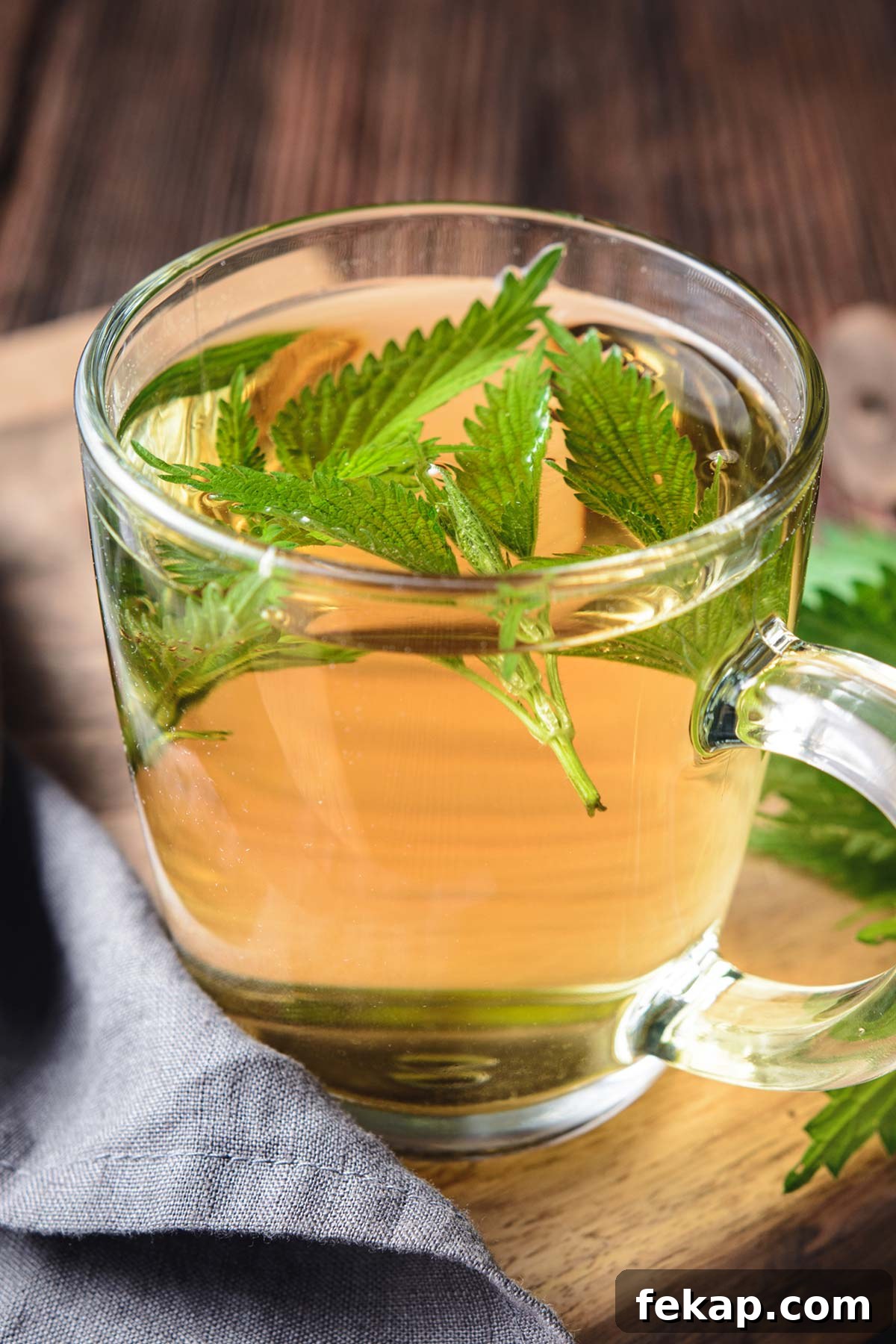
Nettle tea, made from the leaves of the stinging nettle plant, is a traditional herbal infusion valued for its range of potential health benefits. Rich in antioxidants, anti-inflammatory compounds, and heart-supporting nutrients, this caffeine-free tisane offers a gentle, earthy flavor similar to green tea and can be enjoyed any time of day.
What Is Nettle Tea?
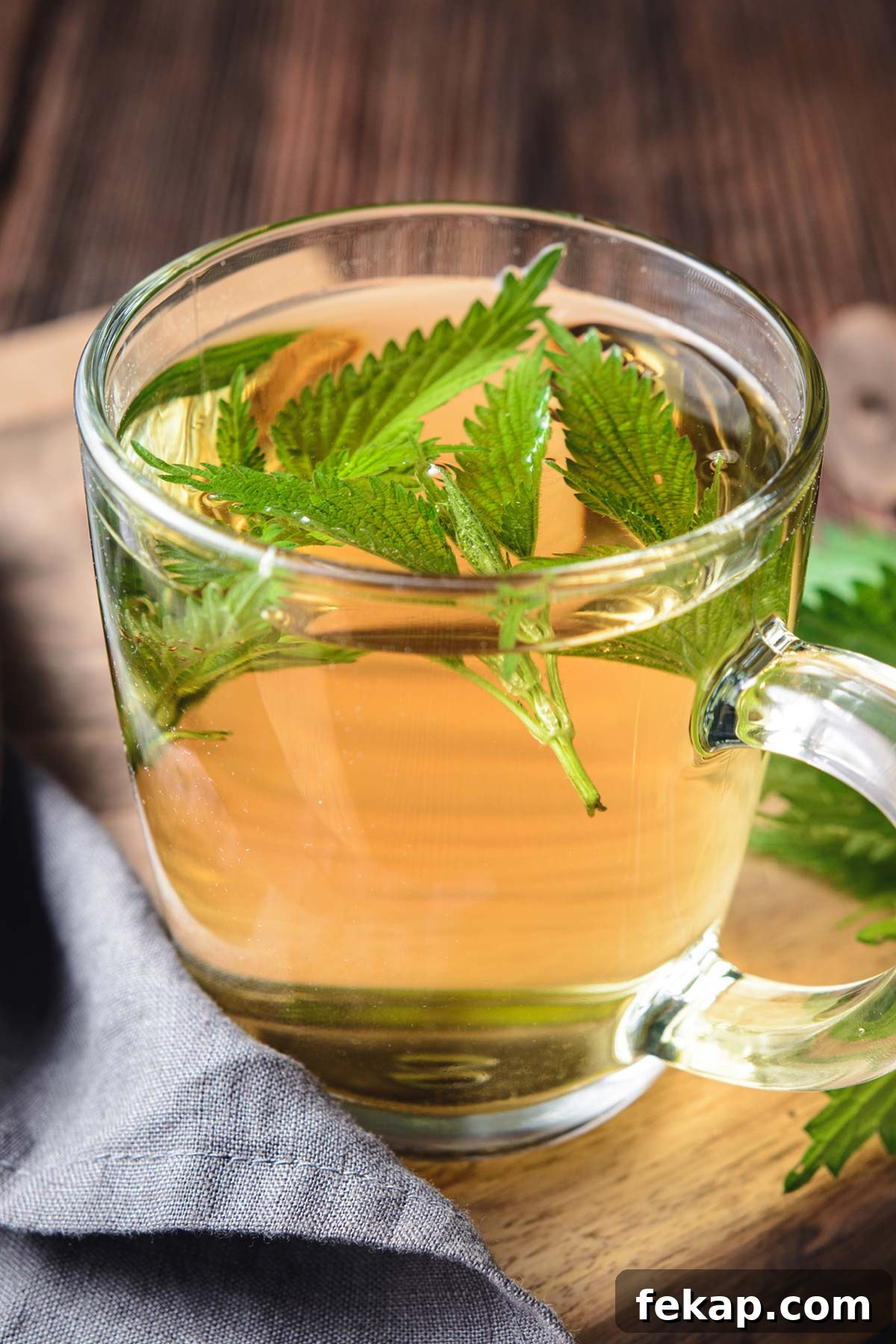
Stinging nettle (commonly just called nettle) grows across many regions, including North America, Europe, Asia and parts of North Africa. The fresh leaves have tiny stinging hairs that can irritate the skin, which is why commercially prepared or dried leaves are recommended for making tea. When steeped in hot water, the dried leaves yield a smooth, slightly green-tasting infusion that contains no caffeine.
Properly processed nettle leaves release a mix of vitamins, minerals and antioxidant compounds into the brew, which is why nettle tea has been used in traditional herbal practice and is increasingly popular among people seeking natural wellness options.
7 Nettle Tea Health Benefits
1. Supports Hydration
Nettle tea contributes to daily fluid intake and can make staying hydrated easier for people who prefer a flavored drink to plain water. Adequate hydration supports many bodily functions, including nutrient transport, temperature regulation and waste removal through urine and sweat.
2. Naturally Caffeine-Free
Because nettle leaves contain no caffeine, nettle tea is a soothing option for evenings or for anyone avoiding stimulants. It provides a warm beverage experience without the energizing effects associated with caffeinated teas and coffees.
3. May Reduce Oxidative Stress
Nettle tea is a source of antioxidants such as polyphenols, vitamin C and carotenoids. Antioxidants help protect cells from oxidative damage, a process linked to aging and chronic conditions like heart disease and diabetes. Drinking antioxidant-rich herbal teas, including nettle, can be part of a balanced approach to reducing oxidative stress.
4. Helps Manage Inflammation
Chronic inflammation contributes to pain, swelling and long-term conditions such as arthritis and certain digestive disorders. Nettle contains compounds that have been shown to modulate inflammatory responses, which may help reduce inflammatory markers and ease related symptoms when used as part of an overall anti-inflammatory lifestyle.
5. Supports Heart Health
Nettle tea may support cardiovascular health through several mechanisms. The plant provides minerals such as potassium, which helps the body excrete excess sodium and can contribute to healthy blood pressure regulation. Antioxidants like quercetin and beneficial fatty acids found in nettle may also help maintain healthy cholesterol levels and promote smooth blood flow.
6. May Improve Blood Sugar Control
Some research indicates nettle extracts can influence blood sugar regulation by supporting insulin activity. By helping the body release or use insulin more effectively, nettle may play a supportive role for people concerned about blood sugar balance. As with any herbal approach to blood sugar, it should be used alongside medical care and not as a replacement for prescribed treatments.
7. Eases Seasonal Allergy Symptoms
Seasonal allergies arise when the immune system overreacts to pollen and other allergens, releasing histamine and producing symptoms like sneezing, itchy eyes and runny nose. Nettle has natural anti-inflammatory properties and can help reduce histamine-related responses, providing relief for some people with mild allergy symptoms.
Side Effects
For most people, nettle tea is well tolerated. Because the fresh plant can cause skin irritation, buying commercially prepared dried leaves or tea bags is safer than harvesting and drying nettle yourself. If you have known allergies, are pregnant, breastfeeding, or take prescription medications—especially blood pressure or blood sugar medications—consult a healthcare professional before adding nettle tea to your routine.
Related
- 15 Benefits of Drinking Ginger Tea
- 7 Benefits of Drinking Chrysanthemum Tea
- Jasmine Tea Health Benefits and How to Brew Properly
- 7 Benefits of Drinking Roobois Tea
- Rose Tea Benefits and How to Brew Properly
- Benefits of Drinking Hibiscus Tea