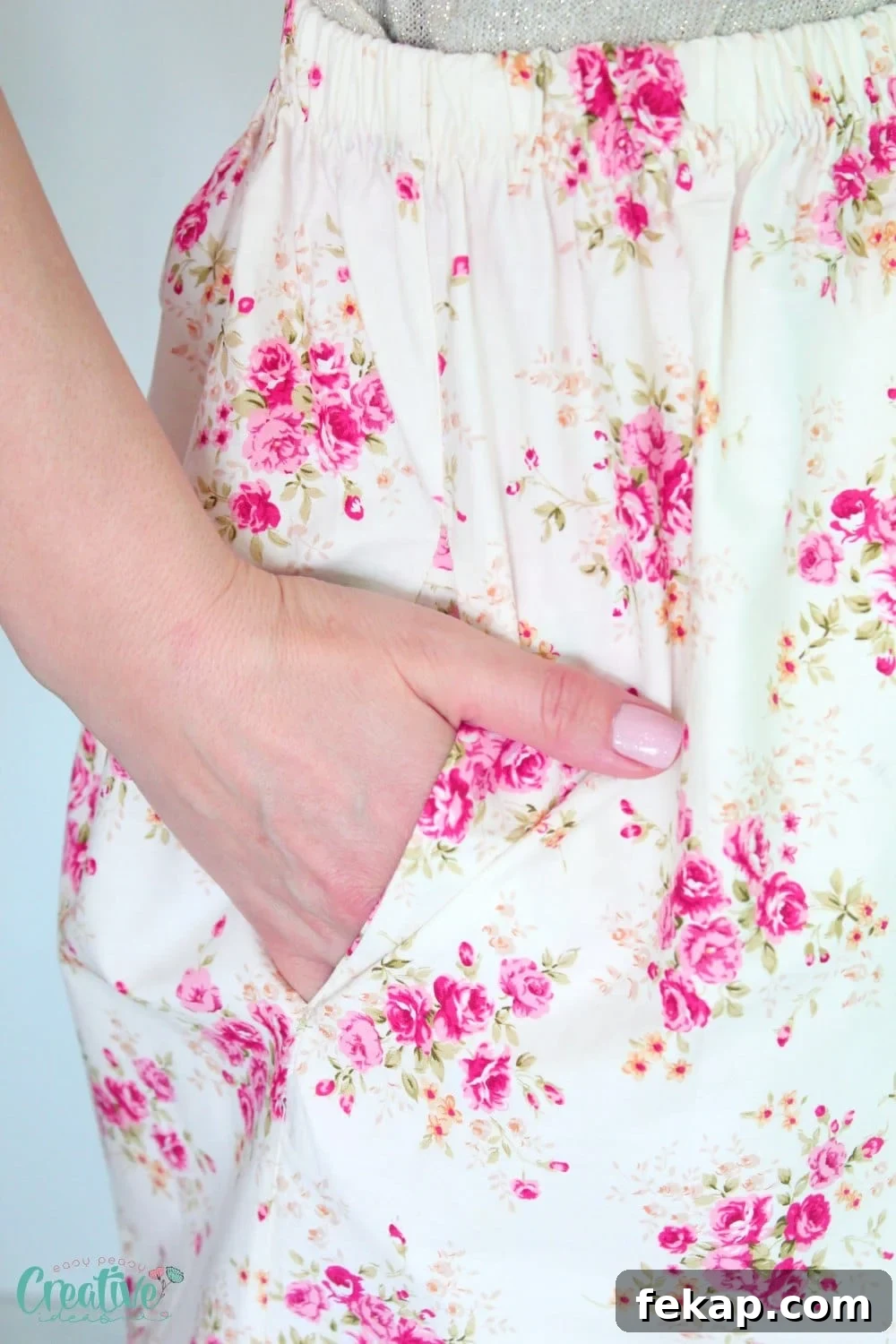
Adding pockets is one of the simplest ways to make skirts and dresses more practical without changing their style. In this beginner-friendly sewing tutorial, you will learn how to add inseam pockets to an unlined skirt or dress. Inseam pockets are hidden in the side seams, making them neat, comfortable, and perfect for everyday wear.
How to add pockets to a skirt
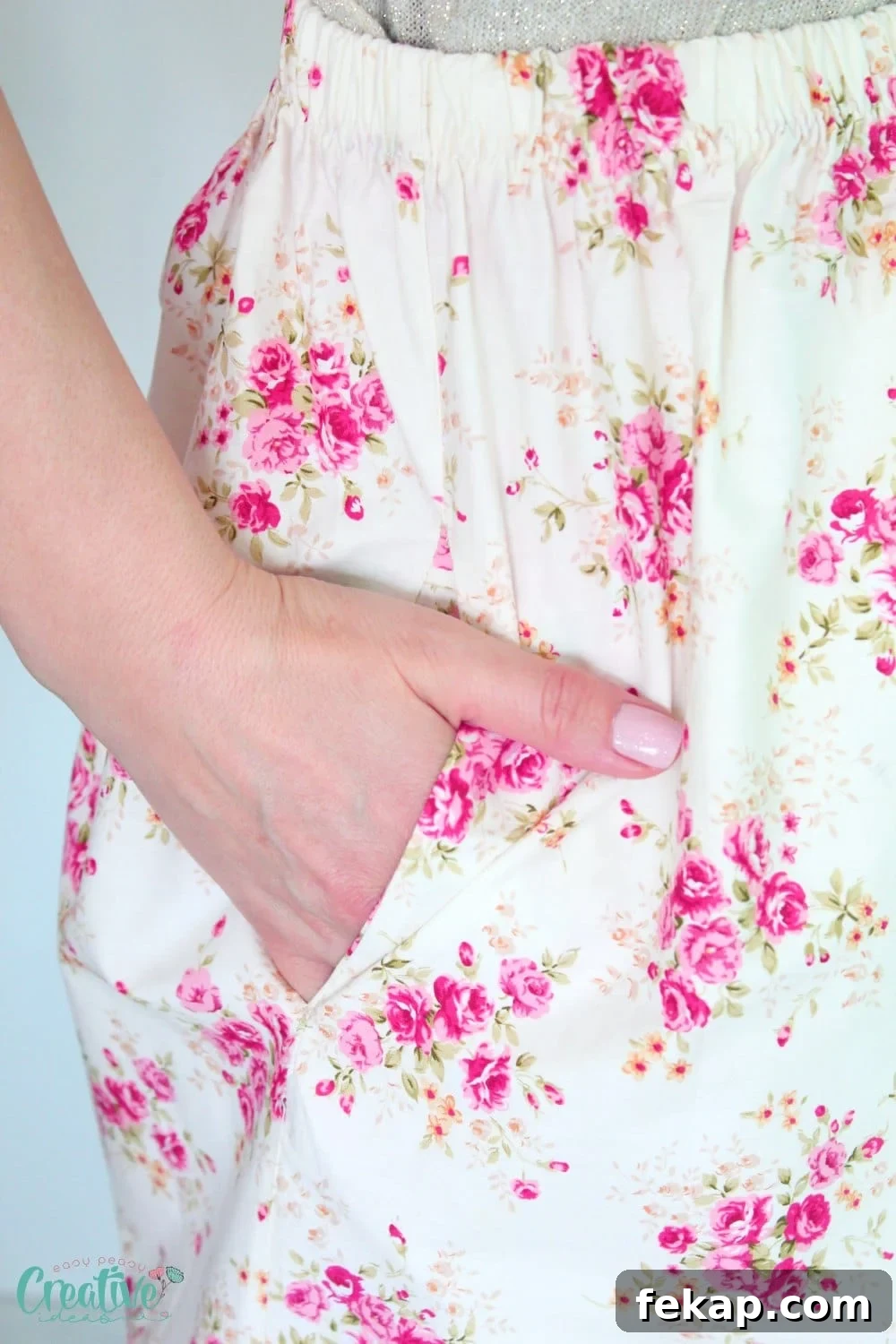
If you love wearing skirts and dresses but wish they had pockets, this easy sewing project is for you. Learning how to add pockets to a skirt gives you the freedom to customize clothes you already own and make them more useful. A simple pair of side seam pockets can hold small essentials such as keys, a tissue, lipstick, or anything else you want to keep close at hand.
This tutorial focuses on adding inseam pockets to a skirt or dress without a lining. These pockets are sewn directly into the side seams, so they remain mostly invisible from the outside. They are especially suitable for fuller skirts, gathered skirts, casual dresses, and loose-fitting garments where the extra fabric of the pocket will not create bulk.
Why add pockets to skirts?
Pockets make clothing more functional. Pants often come with pockets, but skirts and dresses are frequently made without them. That can be frustrating when you want to carry one small item and do not want to take a bag with you.
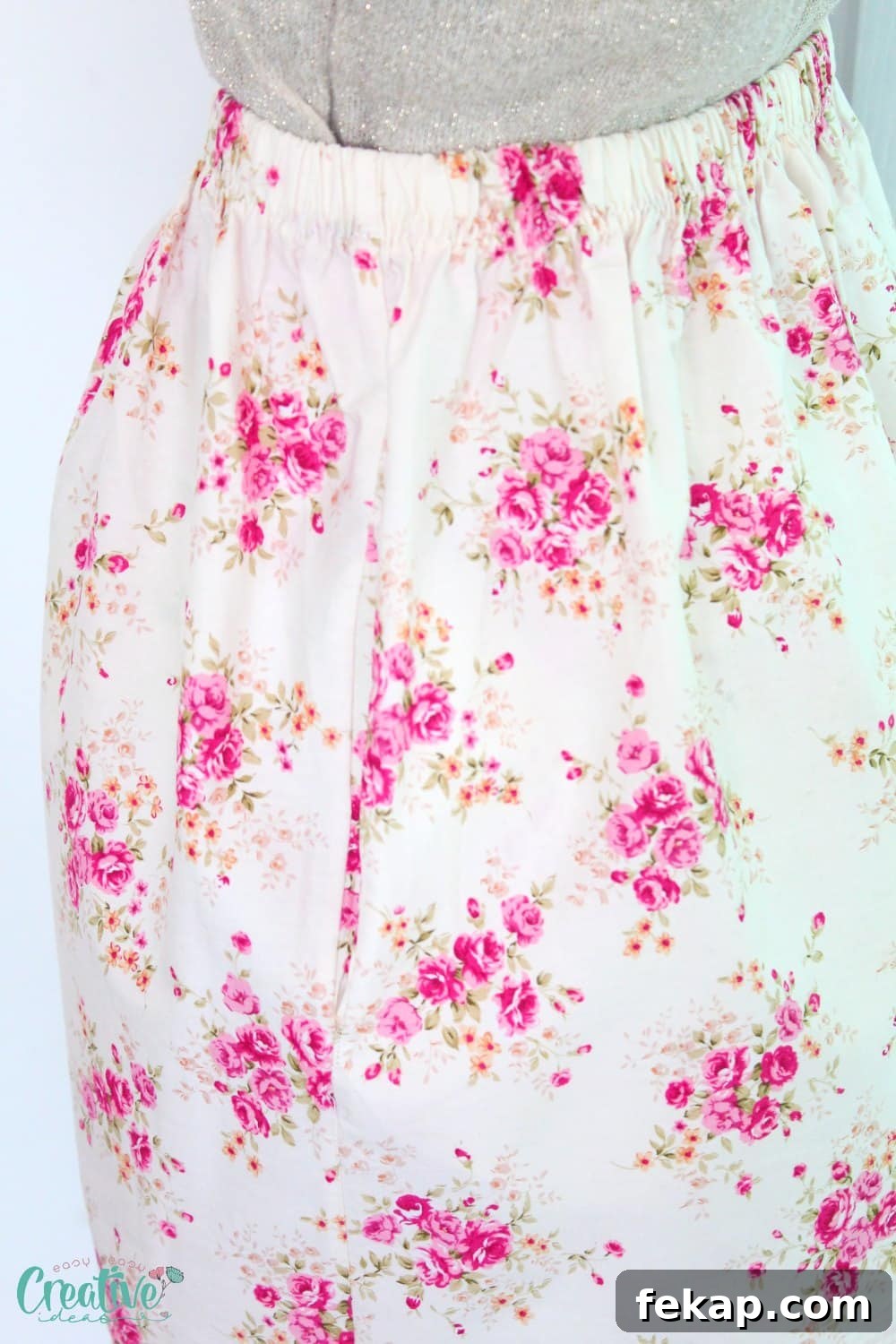
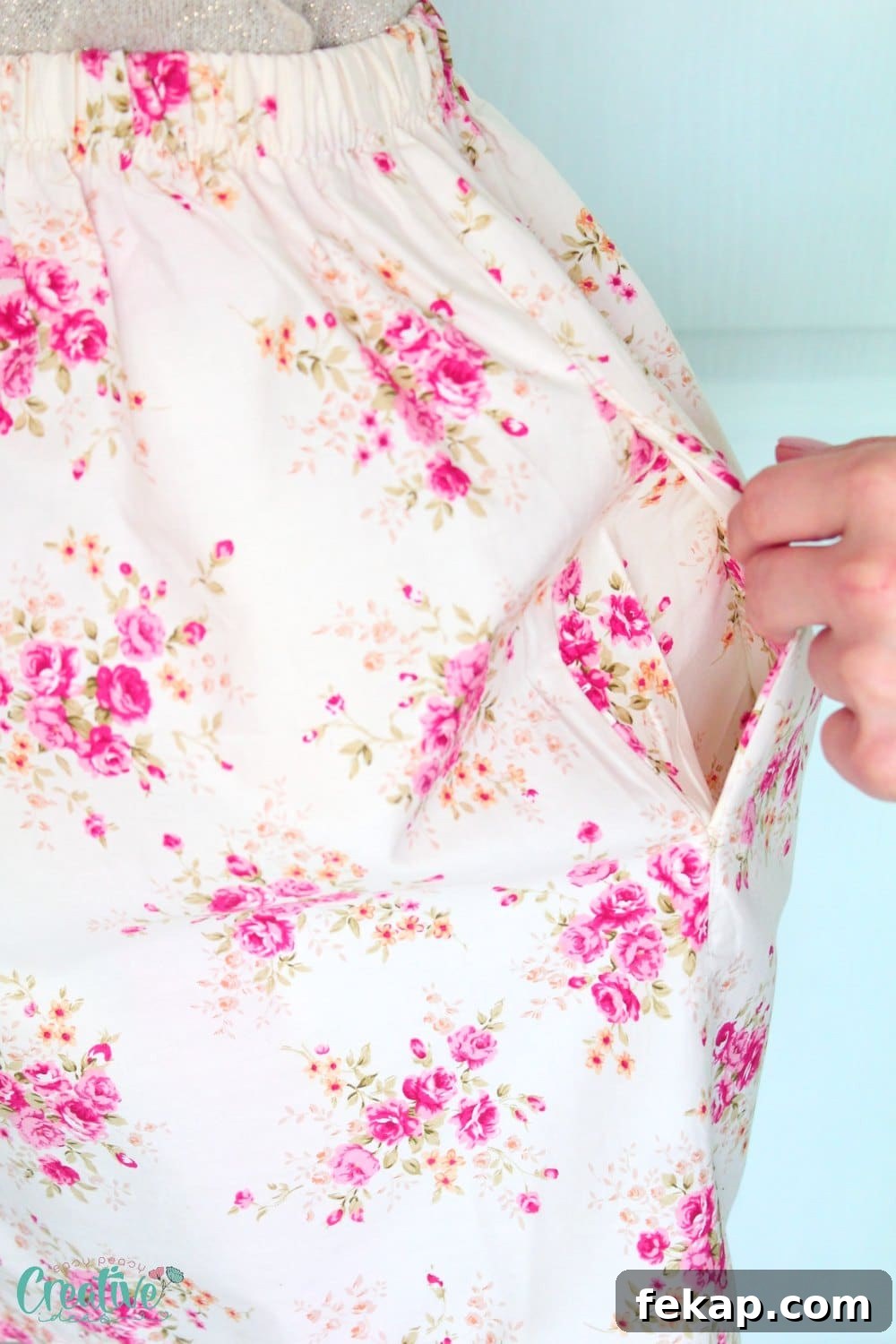
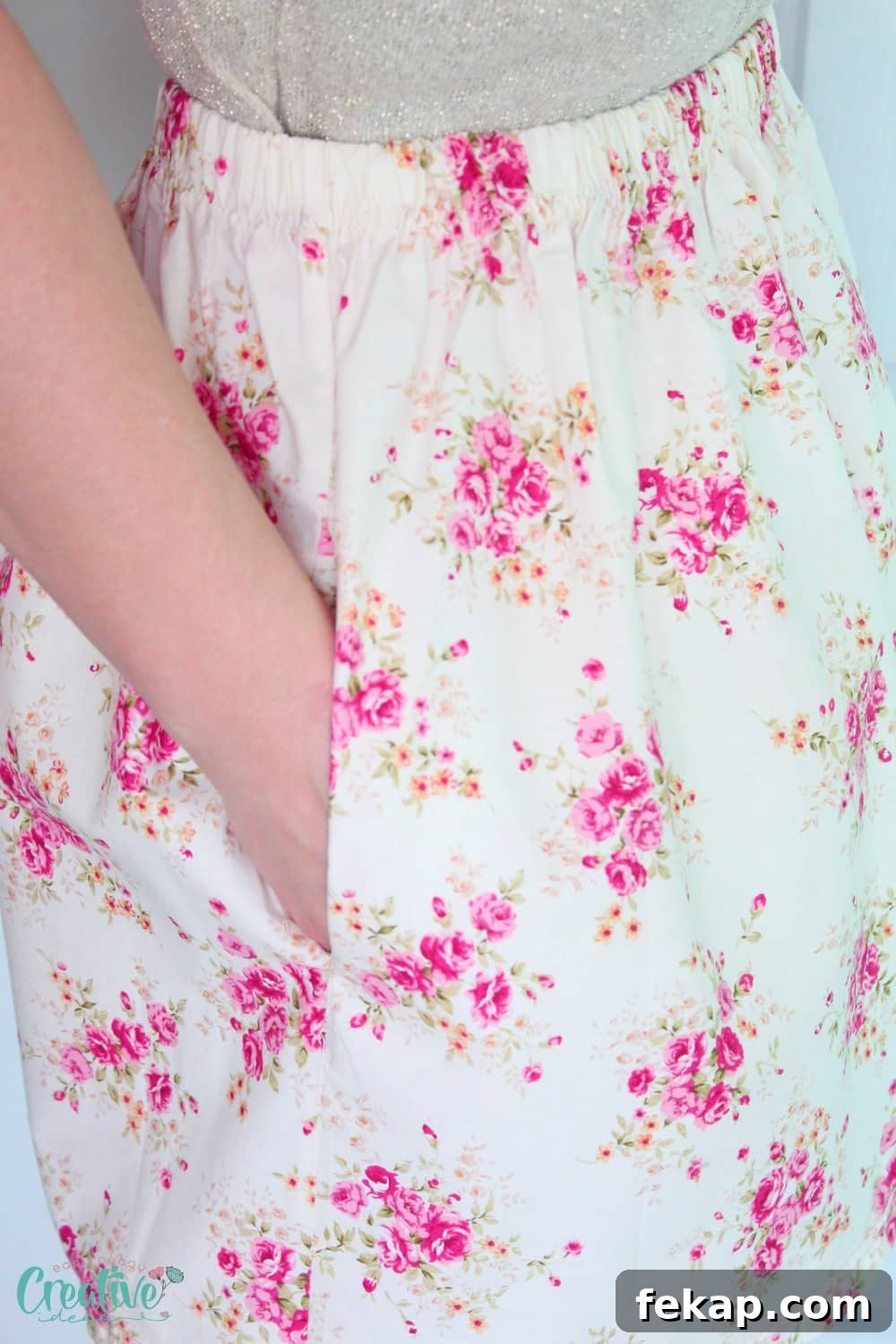
Side seam pockets are a great solution because they are practical, discreet, and easy to sew. They sit inside the garment and are hidden in the seam, so they do not interrupt the design of the skirt. If your skirt has enough ease or fullness, the pockets can be wide enough to be useful while still staying out of sight.
Adding pockets is also a smart way to update clothing you already own. A plain skirt can become more wearable, and a favorite dress can become more comfortable for everyday use. Once you learn the method, you can use the same technique again and again.
Is it hard to add a pocket to a skirt or dress?
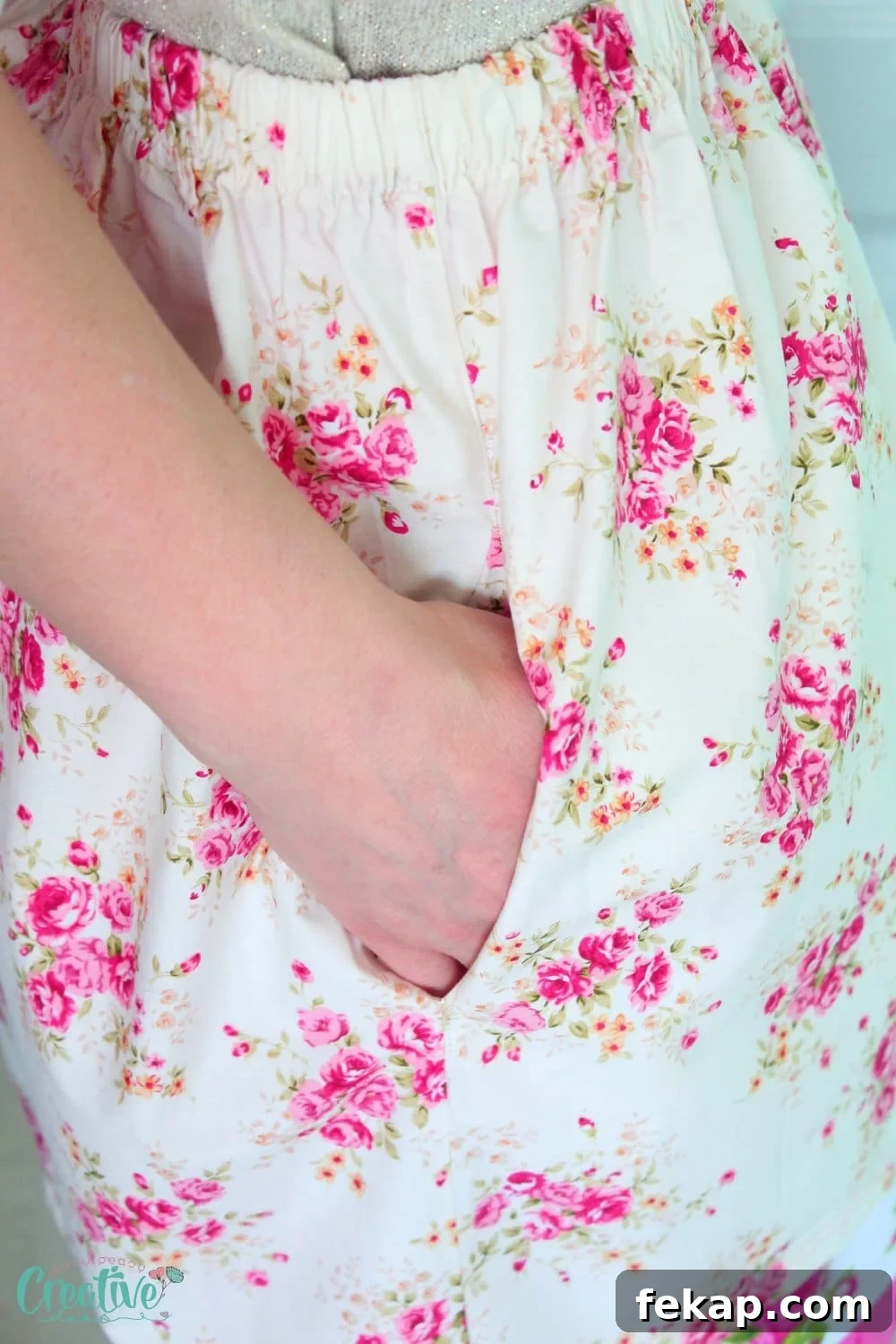
No, adding inseam pockets is not difficult. This is a beginner-friendly garment alteration that requires only basic sewing skills. If you can sew a straight seam, use a seam ripper, and press fabric neatly, you can complete this project.
The most important part is choosing the right placement. The pocket opening should sit where your hand naturally rests when you reach toward the side seam. If the opening is too low, the pocket will feel awkward. If it is too high, it may not be comfortable to use. Taking a few minutes to test the position before cutting or sewing makes the finished pocket much better.
What is the easiest way to add pockets to a skirt?
The easiest method is to open part of the side seam and sew a pocket bag into that opening. This works for skirts and dresses that do not have a lining. You can also use the same idea for some loose-fitting pants, but avoid adding pockets to very tight garments because the pocket contents may create visible bulk.
To find the best pocket placement, have the wearer try on the skirt and place their hands where pockets would feel natural. Mark the top and bottom of the pocket opening on the side seam. It is usually better to place the opening slightly higher rather than too low, as this makes the pocket easier to reach.
What kind of fabric should I use for inseam pockets?
You can use the same fabric as the skirt if you want the pockets to blend in as much as possible. A similar fabric in weight and color is also a good choice. Since the pocket bag is hidden inside the garment, it does not always need to match perfectly.
Fabric scraps work very well for this project. Lightweight cotton, old pillowcases, or suitable pieces from worn garments can be used, as long as the fabric is strong enough for regular use and not too bulky. Try to choose a fabric that feels comfortable against the body and will not add too much weight to the side seam.
Can I add other types of pockets?
Yes, you can also add patch pockets to the outside of a skirt or dress. Patch pockets are sewn on top of the garment and can be either decorative or functional. For visible pockets, the fabric should match, contrast nicely, or complement the design of the skirt.
For this tutorial, the focus is on inseam pockets. They are one of the cleanest options because they are hidden inside the side seams and keep the outside of the garment looking simple and polished.
What do I need to make and add pockets?
- tracing paper to create the pocket template
- pencil
- fabric scraps
- marker
- seam ripper
- pins
- sewing machine
- matching needle
- matching thread
- presser foot to match your fabric type
How to make and add pockets to a skirt
Create the template and cut the pockets
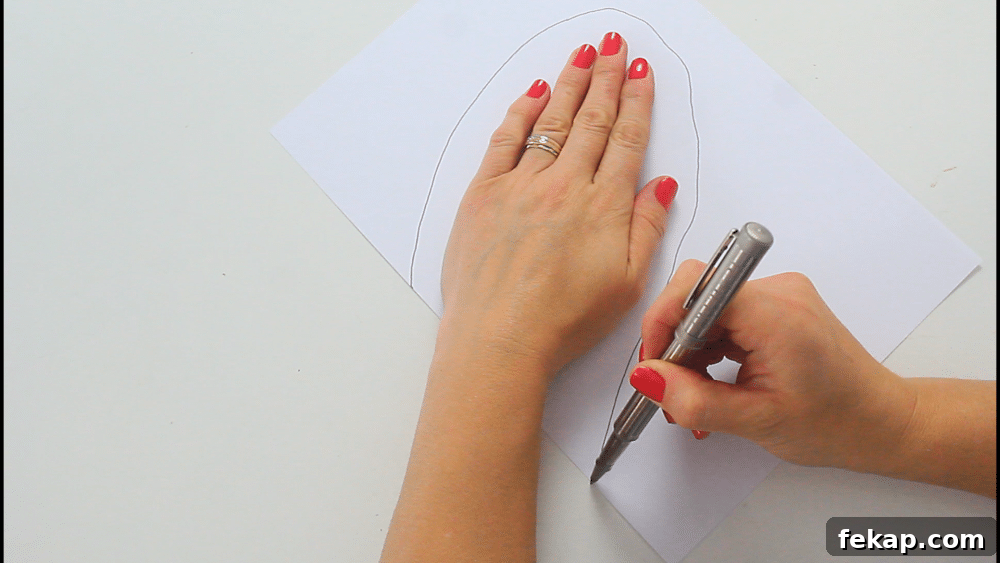
- Place your hand on the tracing paper at a natural angle, as if you were sliding it into a pocket. Trace around your hand, leaving plenty of extra room so the pocket will be comfortable to use. Remember to include seam allowance around the pocket shape and along the straight edge that will attach to the skirt seam. A 1/4 inch seam allowance is commonly used for this project.
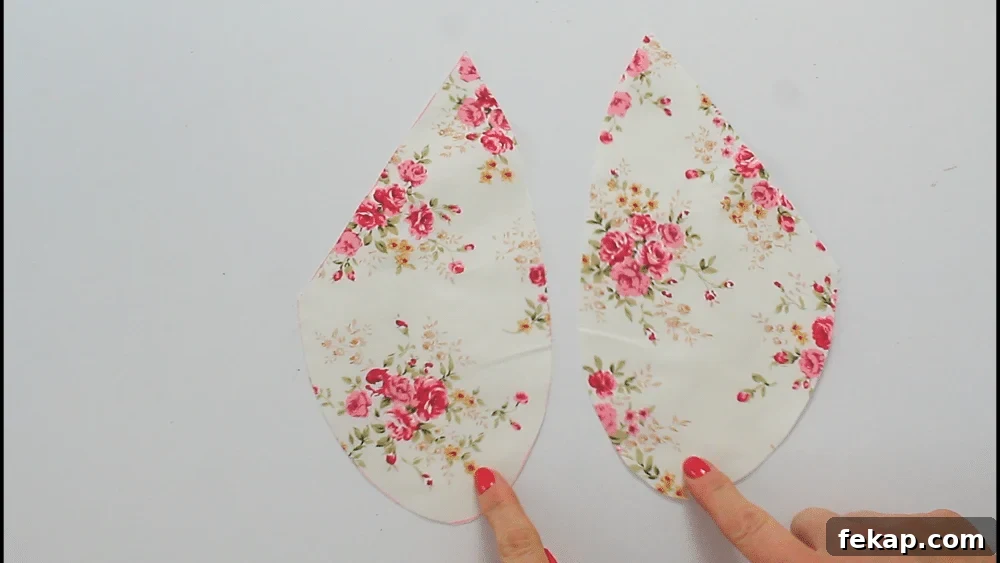
- Cut out the paper pocket pattern. Place it on your pocket fabric and trace around it. Cut two mirrored pocket pieces for each pocket. If you are adding pockets to both sides of the skirt, you will need four pocket pieces in total.
Sew pocket pieces to the seam of the skirt
- Measure the side seam of the skirt and decide where the pocket opening should be. Mark the top and bottom of the opening. Check the placement before sewing to make sure the pocket will be comfortable to reach.
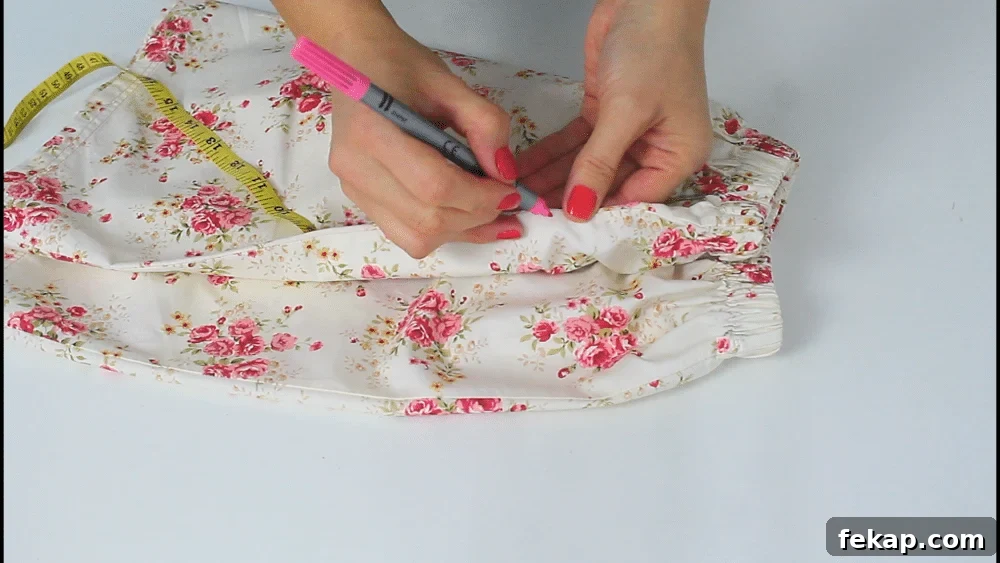
- Use a seam ripper to open the side seam between the marks. Open a little extra at the top and bottom so you have enough room to sew the pocket securely into the seam. Once the seam is opened, press it flat to make the next steps easier.
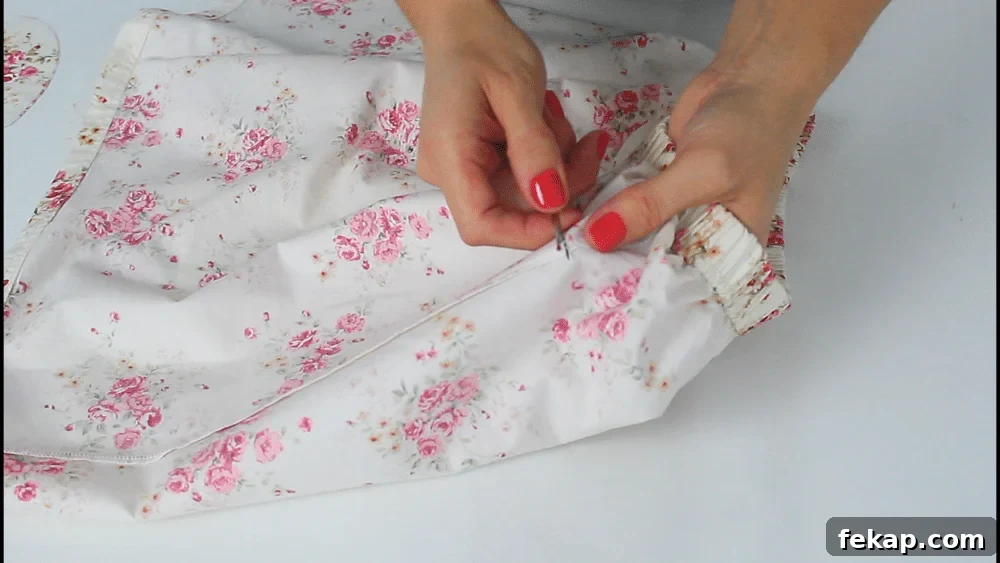
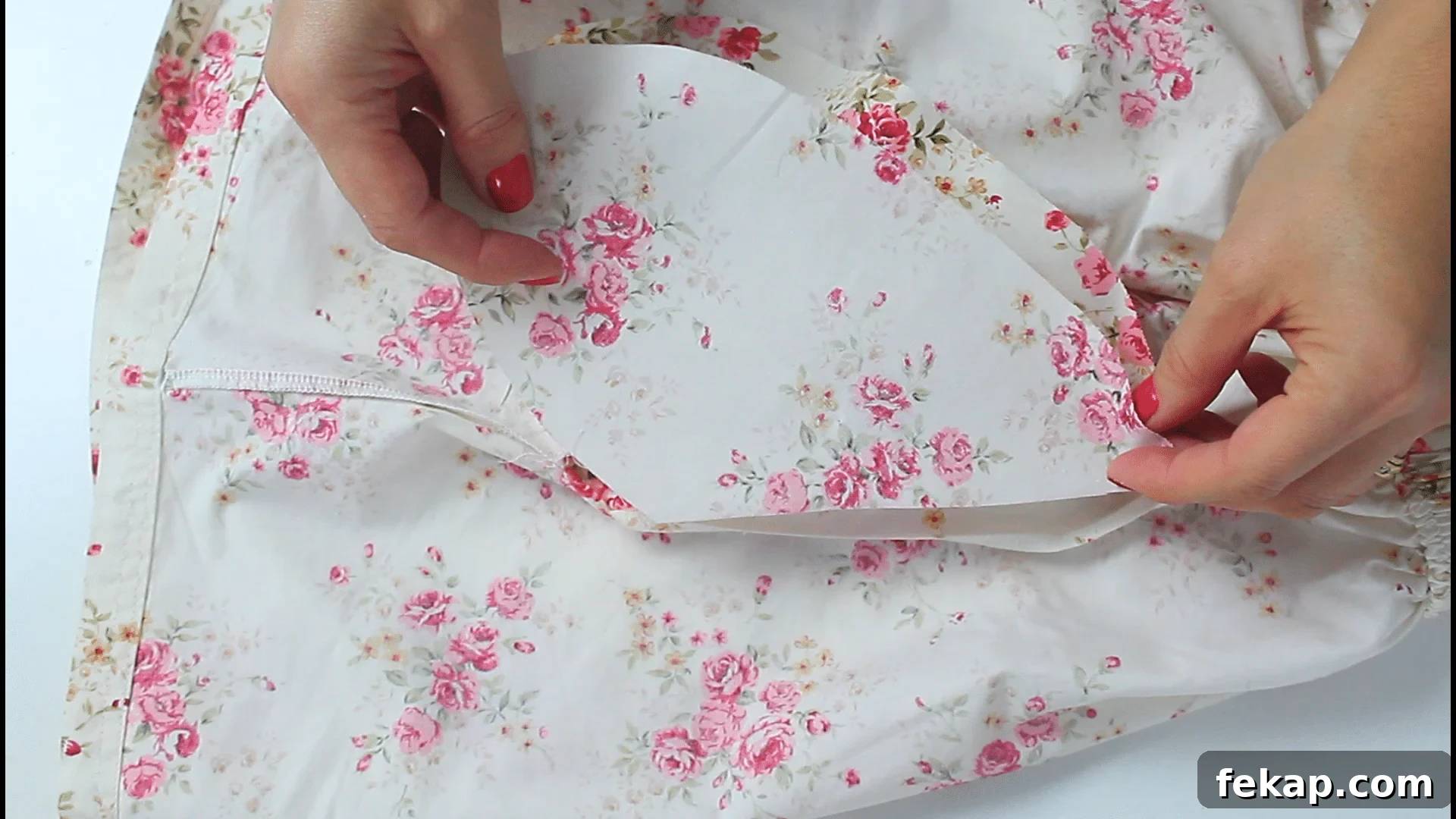
- Work with one pocket piece at a time. You can work from the wrong side or the right side of the skirt, whichever feels easier. Place one pocket piece along one side of the opened seam, with the right side of the pocket fabric facing the right side of the skirt fabric. The curved part of the pocket should point downward.
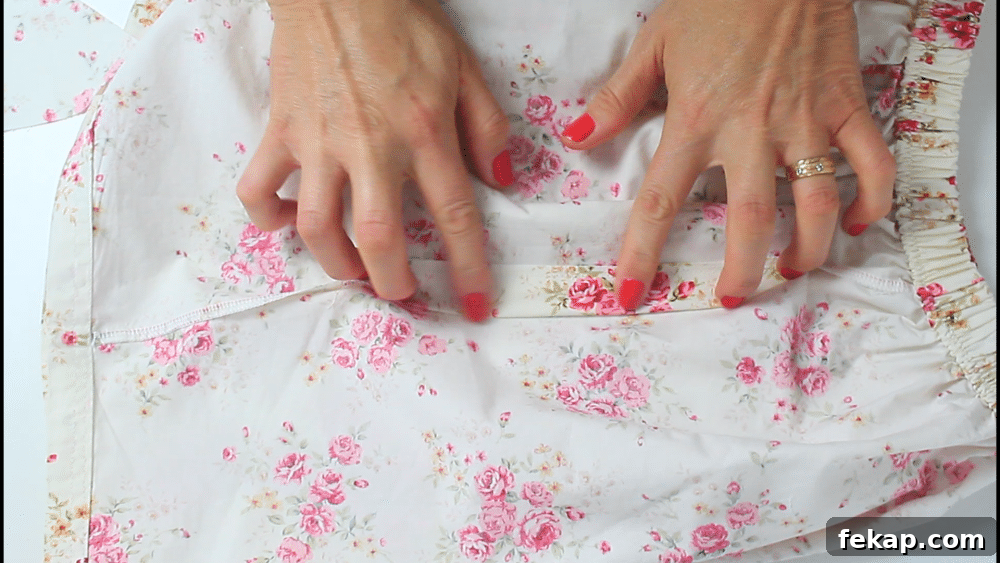
- Pin the pocket piece in place along the seam edge.
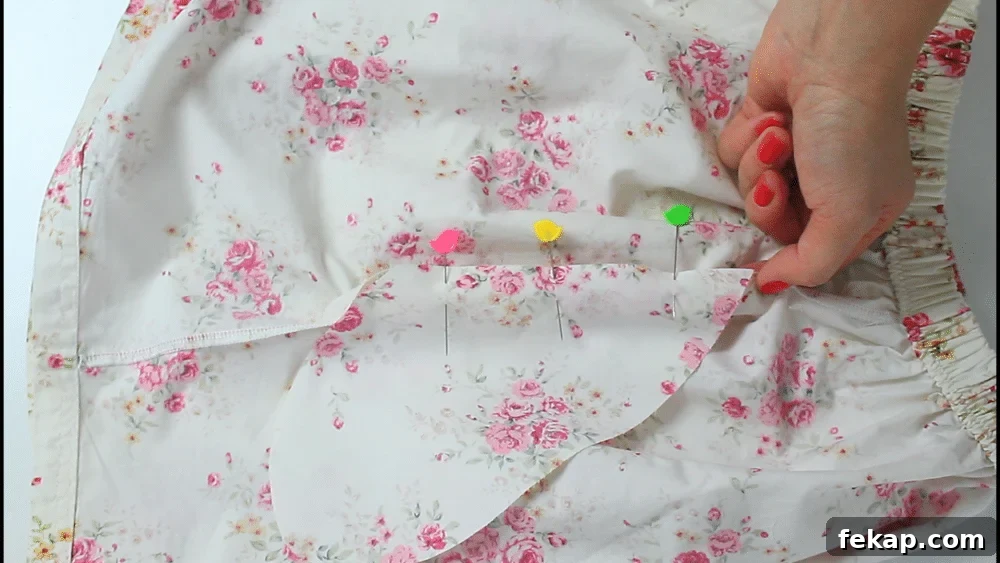
- Stitch the pocket piece to the skirt using a 1/4 inch seam allowance. Press the new seam open or press the pocket away from the skirt. If desired, topstitch close to the pocket opening on the right side of the garment to help the pocket sit neatly.
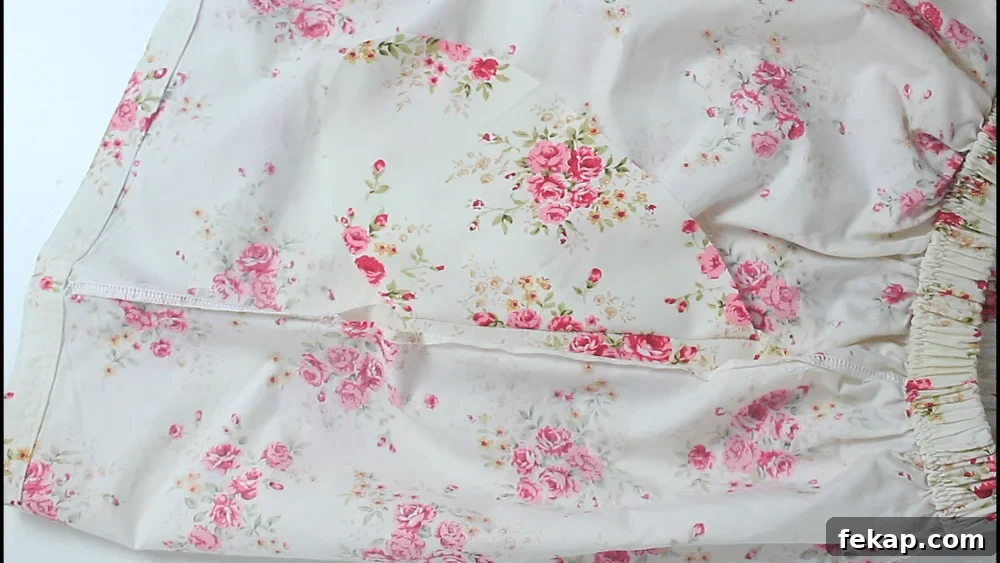
- Repeat the same steps with the second pocket piece, attaching it to the opposite side of the opened seam.
Finish sewing the pockets
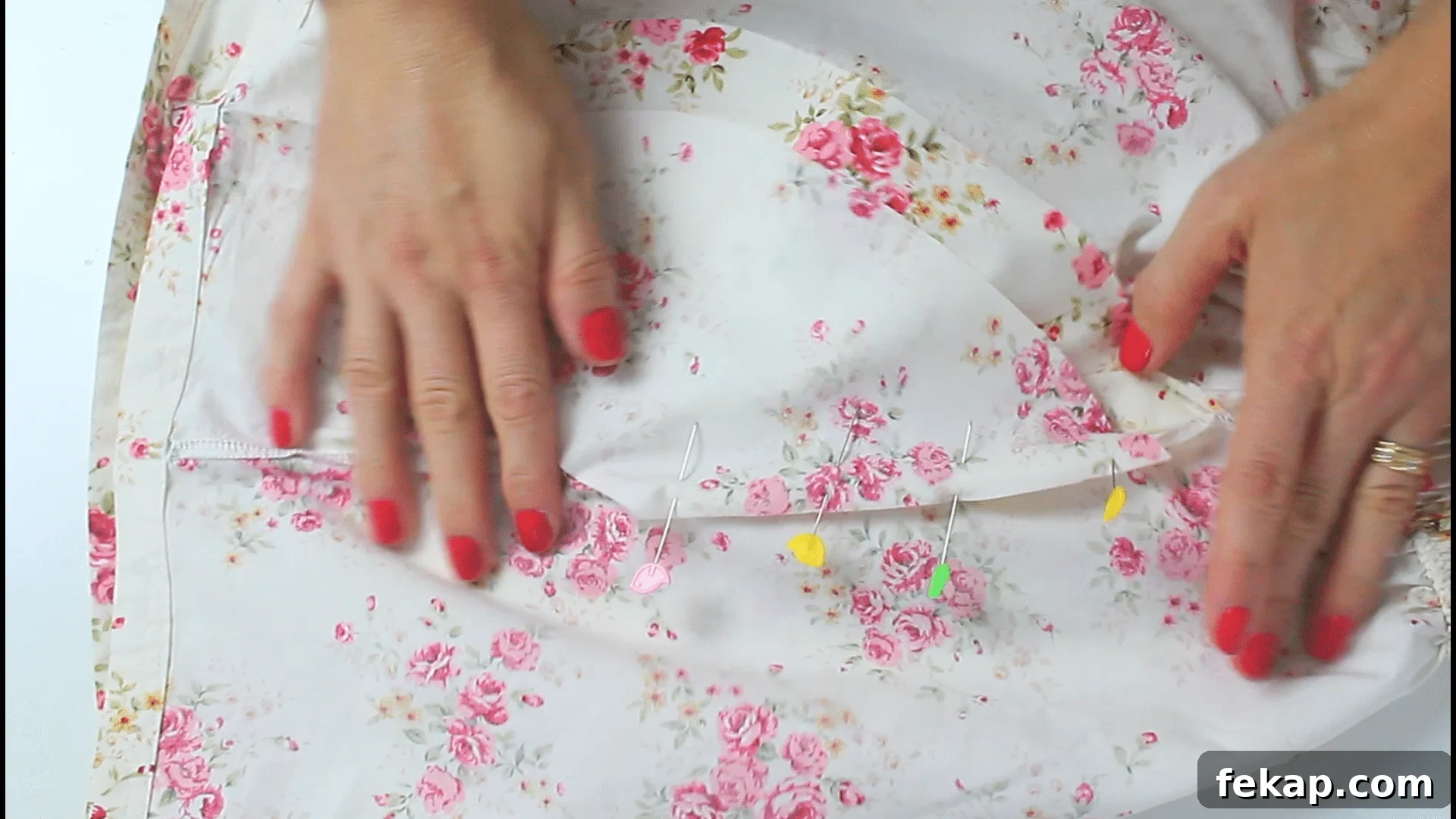
- Bring the two pocket pieces together so their right sides are facing. The pocket pieces should now form a pocket bag inside the skirt.
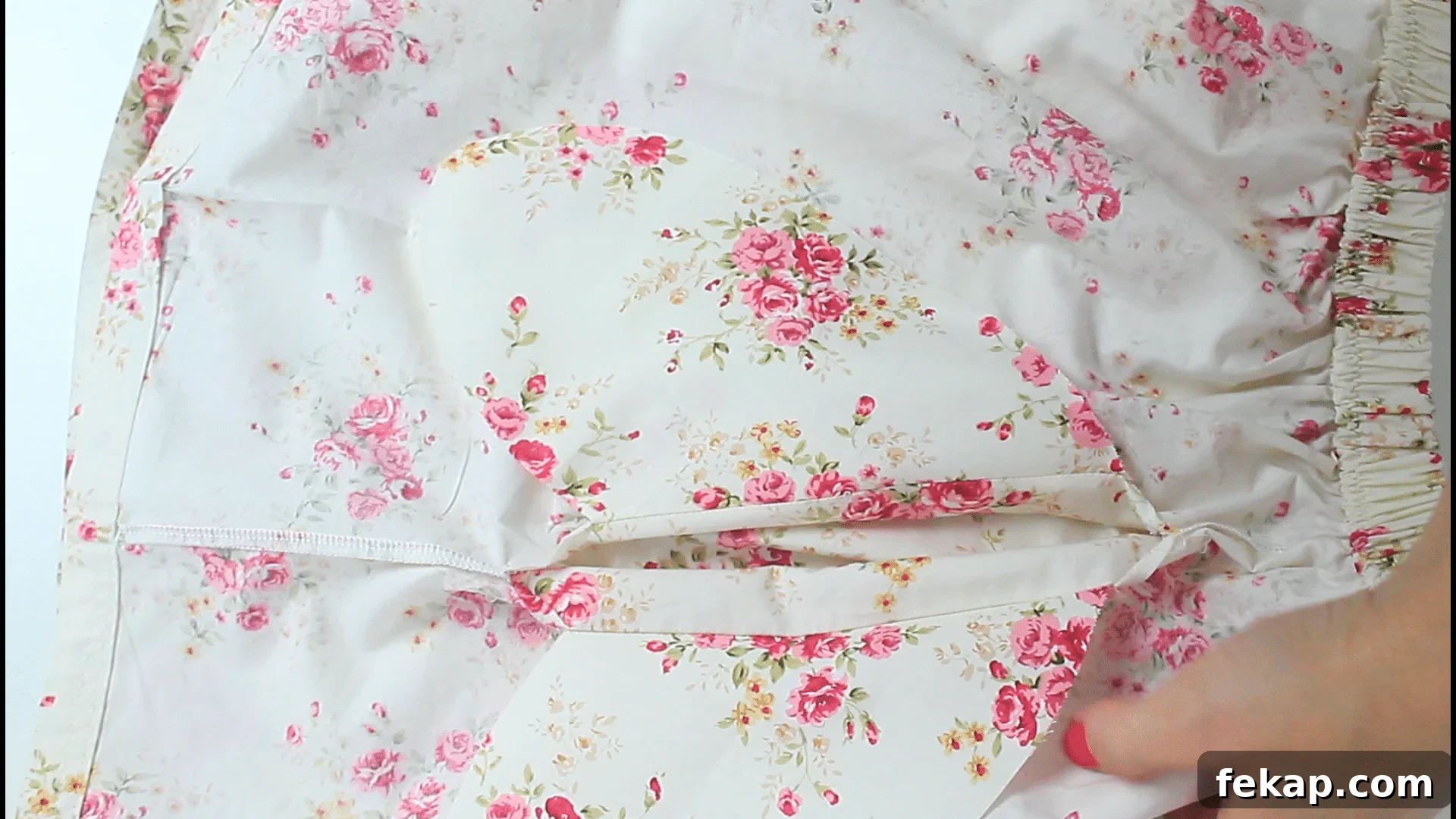
- Pin around the raw curved edges of the pocket. Also pin the opened sections of the skirt seam above and below the pocket opening so the side seam can be closed again.
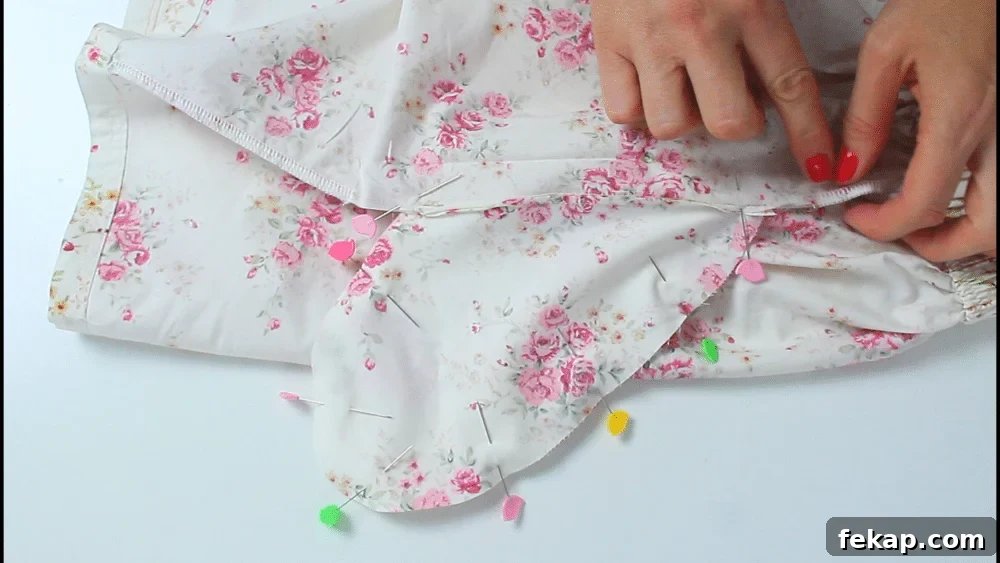
- Sew from the top of the opened seam, around the outer curved edge of the pocket, and down to the bottom of the opened seam. This closes the pocket bag and reconnects the side seam in one continuous line. Take your time around the curve so the stitching stays smooth.
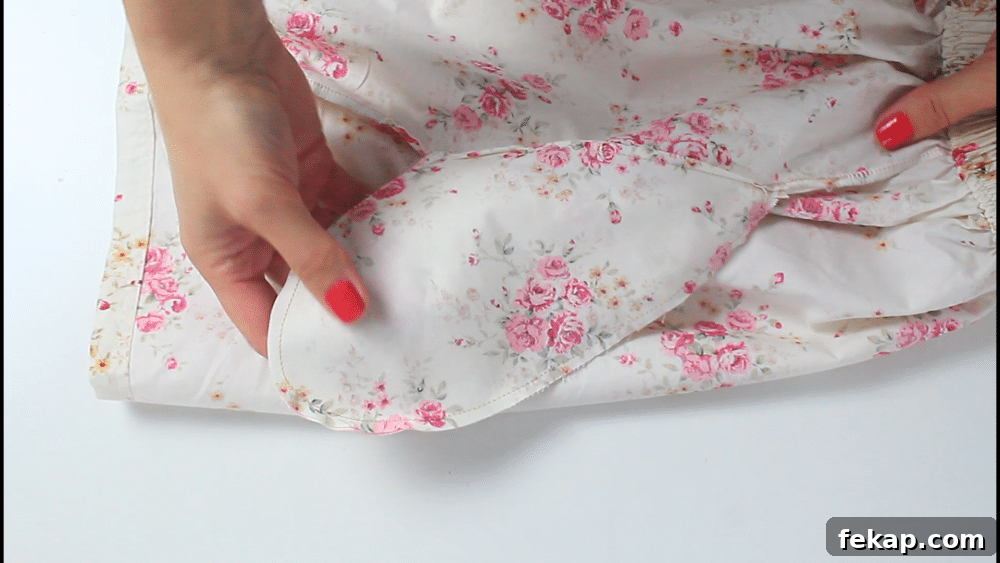
- Finish the raw edges using your preferred seam finish. A zigzag stitch, serger, or overlocker can help prevent fraying and make the pocket stronger.
- Repeat the same process on the other side of the skirt if you are adding a second pocket.
- Turn the skirt right side out and press carefully around the pocket opening. A good press helps the pocket sit flat and look clean from the outside.
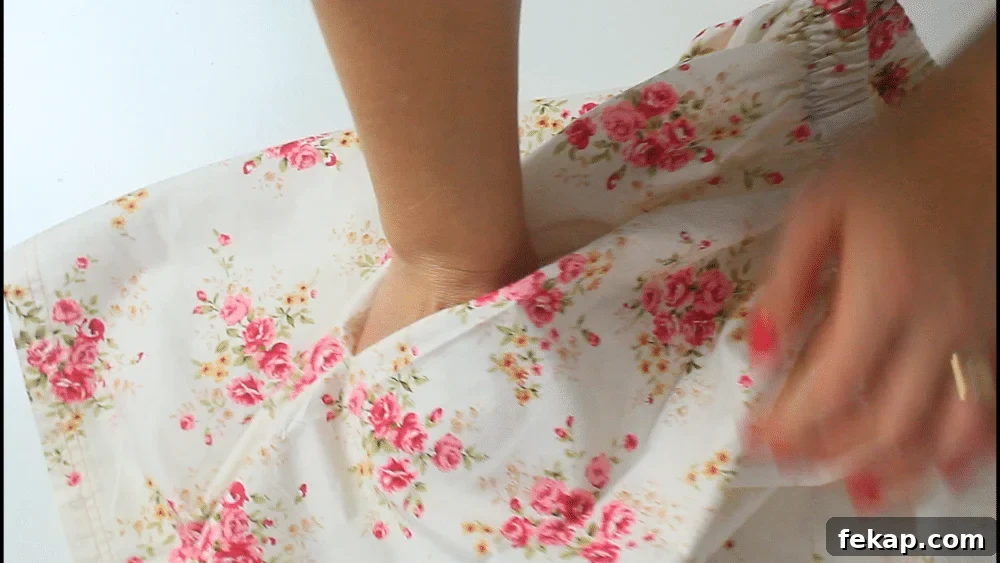
That is all it takes to sew practical side seam pockets into a skirt or unlined dress. Once finished, the pockets should sit neatly inside the garment and be easy to use without changing the overall look of the skirt.
This simple sewing alteration is a great way to make your wardrobe more functional. After you learn how to add pockets to a skirt, you can use the same technique on many suitable garments and enjoy comfortable, hidden storage whenever you need it. Happy sewing!
Pin to save for later

Most popular sewing projects:
- Tips for sewing a round hem
- Corded bag handles
- Flutter sleeve dress pattern
- How to laminate cotton fabric