My fourth day at the pastry course in Beverwijk began with a rough start. I had left home with perfect timing and was driving toward the school when traffic suddenly slowed to a standstill about five to ten minutes from my destination. Ahead of us was a tunnel where an accident had apparently taken place. I ended up waiting there for roughly half an hour. To pass the time I turned off the engine and stepped out to chat with the driver in front of me. He suggested investing in all-weather tires—sensible advice for anyone who drives regularly. We watched a few ambulances and police vehicles enter the tunnel, but after the delay there were no visible signs of what had happened, so I’m still uncertain about the details.
By the time I reached the pastry school I was about ten minutes late. The lesson had already begun, and I missed some of the chef’s initial instructions. This time I also had a different partner than in previous weeks, so we needed a moment to get used to each other’s rhythm. Despite the rocky start, the class was enjoyable and instructive, even if I didn’t quite find my usual groove that day.
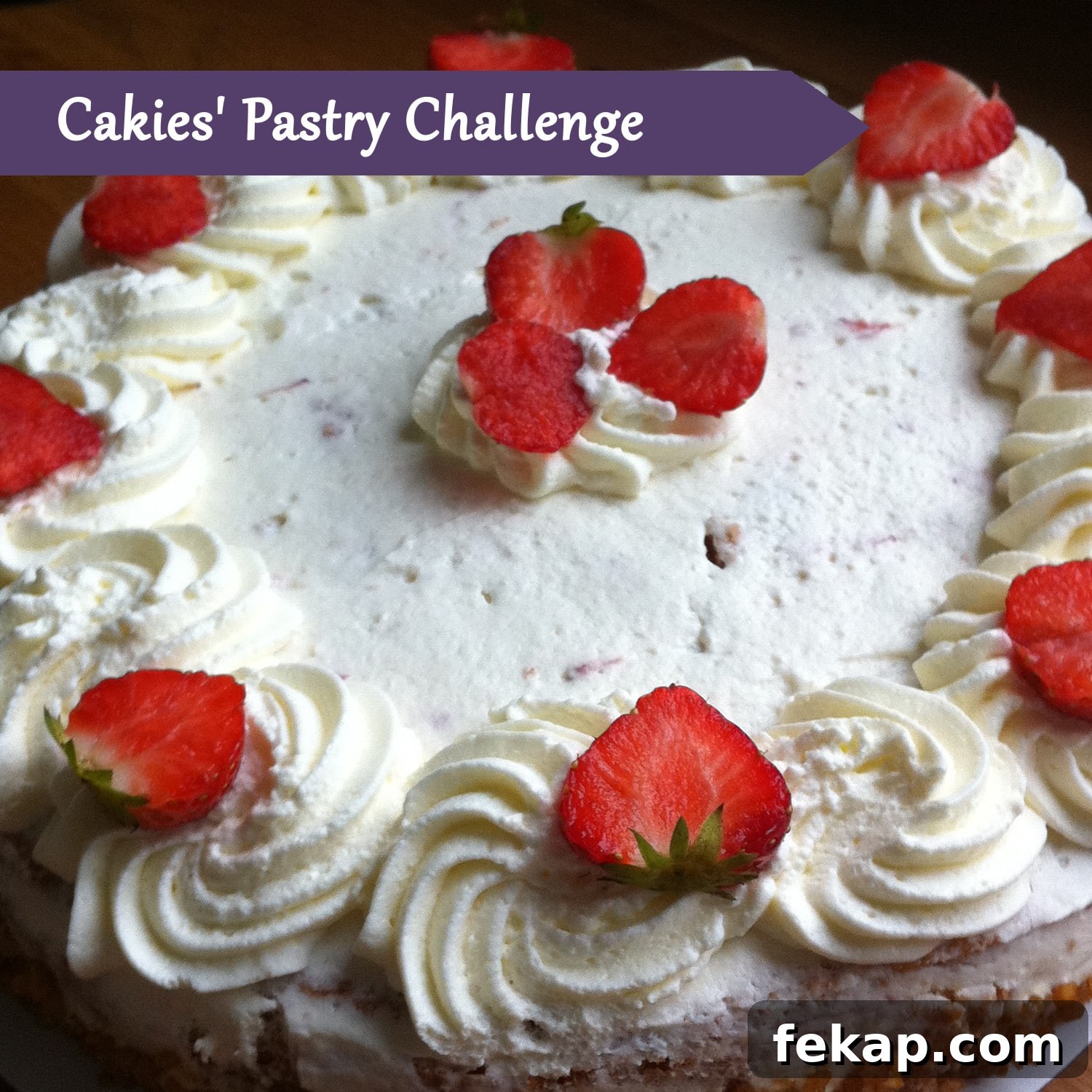
Our main project was a whipped cream cake. The cake batter itself was straightforward: warm the egg mixture, beat it until smooth and creamy, then fold in the flour. My partner and I underestimated how many eggs we needed, so we had to whip a few more separately and combine them carefully to maintain the batter’s texture. When it came time to prepare the whipped cream, we made a small oversight and forgot to add sugar. That lapse left us with a less-sweet cream than intended, but it turned out to be a pleasant surprise for some.
Despite the hiccups, the whipped cream cake turned out very well. I took a slice to work the next day and my colleagues were genuinely enthusiastic. Several commented that they appreciated the lighter sweetness of the cream—sometimes less sugar allows other flavors to shine, and in this case it complemented the cake nicely. Bringing baked goods to the office always provides useful feedback, and it was satisfying to see the cake enjoyed by others.
Alongside the cake, we worked on meringues. We prepared Italian meringue, which is slightly different from the basic French-style meringue because it involves adding a hot sugar syrup to whipped egg whites. The key with Italian meringue is getting the sugar syrup to the right consistency before incorporating it into the egg whites so the texture becomes stable and glossy. I had never made meringues that way before, so it was a valuable learning experience. The resulting meringues were crisp and light, and they proved popular with my classmates and later with my colleagues as well.
Overall, the day was a mix of small setbacks and rewarding results. I learned to be more attentive to quantities—making sure you have enough eggs prepared before beginning—and to follow each step closely when preparing components like whipped cream so nothing important is omitted. The Italian meringue lesson reinforced the importance of timing and consistent technique when working with sugar and egg whites. I left the class inspired to try these recipes at home and to experiment with a few variations; I’m already planning different flavor combinations for the whipped cream and imaginative ways to present the meringues.
All in all, it was another informative and enjoyable day at the pastry course in Beverwijk. Even on a hectic day, practical experience and hands-on practice make a real difference. I’m looking forward to the next lesson and to refining the techniques I practiced—after all, baking is as much about learning from small mistakes as it is about celebrating the successes.