Do you own old family photographs? If your collection includes cabinet cards, those mounted studio portraits can offer valuable clues for genealogy research. Cabinet cards were a popular photographic format in the late 19th and early 20th centuries, and their physical characteristics and markings often reveal information about when and where a picture was taken, who the photographer was, and sometimes even the identity of the sitter.
What to look for on a cabinet card
Start with the obvious: the front and back of the card. Many cabinet cards include the photographer’s name, studio address, city, or an embossed studio logo. These imprints are often printed on the front or back of the mount and can be used to narrow down a location or date range. Inscriptions, handwritten notes, or pencil marks can appear on the back or along the edge; these may contain names, relationships, or dates supplied by family members. Even short notations like initials or a year can be important leads.
Clues from style and format
Examine the sitter’s clothing, hairstyle, and accessories. Fashion details—collars, sleeves, hats, facial hair, and jewelry—can often be matched to general historical periods. The pose, props, and background elements used by the photographer also provide context: studio backdrops, chairs, carpets, and decorative props were common and sometimes unique to particular studios or eras. The mount itself—its color, thickness, edge treatment, and any decorative borders or embossing—can help date a card and distinguish it from other types of 19th-century photographic prints.
Photographer marks and studio information
Photographers frequently branded their work with a printed or embossed name and studio address on the mount. That information can point you to the city or town where the portrait was made, and from there you can consult local records like city directories, census entries, or local newspapers to find more about the studio or the family. Pay attention to typography and logo styles—changes in a studio’s printed mark can sometimes be sequenced and correlated with time periods.
Preservation and handling tips
Handle cabinet cards carefully. Oils from fingers and exposure to light can damage the paper and image. For preservation: hold cards by their edges, store them in acid-free sleeves or archival boxes, and keep them in a stable, cool, dry environment away from direct sunlight. If you plan to digitize the card, do so with a flatbed scanner or a high-resolution camera, capturing both front and back images. Record any markings, inscriptions, or observations in a genealogy database or research notes immediately after scanning to preserve context.
Using cabinet cards in genealogy research
Cabinet cards can become powerful genealogical evidence when combined with other records. Use photographer marks to establish location; correlating that information with census records, city directories, and vital records can help confirm identities and family relationships. Compare cabinet cards with other family photographs—look for recurring faces, similar props, or matching backgrounds that might indicate the same studio or time period. If a card includes a full name, use it alongside dates and places to search local archives, newspapers, and probate or land records.
Practical next steps
Document everything: photograph both sides of the card, transcribe any writing, and note the provenance (where and from whom you obtained the card). If a studio name appears, include it in your notes and follow up with local resources such as historical societies, libraries, or archives that may hold directories or business listings. Avoid using adhesives or tape on the original, and instead store it in archival-quality materials. If the image is fragile or you find mold, consult a conservator before attempting any cleaning or restoration.
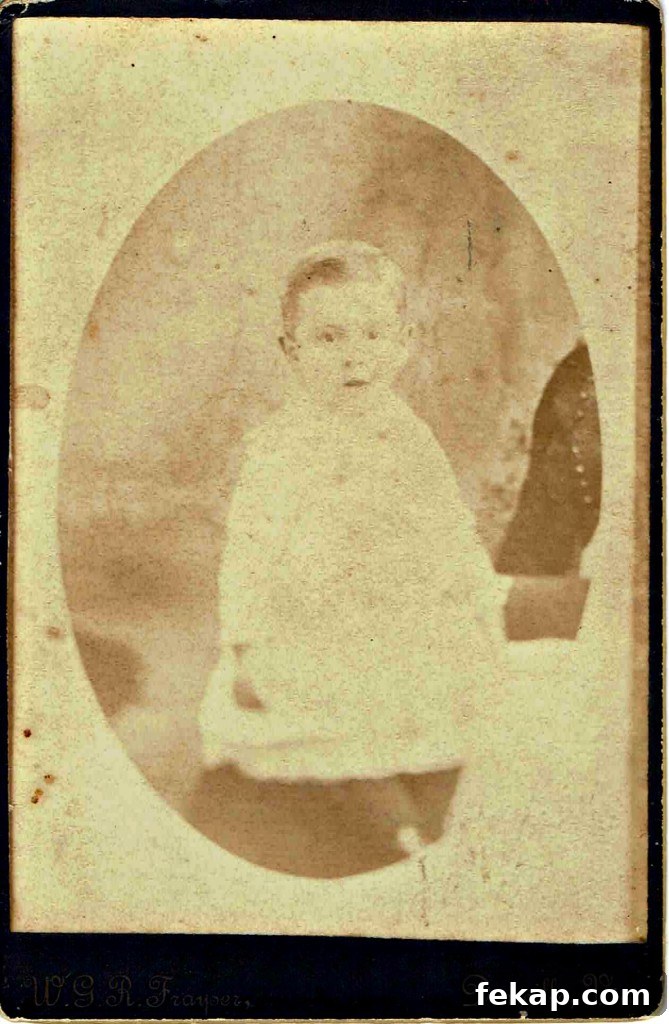
Cabinet cards are more than decorative relics; they are documents that record people, places, and moments in family history. By studying the mount, the photographer’s imprint, clothing styles, inscriptions, and other small details, you can turn a single portrait into multiple research leads. Preserve the originals carefully, digitize them for easier comparison and sharing, and use the clues they provide to enrich your family history research.