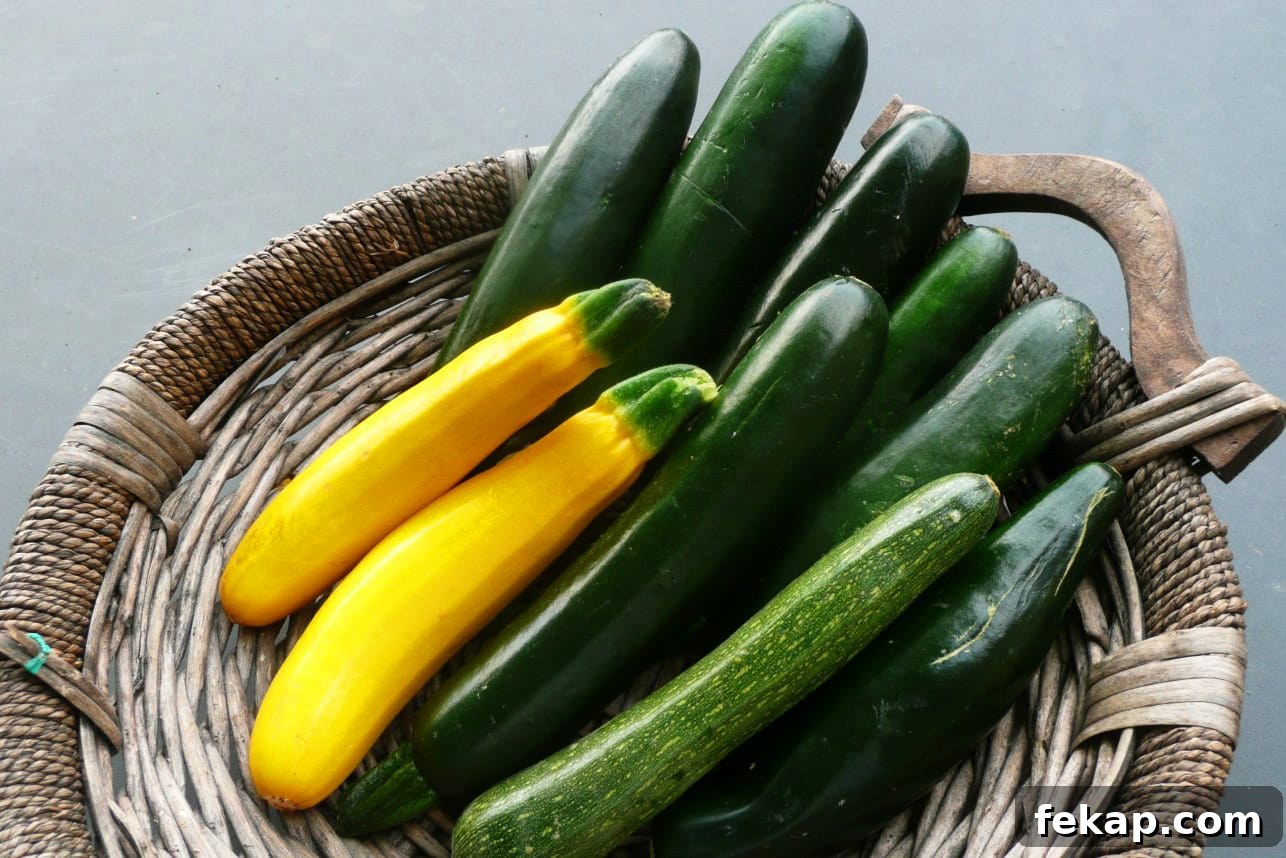
When zucchini arrive in season they can feel like a vegetal tidal wave—suddenly your garden, farmer’s market, or community share is overflowing. Instead of defaulting to the same few dishes, it helps to know how to select, store, prepare, and cook zucchini so you can enjoy the bounty in many different ways.
- What Is Zucchini?
- What Does Zucchini Taste Like?
- FAQs
- How to Choose Zucchini
- How to Store Zucchini
- How to Cook Zucchini
- Zucchini Recipes
- What to Do With Zucchini Flowers
- More Fresh Produce Cooking Tips
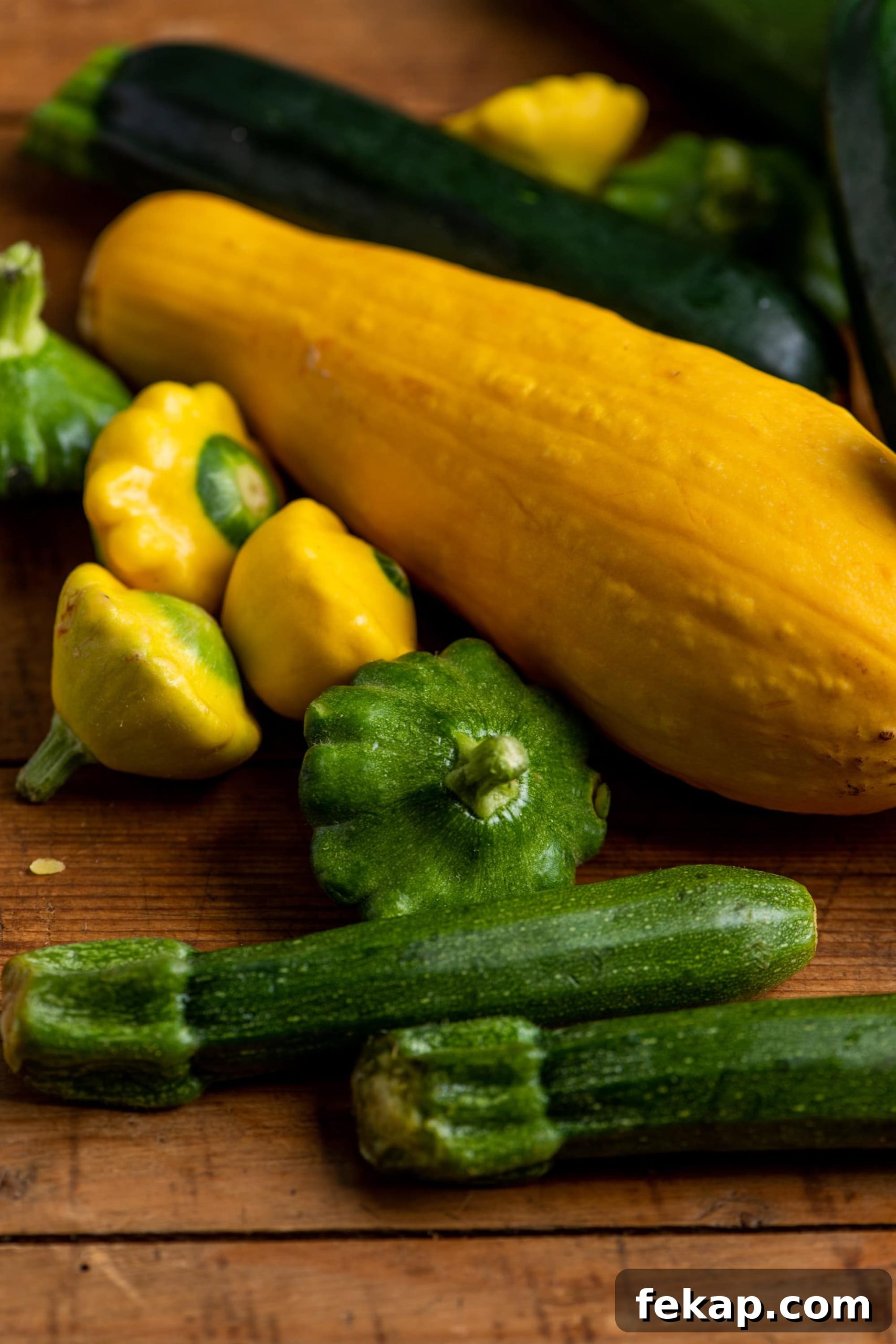
How to Cook Zucchini: Everything you need to know about buying, storing, preparing, and cooking zucchini.
What Is Zucchini?
Zucchini are botanically fruits but are most commonly treated as vegetables in the kitchen. In many parts of the world they’re called courgettes. The yellow varieties are usually grouped with summer squash, and you’ll also find striped or striated types. Zucchini appear in cuisines from North America to Europe, as well as across the Mediterranean and the Middle East.
What Does Zucchini Taste Like?
Zucchini have a mild, delicate flavor with high water content, which keeps their taste subtle. Cooking causes them to lose moisture and shrink, concentrating a mild vegetal note while still remaining tender and unobtrusive. Their gentle flavor makes them a versatile base for bold seasonings or simple preparations.
FAQs
The varieties are similar; yellow summer squash can be slightly milder and sometimes a bit softer in texture. In most recipes you can substitute one for the other without significant changes.
Zucchini range from tiny, finger-sized fruit to very large specimens. They grow quickly and will continue to enlarge until picked. Extremely large zucchini may be less tender and better suited to grating or using in baked goods rather than eating whole.
Zucchini and summer squash are low in calories and provide nutrients such as potassium, folate, and vitamins A and C. They’re a light, nutrient-dense addition to many meals.
How to Choose Zucchini
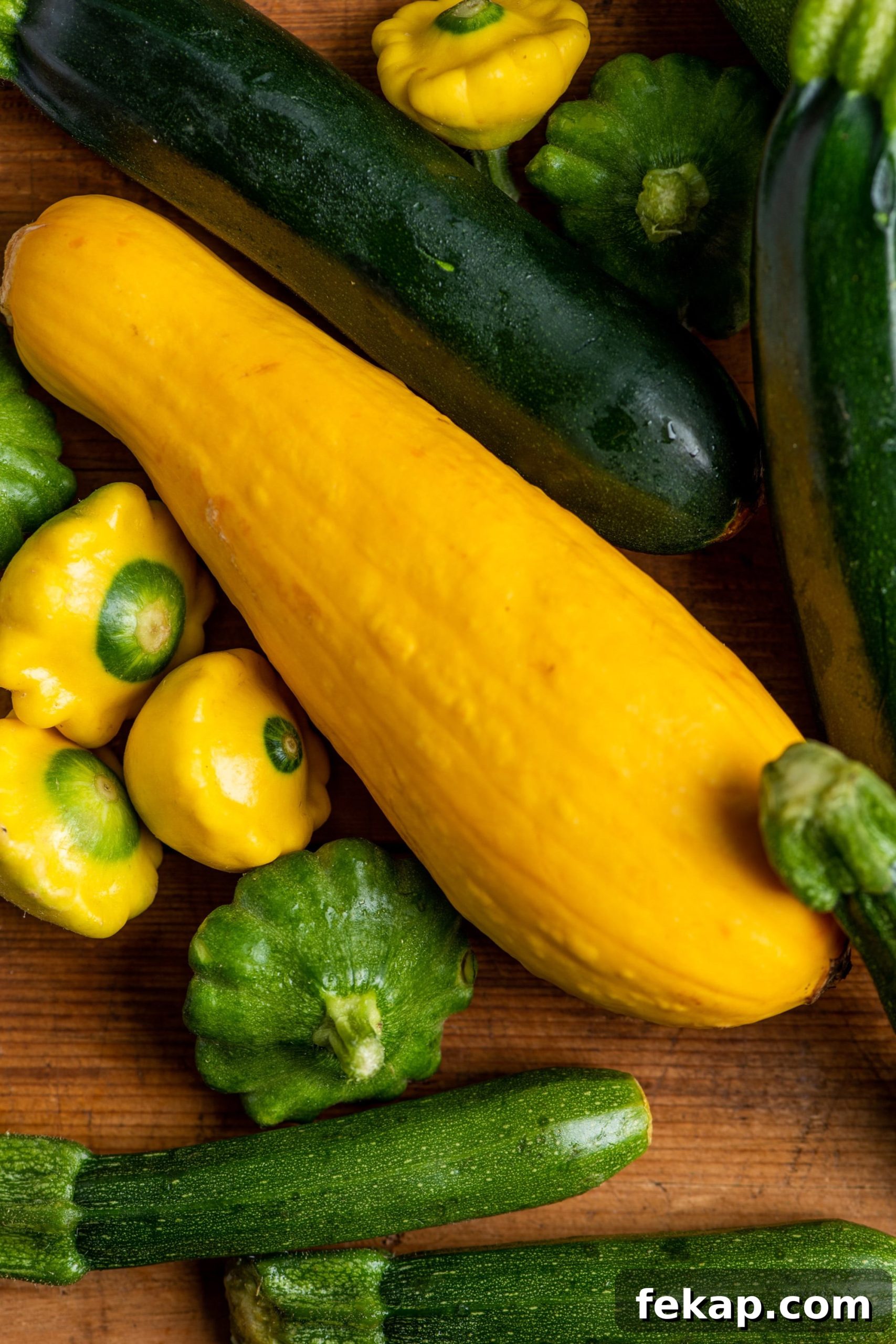
Look for firm squash about 6 to 8 inches long and up to 2 inches in diameter, with smooth, taut skin and no soft spots. Smaller zucchini are typically less fibrous and more tender, while very large ones are best for shredding, baking into breads, or hollowing and stuffing. If a large zucchini has a spongy core, you can discard that center and use the firmer outer flesh.
How to Store Zucchini
Store zucchini in the refrigerator for several days; their longevity depends on how fresh they were when purchased or harvested. Keep them dry and unwrapped if possible. Once they start to feel soft, mushy, or slimy, it’s time to compost them or use them immediately in cooked dishes.
How to Cook Zucchini
Because zucchini are mild, they pair well with bold herbs, spices, cheeses, and sauces. Common methods include sautéing, roasting, grilling, steaming, frying, stuffing and baking. Zucchini also make excellent additions to soups, stews, chilis, and pastas to add bulk and nutrition without overpowering other flavors.
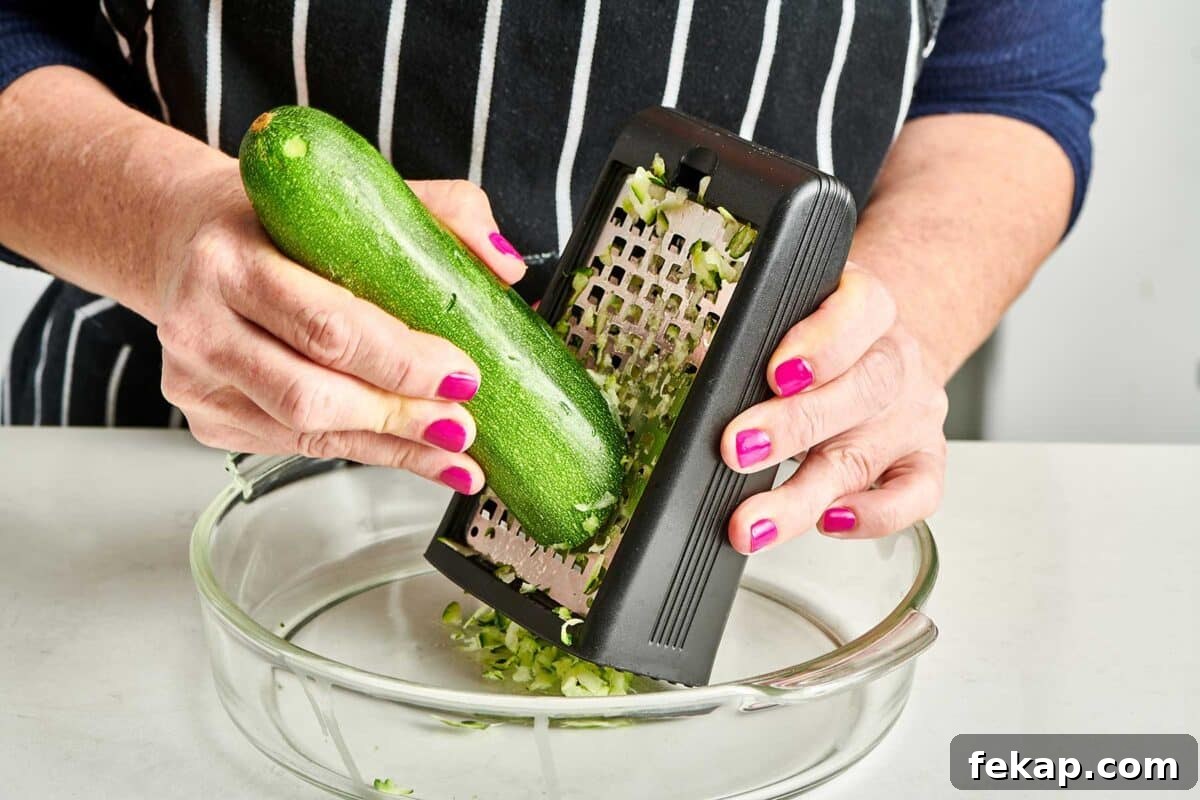
Raw zucchini can be crisp and refreshing—slice thin or use a peeler to make ribbons for salads. Spiralized zucchini, often called “zoodles,” are popular as a low-carb pasta alternative and can be served raw or lightly sautéed with sauces like marinara, Alfredo, or puttanesca. For baked goods, grate zucchini and, if the skin is tough, peel before grating to avoid noticeable texture.
Zucchini Recipes
Zucchini recipes span quick breads, fritters, baked chips, ribbons and salads, gratins, grilled skewers, and more. They adapt to frying, baking, roasting, and raw preparations. If you’re wondering what to do with an abundance of zucchini, try diversifying techniques—shredded for breads, sliced and roasted with herbs, or transformed into lighter pasta alternatives.
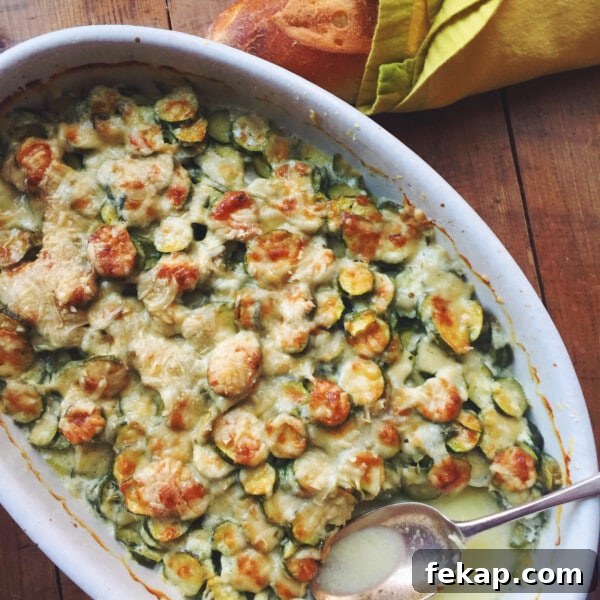
Baby Zucchini Gratin
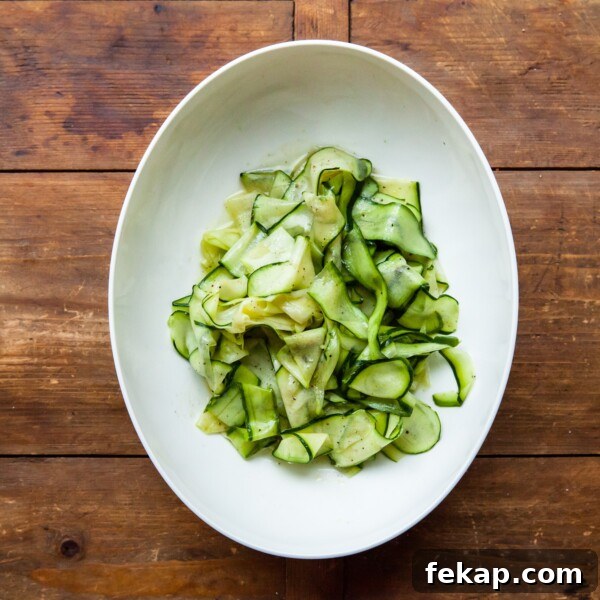
Zucchini Ribbon Salad
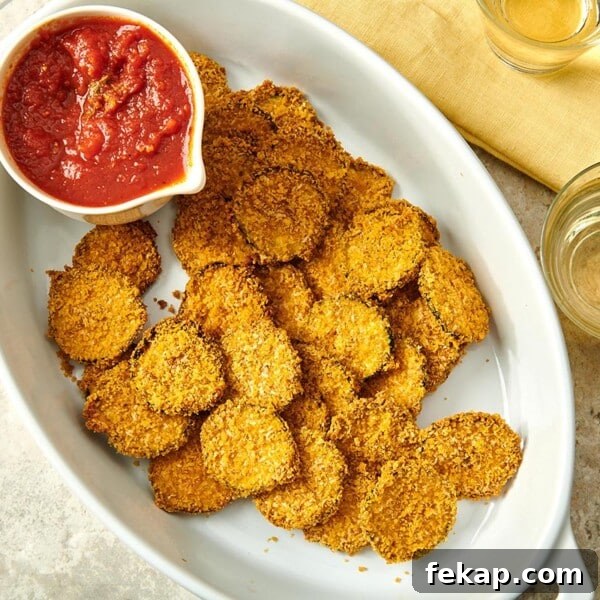
Baked Zucchini Chips

Pumpkin Zucchini Bread
What to Do With Zucchini Flowers
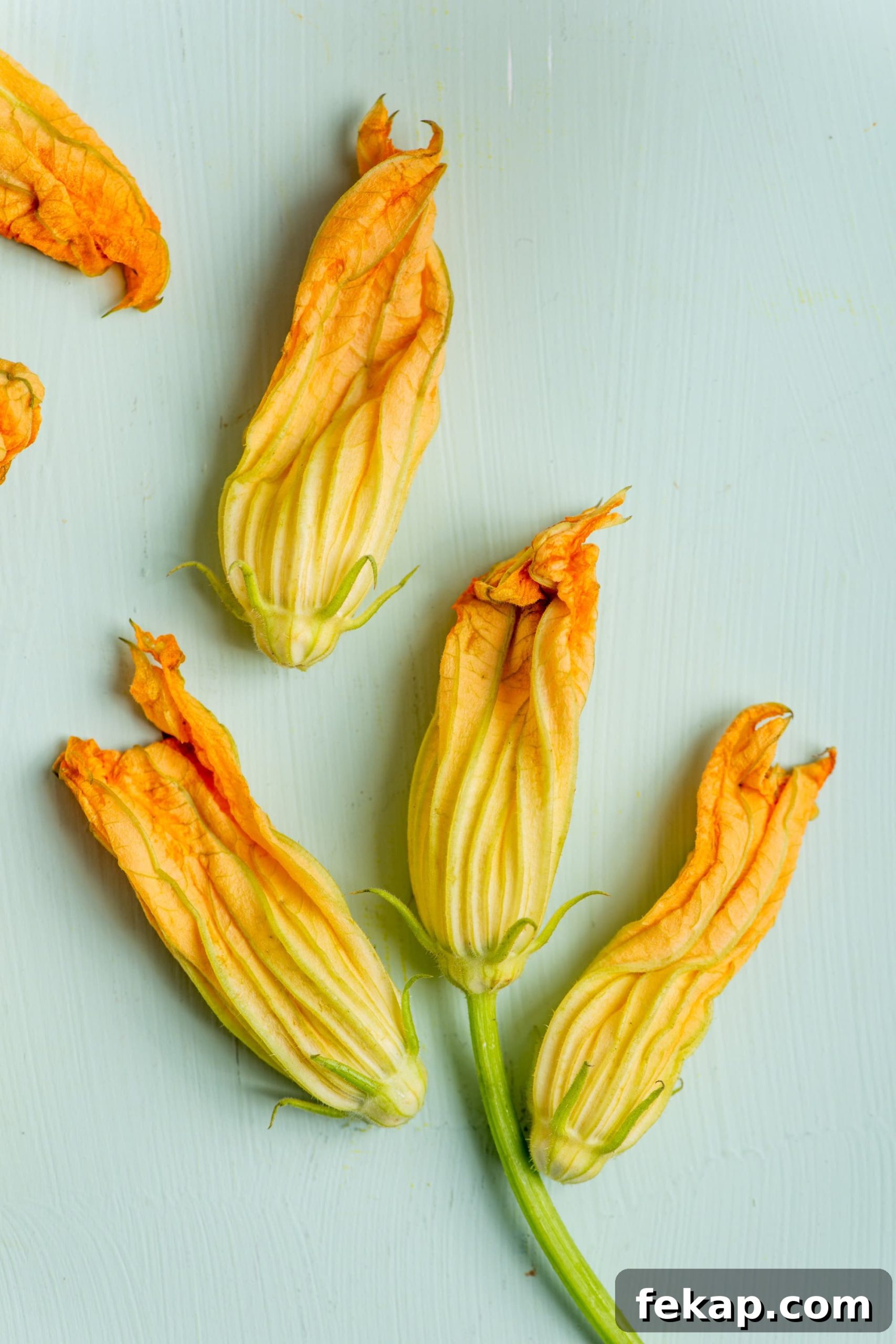
Zucchini often carry an edible blossom at one end. These squash blossoms are delicate and delicious—popular preparations include stuffing them with fresh cheeses or herbs and frying or baking them lightly. If you encounter fresh blossoms, treat them gently and use them soon after harvesting for best texture and flavor.
More Fresh Produce Cooking Tips
If you’re building confidence with seasonal produce, here are a few other guides and topics to explore for handling a variety of fruits and vegetables and getting the most flavor out of fresh ingredients:
- How to Cook Broccoflower
- How to Peel and Cut Butternut Squash
- How to Cook Pears
- How to Cook Pumpkins
- How to Cook Kohlrabi