
New Zealand doesn’t have to be expensive — but for many travelers, it can be. We were determined to enjoy an amazing trip while keeping costs low. Here’s how we managed to save money traveling in New Zealand without sacrificing the experience.
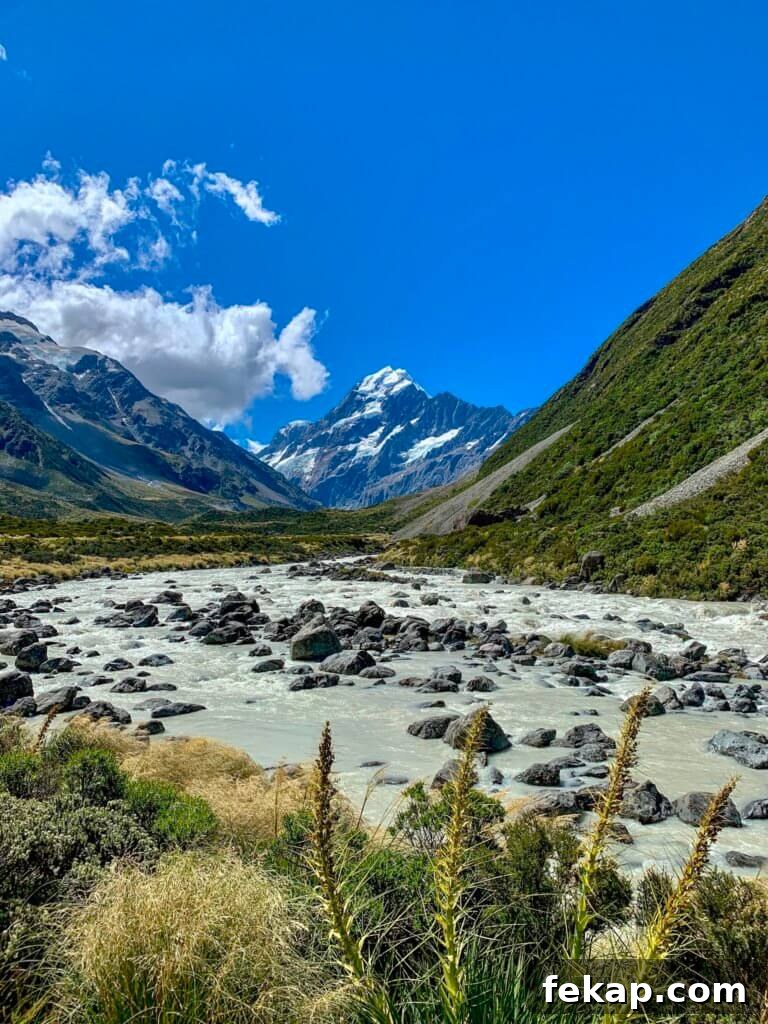
New Zealand was likely to be one of the priciest countries on our itinerary, and we planned to stay for two full weeks. To set expectations, here are some typical daily cost estimates in U.S. dollars to give perspective on budgets while traveling in New Zealand:
New Zealand average cost estimates
Budget (Cheap)
Hostel/Hotel per night: $23/person or $46/couple
Meals per day: $10/person or $20/couple
Local transport per day: $6/person or $12/couple
Estimated cost for a couple for 2 weeks: $1,205
Mid-Range
Hostel/Hotel per night: $70/person or $140/couple
Meals per day: $23/person or $46/couple
Local transport per day: $16/person or $32/couple
Estimated cost for a couple for 2 weeks: $3,417
Knowing lodging, food, and excursions were the biggest drivers of cost, we focused on three practical strategies to lower our expenses while still enjoying the highlights of the South Island.
How To Save Money When Traveling in New Zealand
1. Stay in Airbnb & hostels
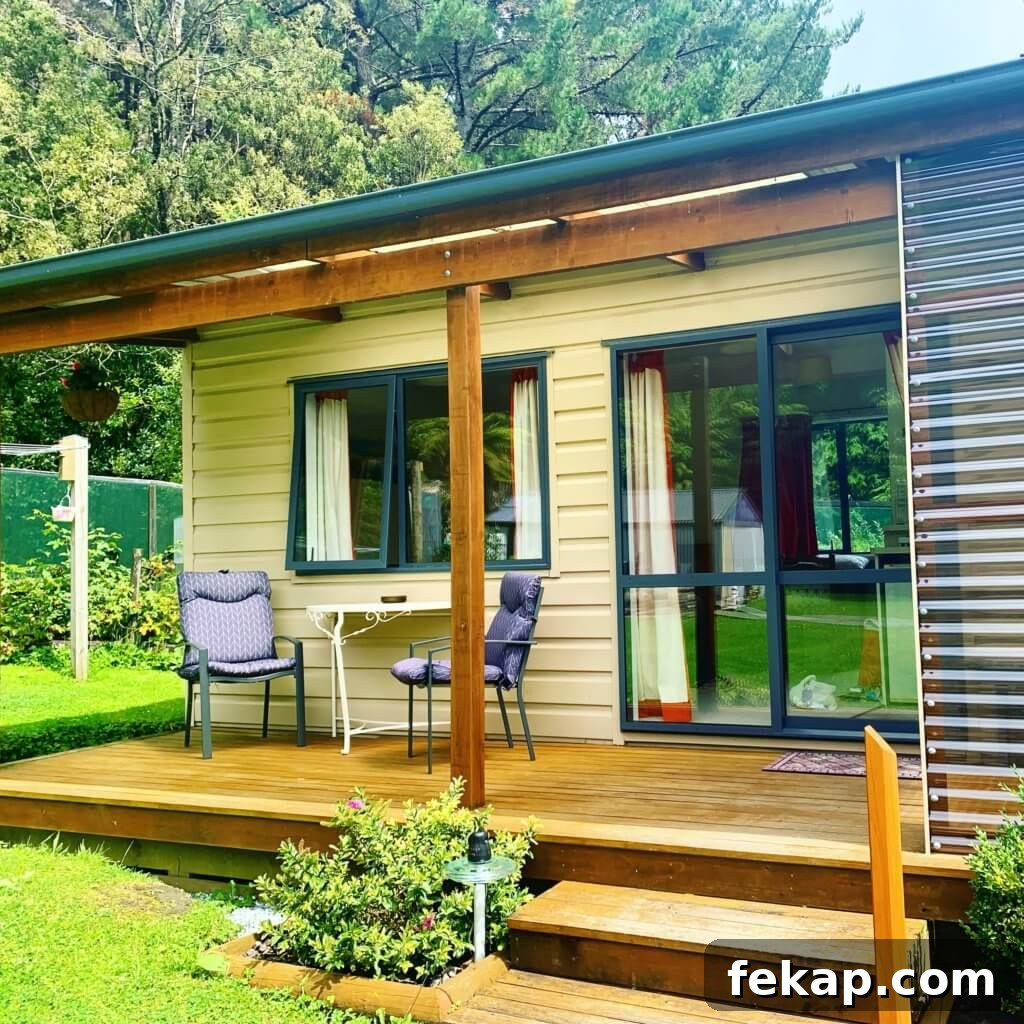
Accommodation is one of the largest travel expenses, so we booked mostly hostels and a couple of affordable Airbnb stays. We varied our rooms between dorms, private rooms, and a capsule room, and our Airbnbs included a private room in a house and a small farm guesthouse. These options saved money and offered chances to meet locals.
Over two weeks our lodging totaled about $630 USD, which matched the budget-level estimates above. Choosing economical places to sleep is one of the simplest ways to reduce the cost of travel in New Zealand.
2. Cook your own food
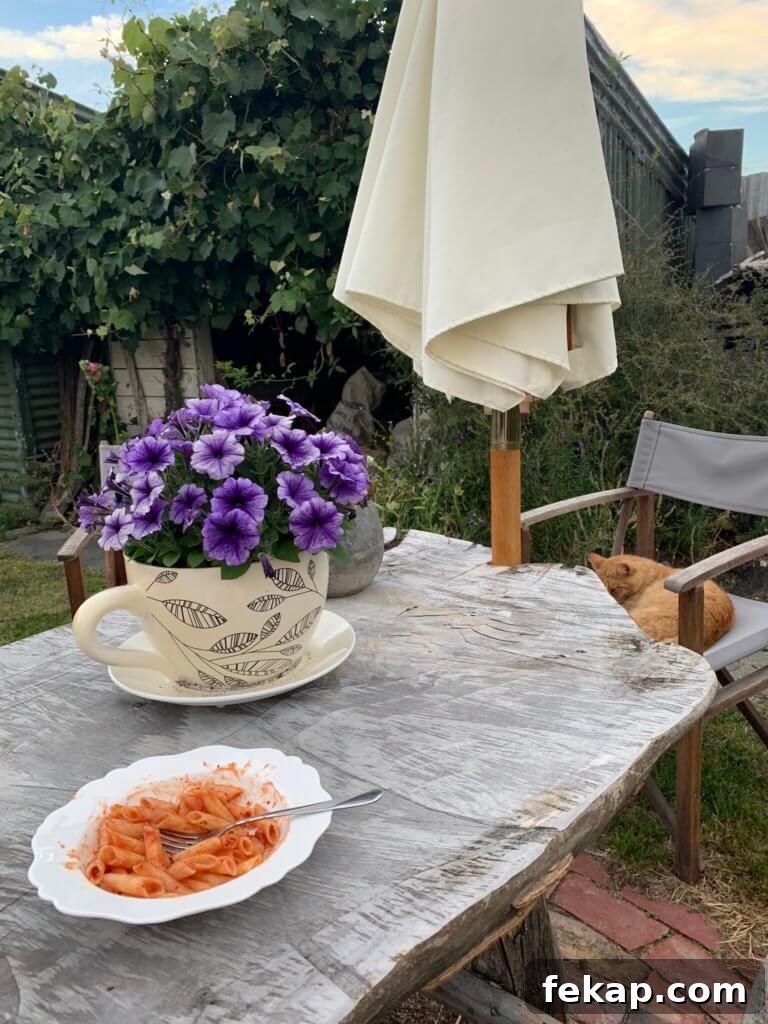
We specifically chose hostels and Airbnbs with kitchen access and cooked most of our meals. Buying groceries and preparing breakfasts and dinners cut food costs significantly. Simple staples like peanut butter, Nutella, granola bars, fresh fruit, and sandwiches got us through long driving days and hikes.
By cooking, we spent roughly $350 USD on food and drinks for the entire trip, about half of a mid-range estimate. Treat yourself on occasion, but making your own meals is a fast way to save while exploring New Zealand.
3. Plan excursions mindfully and carefully
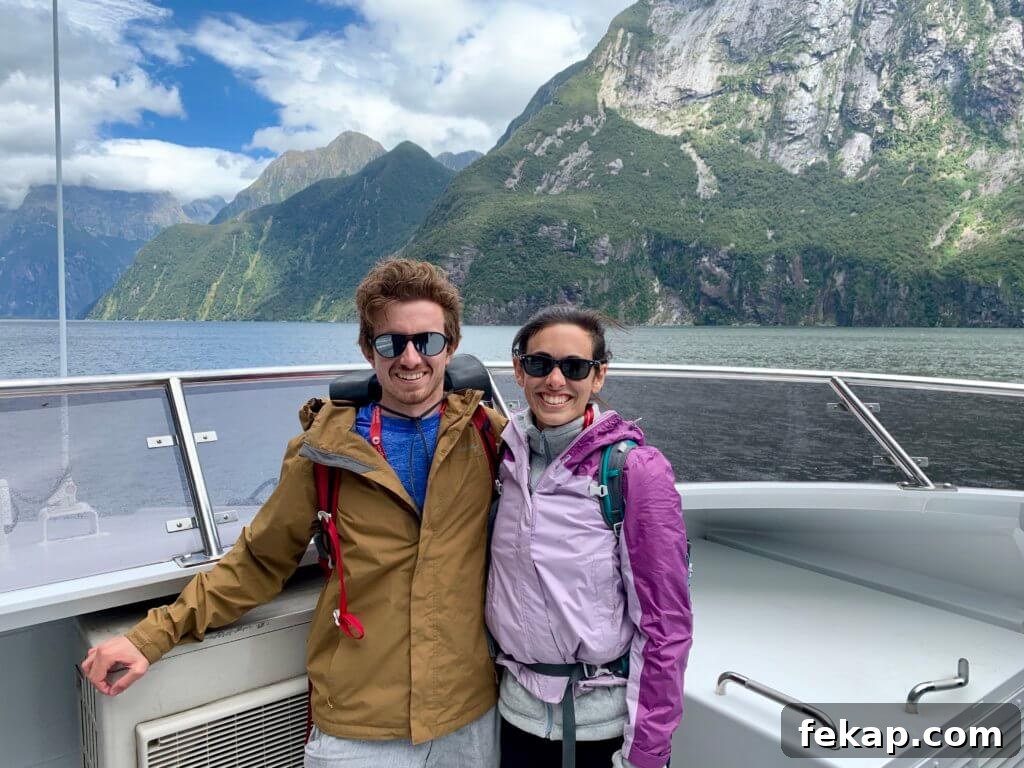
Excursions such as helicopter flights, glacier treks, multi-day tracks, and adventure sports can quickly blow through a budget. We prioritized outdoor experiences we cared most about and limited paid activities to one special outing: a full day at Milford Sound that included a boat cruise and kayaking with a picnic lunch.
That single excursion cost about $270 USD, and it was the only paid trip we did. Being selective let us enjoy a standout experience without overspending.
How did these strategies help our overall budget?
Combining budget accommodation, cooking our own food, and choosing one major paid excursion let us stay within our target. We spent a total of about $1,800 USD for two weeks on the South Island. That sum covered lodging, transportation, food, gas, the Milford Sound activity, and incidentals such as toiletries and insect repellent. Flights to and from New Zealand were not included in this total.
The other way we saved: hiking
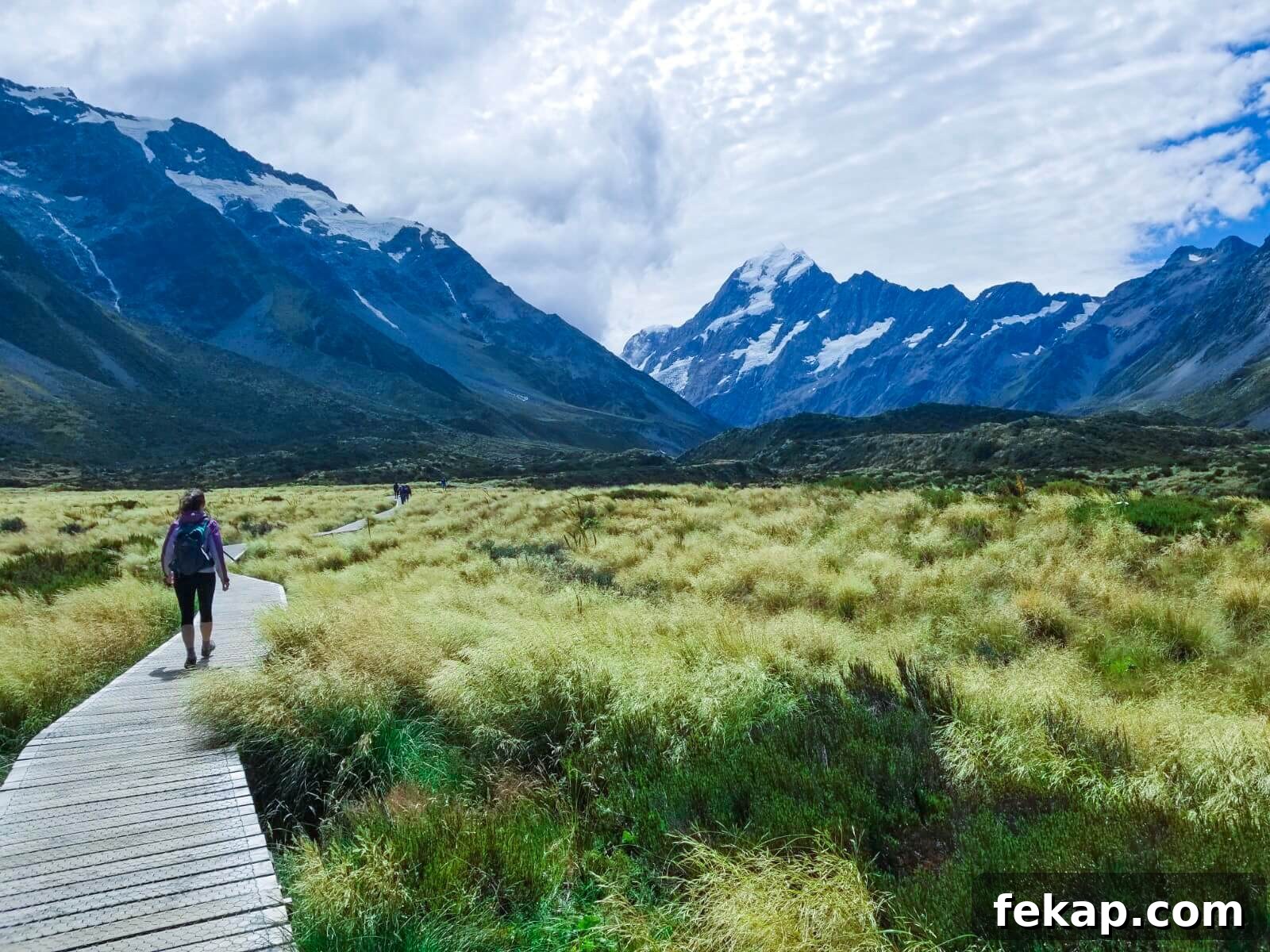
Hiking became our primary, zero-cost activity. New Zealand’s South Island offers a huge variety of free walks and day hikes: coastal paths, alpine tracks, waterfalls, caves, and glacial viewpoints. Hiking gave us exercise, fresh air, and spectacular scenery without extra fees.
There are national parks across New Zealand and entry is free to them all. We didn’t pay anything for the trails we walked, and many of the best day hikes are accessible from towns along our route.
Using hiking as our main activity delivered rich experiences and kept our daily costs low — a great strategy for travelers who want to explore New Zealand affordably.
Free hikes on New Zealand’s South Island
Lake Tekapo
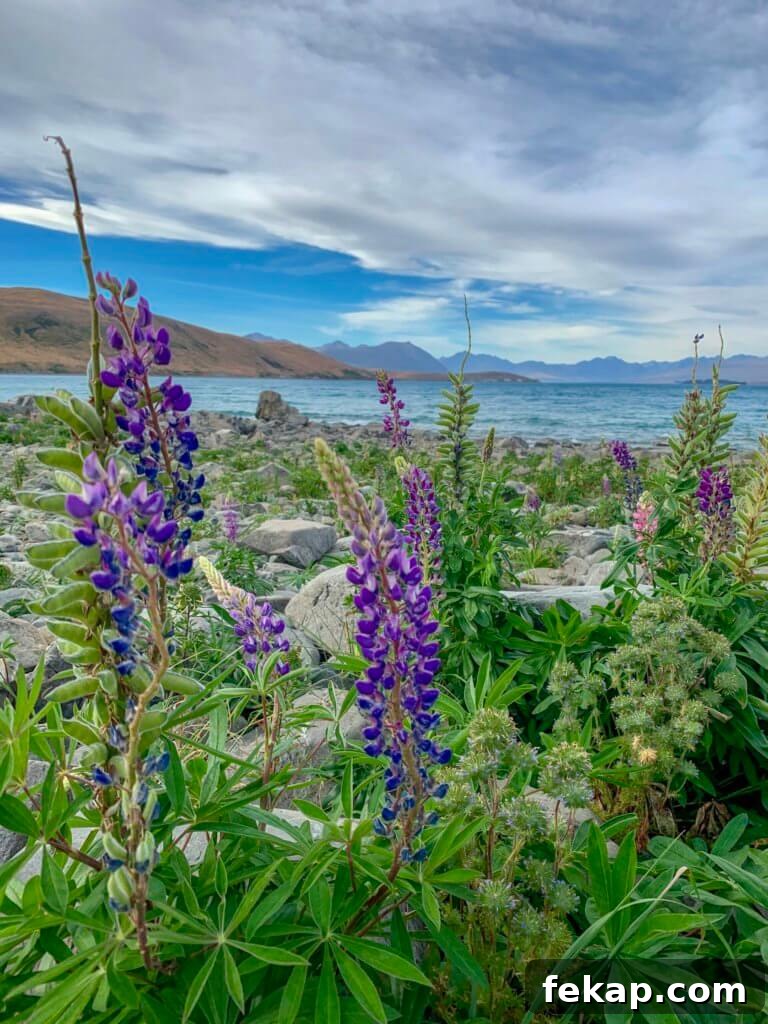
Lake Tekapo is known for its turquoise waters, lupines in season, and the stone Church of the Good Shepherd. You can enjoy short walks around the lake or hike the Mt. John Track for panoramic views and stargazing opportunities after dark.
Aoraki/Mt. Cook — Hooker Valley Track
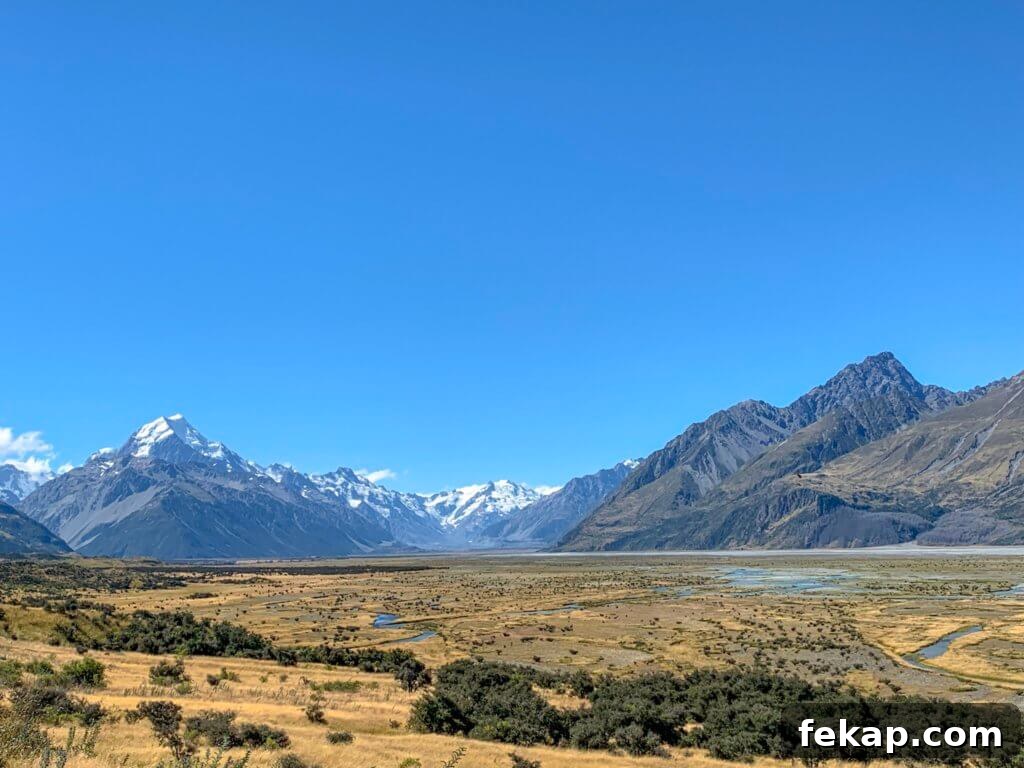
The Hooker Valley Track is a popular 10 km day hike with suspension bridges and a glacial lake at the endpoint, offering excellent views of Aoraki/Mt. Cook.
Queenstown trails
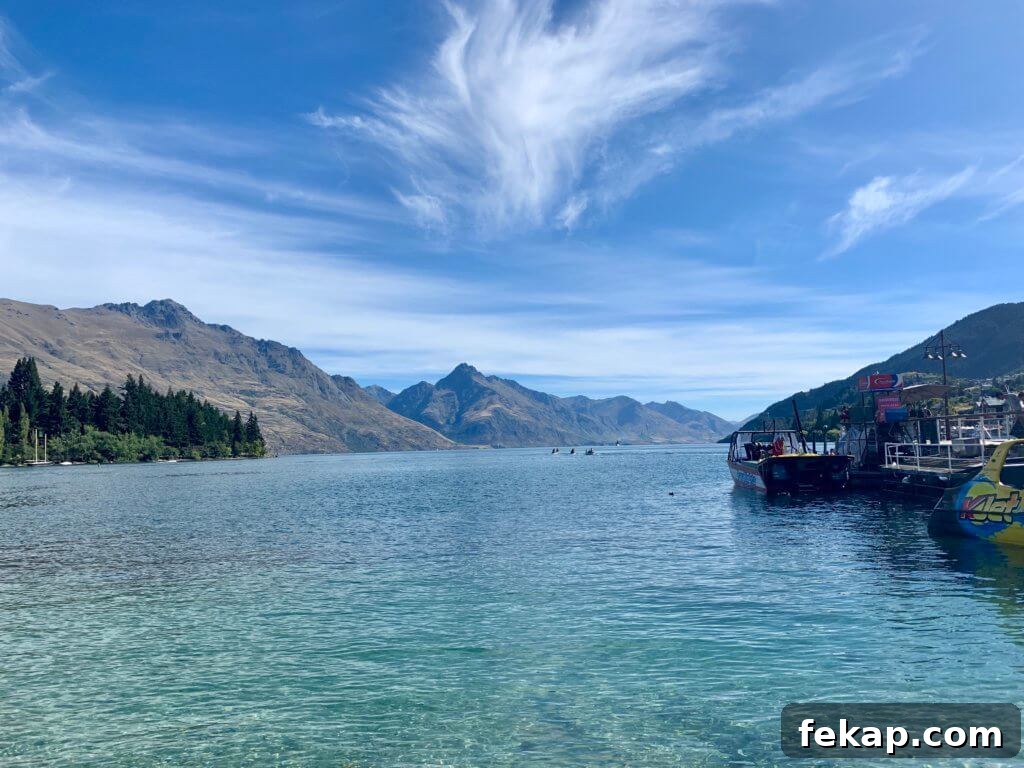
Queenstown’s lakefront and nearby walking routes are ideal for relaxed evening strolls with scenic views of Lake Wakatipu and surrounding peaks.
Fiordland National Park
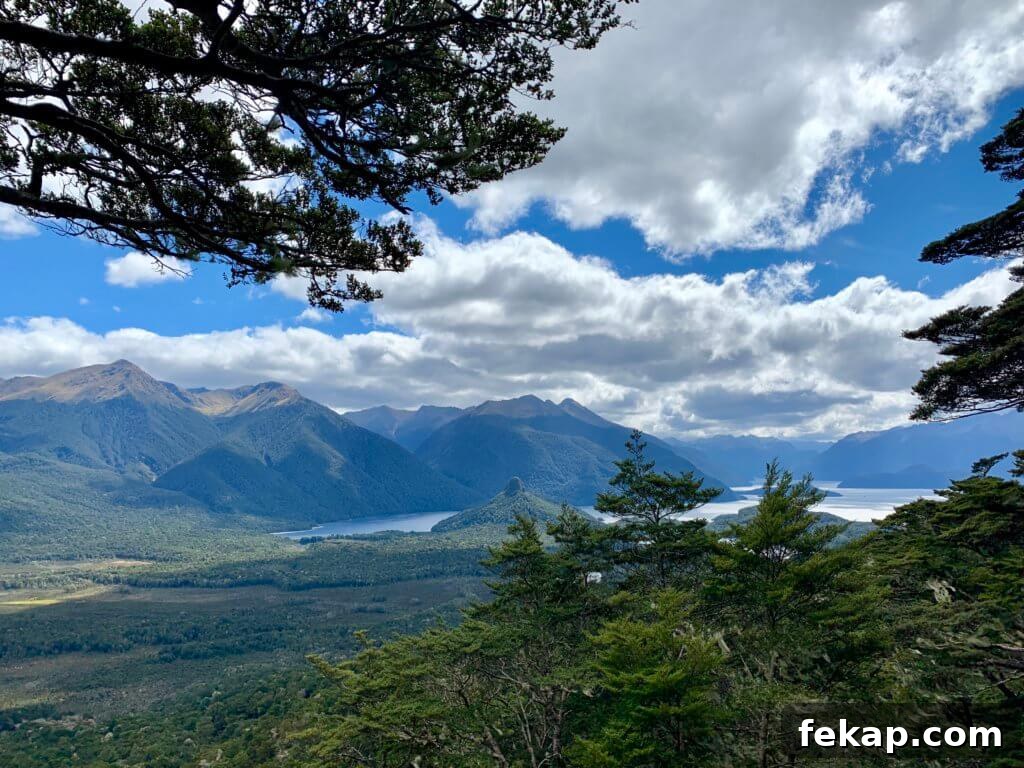
Fiordland includes iconic spots like Milford Sound and many shorter walks such as Rainbow Reach, plus sections of longer tracks like the Kepler Track for those seeking extended hikes.
Franz Josef Glacier viewpoint walks
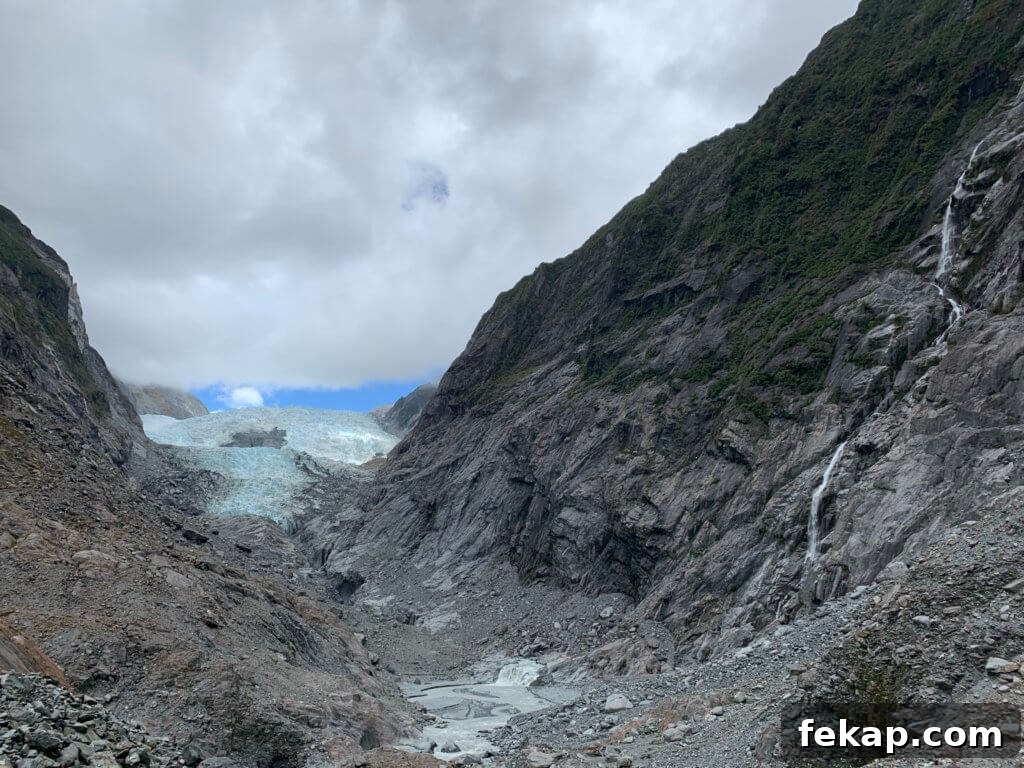
Rather than paying for guided glacier treks, we recommend walking to viewpoints that reveal the glacier’s scale and changes over time—short, accessible trails with dramatic scenery.
Tatare Tunnels — glowworm caves
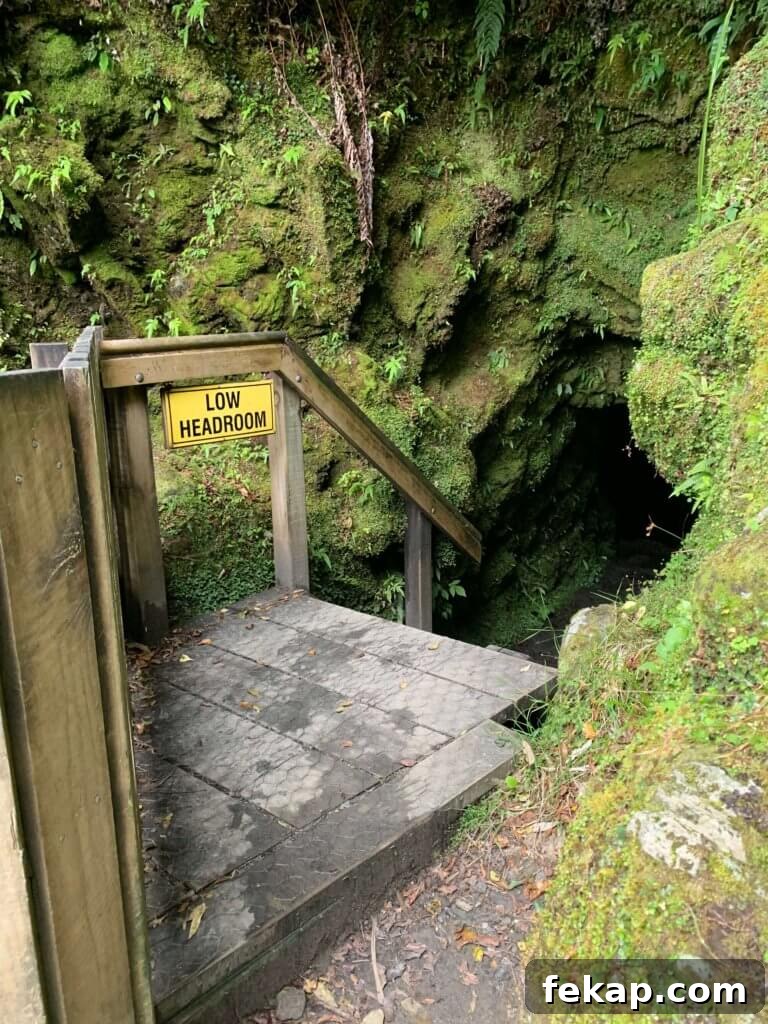
A unique short walk near Franz Josef leads through old water tunnels and ends at glowworm formations—an unusual and memorable experience.
Pancake Rocks, Punakaiki
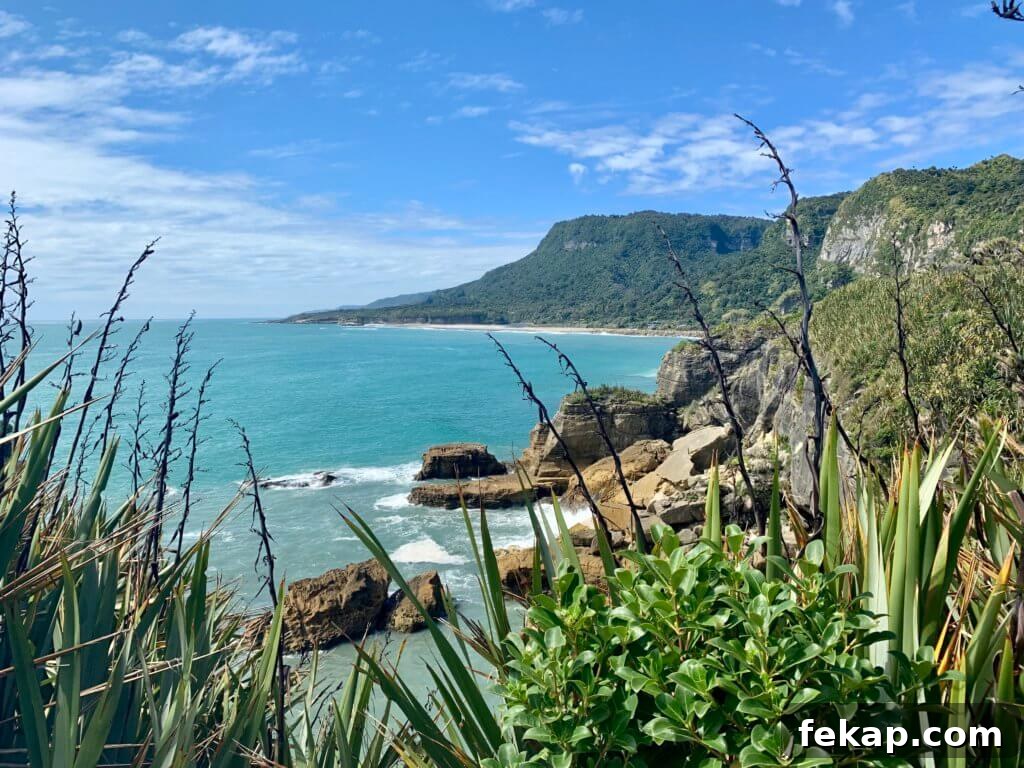
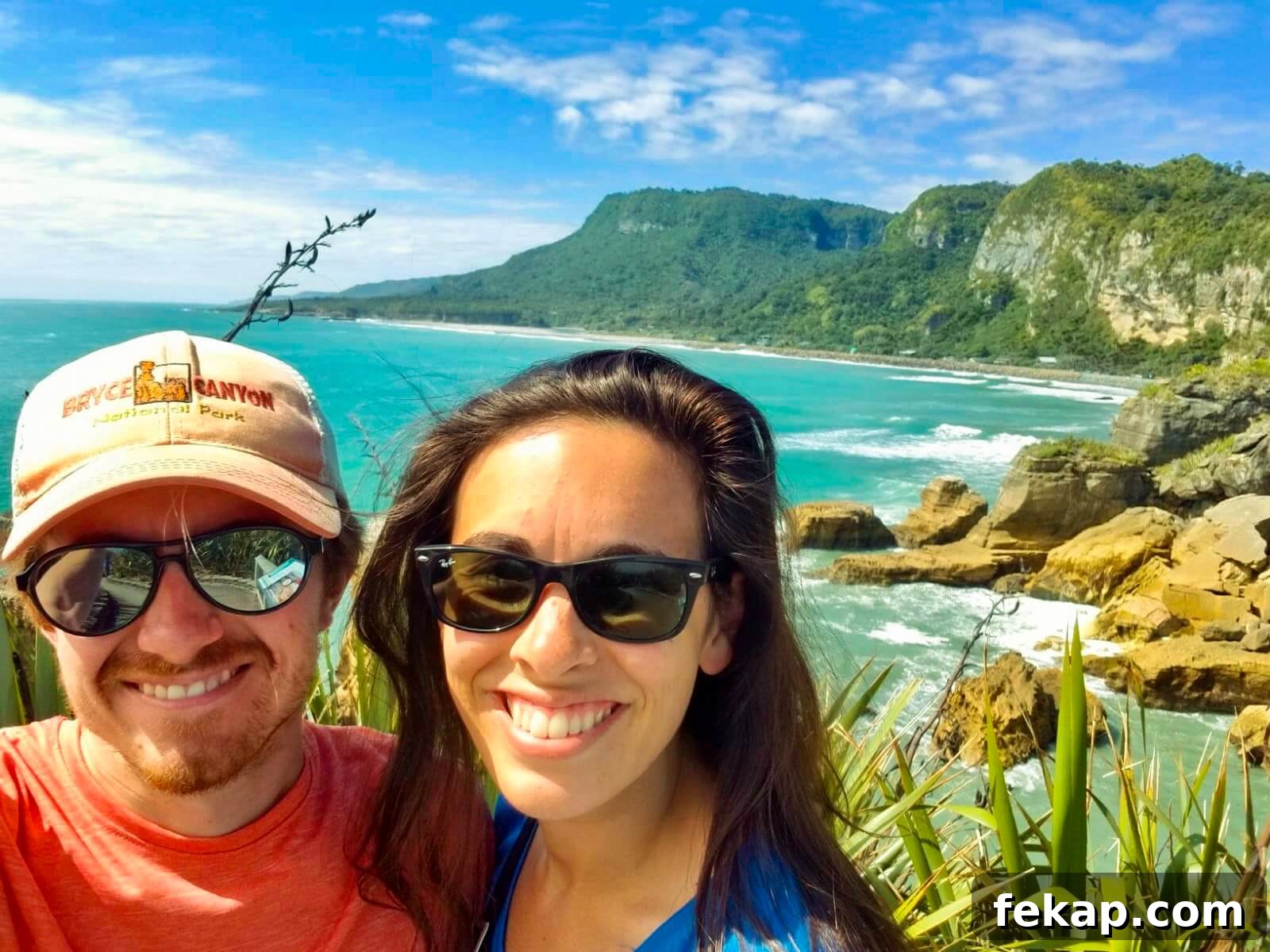
The west coast’s pancake-like limestone formations are easily explored on short coastal walks that showcase dramatic sea views and blowholes.
Saving Money in New Zealand: Final Thoughts
Hiking, cooking meals, and choosing budget accommodation allowed us to experience much of the South Island without breaking the bank. With a total two-week spend of about $1,800 USD, we saw lakes, glaciers, fiords, and coastal rock formations and enjoyed one memorable paid excursion. If you want to travel New Zealand on a budget, prioritize the free outdoor experiences the country is famous for and be selective about paid activities.
Have you been to New Zealand?
What tips helped you save money there?