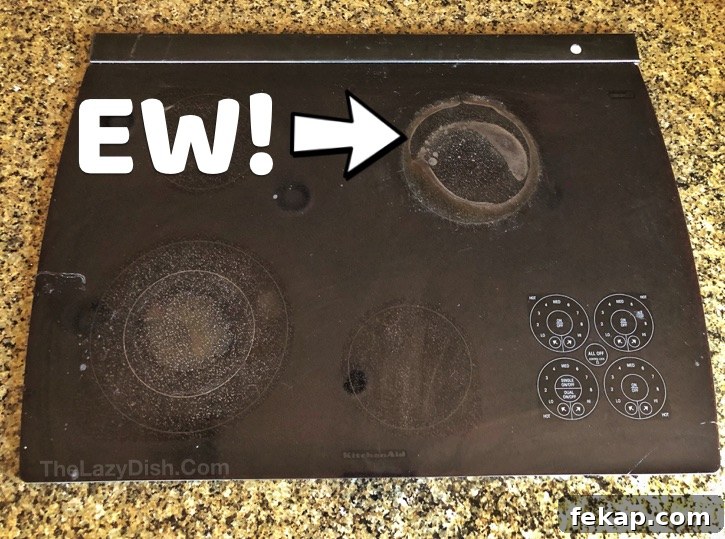
Cleaning Hack: How To Clean Your Glass StoveTop With Vinegar & Baking Soda
If you have a glass stovetop, you know how frustrating spills and burnt-on messes can be.
Boiled-over pots, splattered sauces, spilled milk or sugary liquids can leave a stubborn, baked-on residue that is hard to remove with a simple wipe. The good news: with two common pantry ingredients—white vinegar and baking soda—you can lift a lot of that grime without harsh chemicals or special cleaners.
This method is economical, gentle on most glass cooktops when used correctly, and avoids abrasive scrubbing that can scratch the surface. Read the steps below and follow the precautions to get a clean, gleaming stovetop.
Don’t worry if your cooktop looks messy—this technique works on light to moderate burned-on spills and everyday grime.
Before starting, make sure the surface is cool to the touch. If any burners are hot, wait until everything has fully cooled. For safety, remove heavy pots, pans or cookware and unplug or turn off any controls as needed.
You will need:
-
A cold, dirty stovetop
-
White vinegar (distilled)
-
Baking soda (sodium bicarbonate)
-
Hot water (near boiling, used with care)
-
A clean towel or microfiber cloth
-
Optional: a little dish soap and a soft scrub brush or non-abrasive pad for stubborn spots
1. Spray or pour white vinegar over the entire stovetop.
Use a spray bottle for even coverage. If you don’t have one, pour a small amount and spread it with a cloth. Vinegar’s mild acidity helps dissolve mineral deposits and loosens greasy residue, preparing the surface for the next step.
2. Sprinkle a generous layer of baking soda over the vinegar.
The baking soda will react with the vinegar, fizzing slightly. This fizz helps lift dried-on food and stains. Spread the powder to cover problem areas, but avoid rubbing at this stage—let the reaction do the work.
3. Cover the stovetop with a hot, damp towel.
Soak a towel in very hot water (be careful when handling hot water), wring it out so it is damp but not dripping, and place it over the baking soda and vinegar. The retained heat and moisture help soften baked-on residue and keep the cleaning agents working.
4. Let it sit for about 15 minutes, then wipe clean.
After soaking, use the towel to gently scrub and wipe away the loosened gunk. For most spills, the residue should lift easily. Rinse the towel and repeat if needed. Wipe the surface with a clean damp cloth to remove any remaining baking soda or vinegar.
5. For stubborn spots, use dish soap and a soft scrubber.
If small areas remain, apply a drop of dish soap and gently scrub with a soft-bristled brush or a non-abrasive pad designed for glass cooktops. Avoid metal scouring pads, sharp scrapers or harsh powders, as these can scratch the glass. Rinse thoroughly and dry with a microfiber cloth for a streak-free finish.
Enjoy a clear, shiny stovetop again—cleaning doesn’t have to be complicated.
Once your cooktop is clean and dry, you can take a moment to appreciate the results. For ongoing maintenance, wipe the surface after each use with a damp cloth to prevent buildup, and deal with spills when they are still warm (but not hot) for easier removal. Regular gentle cleaning reduces the need for heavier treatments.
This vinegar and baking soda approach is an effective, natural option for many glass stovetops. If your manufacturer recommends a specific cleaner, follow those instructions to preserve warranties and finishes. Otherwise, this simple hack offers a low-cost, eco-friendly way to keep your stove looking its best.
Now, reward yourself with a short break—and maybe a glass of something refreshing—after tackling that mess.