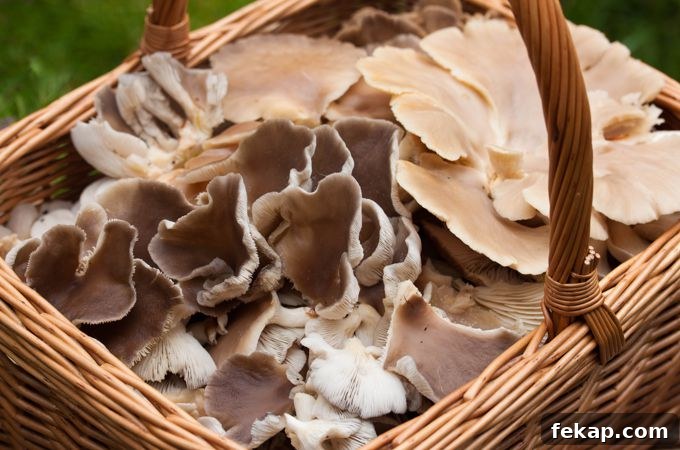
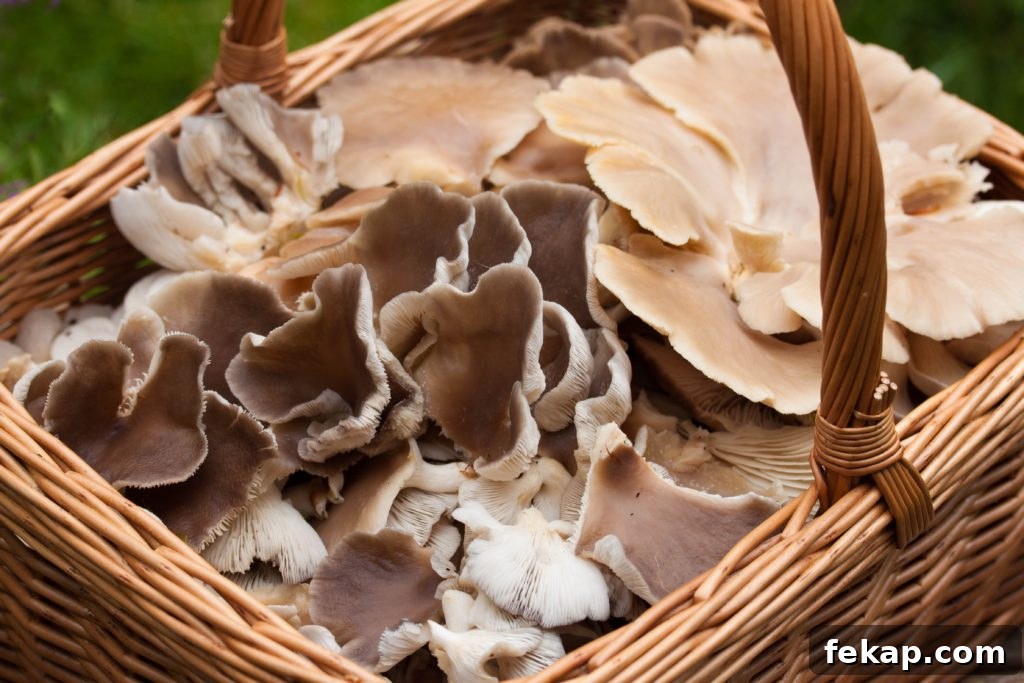
Oyster mushrooms (Pleurotus ostreatus) are a rewarding find for mushroom foragers. Unlike many fungi that appear only in a narrow season, oysters can fruit at various times of the year, responding more to local weather shifts than to a fixed calendar. You might encounter them after a warm, wet spell in spring, following the first frost of autumn, or even during winter if conditions are right. Learning to read local weather patterns and checking promising habitats regularly will greatly improve your chances of finding them.
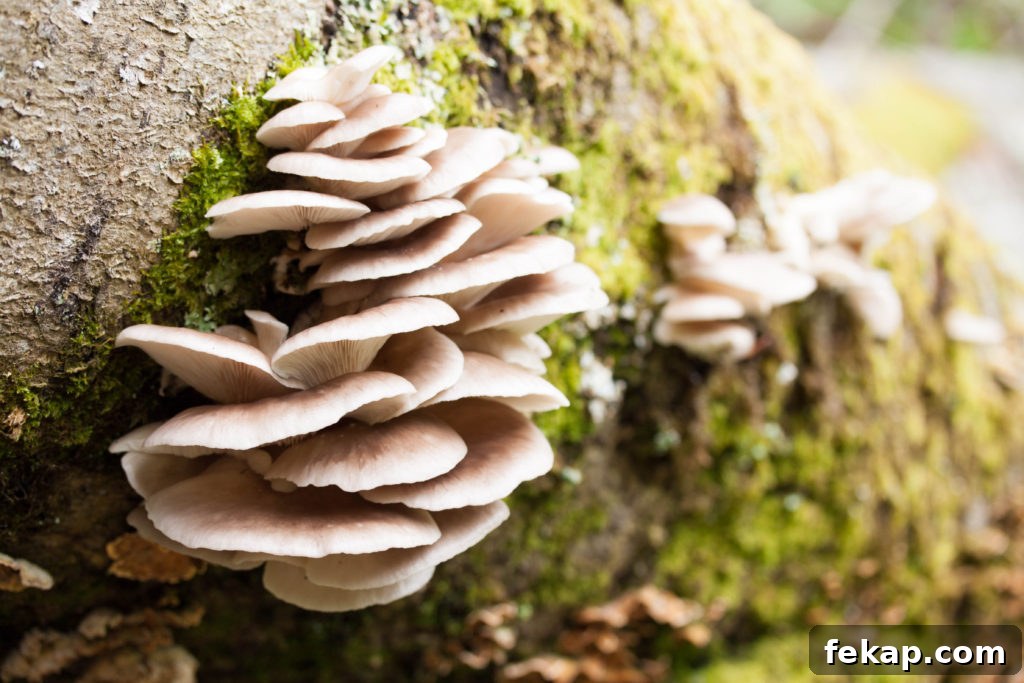
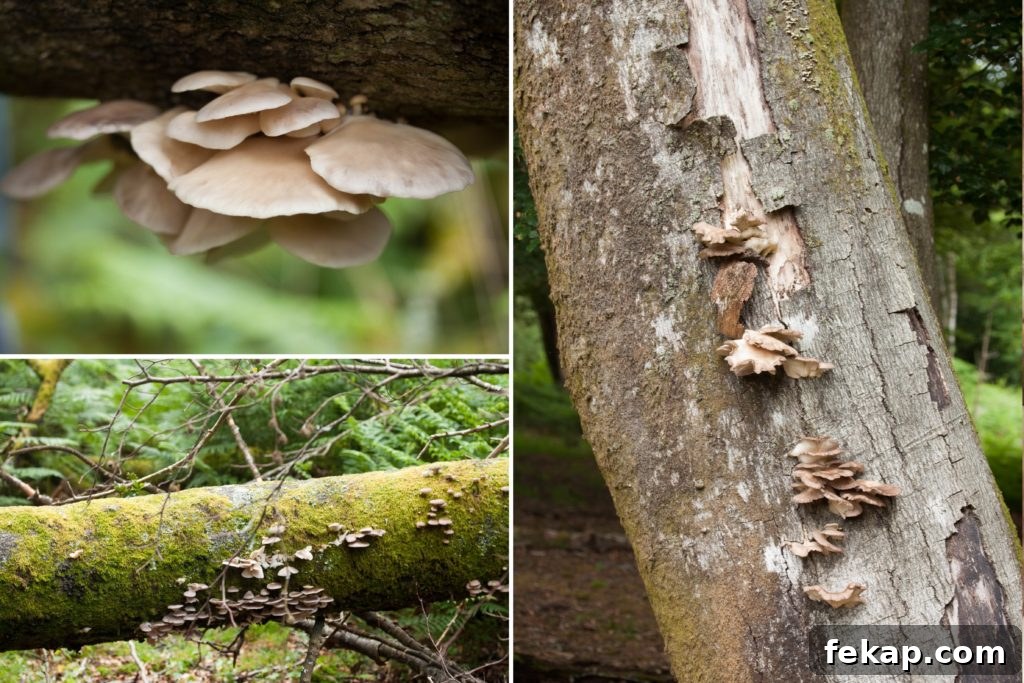
Ecologically, oyster mushrooms are saprotrophs: they decompose dead and decaying wood, helping to recycle nutrients and keep forests healthy. They prefer deciduous trees—beech and oak are common hosts—and are often abundant on fallen trunks or branches that have been decaying for a couple of years. They do not typically act as parasites that kill living trees, but rather as important decomposers on already weakened or dead wood.
Mushroom Etiquette
When harvesting any wild mushroom, including oysters, respect for the ecosystem should come first. Cut mushrooms cleanly from their substrate with a knife rather than tearing them off; this minimizes damage to the underlying mycelial network and helps ensure future fruitings. Avoid trampling surrounding vegetation and take care not to damage the tree or log where the cluster grows. Leave older, spore-producing specimens in place when possible—they help sustain the population. Always follow local rules for foraging on public or private land.
Where to Look
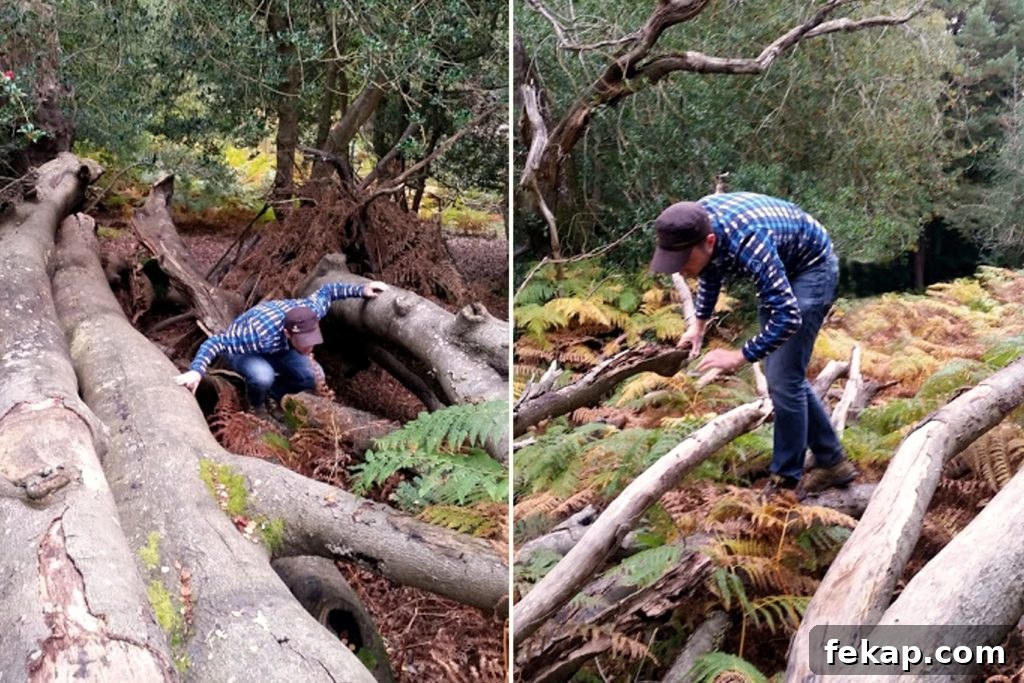
Oyster mushrooms are most commonly found in open, leafy forests with a good mix of deciduous trees. Key tips for locating them:
- Search fallen or dead beech and oak trees, or other deciduous wood. Toppled trunks and large branches are prime locations.
- Check shaded undersides and the sheltered base of logs—oysters often prefer cooler, protected spots.
- Go out after a weather change: warm, wet periods in spring or early summer, or the first cold snaps of autumn, can trigger abundant fruiting.
- Look for young clusters. Oyster mushrooms grow very quickly and can become tough or develop an off flavor if left too long.
- When you find one cluster, scan the surrounding area carefully. If conditions are right, you can often collect several kilos from the same log or nearby trees.
Identifying Oyster Mushrooms
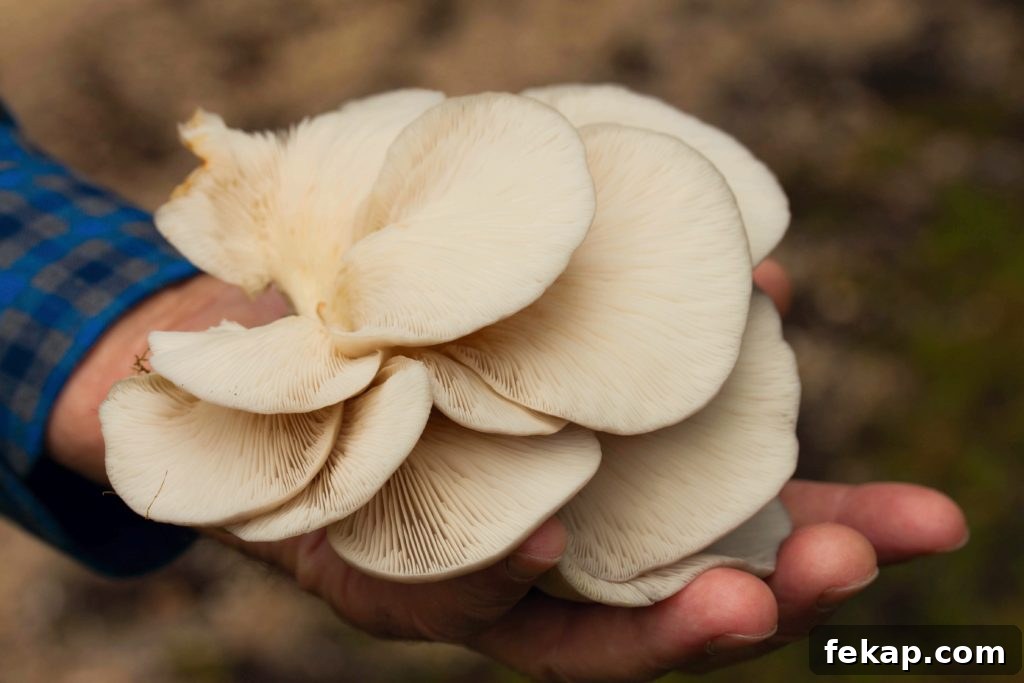
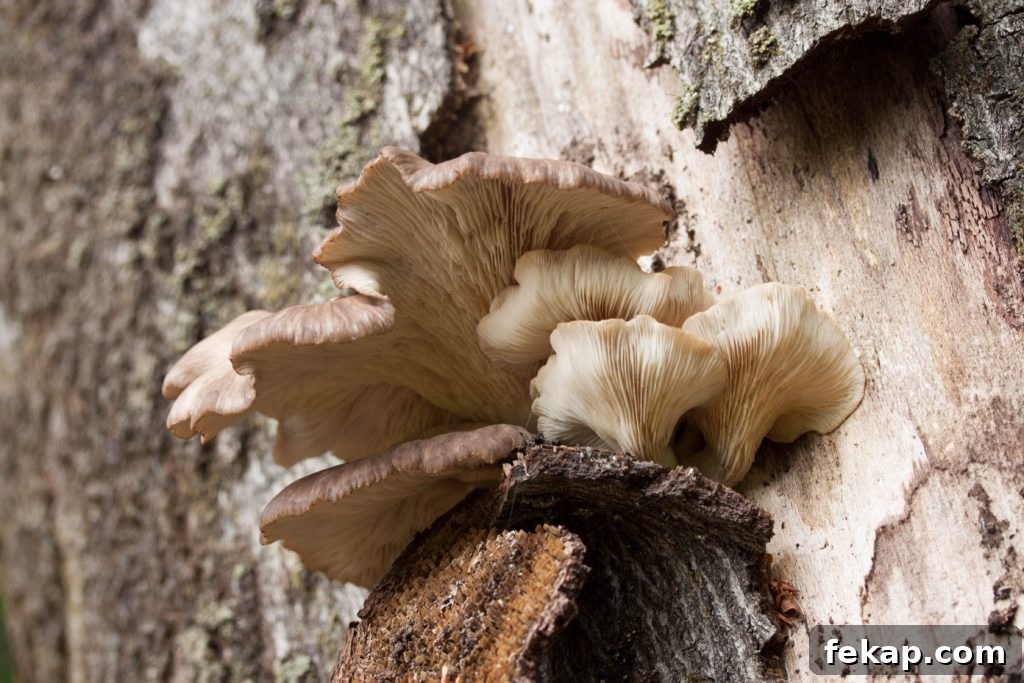
Oyster mushrooms get their name from the shell-like, fan-shaped cap. Typical identification features include:
- Cap shape and size: broad, fan- or oyster-shaped caps typically 5–25 cm across.
- Color: ranges from white and gray to tan and dusky pink. Color can vary with age and environment.
- Gills: white to cream-colored gills running down a short or absent stem—this is a key characteristic.
- Smell: a pleasant, slightly almond-like fragrance when young.
In Europe, oyster mushrooms have few dangerous lookalikes, but caution is needed elsewhere. In North America, avoid yellow, brightly colored clusters that could be Omphalotus species (jack-o’-lantern), which are poisonous. In regions such as Australia and parts of Asia, Omphalotus nidiformis (the ghost mushroom) can resemble oysters and should be treated with care. If you are unsure about a specimen, consult a local expert or field guide before eating it.
Harvesting and Preservation
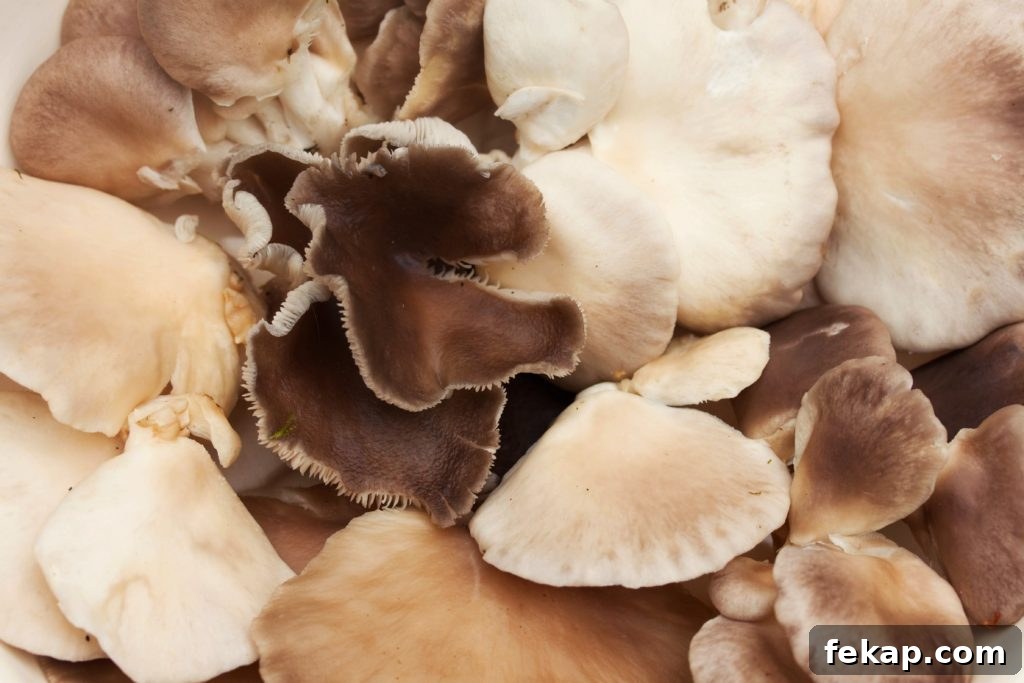
Harvesting oysters is straightforward when done carefully. Cut individual clusters at their base with a sharp knife, selecting younger, firm caps for best texture and taste. Older caps tend to be leathery and are better left to release spores.
Preserving oyster mushrooms is easy and versatile:
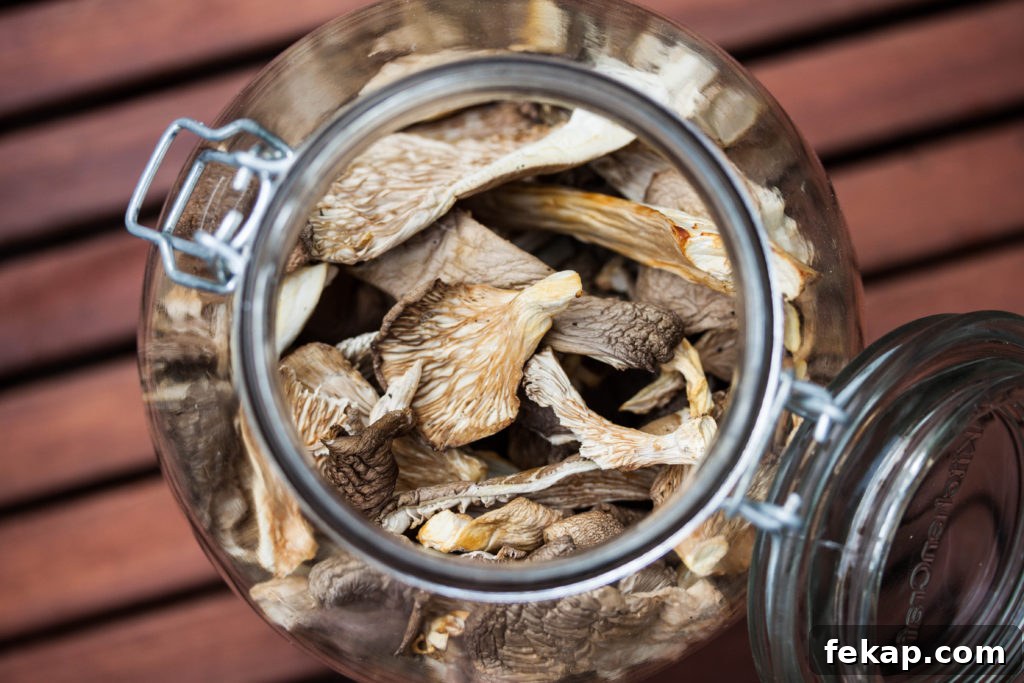
- Dehydrating: a common and effective method. Dried oyster mushrooms rehydrate well for stir-fries and soups. Soak in cold water for a few hours or pour boiling water over them and steep for about 10 minutes if you need them quickly.
- Freezing: blanch briefly, cool, and freeze for later use.
- Pickling: works well for flavoring and extending shelf life.
- Powdering: grind dried mushrooms into powder to use as a seasoning or flavor enhancer.
Oyster mushrooms are a forgiving and productive species for both novice and experienced foragers. They often require minimal cleaning and can provide generous yields in a short time. With careful identification, respectful harvesting, and proper preservation, they make an excellent wild ingredient to enjoy year-round.