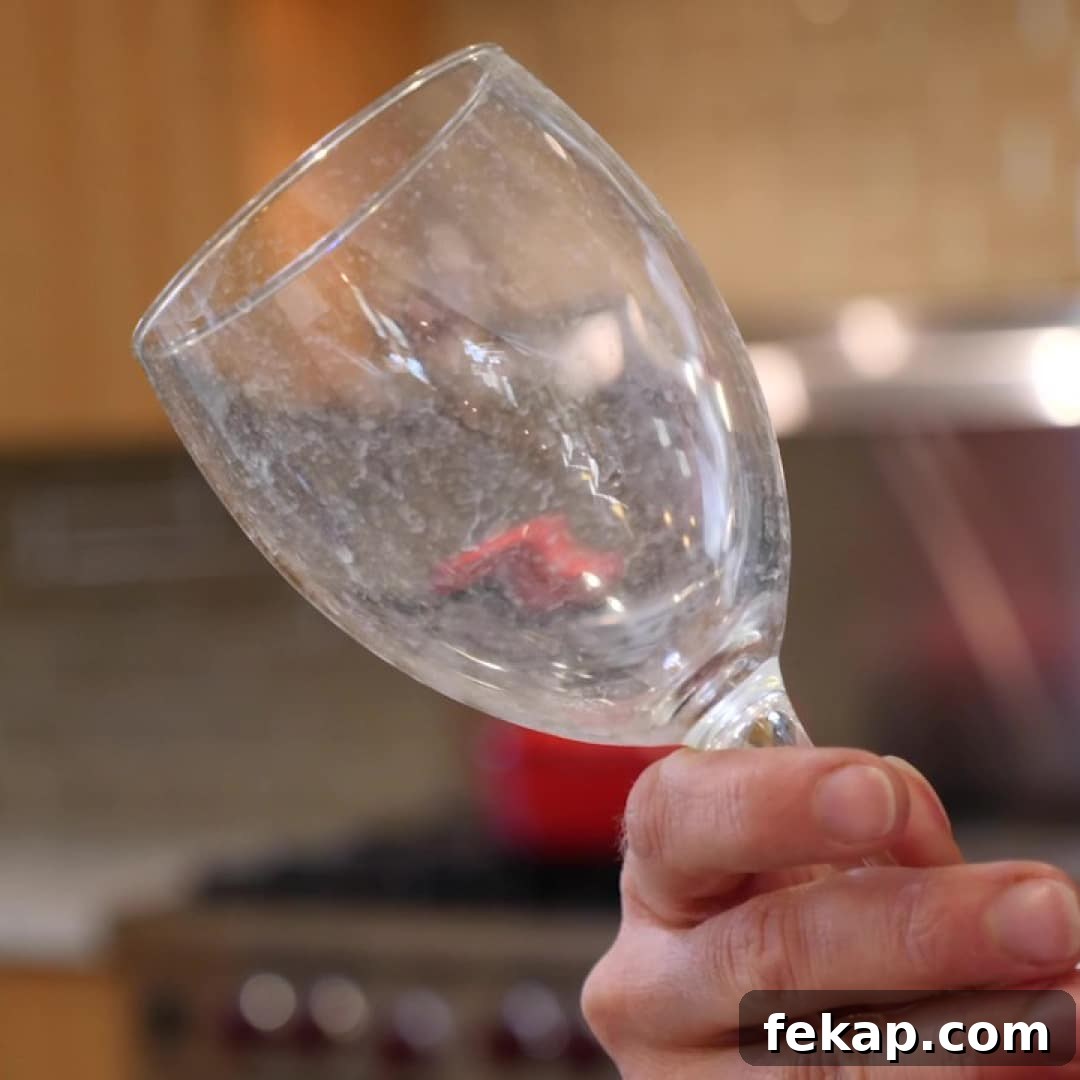
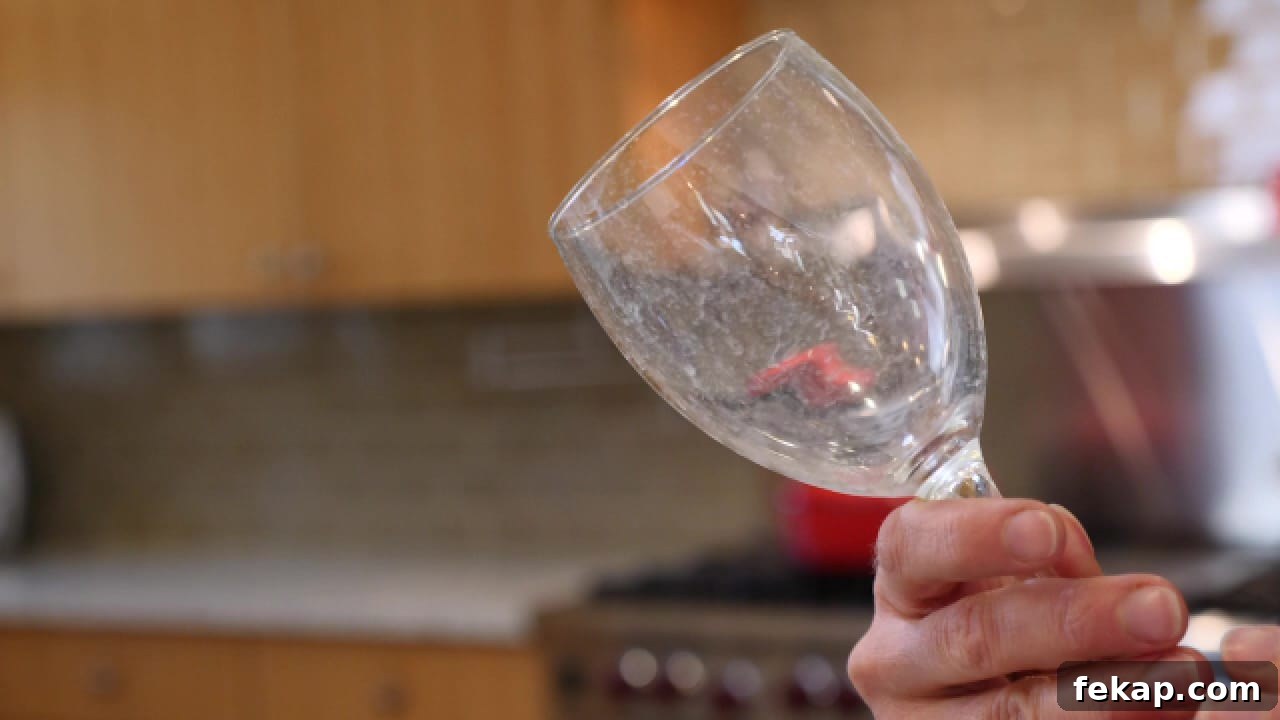
Full disclosure: I’m revisiting a topic I first covered seven years ago, back when we filmed with a phone, no microphone, and did the whole thing in one continuous take. That original clip—awkward sound and all—has been watched more than 190,000 times. It felt like the right moment to refresh the explanation and present it more clearly.
Hard water is simply water with higher concentrations of dissolved minerals, primarily calcium and magnesium. The more of these minerals present, the “harder” the water behaves. Those minerals are harmless to health in most cases, but they change how soaps react and how surfaces look after cleaning.
This quick kitchen test uses a true soap to reveal the presence of mineral ions in your water. The chemistry is straightforward: authentic soap molecules react with calcium and magnesium in hard water and form a whitish precipitate. That precipitate is familiar to many of us as soap scum on tubs, sinks, and shower doors. When you mix a true Castile soap into hard water, you may also notice a cloudy layer that eventually settles — mineral fallout that reduces the soap’s cleaning effectiveness.
The hard water test
What you need: a clear drinking glass and a true soap (for example, a Castile liquid soap). Be aware that synthetic detergents, shower gels, or modern cleansing gels will not give the same result because they don’t form the same precipitate with hard-water minerals.
How to test:
- Fill a clear glass with tap water.
- Squirt a little genuine soap, such as a Castile liquid soap, into the glass.
- Watch what happens. If the soap becomes cloudy and forms flecks or a film as it enters the water, you have hard water. If the soap stays mostly clear and swirls without clouding, your water is likely soft or low in minerals.
That’s the whole test. It’s simple and binary: it tells you whether mineral ions are present in quantities that interfere with soap, but it won’t measure how hard the water is. Still, it’s an excellent, low-effort way to check your water quality at home and a fun little chemistry experiment to do with children. It can also help you determine whether a cleanser is a true soap or a modern detergent based on how it reacts.
Remedies if you have hard water
If your water tests as hard, you’ll notice a few common effects. Below are straightforward remedies you can try without major equipment.
Laundry: Hard water can make it harder to rinse soap from fabrics, leading to stiffness or residue.
- Remedy: Add about ½ to 1 cup of vinegar to the rinse cycle to help remove mineral residues and soften fabrics.
Shiny bathroom surfaces: Mineral buildup often shows up as soap scum or cloudy rings around tubs and sinks.
- Remedy: Wipe surfaces dry after use, and clean weekly with a 50% vinegar spray to break down mineral deposits. For tougher scum, use a gentle abrasive cleaner or a homemade soft-scrub mixture designed for bathroom cleaning.
Hair: Hard water can make hair feel stiff or slightly sticky after washing with soap.
- Remedy: Rinse hair with a mildly acidic solution after washing to neutralize mineral residues. A diluted apple cider vinegar rinse or a commercial acidic hair rinse diluted in water will help restore softness and shine.
These steps won’t eliminate hard water, but they make day-to-day living with mineral-rich water more pleasant and effective. A whole-house water-softening system is another option if you want to remove minerals entirely, but many people find simpler remedies solve most cosmetic and cleaning problems.
Despite the inconveniences, hard water isn’t necessarily all bad. Those minerals can have benefits for skin and overall mineral intake in small amounts, and I’ve been thinking about the trade-offs between convenience and natural mineral content. I’ll share more thoughts when I’ve pulled them together.
Further reading
- Scum, Scum Go Away
- Sal Suds or Castile Soap – Which to Use
- The Chemistry of Water
Many of these tips and uses are included in my book, Soap & Soul: A Practical Guide to Minding Your Home, Your Body, and Your Spirit with Dr. Bronner’s Magic Soaps, available in hardback, eBook, and audiobook formats. The book expands on practical cleaning, personal care, and simple household chemistry that helps you get the most from traditional soaps and gentle cleaners.