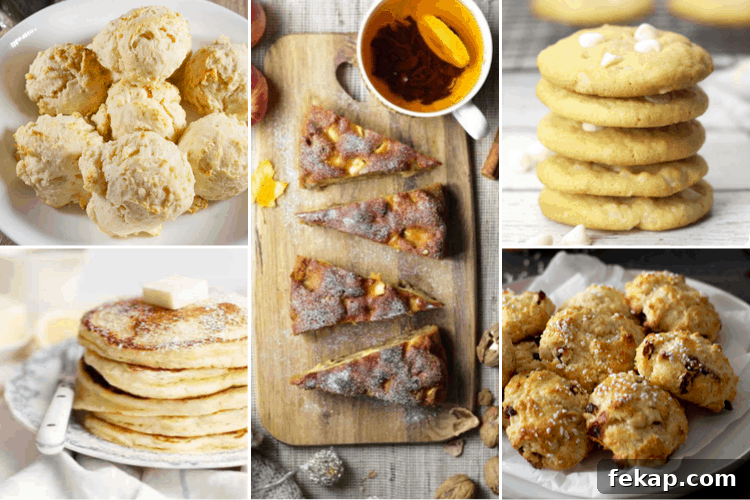
If you’ve ever seen the term “quick bread recipe” and wondered, what are quick breads? This guide will answer that question. You’ll learn the definition of quick breads, the main types of quick breads, and the four mixing methods used to make them, with plenty of examples and recipe ideas to inspire your baking.
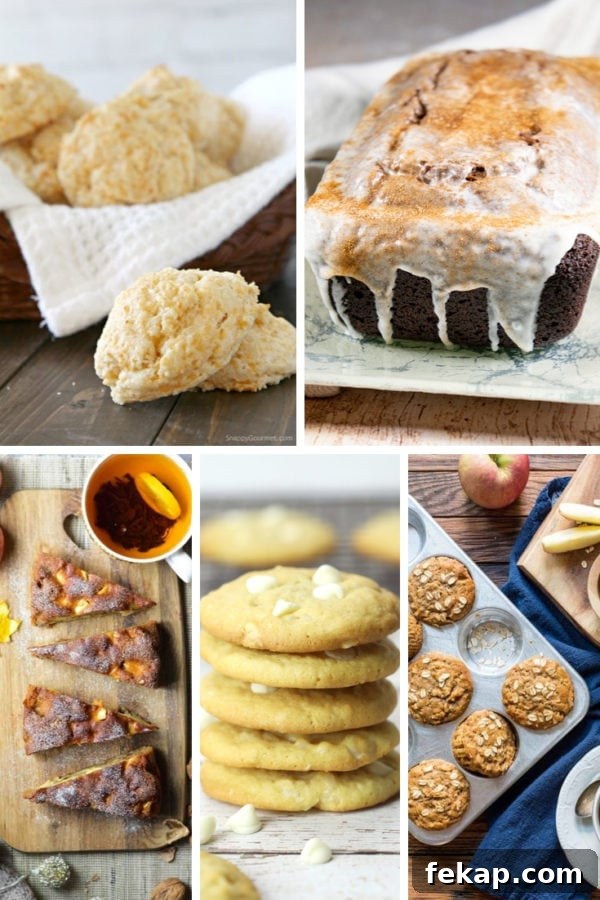
As autumn arrives, countless warm, fragrant baked goods appear everywhere—and quick breads are among the season’s favorites. But what exactly counts as a quick bread? Are they sweet loaves with sticky tops, bundt cakes, or even cookies? The short answer: yes. “Quick bread” is a broad category that includes many shapes and flavors. If it rises with chemical leavening rather than yeast, it usually falls into this group.
Quick Breads Definition
The term “quick bread” refers to baked goods that use chemical leavening agents—typically baking soda and/or baking powder—instead of yeast for rise. This category covers a wide range of items: muffins, pancakes, biscuits, cookies, loaves, and many cakes. Eggs may be used to add lift or structure, but a chemical leavener must be present for a recipe to be considered a quick bread.
Two common chemical leavening agents are:
Baking Soda (Sodium Bicarbonate) – Baking soda is alkaline and needs an acidic partner in the batter to react and create bubbles. Typical acidic ingredients include buttermilk or yogurt, natural cocoa or chocolate (not Dutch-processed), fruit juice, and brown sugar or molasses. The reaction begins immediately, so batters containing baking soda should be baked soon after mixing to retain maximum rise.
Baking Powder – Baking powder contains both an alkaline component and an acid, so it provides rise on its own. Most home bakers use double-acting baking powder, which reacts once during mixing and again with heat in the oven, ensuring more reliable rise for many quick breads.
Examples of Quick Breads
Since quick breads are defined by their leavening method rather than a single form or flavor, the variety is enormous. Examples include:
- Muffins
- Cakes
- Brownies
- Pancakes
- Donuts
- Waffles
- Scones
- Biscuits
- Cookies
- Loaf breads
Anything sweet or savory that relies on baking soda or baking powder for lift can be considered a quick bread, which explains the category’s remarkable range.
Types of Quick Breads – Organizing by Mixing Method
Quick breads are simply different ratios and mixing methods of the same core ingredients: flour, liquid, fat, sweetener, leavening, and flavor. Organizing recipes by mixing method helps you understand how to achieve the texture you want. Learn these four basic approaches and you’ll be able to adapt recipes and experiment confidently.
1. Straight Mixing Method
Often called the two-bowl method, the straight mixing method involves combining all dry ingredients in one bowl and all wet ingredients in another, then gently folding them together to form a batter. This technique typically yields pourable or scoopable batters like muffins, quick loaves, pancakes, and drop biscuits.
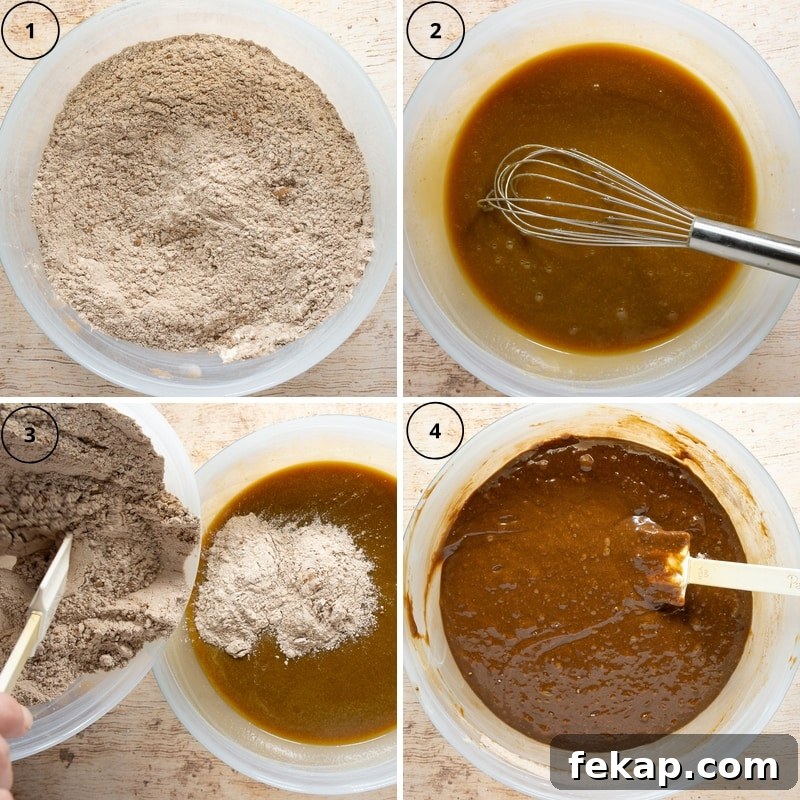
- Don’t overmix—leave small lumps; overworking develops gluten and can make quick breads tough.
- Mix just until the dry ingredients are moistened; avoid long stirring after flour is added.
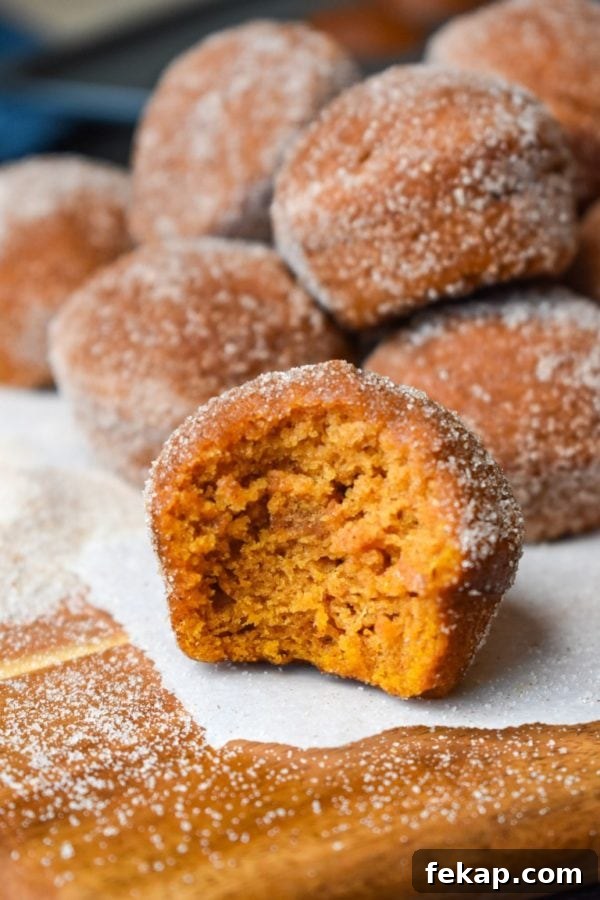
Popular straight-mix quick breads include Healthy Pumpkin Bread, Chocolate Gingerbread Loaf, Blueberry Orange Bread, Pumpkin Churro Mini Muffins, Apple Cinnamon Oat Muffins, Cornbread Muffins, Buckwheat Pancakes, Lemon Ricotta Pancakes, and simple Drop Biscuits.
2. Creaming Method
The creaming method starts by beating sugar and butter (or another fat) together until light and airy. Those tiny air bubbles help create a tender, light crumb once chemical leaveners and other ingredients are added. The creaming method is common for cookies, pound cakes, and many loaf-style quick breads.
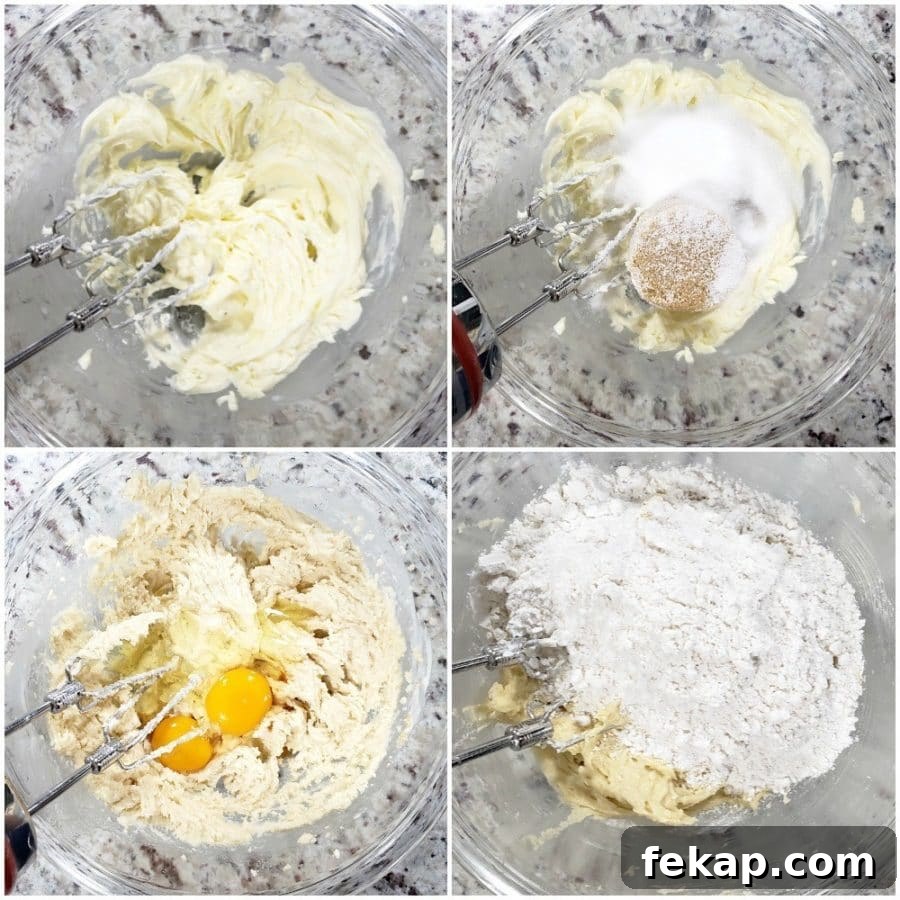
Recipes that use creaming include chewy lemon poppy seed cookies, white chocolate macadamia nut cookies, tropical banana bread, spice cupcakes with cream cheese frosting, peanut butter quick bread, and classic sugar cookies.
3. Foaming Method
The foaming method builds structure and lift by beating eggs and sugar together until light and voluminous. This technique creates an airy batter and is often used for sponge cakes, chiffon cakes, and some delicate loaf cakes. When a chemical leavener is included alongside aerated eggs, the result can be especially stable and fluffy.
-

Eggs and sugar are the beginning of the foaming method. -
Well-aerated eggs create a light texture in cakes.
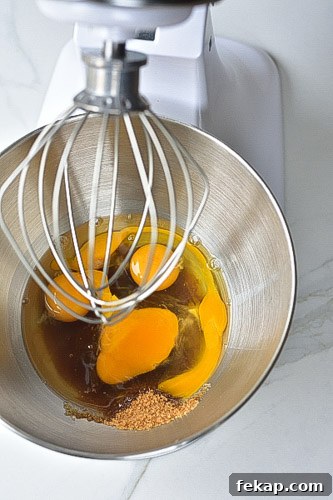
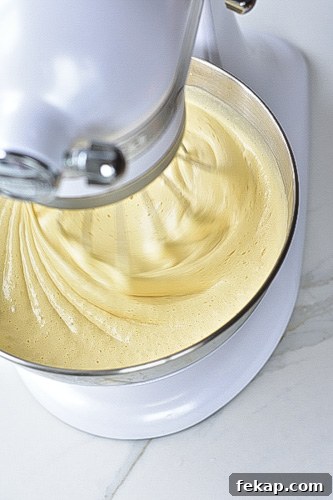
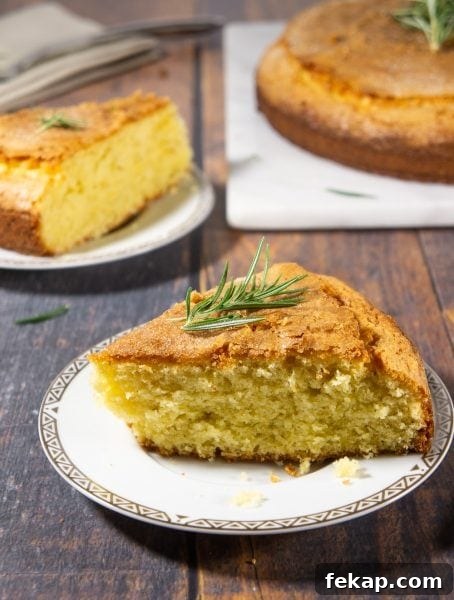
Examples using this approach are rosemary olive oil cake, apple walnut cake with honey, and classic chiffon cake—each showing how egg foam produces a fine, tender crumb.
4. The Shortening Method (Cutting Fat Into Flour)
The shortening method involves cutting cold fat (butter or shortening) into dry ingredients until the mixture resembles coarse crumbs. Liquid is added to bind the dough, resulting in flaky, tender quick breads like biscuits, scones, and some coffee cakes. This method is often done with a pastry cutter, two knives, a food processor, or by hand.
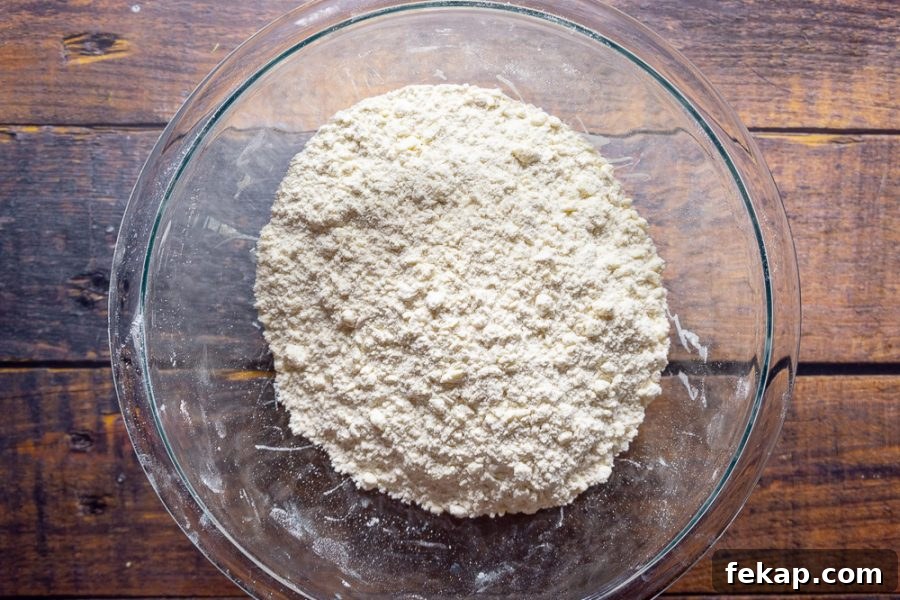
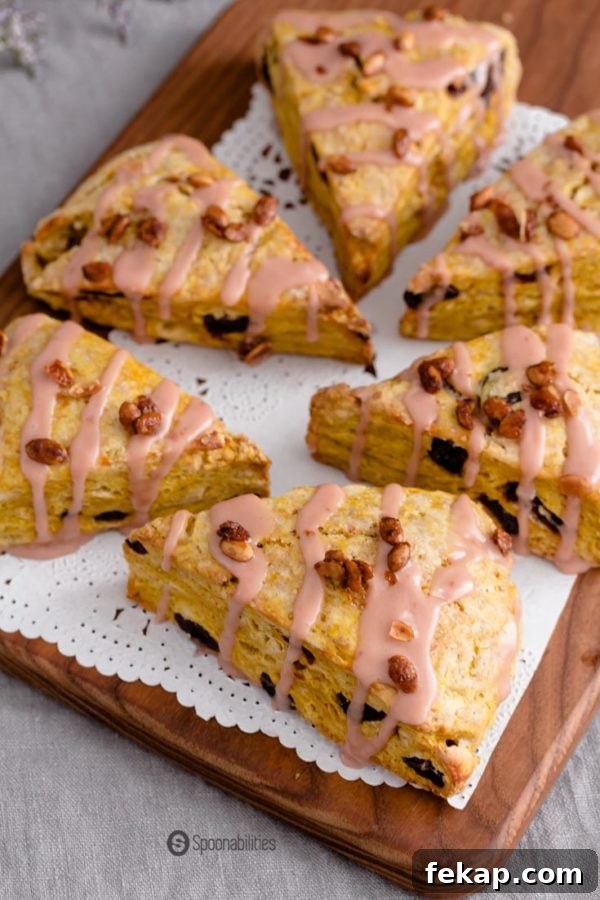
Recipes showcasing this method include pecan blackberry coffee cake, white chocolate cranberry scones, jalapeño cheddar Irish soda bread, gluten-free strawberry shortcakes, garlic cheddar drop biscuits, and cherry pumpkin scones.
Why We Love Quick Breads
The limitless combinations of flavor, texture, and shape make quick breads a beloved choice for home bakers. They deliver homemade goodness in far less time than yeast-risen breads, and they adapt easily to different dietary needs, seasons, and occasions. Whether you choose a straight-mixed muffin, a creamed loaf, a foamed sponge, or a flaky scone, quick breads bring warmth and comfort to breakfasts, potlucks, and weeknight dinners.
Try different mixing methods to see how they affect texture, experiment with spices, fruits, and nuts, and enjoy the variety that no-yeast baking offers. Happy baking!
Save this guide for later
Other Food Guides You May Enjoy
- The Difference Between Jams & Jellies — a guide to home preservation.
- Types of Bell Peppers — ideas for roasting and cooking with peppers.
- Cooking with Chocolate — a beginner’s guide to working with chocolate.
- Summer Berries — a complete guide to using fresh berries.
- How to Make Roux — techniques for thickening sauces and soups.
- How to Make Simple Syrup — basic syrup and infusion ideas.
- How to Make Shortbread Cookies — tips for a buttery classic.
Originally published 10/30/2017, updated 10/11/2019