The idea for me is just getting outside and making great food and great memories with your friends and having a ball doing it.
I’m back with Greg Rempe, the host of BBQ Central, for a relaxed conversation about cookers, technique, and a few of the debates that keep backyard cooks talking. We cover the practical differences between true barbecue and quick grilling, why I often reach for a sous vide for thicker cuts, and how to finish those sous vide steaks on the grill so you don’t miss out on a great crust.
If you read my corned beef post, you already know I’m on Team Sous Vide for certain applications. In the episode, Greg and I dig into the reasons this method works so well for thicker, premium cuts like filet mignon: consistent temperature control, edge-to-edge doneness, and the ability to lock in juices and build subtle flavor without risk of overcooking. Sous vide is also a great tool when time is tight; set the bath, go about your day, and come back to meat that’s evenly cooked and ready for a quick sear.
That said, I’m not abandoning the grill. When the weather and schedule allow, I’ll happily fire it up. The grill brings smoke and charring that sous vide alone can’t provide. My preferred approach is to use sous vide for perfect internal doneness and then finish on the grill to create the texture and caramelized crust that make a steak sing. A high-heat sear or a brief session on a hot grate adds Maillard flavors that complement what you achieved in the bath.
We also touch on some of the lighter, more playful topics—and I give a few quick tips for multi-purpose use of your gear. One trick I mentioned was using the sous vide bath to infuse vodka: the controlled warmth speeds extraction of flavor from ingredients while keeping alcohol loss minimal. It’s a simple way to make flavored spirits for cocktails without extra fuss, and it’s a good example of how tools can serve multiple purposes in the kitchen and backyard.
Greg and I debate the importance of grill marks, and our consensus is practical: attractive sear lines can make a plate look great, but they’re not the only indicator of quality. Even heat, a proper crust, and balanced seasoning matter more to texture and flavor than crosshatch lines. Focus on overall technique—temperature control, resting, and finishing—rather than obsessing over perfect grill marks.
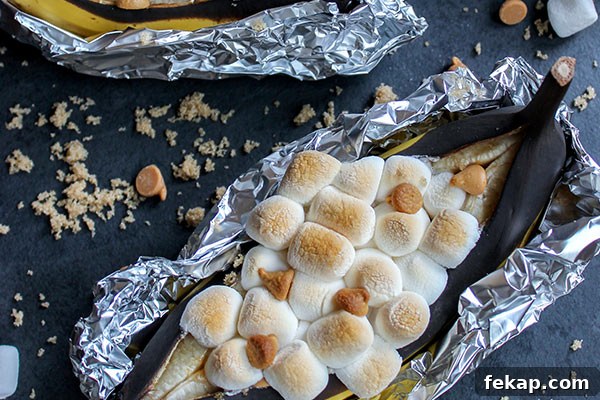
We also get creative about what belongs on the grill. Vegetables, fruit, and even desserts can surprise you when touched by smoke and caramelization; one of my favorite examples is a grilled banana split, which I include in my book. Grilling adds depth to sweet elements and can transform simple ingredients into something special for a warm-night dessert or a fun twist on a classic.
The conversation is easygoing and practical—meant to help you think about when to use different tools and how to get the best results from each. Whether you’re weighing sous vide versus traditional grilling, trying new finishing techniques, or simply looking for inspiration for your next cookout, the episode offers tips you can put into practice right away.
Watch the interview below to hear more of our takeaways and to see some of the techniques in action: