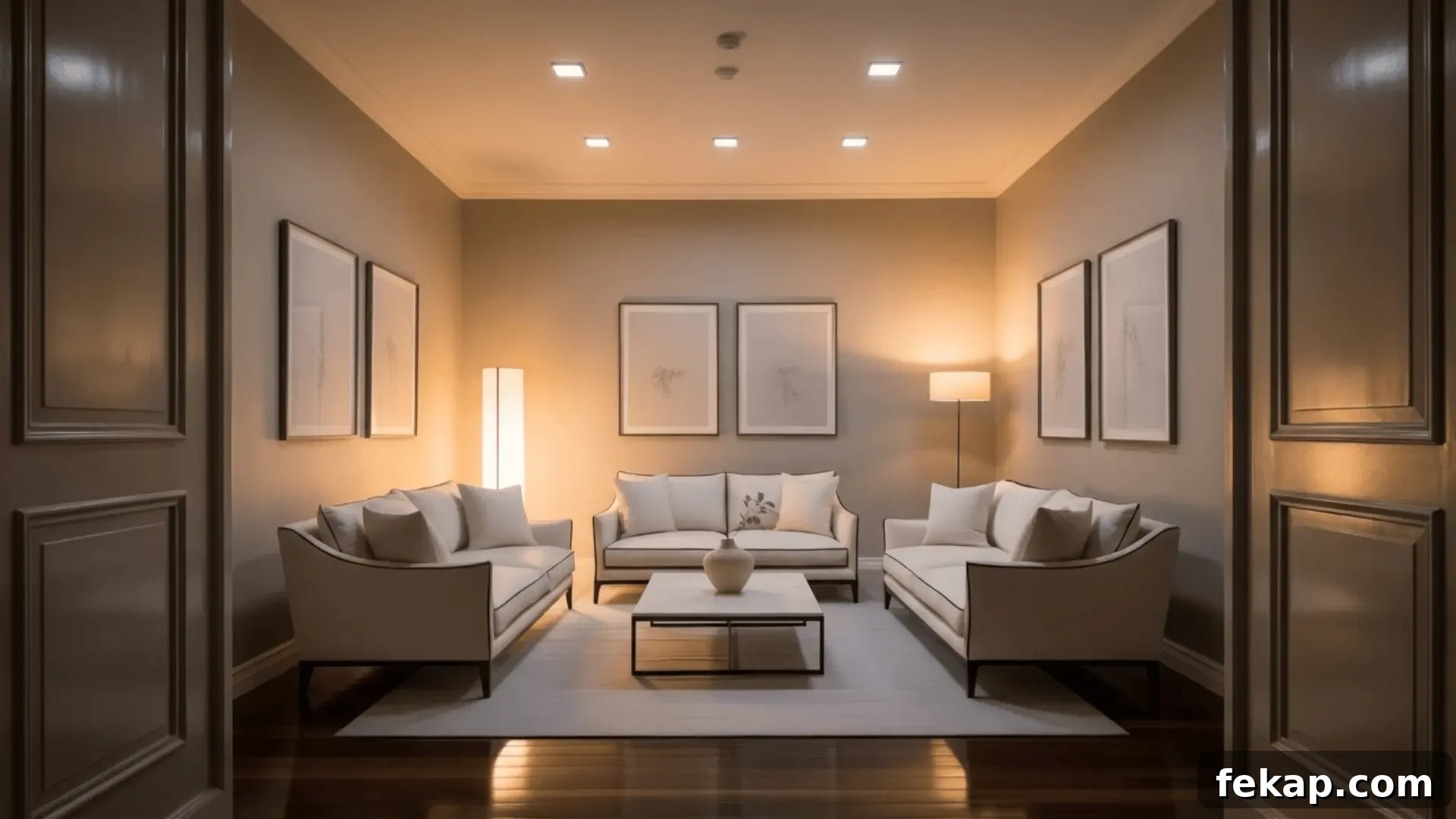
Many people hear the term and wonder how a drawing room differs from other living spaces. Understanding what a drawing room is clarifies its purpose and shows how home design has evolved.
Historically a formal area for guests, the drawing room’s role has shifted with changing lifestyles and modern floor plans. This article explains what defines a drawing room, how it contrasts with similar rooms, typical placement in a house, and how the concept appears in contemporary homes.
What is a Drawing Room?
A drawing room is a formal reception area in a house, intended primarily for receiving and entertaining visitors. It’s arranged to be welcoming yet presentable, creating a comfortable setting for conversation and small gatherings.
Unlike daily family rooms, a drawing room is often kept separate from private or casual spaces. While family members may use it occasionally, its main purpose is to offer a tidy, well-appointed area for guests.
In traditional homes the drawing room was more formal than other rooms, furnished and styled to make visitors feel respected. Today the distinction between drawing room and living room varies by region and household: in some places the terms are used interchangeably, while in others the drawing room retains a primarily formal function.
Where a Drawing Room is Usually Located in a House
Drawing rooms are typically positioned toward the front of the house so guests can be welcomed without passing through private family areas. Typical placements include:
- Near the main entrance or foyer
- Adjacent to a front hallway or reception area
- Connected to other formal rooms such as the dining room in larger homes
This layout preserves household privacy while giving visitors a comfortable, easy-to-access space for conversation.
The Origin and History of the Drawing Room
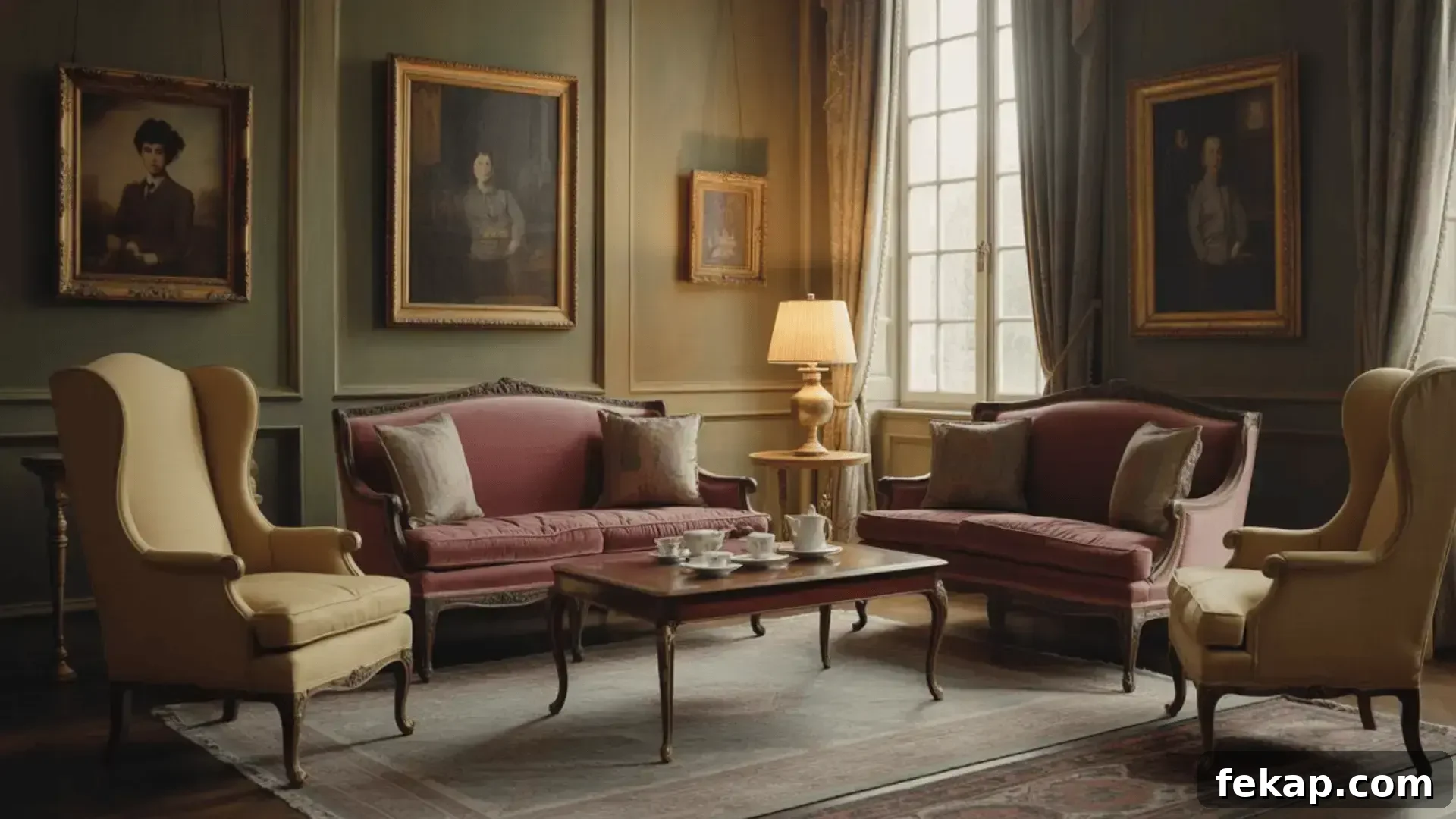
The phrase “drawing room” evolved from the older term “withdrawing room,” which described a private space where people would withdraw after dining or spending time in public parts of a house. From the 16th and 17th centuries onward, large homes commonly included distinct rooms for dining, entertaining, and private family use.
Over time the longer phrase shortened to “drawing room,” but the essential purpose remained the same: a quieter, formal room for conversation and visiting. As architecture and social customs changed, the drawing room persisted as a recognized element in many traditional layouts.
Key Features that Define a Drawing Room
Drawing rooms are designed to feel balanced, well-ordered, and slightly more formal than everyday family spaces. Their furniture, décor, and layout prioritize comfortable conversation and an inviting atmosphere.
Furniture Commonly Found in a Drawing Room
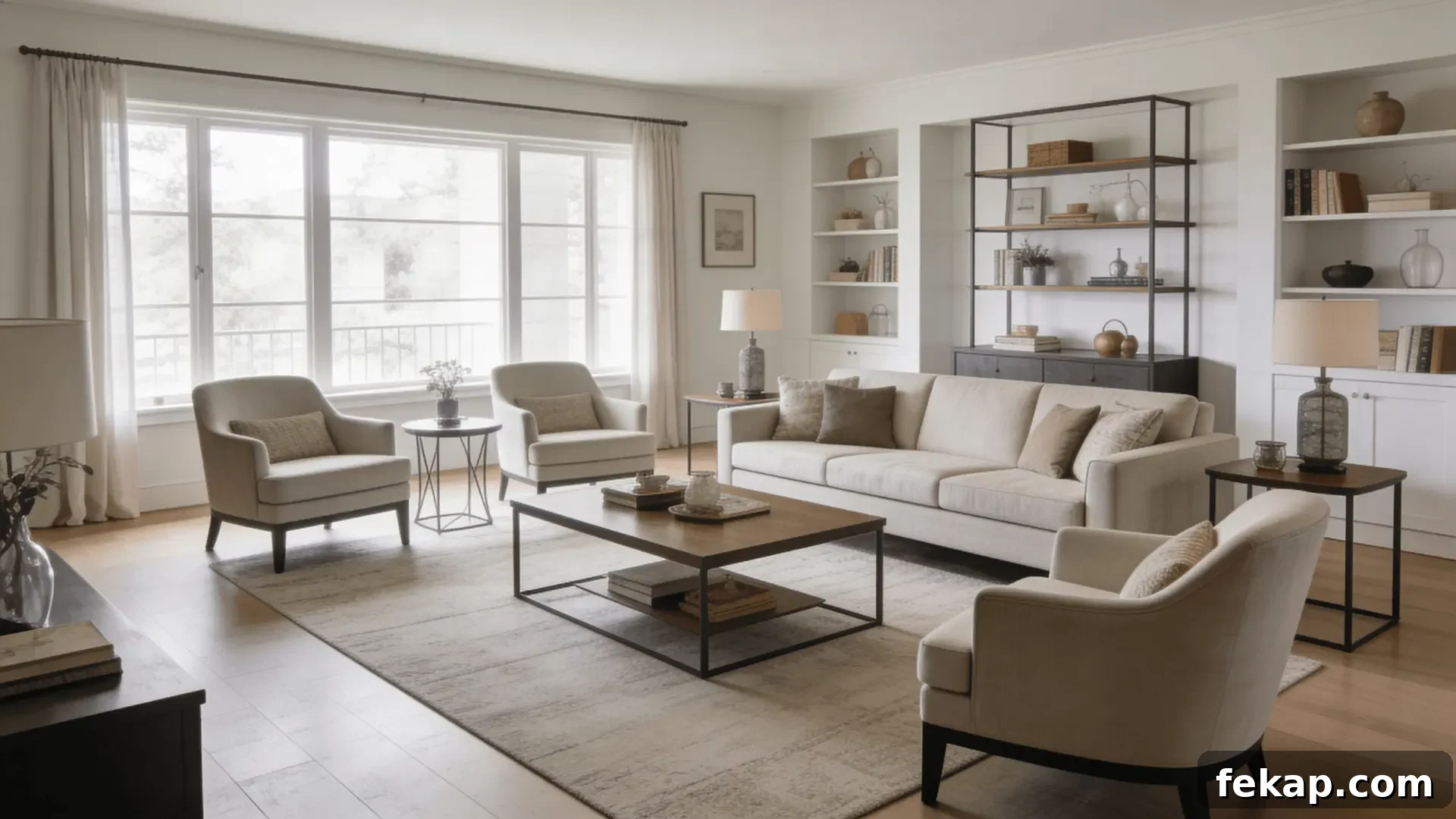
Furniture choices favor comfort and social interaction. Common pieces include:
- Sofas and armchairs: Arranged to face each other to encourage conversation.
- Coffee or center tables: A focal surface for drinks, books, or decorative items.
- Side tables: Practical spots for lamps, cups, and small personal items.
- Display cabinets or shelves: Used to showcase books, photos, or tasteful collectibles that add character.
Decorative Elements and Styling
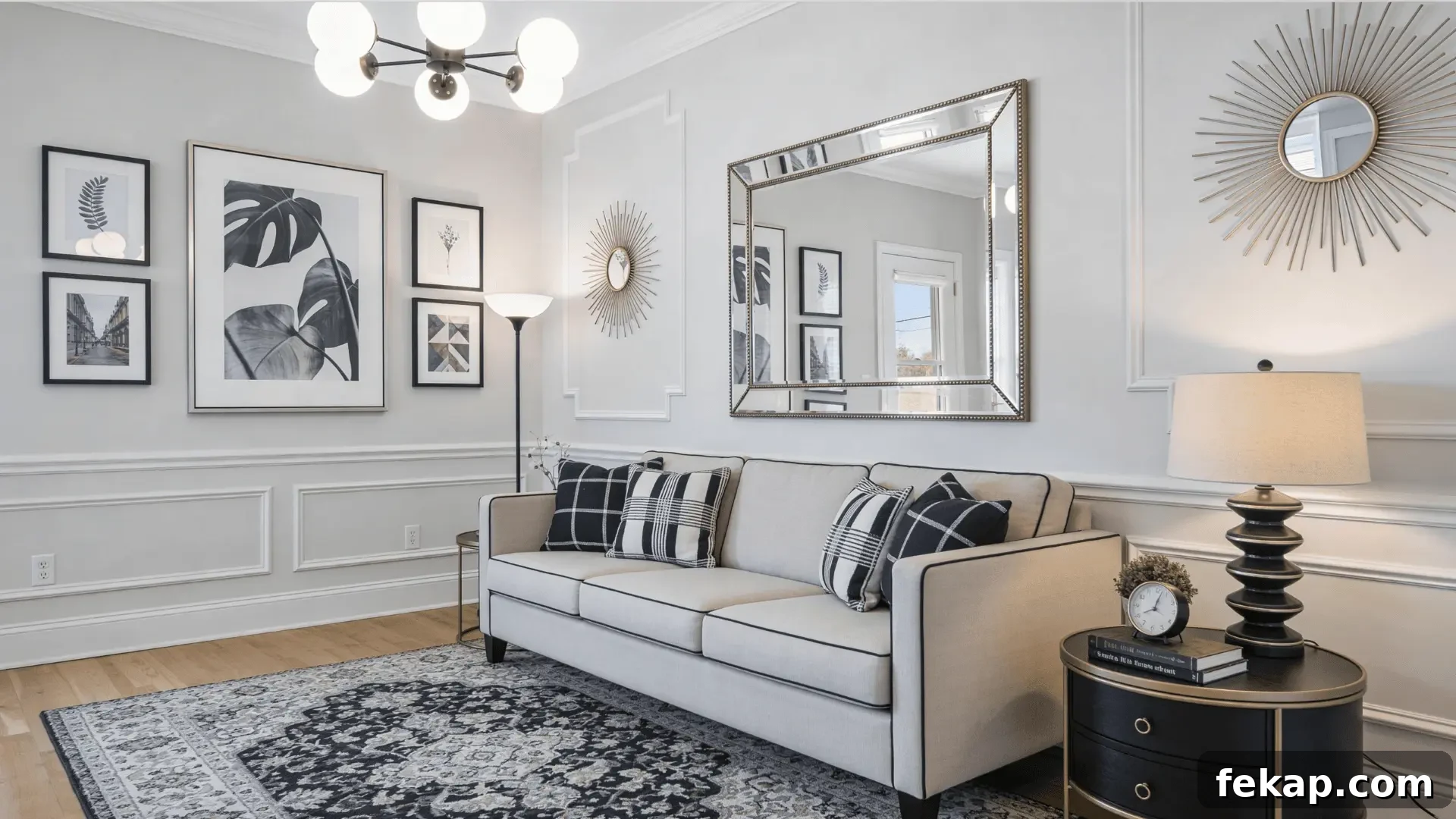
Decor reinforces the room’s welcoming and refined feel. Typical decorative elements include:
- Wall art or framed pictures: Adds personality and visual interest.
- Mirrors: Reflect light and create a sense of space.
- Rugs or carpets: Help define seating zones and add warmth.
- Lighting fixtures: Table lamps, sconces, or chandeliers that produce soft, comfortable lighting for conversation.
Layout and Seating Arrangement for Guests
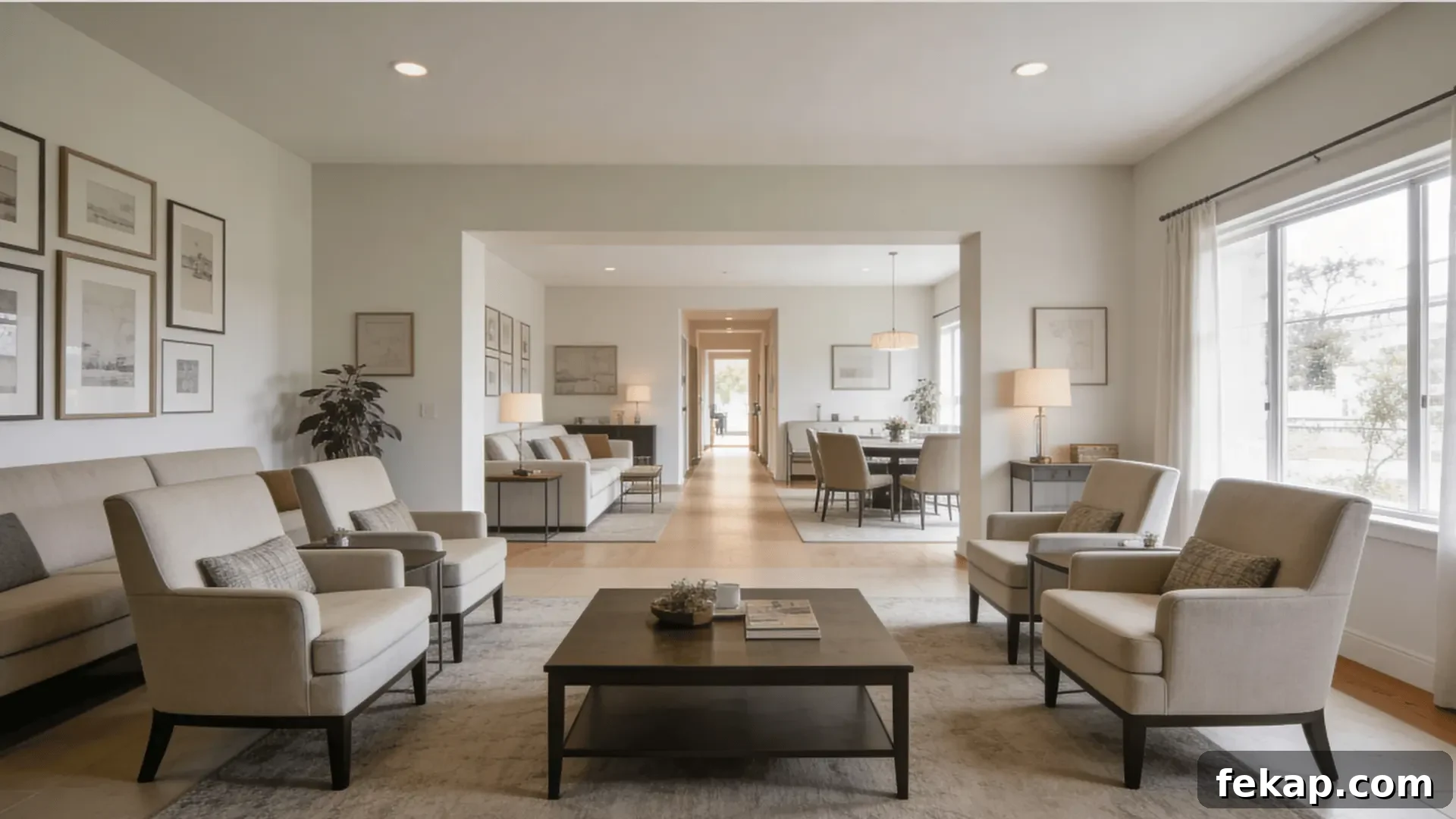
Effective drawing room layouts emphasize social interaction and easy movement. Key principles include:
- Conversation-friendly seating: Chairs and sofas placed to maintain eye contact and natural conversation flow.
- Balanced furniture distribution: An organized arrangement that avoids crowding while keeping the space cohesive.
- Clear walking routes: Pathways that allow guests to move through the room without disturbing seated conversations.
Drawing Room vs. Living Room
The drawing room and the living room overlap in purpose but differ mainly in formality and everyday use.
Differences in Purpose and Function
A drawing room is traditionally reserved for receiving guests and hosting formal visits. It is kept tidy and used primarily for social occasions.
A living room is a multipurpose family space used for relaxing, watching television, and daily activities. While guests may be welcomed here, the living room is built for everyday comfort and convenience.
Differences in Design and Atmosphere
Design differences reflect function: a drawing room tends toward a formal, conversation-focused layout, while a living room often prioritizes comfort and practical use, frequently centered around entertainment.
Why Modern Homes Often Use Only a Living Room
Many contemporary homes omit a separate drawing room because of space constraints and lifestyle changes. A single living room that accommodates both family life and guest visits has become the norm in many houses and apartments.
Other Names Used for a Drawing Room
Across regions and eras, the drawing room has been called by different names that describe similar guest-focused functions.
| Term | Meaning | How It Relates to a Drawing Room |
|---|---|---|
| Sitting Room | A room for sitting, relaxing, and talking with guests or family. | Often interchangeable with drawing room, though sometimes less formal. |
| Parlor | An older term for a formal reception room used to receive visitors. | Historically similar to the drawing room and used for greeting guests. |
| Formal Living Room | A living area intended mainly for guests rather than daily family use. | In modern homes it typically fills the same role as a traditional drawing room. |
These labels overlap in meaning but consistently describe a space intended for welcoming visitors and facilitating conversation.
Do Modern Homes Still Have Drawing Rooms?
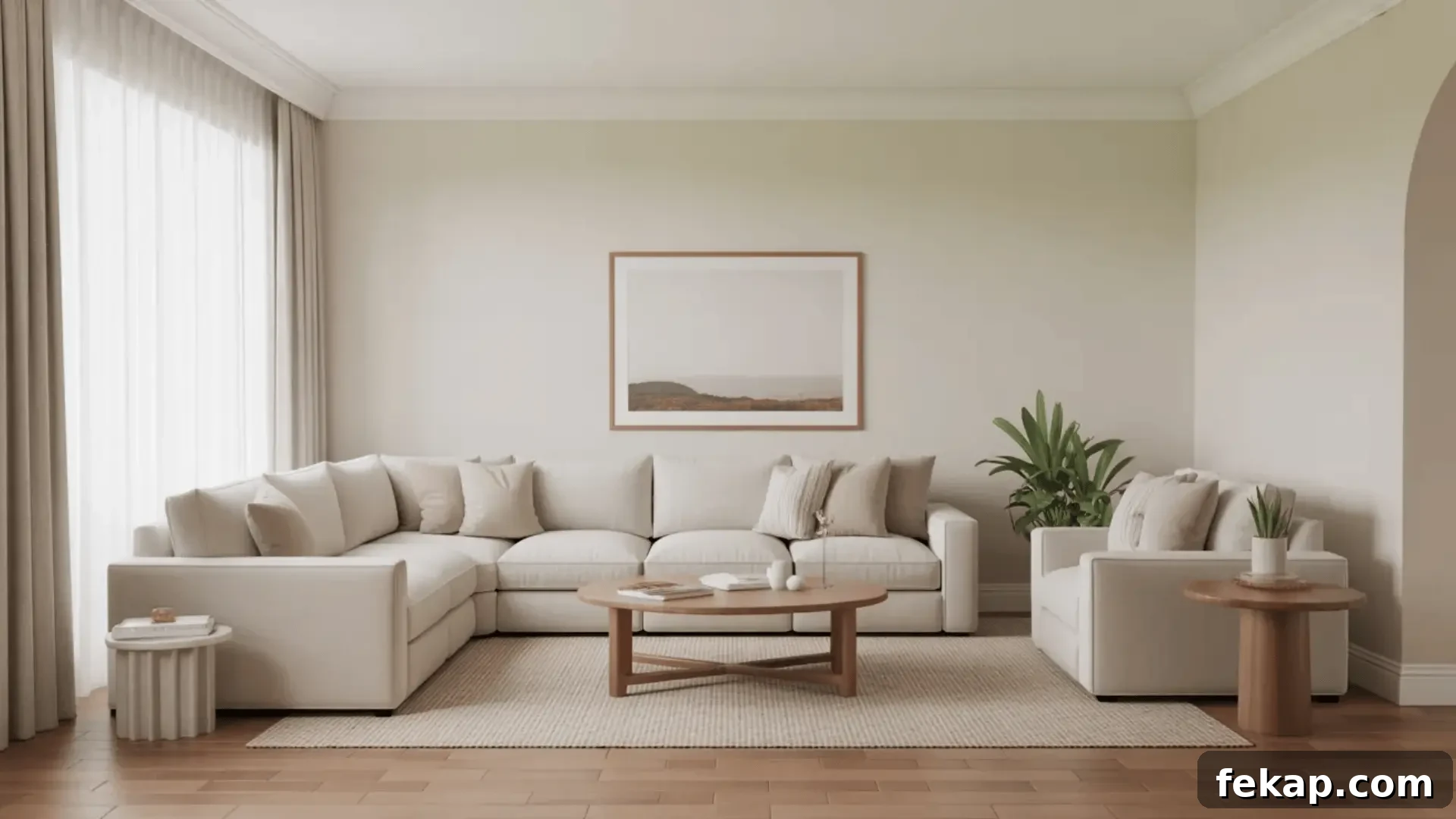
While modern floor plans often combine functions, the concept of a guest-focused room persists. In older, larger houses the drawing room remains a distinct, formal space. In contemporary homes its function appears in a few common forms:
- Formal living room: A dedicated, guest-ready sitting area that stays neat for social visits.
- Combined main living area: A single room that handles both daily family life and guest reception, common in apartments and smaller houses.
- Regional practice: In some countries, such as India and Pakistan, the term “drawing room” continues to describe the main guest reception area.
Maintaining a separate drawing room still makes sense when a household frequently entertains, values clear separation between public and private spaces, or has a layout that supports multiple sitting areas.
Wrapping Up
The drawing room reflects long-standing ideas of hospitality, privacy, and social interaction. Although many modern homes streamline spaces into multipurpose living rooms, the principle of a welcoming, guest-oriented area remains useful.
Whether you’re studying traditional home design or planning your own layout, understanding the role of a drawing room helps you decide how best to balance formality, comfort, and privacy in your living spaces.