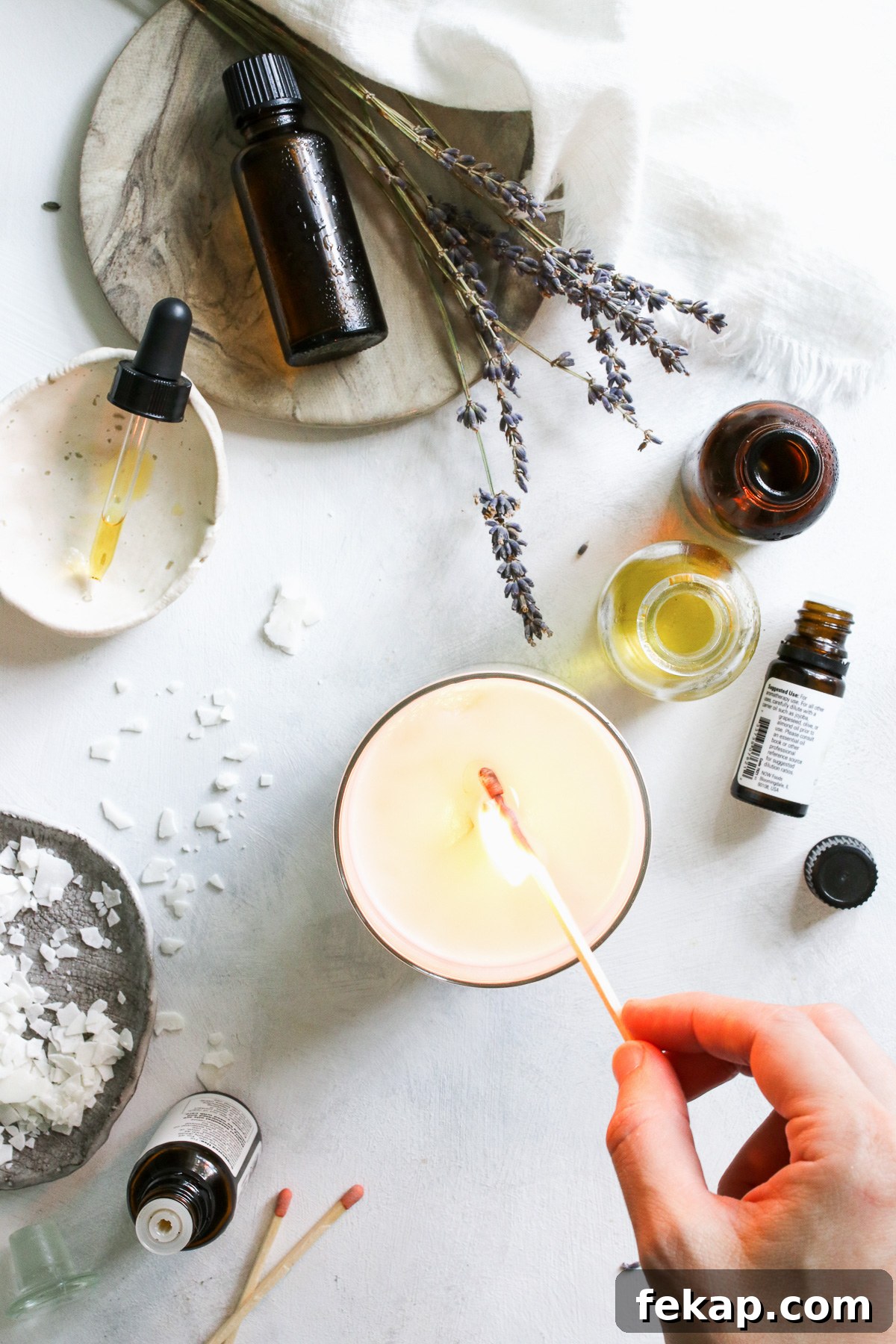
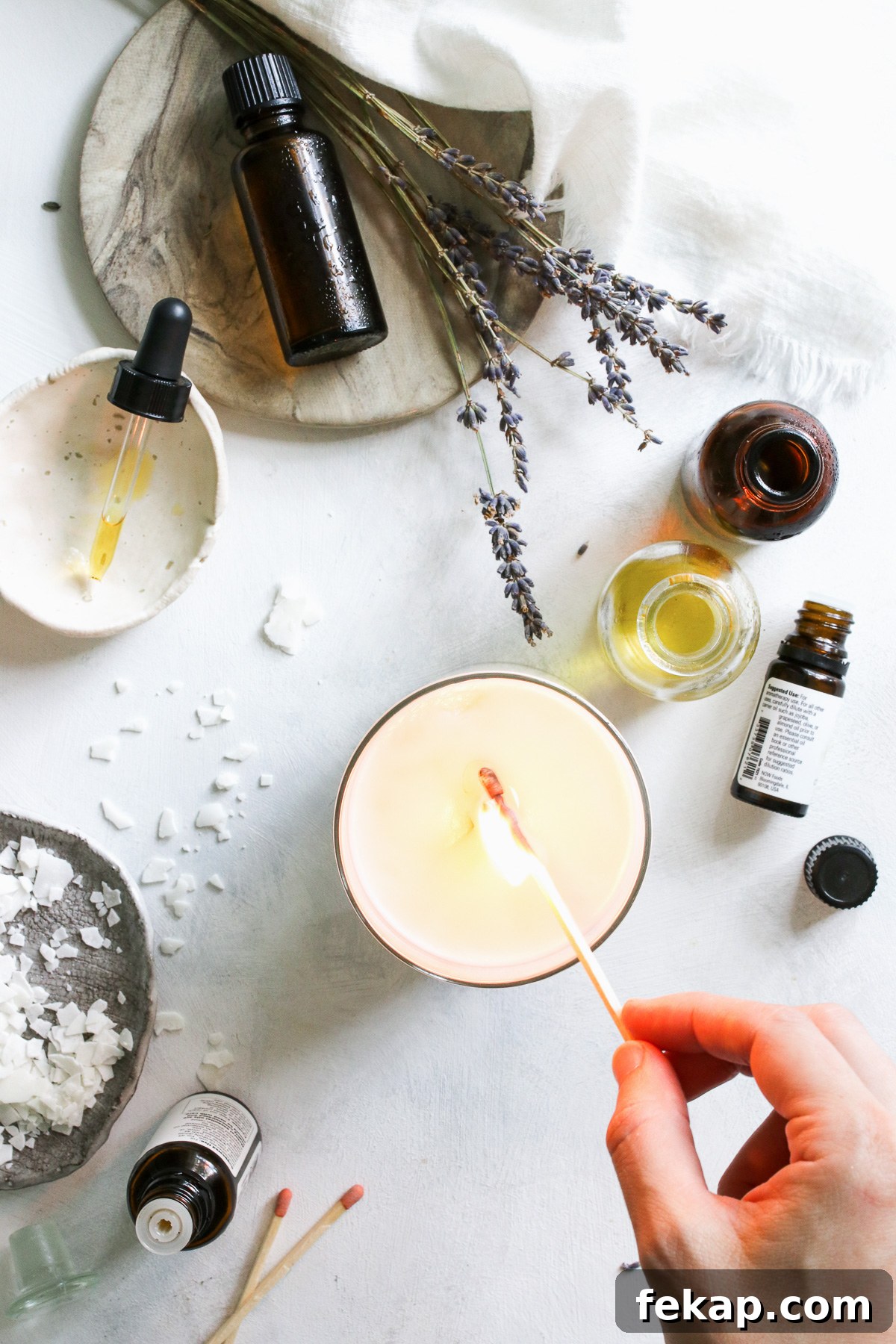
There are few simple pleasures as transformative as lighting a well-made candle. One match and a room can feel cozier, cleaner and more put together. Lately I’ve been finding a surprising amount of joy in making my own all‑natural essential oil candles—enjoying the process of blending scents and watching the soft glow come alive.
Handmade candles offer a gentle light and subtle aromatherapy that store-bought, heavily fragranced candles often can’t match. Because essential oil candles rely on pure plant extracts rather than synthetic chemicals, their scent can be more delicate and may change as the candle cures. That’s normal—and with the right choices in wax, wick, oils and technique, you can make candles that offer steady, pleasant fragrance and burn cleanly.
How to Make Essential Oil Candles
The fragrance and performance of an essential oil candle depend largely on ingredient quality. Essential oils vary in strength and purity between brands, and different waxes and wicks interact with oils in different ways. If your homemade candles lack scent or seem to fade quickly, start by evaluating the wax, wick and oils you’re using.
1. Choose a slow‑burning wax
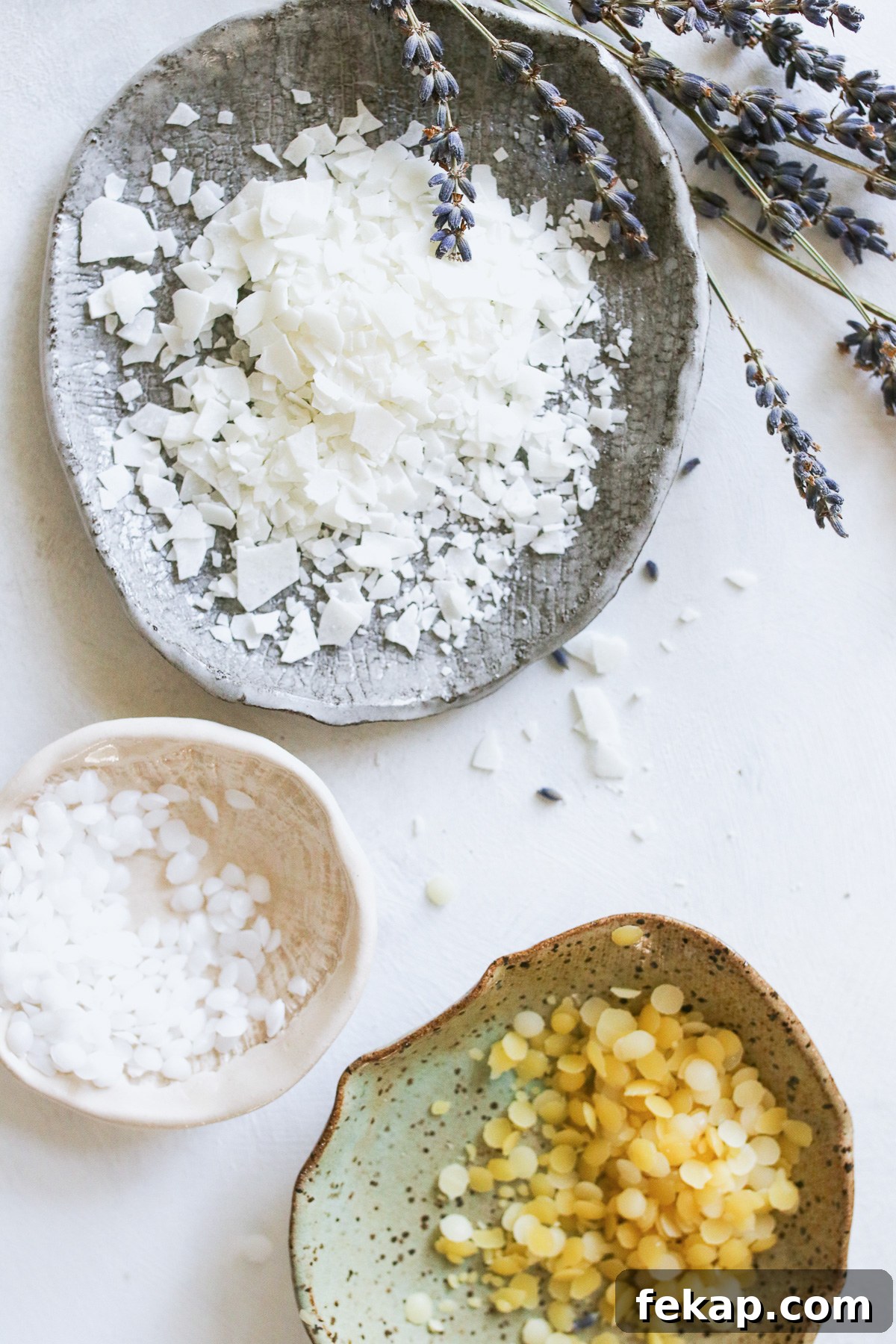
Not all waxes behave the same. Some waxes, like beeswax, have a natural aroma and a very slow burn. Others, such as paraffin, are inexpensive but burn faster and tend to produce more soot. For essential oil candles, you want a wax that holds onto scent and releases it gradually while burning.
Soy wax is an excellent choice for most beginners. It burns slower and cleaner than paraffin, reduces soot, and tends to retain and diffuse natural fragrance more gently over time. That gives your essential oils a better chance to be noticed without overpowering the room.
2. Choose a hot‑burning wick
Soy wax holds scent well but doesn’t always melt to a very high temperature, so pairing it with a wick that burns hot enough to release more fragrance is helpful. Hemp wicks and some cotton wicks burn hotter and can help dispense more essential oil into the air. Avoid wicks with metal cores or paraffin coatings; choose all‑natural wicks when possible.
If you already have wicks on hand, experiment with what you have first. You can always increase the oil load if you need a stronger scent.
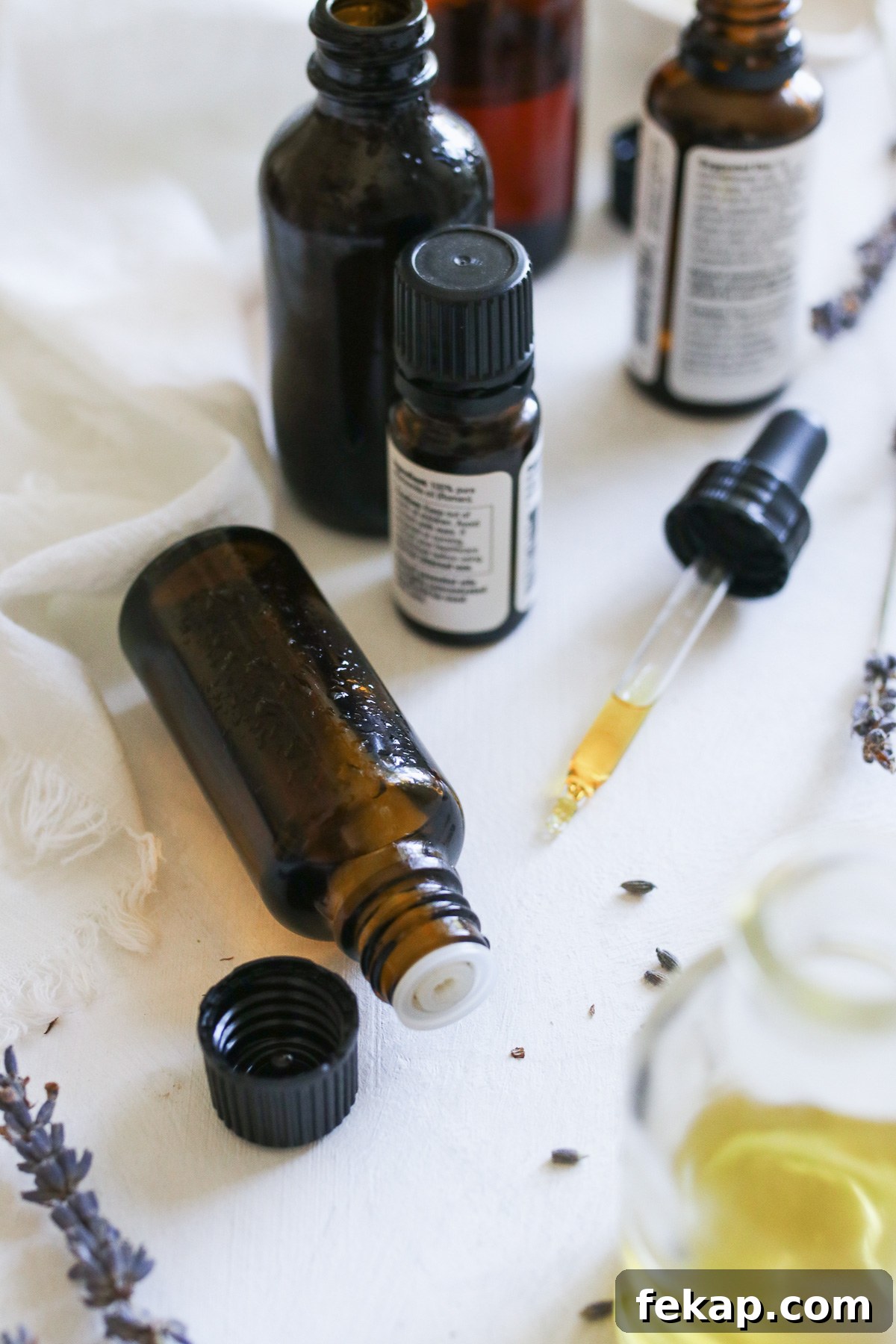
3. Pick strong essential oils
Some essential oils have naturally bold, long‑lasting aromas that work especially well in candles. Softer, mellower oils like ylang‑ylang and sandalwood are beautiful for aromatherapy but may not be as noticeable when used alone in candles. For more reliable scent throw, choose oils known for their potency.
My favorites for candle making include:
- Sweet orange
- Eucalyptus
- Rosemary
- Cinnamon
- Pine
Mixing a stronger oil with a subtler one can create a layered, balanced scent. If you have children or pets at home, check safety guidance for individual oils before use.
4. Use more oil than you think
Essential oils are more expensive than synthetic fragrance oils, but they are also less concentrated. A common mistake is under‑oiling candles, which results in a very faint scent. A practical starting ratio is:
2 teaspoons of essential oil per 4 ounces of melted wax
This works out to about a 6% dilution, a good baseline for noticeable scent throw. You can increase the amount for a stronger fragrance, but be mindful of the wax manufacturer’s recommendations and any flashpoint considerations for the oil you’re using.
5. Add oils at the right temperature
Timing matters when incorporating essential oils. If you add oils to wax that’s too hot, the heat can degrade the volatile aromatic compounds. If the wax is too cool, the oils may not disperse evenly.
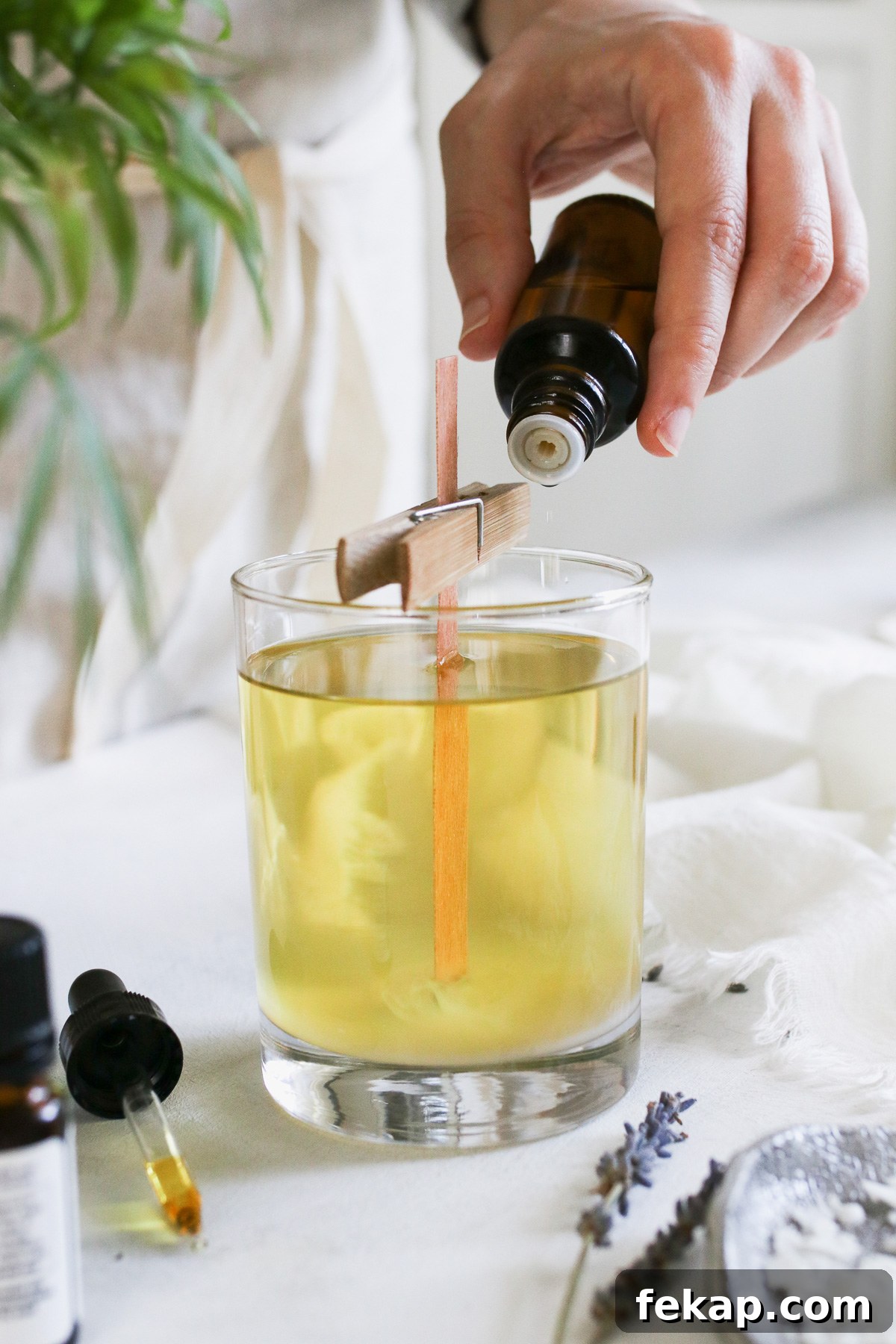
A good target is to add your essential oils when the melted wax cools to approximately 185°F (about 85°C). Melt the wax gently in a double boiler, remove it from heat and let it drop to the target temperature before stirring in the oils. Then pour into your prepared containers and allow the candles to cure fully before lighting.
6. Keep the scent from fading
To preserve fragrance after your candle cures, keep it covered between uses. A tight lid or cloth cover reduces evaporation and helps the scent last longer. If a candle’s aroma fades, you can refresh it by removing the wax and adding more oil: freeze the candle until the wax pops out, melt the wax in a double boiler, stir in additional oil, and repour into the container.
Simple Essential Oil Candle Recipe
Below is an easy recipe to get started. It’s designed for a single 4‑ounce container but scales up simply by maintaining the oil-to-wax ratio.
Yield and Timing
Servings: 1 (4‑ounce candle)
Prep time: 15 minutes • Inactive time / curing: about 3 hours • Total time: ~3 hours 15 minutes
Ingredients
- One 4‑ounce metal or glass container
- Candle wick (hemp or cotton preferred)
- Approximately 2 cups soy wax flakes (add more as needed to fill the container)
- 2 teaspoons essential oil (adjust according to preference and container size)
- Saucepan for a double boiler and an old can for melting wax
- Kitchen thermometer
- Clothespin or chopsticks to hold the wick upright while pouring
Instructions
- Place soy wax flakes in an old aluminum can or suitable heatproof container.
- Fill a saucepan halfway with water and set the can of wax in the center to create a double boiler. Simmer until the wax is fully melted.
- Remove the can from heat and monitor the wax temperature until it reaches about 185°F. A slightly lower temperature is safer than too hot.
- Stir in the essential oils thoroughly to distribute the fragrance.
- Position the wick in the center of your container and secure it upright with a clothespin or chopsticks.
- Pour the scented wax into the container, allow it to cool and harden for several hours or overnight before trimming the wick and lighting.
Not into flames?
If you prefer a flame-free option, try making essential oil wax sachets or wax melts that deliver fragrance without burning a wick.
With a little experimentation—choosing the right wax, wick, oils and adding the oils at the correct temperature—you can make clean, fragrant essential oil candles that fill your home with natural scent and a welcoming glow.