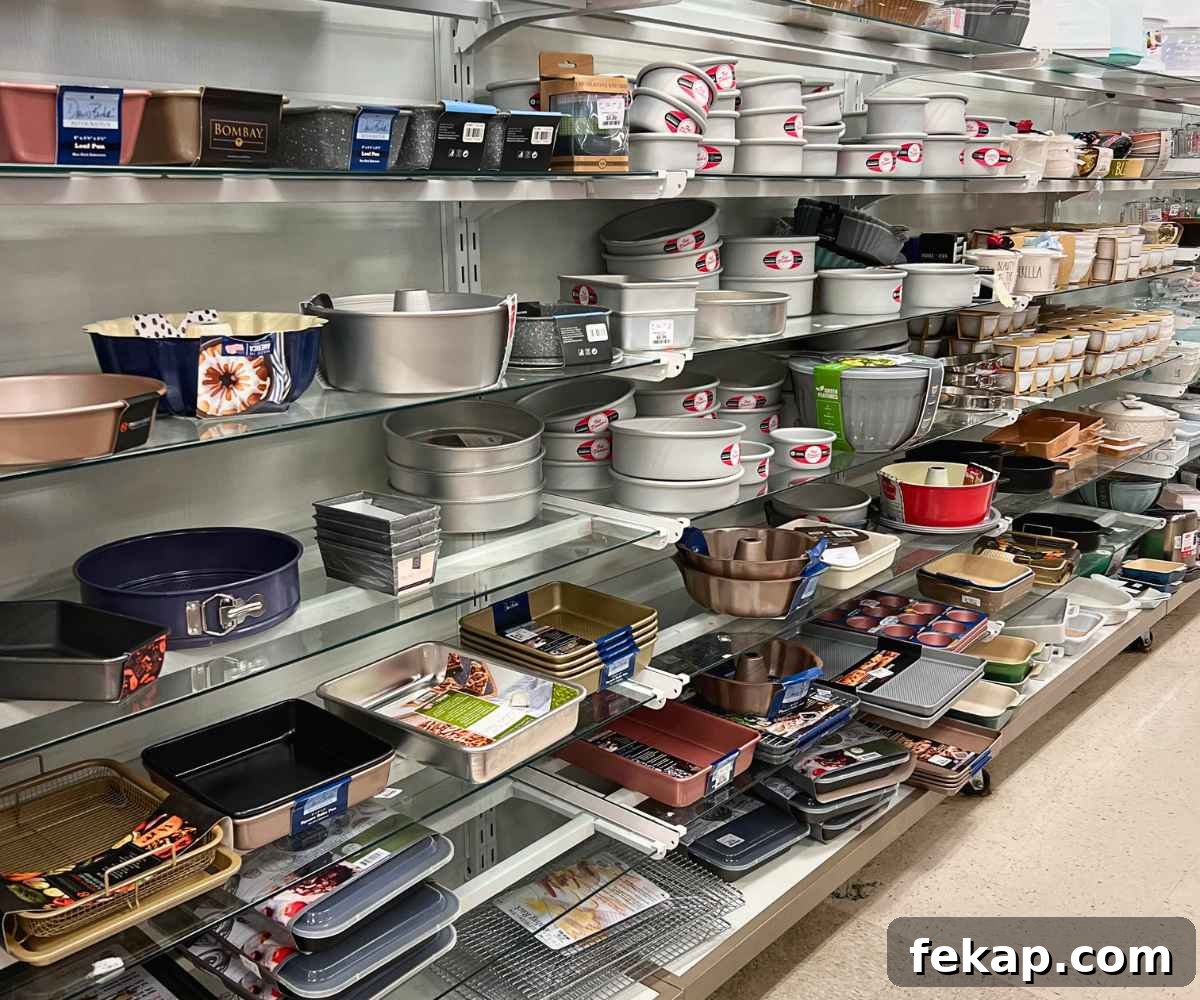
This guide explains how to choose safe, non-toxic bakeware and healthy baking sheets and pans so your kitchen is as healthy as the meals you prepare. I’ll cover the safest materials, practical uses for each type of pan, care tips, and frequently asked questions to help you select long-lasting, non-reactive bakeware.
Choosing non-toxic bakeware is about more than ingredients — it’s also about the surfaces that touch your food. Swap out questionable coatings or reactive metals for materials that hold up to heat without leaching chemicals. Below you’ll find the best options for different baking tasks and what to look for when buying.
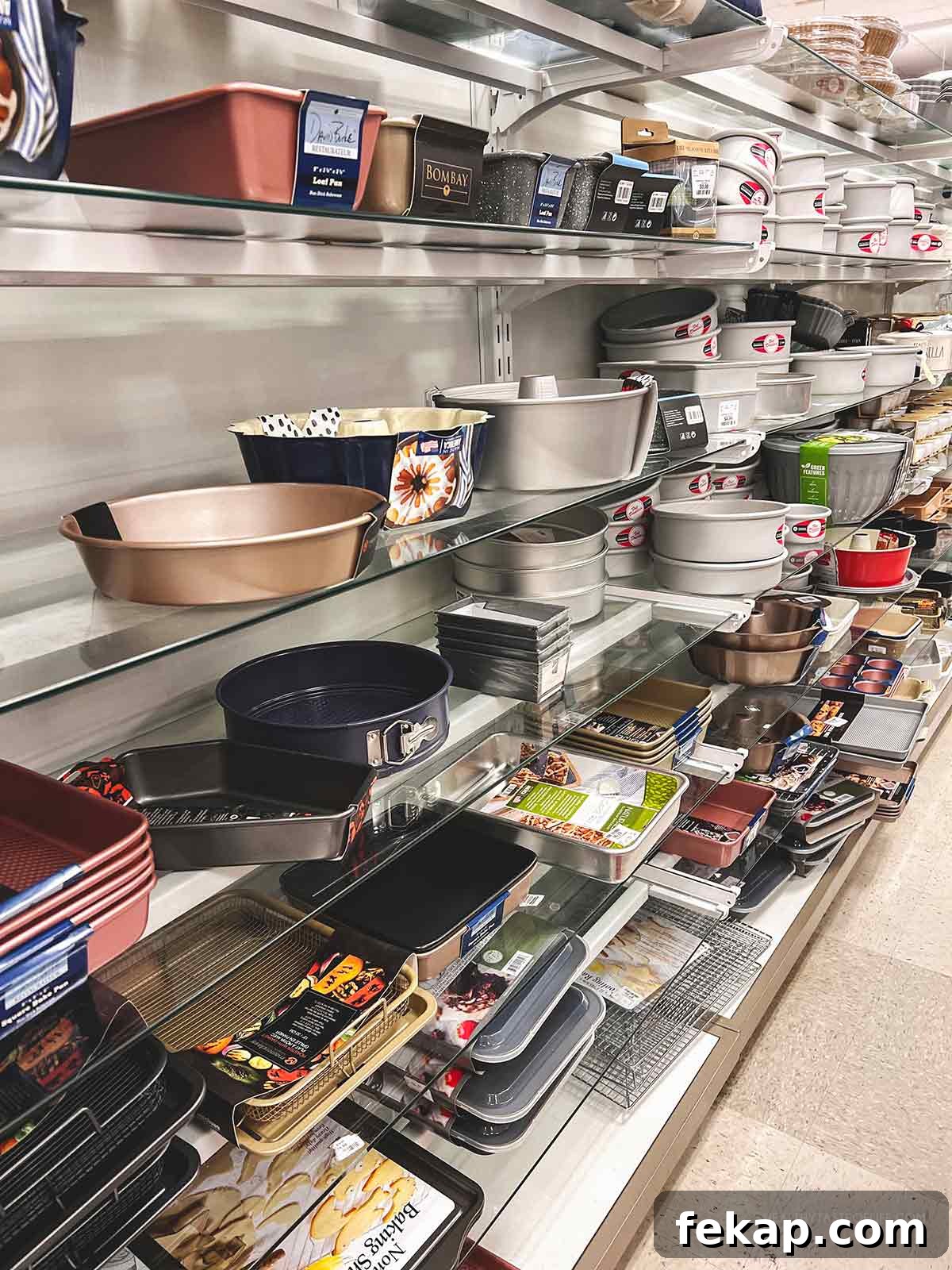
Safe Non-toxic Baking Sheets and Pans: What to Look For?
The most important factor when choosing safe bakeware is the material. Below are commonly recommended, low-toxicity options with their main attributes and best uses.
1. Stainless Steel
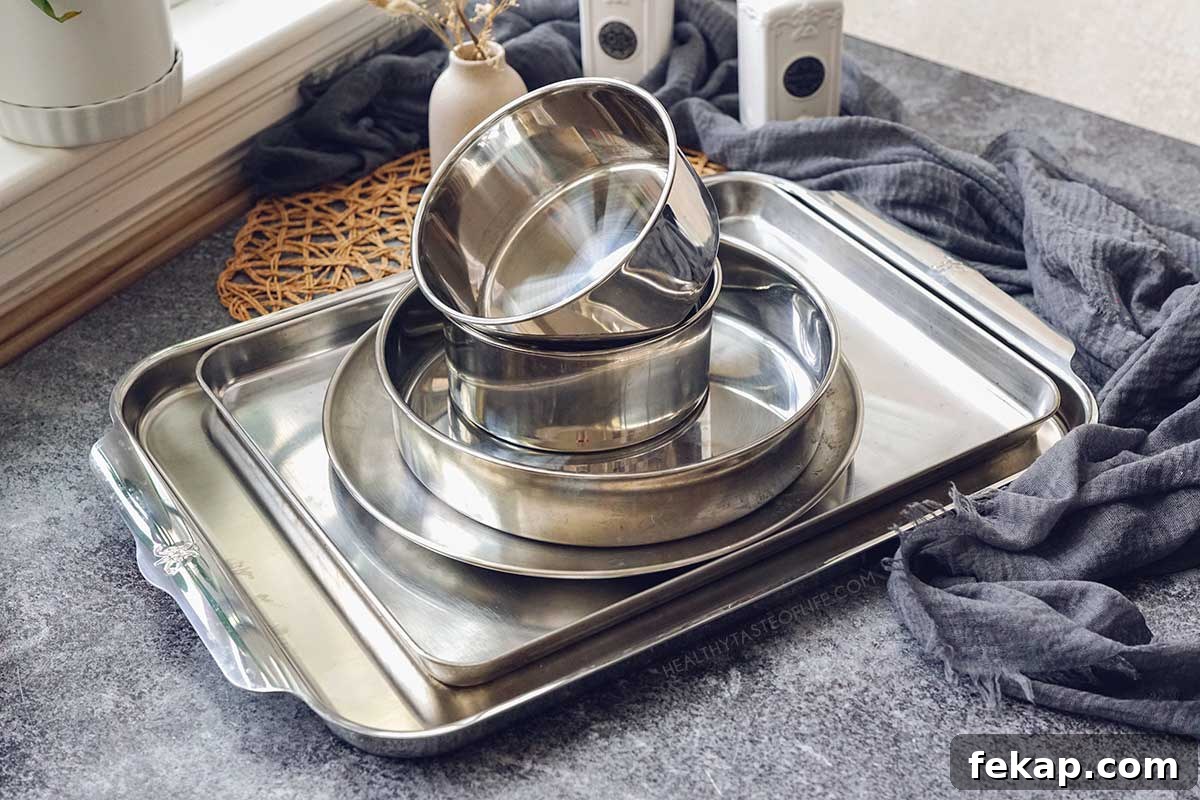
- Why it’s safe: Stainless steel is non-reactive with acidic or alkaline foods and won’t leach harmful substances when used properly.
- Attributes: Durable, rust-resistant, high heat tolerant, and easy to maintain.
- Best for: Sheet pans, cookie sheets, and many types of baking where even browning and longevity matter.
2. Ceramic
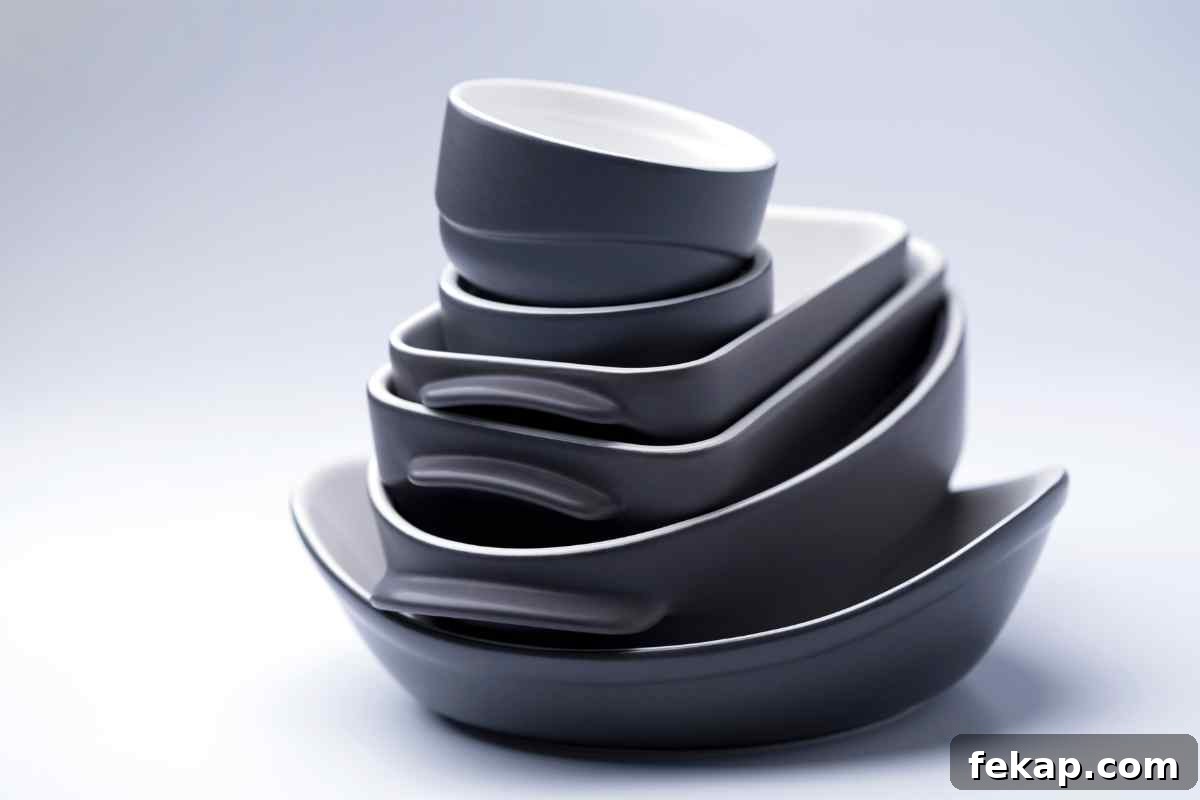
- Why it’s safe: Pure ceramic is inert and typically free from PFOA, PFAS, lead, and cadmium when made to safety standards.
- Attributes: Distributes heat evenly, suitable for slow cooking, and provides a safe non-stick surface without chemical coatings.
- Best for: Casseroles, pies, tarts, and any dish where steady, even heat and a non-reactive surface are important.
Differences between ceramic and ceramic-coated bakeware
Pure ceramic is made entirely of fired clay and tends to be heavier, while ceramic-coated bakeware is usually metal with a ceramic-like non-stick layer. Ceramic-coated options are lighter and easier to handle but may lose their non-stick properties over time if the coating is damaged.
3. Cast Iron
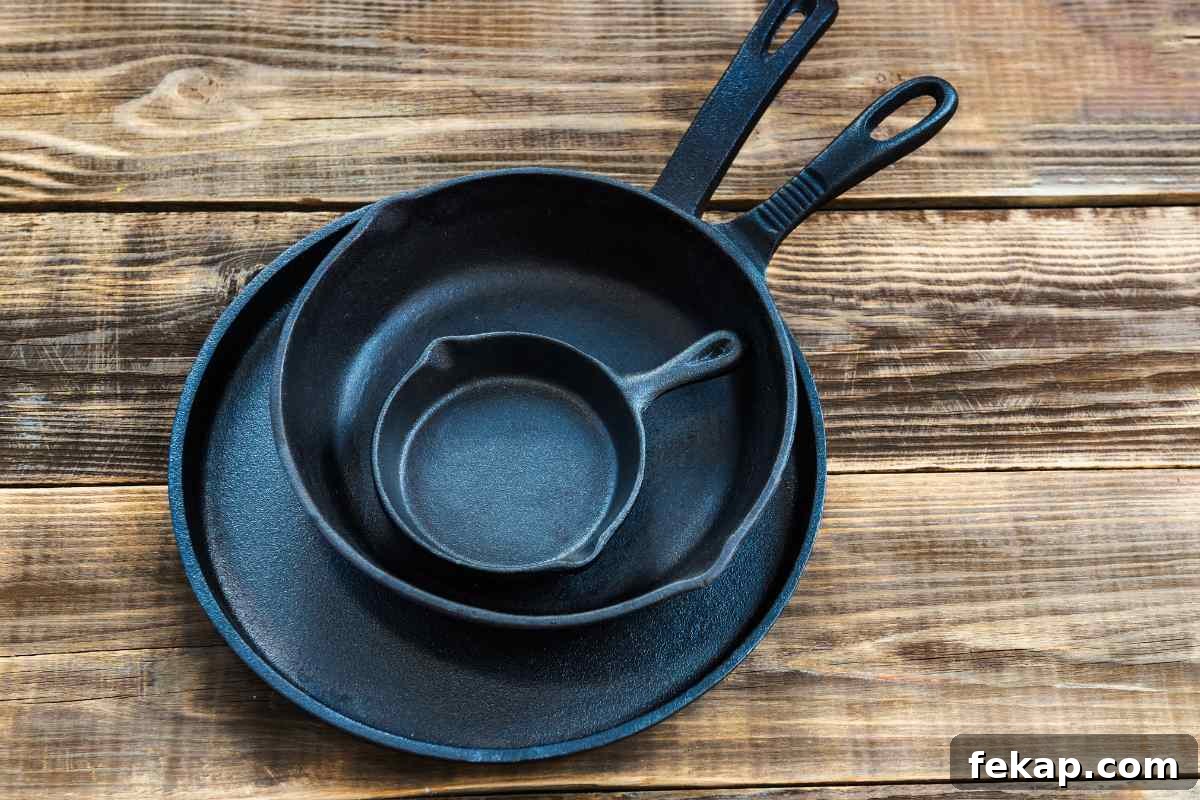
- Why it’s safe: A well-seasoned cast iron pan provides a natural non-stick surface without synthetic coatings and does not leach harmful chemicals when maintained correctly.
- Attributes: Excellent heat retention, even cooking, and extremely durable.
- Best for: Breads, skillets, deep-dish pizzas, cobblers and any recipe that benefits from high heat and caramelization.
4. Glass
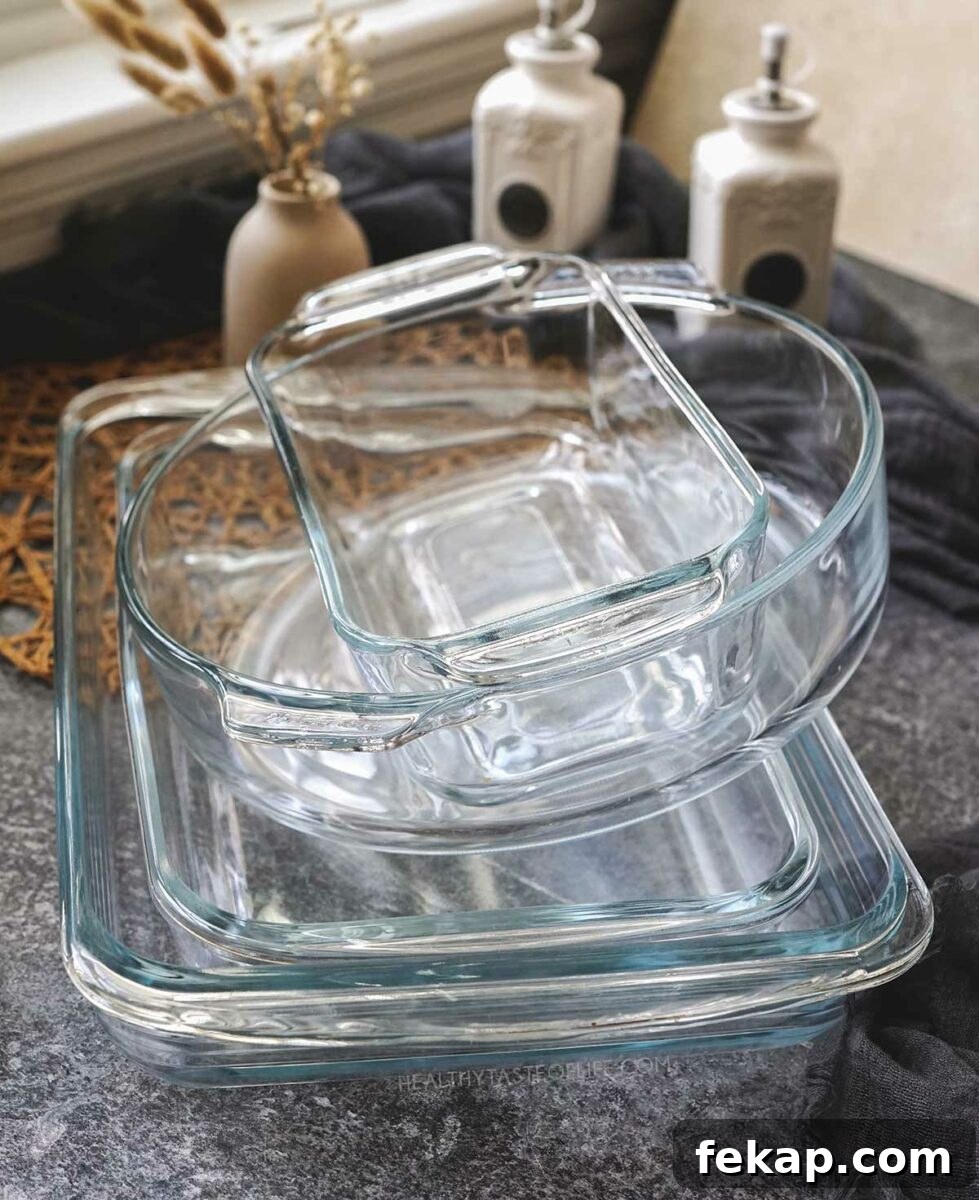
- Chemical-free: Glass is non-reactive and won’t release substances or odors at baking temperatures.
- Attributes: Even heat distribution and fully recyclable.
- Best for: Casseroles, lasagnas, roasts, bread puddings and layered dishes.
5. Silicone
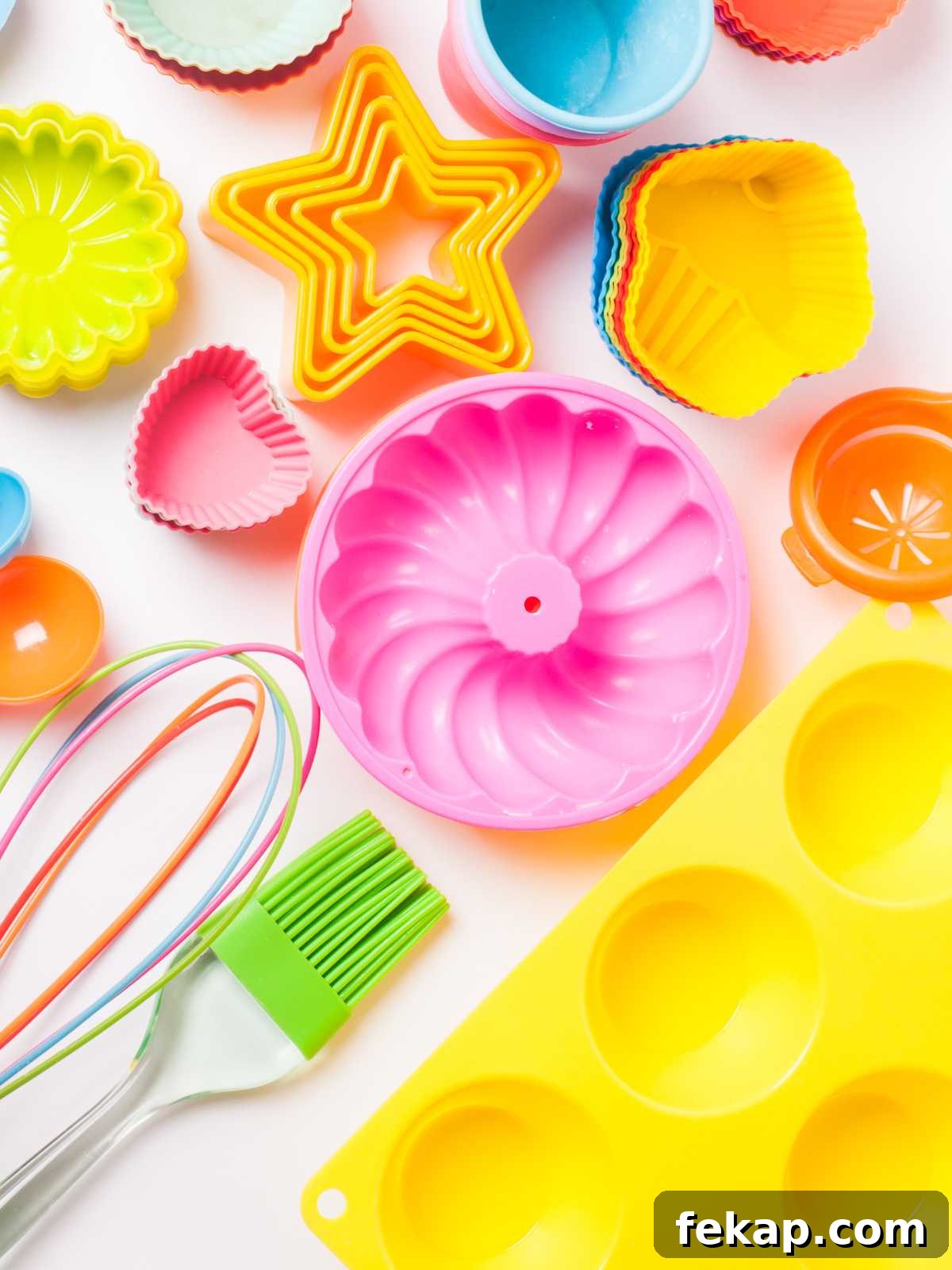
- Why people like it: Flexible, non-stick, lightweight and oven-safe for many tasks.
- Concerns: Some lower-quality silicone products contain fillers or additives; at very high temperatures and with certain foods there may be a risk of degradation. Choose high-quality, food-grade silicone if you prefer this material.
- Best for: Muffin and specialty molds, and recipes where flexibility and easy release matter. Avoid very high temperatures or prolonged exposure to fatty, acidic foods if you want added caution.
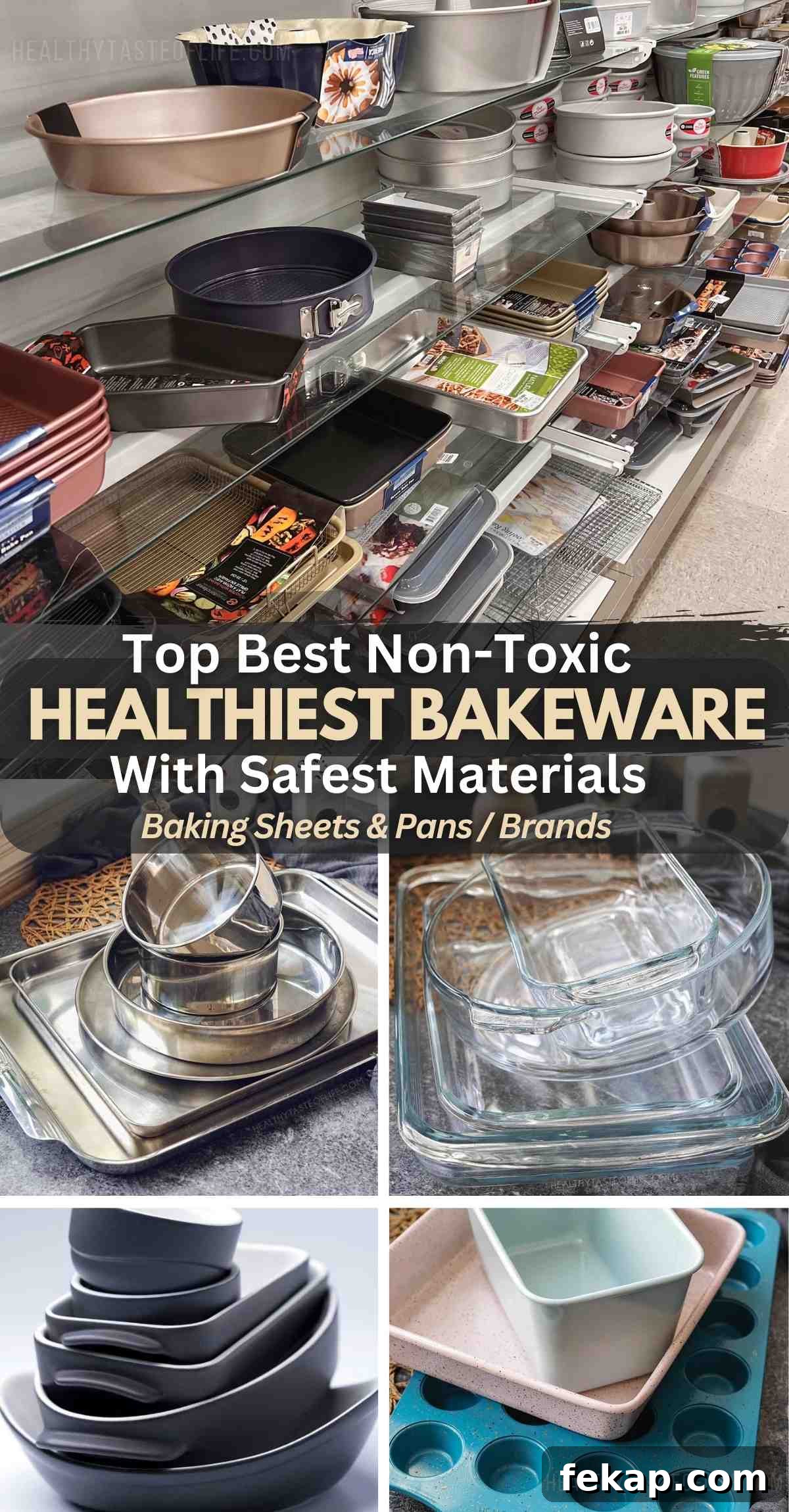
Note: This guide points out safe materials and general best practices; always follow the manufacturer’s care and use instructions for your specific bakeware.
Best Non-Toxic Bakeware by Type and Purpose
Different baking tasks benefit from different materials. Below are practical recommendations for common pan types.
Sheet Pans
- Best material: Stainless steel — durable, rust-resistant and non-reactive.
- Why: Resists warping when made of thicker, quality steel or multi-ply construction and is easy to clean.
Muffin Pans
- Best materials: Ceramic-coated or high-quality silicone.
- Why: Ceramic coating provides a non-stick surface without traditional PTFE coatings; silicone offers easy release and versatile temperature use.
Loaf, Cake, and Springform Pans
- Loaf pans: Glass, stoneware or pure ceramic for even baking and non-reactivity.
- Round cake pans: Multi-ply stainless steel (with an aluminum core) offers even heating without exposed reactive metal.
- Springform: Glass bases or carbon steel with a durable, safe coating are good choices; avoid damaged coatings.
Pie, Square & Bundt Pans, Roasters, Pizza Stones
- Pies: Glass or ceramic for even heat and non-reactive performance with fruit fillings.
- Square pans & brownies: Stoneware or ceramic-coated pans are excellent for heat retention and even baking.
- Bundt pans: Carbon steel, ceramic-coated or borosilicate glass can all work well; choose sturdy, warp-resistant materials.
- Roasting pans: Thick stainless steel, enamel-coated cast iron, or glass offer durability and even heat distribution.
- Pizza stones: Cordierite or ceramic stones provide superior heat-holding and even crust browning; note that very porous stones can absorb oils over time.
Sustainability and Eco-friendly Considerations
- Glass, ceramic and stainless steel are durable, long-lasting and generally more recyclable, making them eco-friendly choices.
- Silicone is long-lived but harder to recycle, so its environmental footprint is debated.
- Cast iron and carbon steel can last generations when maintained, reducing replacement frequency and waste.
Considerations for Choosing Materials
- Health and safety: Pick non-reactive materials that won’t leach chemicals into food — glass, ceramic, stainless steel and well-seasoned cast iron are top choices.
- Durability and maintenance: Consider how easy the item is to clean and whether it resists warping, chipping or coating breakdown.
- Eco impact: Favor long-lasting items made from recyclable materials when possible.
Popular Non-Toxic Bakeware Options
Look for well-known, reputable products in these categories: commercial-weight ceramic-coated baking sheets, multi-ply stainless steel sheet pans, tempered glass baking dishes, enameled cast iron roasters, and high-quality stoneware loaf pans. Read labels and care instructions, and avoid products with degraded coatings or visible damage.
FAQs on Non-Toxic Bakeware
Are non-stick coatings safe?
Modern ceramic non-stick coatings are generally considered safer than older PTFE-based coatings, but avoid pans with PFOA or degraded PTFE surfaces. Never overheat non-stick pans and replace them if the surface is scratched or peeling.
Is aluminum bakeware safe?
Uncoated aluminum can react with acidic foods and may leach metal over time. Anodized aluminum is sealed and less likely to leach; alternatively, choose stainless steel or ceramic-coated options.
How can I maintain non-toxic bakeware?
Follow the manufacturer’s care directions, avoid overheating, use wooden or silicone utensils to prevent scratches, and hand wash when recommended to extend the life of coatings and finishes.
Does silicone bakeware need greasing?
High-quality food-grade silicone is usually non-stick, but light greasing can help with easier release for some recipes.
Is porcelain enamel-coated steel safe?
Porcelain enamel fused to steel provides a non-reactive surface and is generally safe. Avoid chipping the enamel; exposed metal can rust and may react with food.
How do I know if a product is genuinely non-toxic?
Check manufacturer specifications for absence of PFOA, PFAS and lead/cadmium; look for reputable brands and clear care instructions. Inspect coatings for damage and replace cookware when protective surfaces are compromised.
© HealthyTasteOfLife. Content and photographs are copyright protected. Please request permission before reproducing full recipes or photographs. Sharing a link to this guide is appreciated.