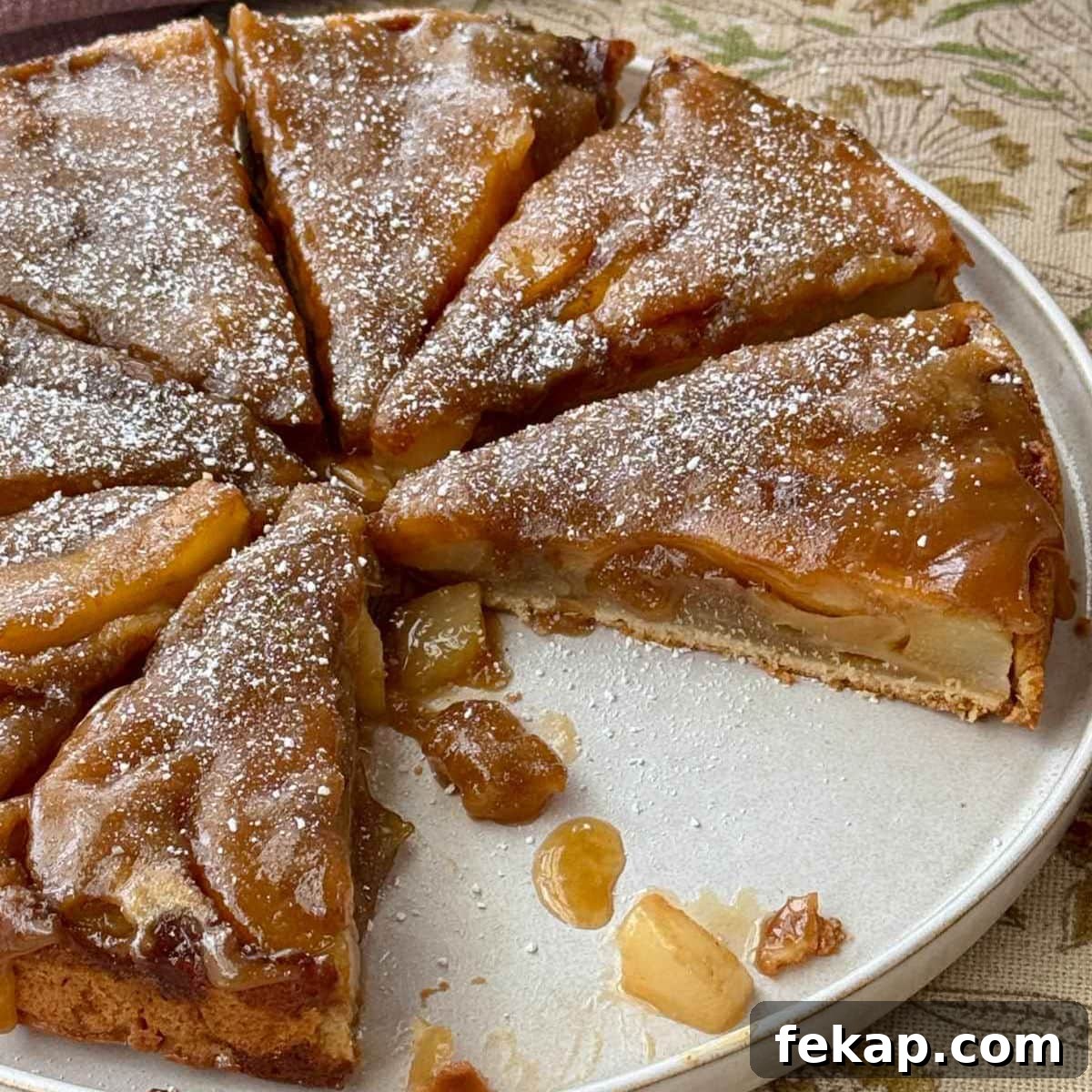
This fudgy upside-down pear cake is one of the easiest and most satisfying cakes you can bake. Tender, caramelised pear slices sit at the top once the cake is turned out, and a simple, glossy fudge sauce is spooned over the finished cake for extra richness. The method is straightforward and forgiving — the batter is mixed quickly in a food processor and bakes into a moist, tender sponge that soaks up some of the pear juices without collapsing. It’s an adaptable recipe that works well as a make-ahead dessert and is ideal for autumn teatimes or an elegant pudding.
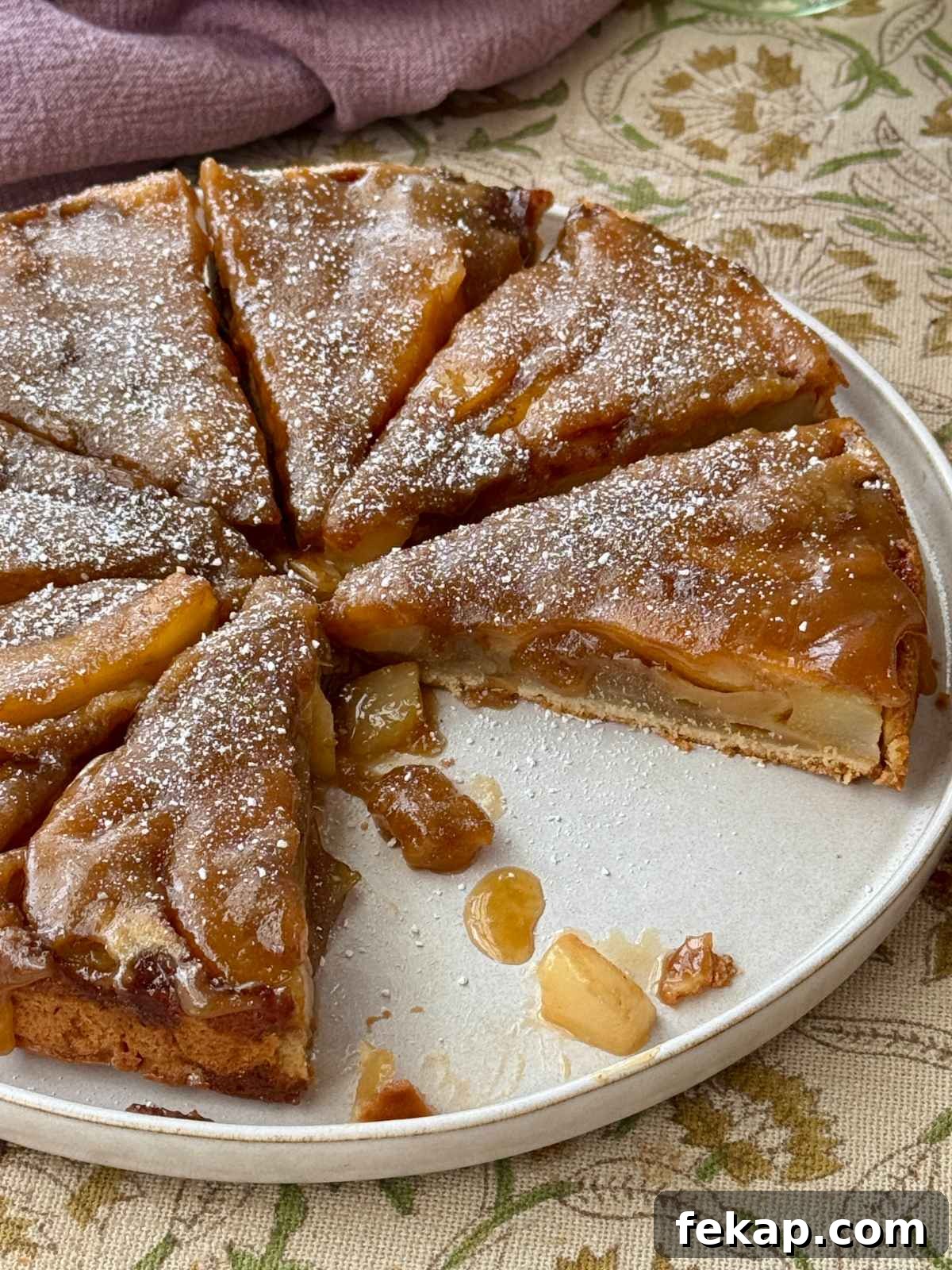
I often bake this cake a day in advance and keep it covered, then pour over the warm fudge sauce just before serving. The flavour is rich but delicate, with golden caramel notes from the sugar and lemon brightness in the sauce. Below you’ll find a clear recipe, helpful tips, make-ahead and storage advice, and answers to common questions.
Table of Contents
- Why you will love this recipe
- Ingredients
- Substitutions and Variations
- How to make the pear cake
- Cooking Tips
- Frequently Asked Questions
- Recipe Card
Why you will love this recipe
- Glossy, fudgy topping that enhances the sponge without making it soggy.
- Uses common ingredients and a quick food processor method for even mixing.
- Excellent make-ahead dessert — it keeps well overnight and can be finished with sauce just before serving.
Ingredients
Full printable recipe card appears at the bottom of this page — scroll down.
Caster sugar – also called superfine sugar in some regions.
Pears – choose small, ripe pears that give slightly when pressed and feel juicy. If they are hard they will be less juicy after baking.
Self-raising flour – if unavailable, see substitutions below.
Substitutions and Variations
Flour: If you can’t find self-raising flour, use plain (all-purpose) flour plus 1 3/4 tsp baking powder per 175 g flour.
Sugar: Swap caster sugar for regular granulated sugar or golden caster sugar. For the pan base you can use any brown sugar such as demerara.
Fruit: This method works well with stone fruit (apricots, peaches, nectarines) or apples if you prefer.
How to make this pear cake
Below is a step-by-step overview; the full recipe card with exact quantities and timing is further down.
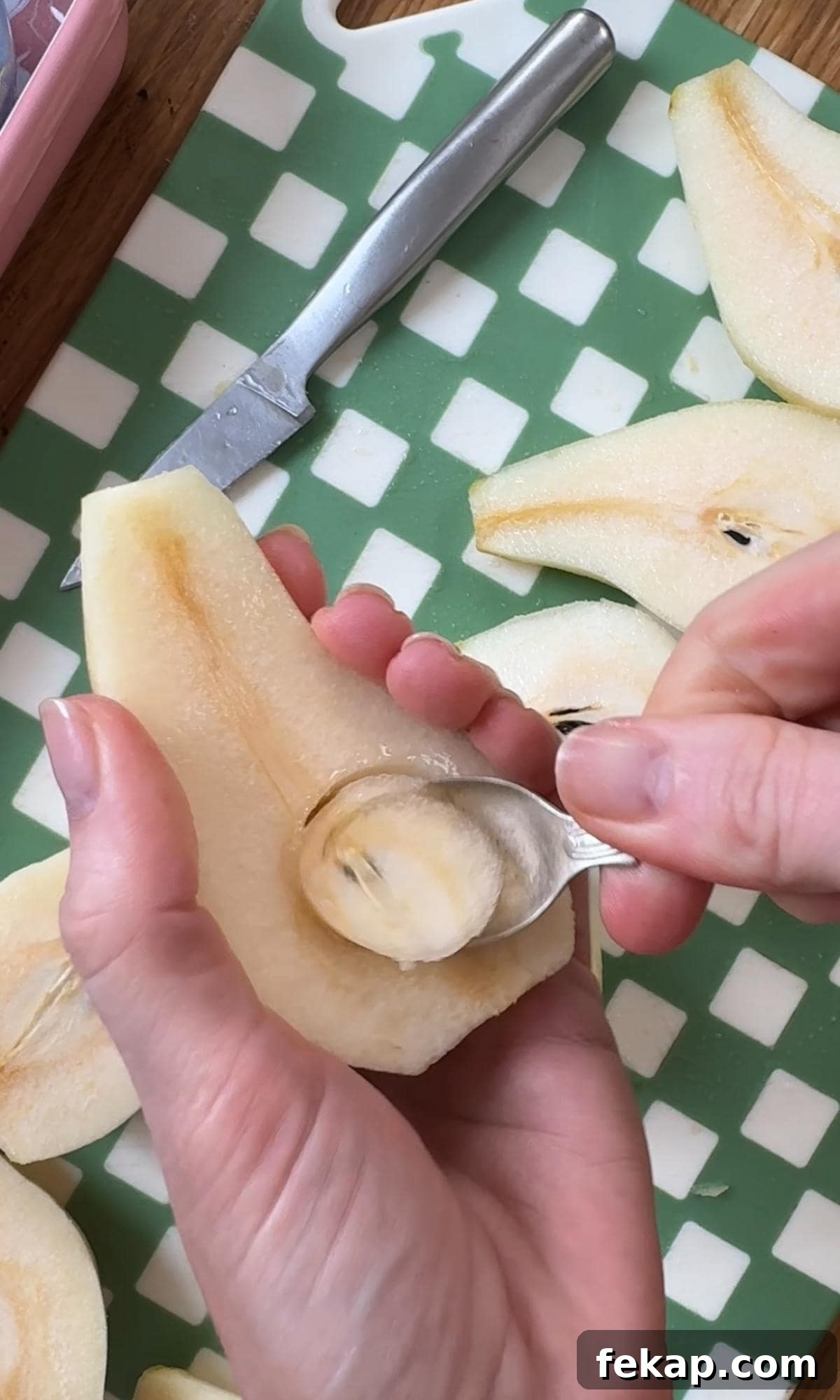
ONE: Grease and line a 25 cm ovenproof frying pan or a cake tin. Preheat the oven to 180°C (160°C fan / 355°F). Peel the pears, halve them, remove the cores with a teaspoon, then slice thinly.
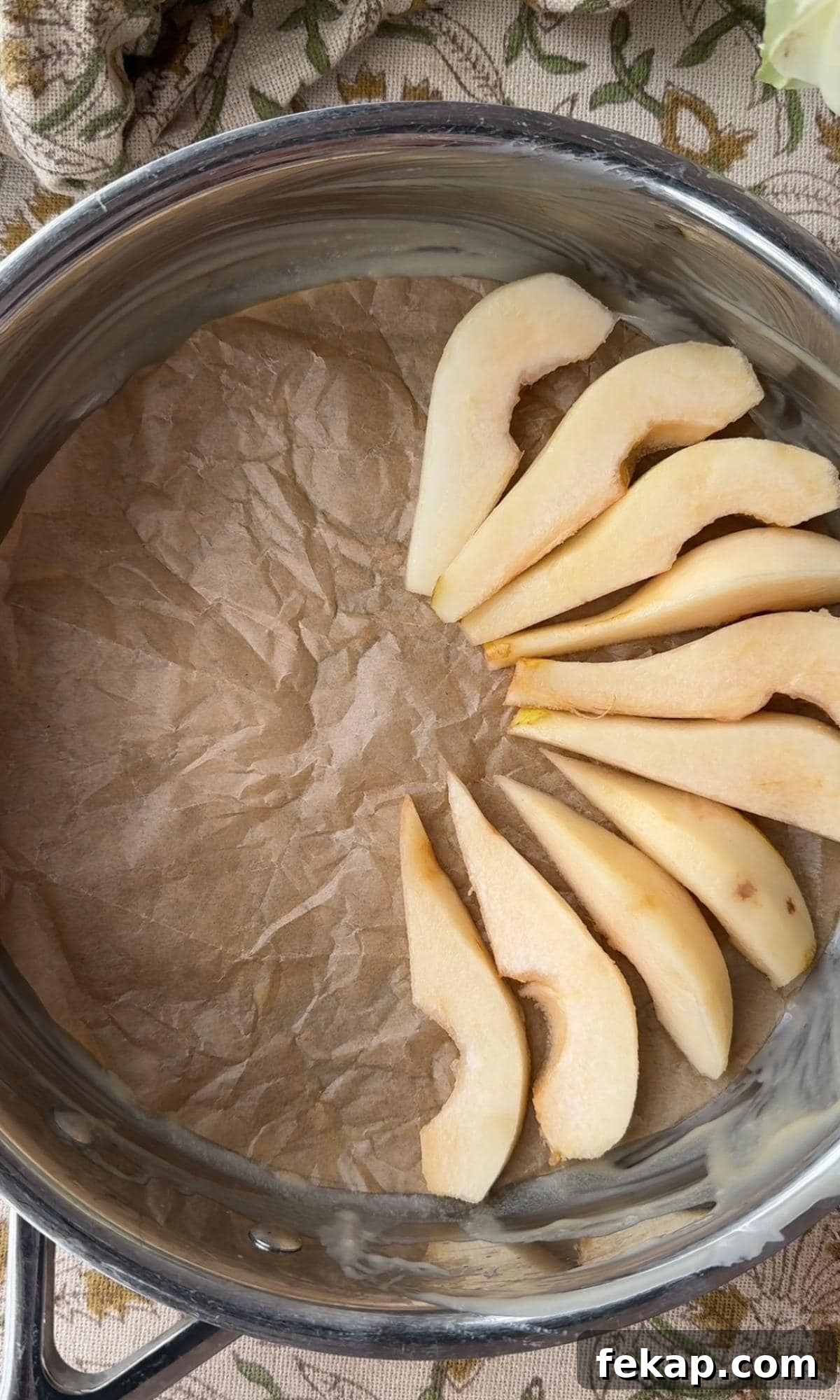
TWO: Arrange the pear slices in a neat spiral or another pattern — this will become the cake top once turned out.
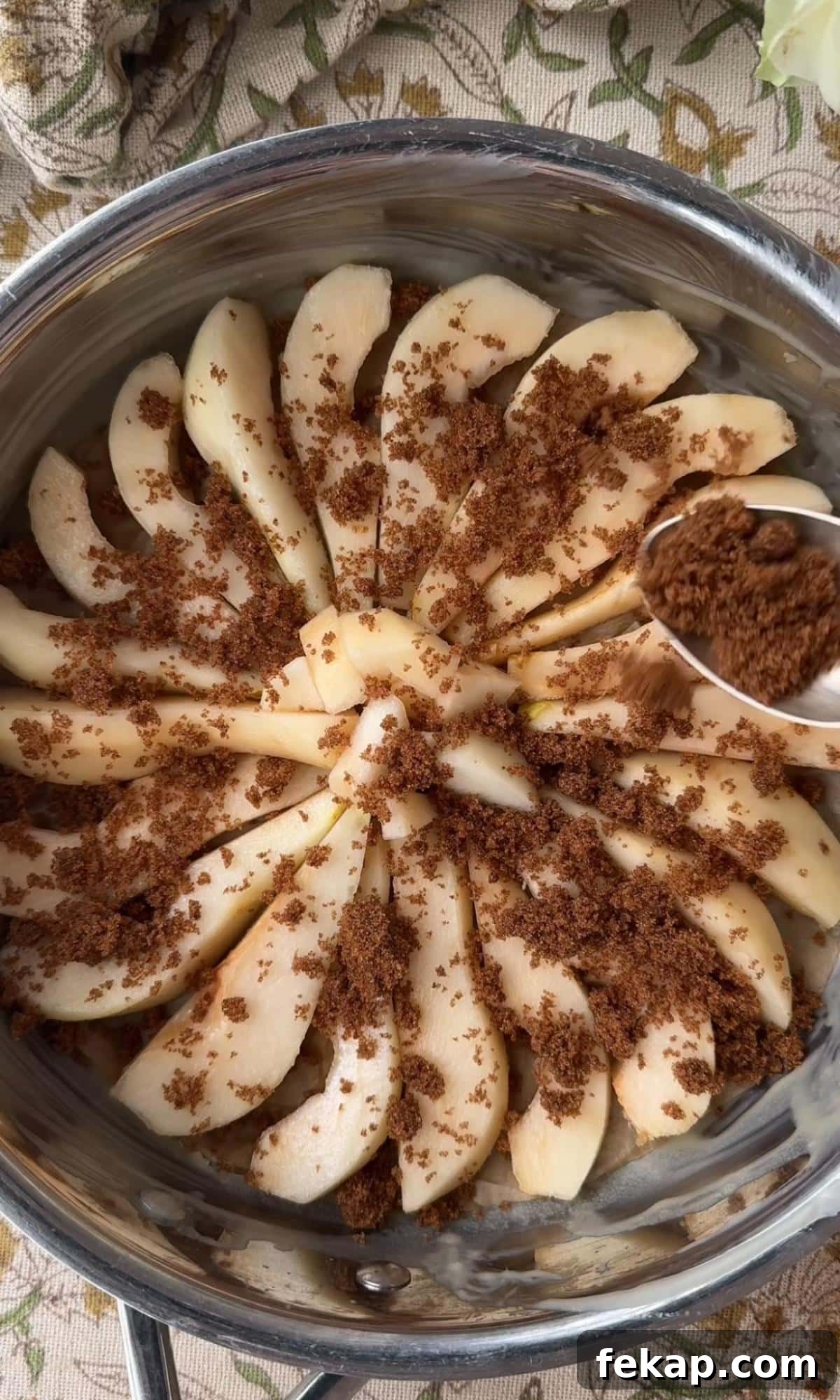
THREE: Sprinkle the pear layer with dark brown sugar to help it caramelise as the cake bakes.
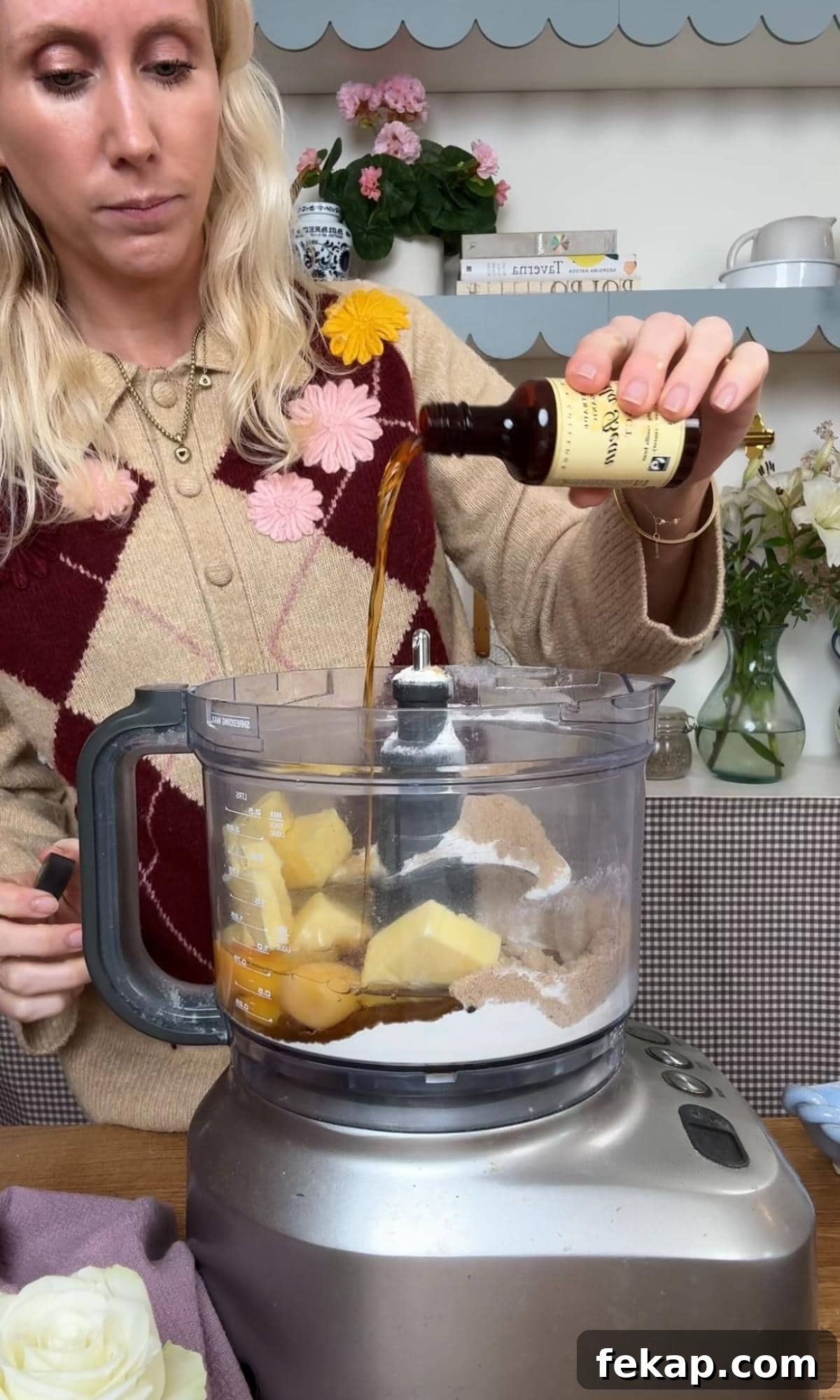
FOUR: In a food processor blend softened butter, light brown sugar, eggs and self-raising flour until smooth. If you don’t have a food processor, cream butter and sugar with an electric whisk, then add the eggs and fold in the flour.
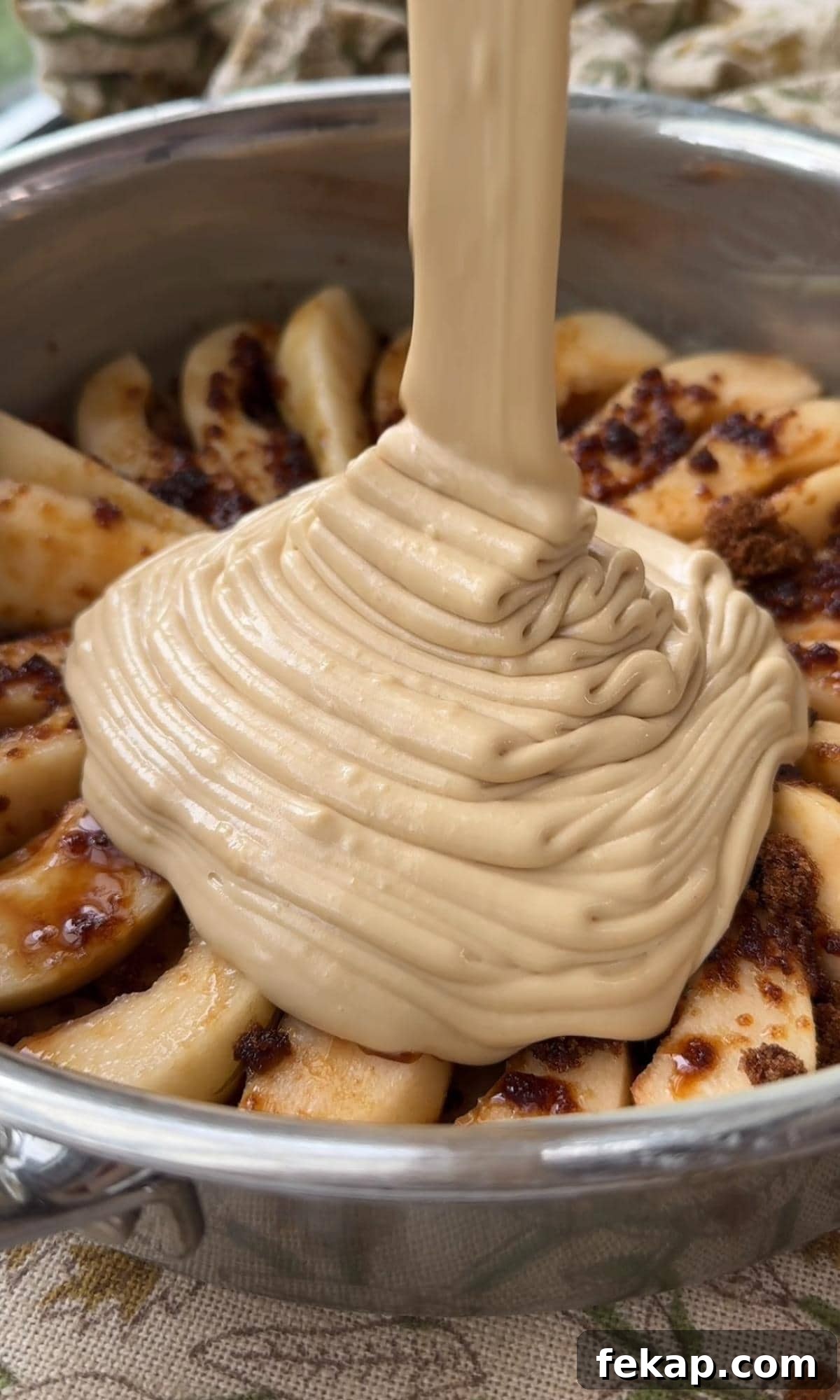
FIVE: Pour the batter evenly over the pears and spread gently. Bake for around 35 minutes or until a skewer inserted into the sponge (away from the fruit) comes out clean.
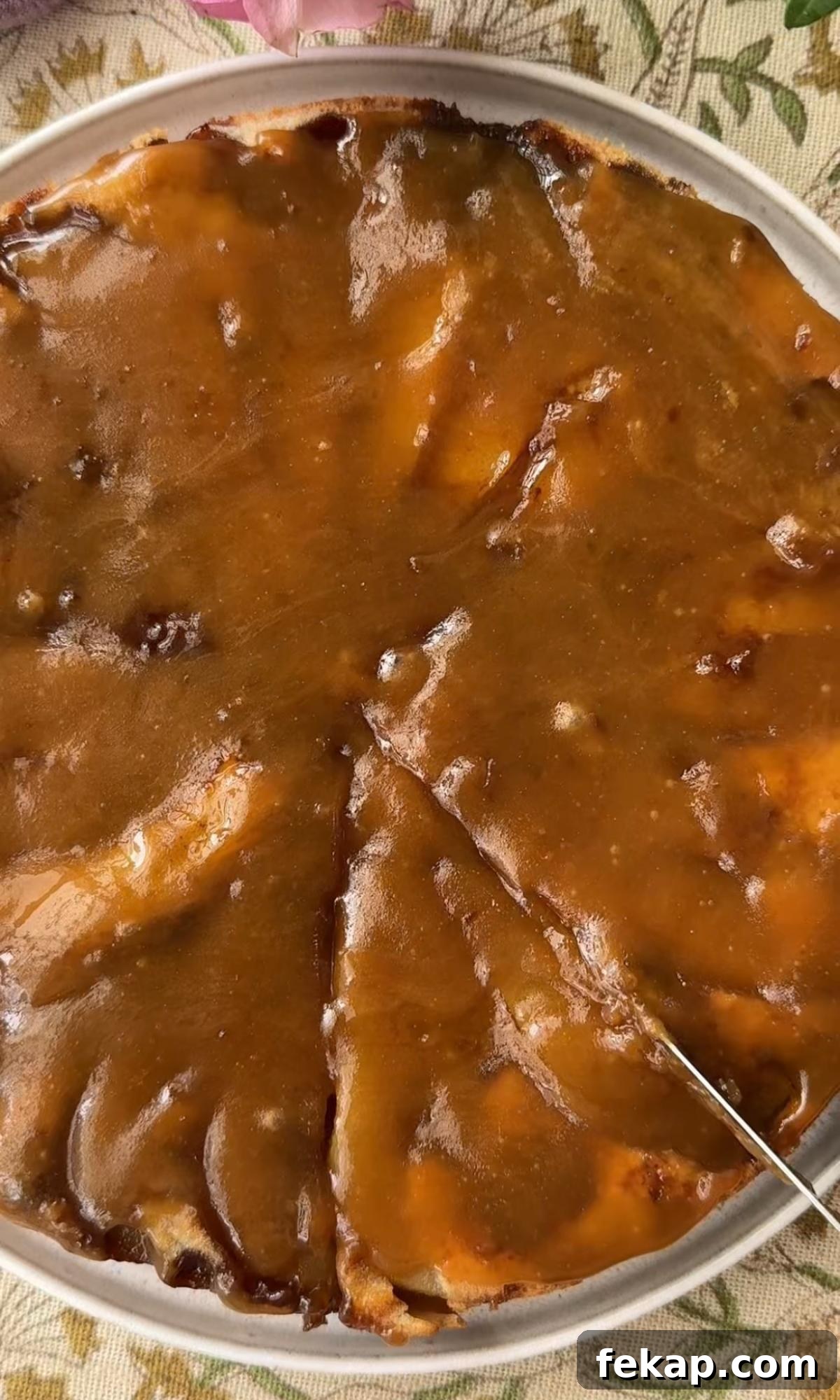
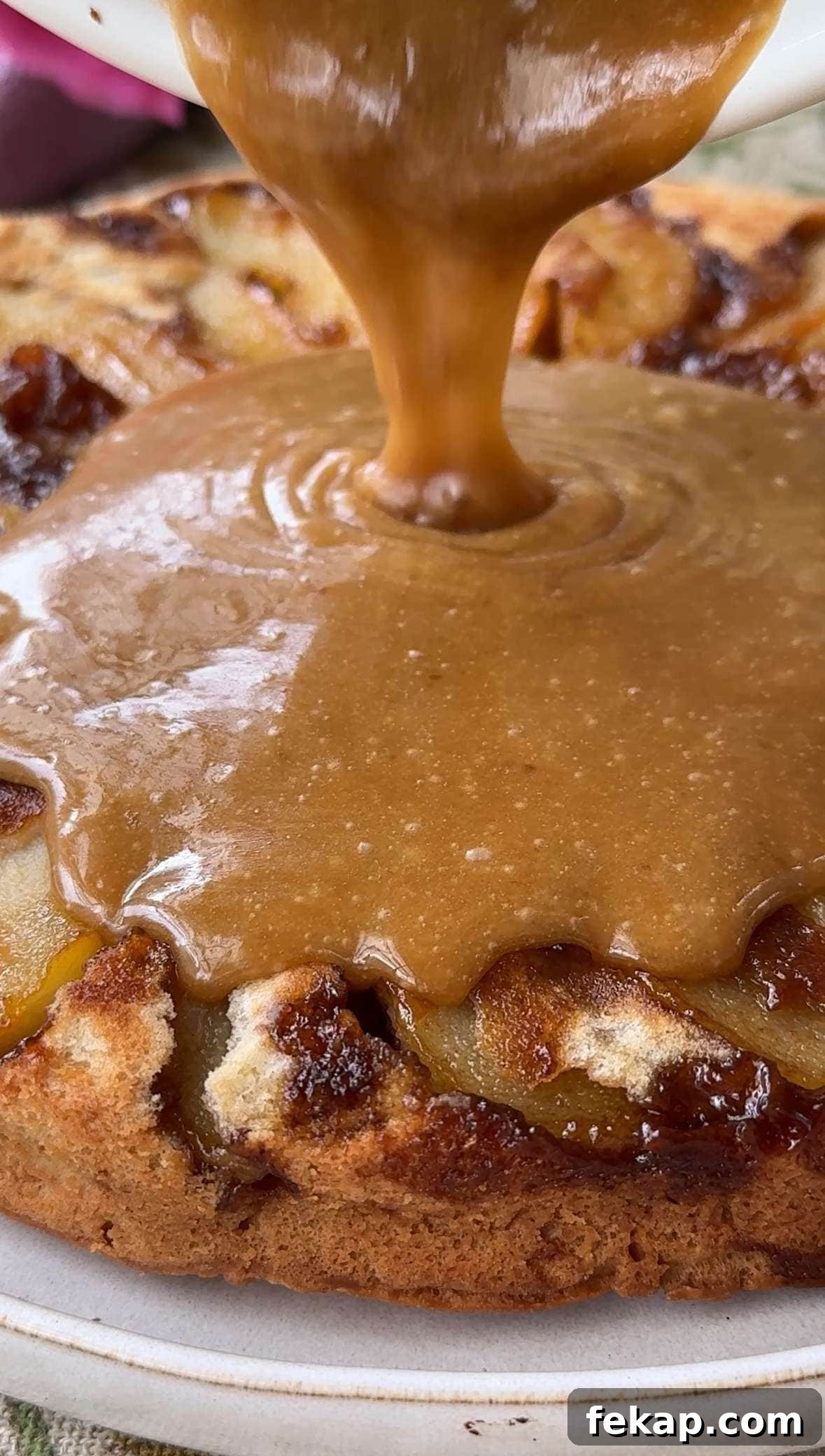
SIX: Make the fudge sauce by melting butter with light brown sugar and a little lemon juice until glossy. Allow the cake to cool, then pour the warm sauce over the surface and slice to serve.
Cooking Tips
Pan choice: A spring-form tin gives neat sides; a sauté pan or ovenproof frying pan gives a more rustic look. Both work.
Avoid overmixing: A few small lumps in the batter are fine. Overbeating develops gluten and can make the cake tough. Use room-temperature butter so it blends evenly.
Frequently Asked Questions
Because the pears release juice, a skewer pushed through a fruit slice will look wet. Insert the skewer into the centre of the sponge portion, avoiding pear slices. If it comes out clean or with a few moist crumbs, the cake is done.
Yes. Reheat gently over low heat and stir to prevent crystallisation. Add a splash of warm cream or water if it looks grainy and avoid boiling while reheating.
Firmer varieties such as Bosc or Conference hold their shape better during baking. Softer pears like Comice are juicier but may lose shape; both produce excellent flavour, so choose based on the appearance you prefer.
Other recipes you might enjoy
Try other upside-down and fruit-forward cakes such as caramelised banana upside-down cake, plum & yoghurt upside-down cake, or a raspberry and ricotta cake. For something richer, a custard crème brûlée cake or a salted caramel cheesecake are delicious choices.
Puddings
Apple Crumble Cheesecake
Easy Baking Recipes
Ballymaloe’s Tunisian Orange Cake (Gluten Free)
Easy Baking Recipes
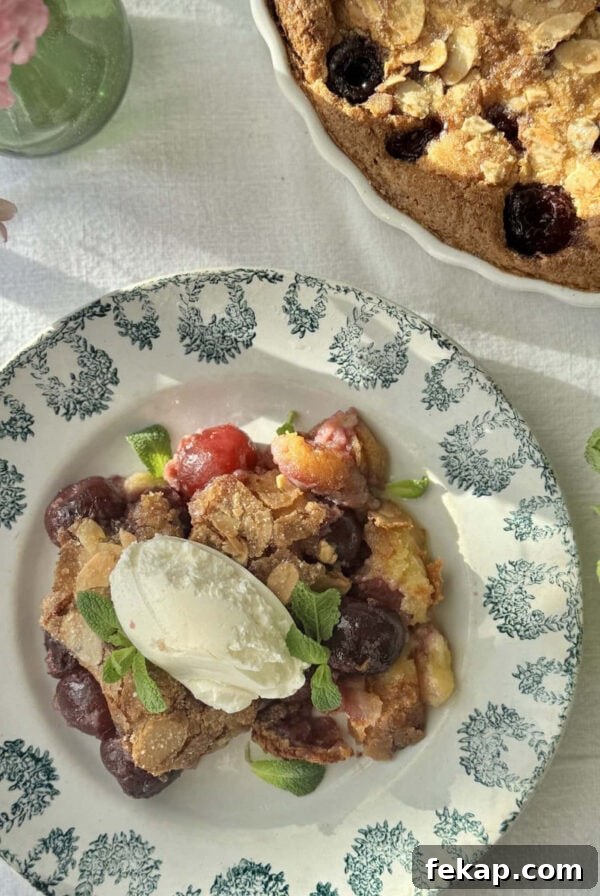
Clafoutis aux Cerises (French Cherry Dessert)
Easy Dessert Recipes
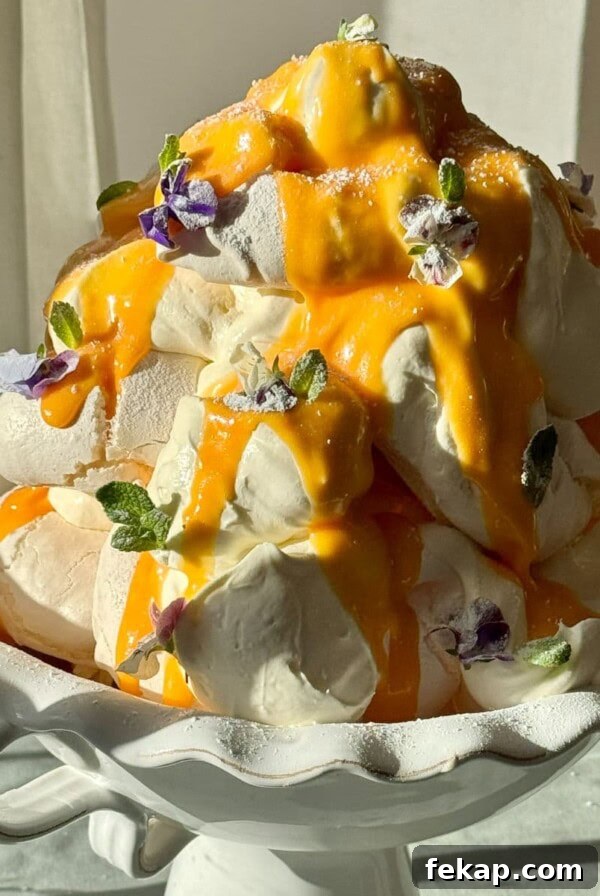
Lemon Meringues
If you try this Pear Cake or another recipe from this collection, please consider leaving feedback or a rating to let others know how it went.
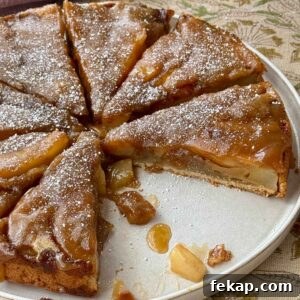
Upside-Down Pear Cake with Fudge Sauce
This fudgy upside-down pear cake is simple to make yet impressive to serve. It’s warming and rich, full of fruit and finished with a silky fudge sauce.
Prep: 20 mins | Cook: 35 mins | Total: 55 mins | Servings: 12
Rating: 5 from 2 votes
Ingredients
For the cake:
- 3 pears, cut into eighths
- 50 g dark brown sugar
- 175 g butter, softened
- 175 g light brown sugar
- 175 g self-raising flour
- 4 eggs
For the fudge sauce:
- 110 g butter
- 110 g light brown sugar
- 1 tbsp lemon juice
Instructions
For the cake:
- Line and butter a 25 cm ovenproof frying pan or cake tin, ensuring the base is well greased. Preheat the oven to 180°C / 160°C fan / 355°F. If using a slightly smaller tin, baking time may increase slightly.
- Peel, halve and core the pears, then slice thinly.
- Arrange the pear slices in a spiral pattern in the base of the pan and sprinkle with 50 g dark brown sugar.
- In a food processor, blend the softened butter, 175 g light brown sugar, eggs and self-raising flour until smooth. If you don’t have a food processor, cream butter and sugar with an electric whisk, add the eggs, then fold in the flour.
- Pour the batter over the pears and spread gently to cover. Bake for around 35 minutes or until a skewer inserted into the centre of the sponge (not through the fruit) comes out clean.
- Allow the cake to cool in the tin for 2 minutes, then carefully turn it out onto a plate and cool completely.
Make the fudge sauce:
- Melt 110 g butter and 110 g light brown sugar in a small saucepan over low heat. Stir in 1 tbsp lemon juice and cook until the sugar has dissolved and the sauce is glossy.
- Pour the warm fudge sauce over the cooled cake, smoothing it over the surface. Slice and enjoy.
Notes
Storage: Keep in a sealed container for up to 3 days.
Reheating: Warm individual slices for 10–15 seconds in the microwave if desired; room temperature is also lovely.
Freezing: Not recommended — fruit can bleed into the cake and alter the texture.
Make ahead: The cake keeps well overnight; add the fudge sauce just before serving.
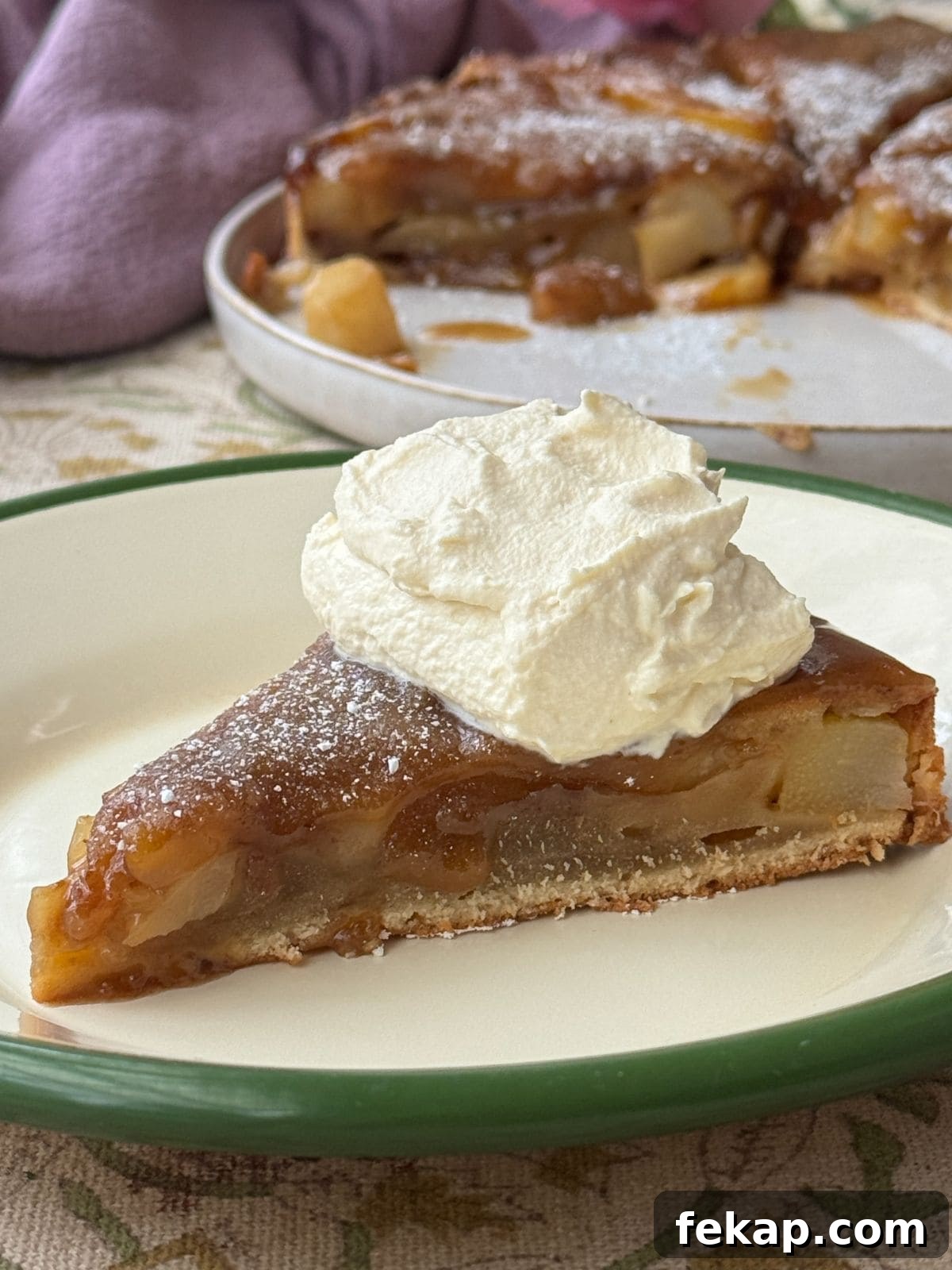
Serving suggestions: Serve with softly whipped vanilla cream, crème fraîche, yoghurt or a scoop of vanilla ice cream.
This recipe is inspired by the classic upside-down cake method — a simple, reliable technique that highlights seasonal fruit.
Nutrition
Calories: 376 kcal | Carbohydrates: 45 g | Protein: 4 g | Fat: 21 g | Sugar: 32 g
Nutrition information is automatically calculated and should be used as an approximation.