
Looking for the best gin substitutes? Maybe gin isn’t your thing, you want a break from juniper-forward flavors, or you simply want to try something new. Whatever the reason, there are plenty of spirits and liqueurs that offer the herbaceous, floral, bitter, or aromatic qualities that gin lovers appreciate—while bringing their own distinct character. Below is a curated list of ten excellent alternatives to gin, each combining botanicals, spices, or flavors in inventive ways that make them ideal swaps in cocktails or for sipping on their own.
Table of Contents
10 Best Gin Substitutes
- Amaro Montenegro
- Belsazar Vermouth
- Graham’s Blend No.5
- Kamm & Sons
- Lillet Blanc
- Mr. Black
- Patron XO Café
- Vecchia Romagna Tre Botti
- Villa Lobos Reposado
- Stryyk Not Gin

Amaro Montenegro
Amaro Montenegro is a classic Italian amaro that shares gin’s complexity through a layered blend of herbs and spices. Sweet, herbal, and aromatic, it makes an excellent after-dinner sipper and can work as a gin substitute in cocktails where you want botanical depth rather than a juniper-forward profile. First produced in Bologna in 1885 and named after Queen Elena of Montenegro, its precise recipe remains a closely held secret.
Belsazar Vermouth
Belsazar Vermouth blends wine, botanical extracts, and a fruit brandy, producing a drink with fruity, herbal, and slightly bitter notes. Although rooted in fortified wine rather than neutral spirit, its aromatic complexity suits gin drinkers who enjoy fruity and botanical elements. The Red Vermouth, in particular, carries ripe red-berry aromas alongside a pleasant spicy finish.
Graham’s Blend No.5
Graham’s Blend No.5 is a white Port that elevates the idea of a long, mixed drink into something richer and more refined. With hand-picked grapes and small-batch production, it offers delicate fruit notes and a smooth finish. Use it as a gin substitute when you want a softer, slightly sweeter botanical profile—think of it as a refined alternative for gin-and-tonic-style serves.
Kamm & Sons
Kamm & Sons British Aperitif channels many floral and herbal elements commonly found in gin, including juniper, but it keeps its own identity by incorporating ginseng, goji berries, hibiscus, fennel, elderflower, and grapefruit peel. This results in an aperitif that feels familiar to gin drinkers while offering a distinctive, layered personality.

Lillet Blanc
Lillet Blanc is an aromatic French aperitif based on white Bordeaux wines and fruit brandy, finished with quinine and floral citrus notes. It pairs especially well with tonic water and makes a great gin alternative when you want a bright, floral, summery expression in a cocktail. Lillet’s oak maturation adds smoothness and subtle depth.
Mr. Black
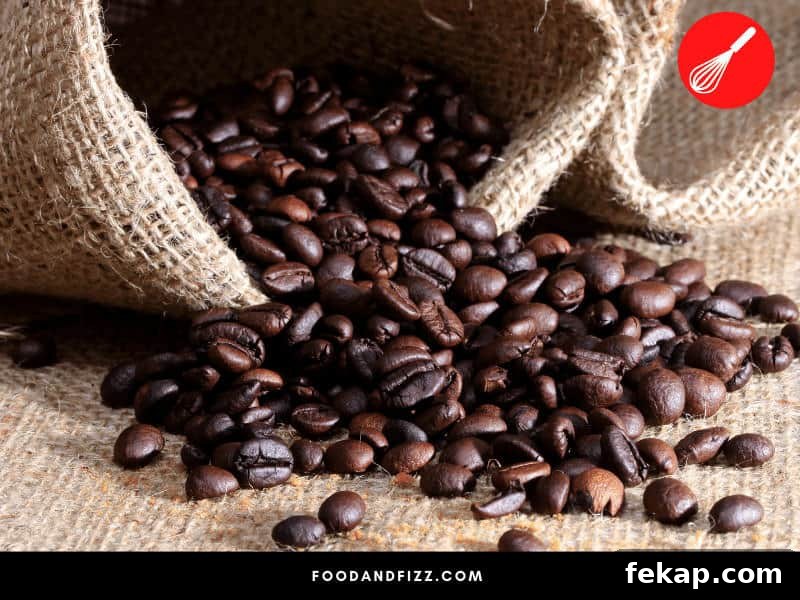
Mr. Black Cold Brew Liqueur swaps gin’s botanical angle for coffee intensity. Made from Australian grain spirit and specialty coffee beans from Brazil, Papua New Guinea, and Ethiopia, it delivers bold, roasted notes that work well in cocktails where you want a darker, more bitter counterpoint to tonic or citrus. It’s a great option when you’re after a complex, caffeinated alternative.
Patron XO Café
Patron XO Café uses tequila as its base and combines that spirit with natural coffee essence to create a liqueur that emphasizes tequila’s character rather than excessive sweetness. Produced in Jalisco, Mexico, it’s a fine choice when you want a tequila-forward substitute that adds coffee depth to cocktails in place of gin’s botanicals.
Vecchia Romagna Tre Botti
Vecchia Romagna Riserva Tre Botti is a premium brandy aged across three types of casks—Slavonian oak, French oak, and former Italian red-wine barrels. The multiple cask finishes create a layered, velvety spirit with considerable depth and a higher ABV. Use it as a gin substitute when you want full-bodied warmth and complexity rather than botanical sharpness.
Villa Lobos Reposado
Villa Lobos Reposado, crafted by Carlos Camarena, is a tequila aged in oak to develop a silky, nuanced profile. Intended as a long-drink spirit, it’s a strong alternative to gin in cocktails where you’d normally use a long, tonic-style serve. Its oak aging and gentle spice make it an appealing, drinkable substitute.
Stryyk Not Gin
Stryyk Not Gin is a non-alcoholic alternative that recreates juniper-led, herbal flavors without the alcohol. Made from juniper, rosemary, and basil with no added sugar or artificial flavors, it mixes well with tonic and offers a convincing alcohol-free option for those avoiding alcohol but missing gin’s botanical profile.

Afterword: 10 Best Gin Substitutes
Choosing a suitable gin substitute depends on which aspects of gin you most enjoy—juniper, citrus, floral, bitter, or herbal notes. The options above span aromatized wines, aperitifs, amaros, brandies, tequilas, coffee liqueurs, and non-alcoholic alternatives. Experimentation is key: try these substitutes neat, with tonic, or in classic gin cocktails to discover new flavor directions while preserving the balance and complexity you expect from a quality spirit.
Frequently Asked Questions on 10 Best Gin Substitutes
If I am allergic to gin, is there a good substitute I can use?
Yes. Depending on the recipe or cocktail, aromatic fortified wines, amaros, tequilas, or non-alcoholic botanical alternatives can replace gin. The flavor will differ, but these substitutes can introduce new and enjoyable profiles.
Can I use vodka as a substitute for gin and vice versa?
Often yes. Vodka can substitute for gin in many cocktails if you don’t mind losing botanical notes, and gin can replace vodka when you want more aromatic complexity. Adjust mixers and garnishes to balance the flavor differences.