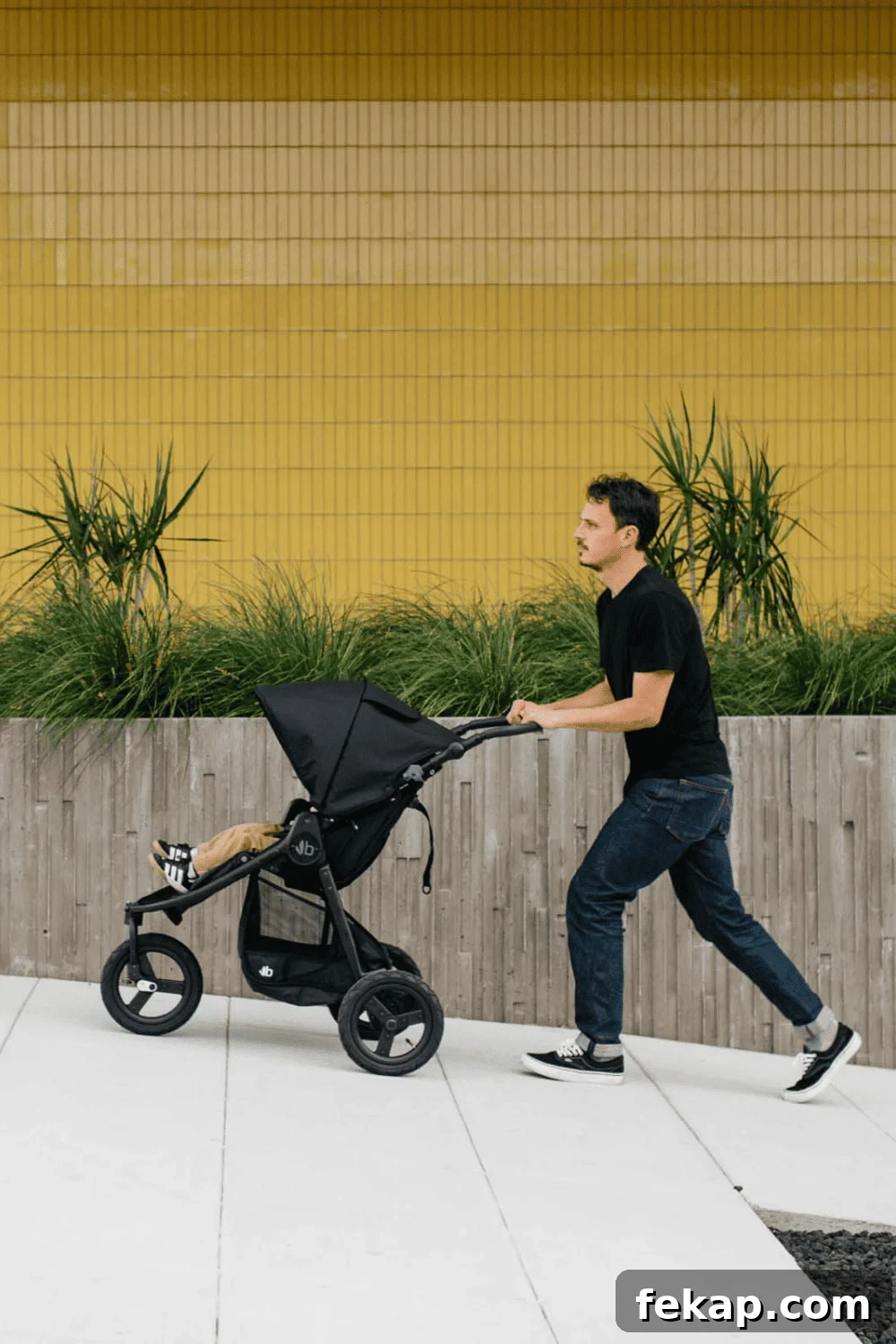
While fully plastic-free strollers are rare, many high-quality options in the U.S. market now avoid the most concerning chemicals—especially PFAS and added flame retardants. I researched widely to highlight non-toxic stroller brands that combine safer materials with practical features and strong user reviews.
This guide includes non-toxic jogging strollers, compact umbrella-style models with sun protection, car-seat-compatible travel systems, double strollers for growing families, and lightweight travel options.
In a Nutshell:
When choosing non-toxic strollers, I prioritized products that avoid PFAS and added flame retardants.
Quick highlights:
- Non-toxic jogging stroller options: Bumbleride, Guava, Chicco.
- Most compact when folded: Guava Roam.
- Best for large or growing families: Zoe Tribe.
- Most affordable non-toxic option: Chicco Lite Way (price varies by retailer).
- Best full travel systems (stroller + car seat): Nuna or Chicco (ClearTex line for an affordable FR-free option).
- Non-toxic umbrella/lightweight strollers: Chicco Lite Way, Nuna Trvl, Bugaboo Butterfly, Joolz Air+.
- Double strollers: Most of the brands covered offer double or expandable strollers; exceptions include Guava and Bombi.
This guide covers:
- Toxic Chemicals to Avoid in Strollers
- Flame Retardants
- PFAS
- PVC
- Other Plasticizers and Synthetics
- “Intentionally-Added” Chemicals vs. Contaminants
- Not All “Eco-Friendly” Strollers Are Non-Toxic
- What If You Can’t Afford a Non-Toxic Stroller?
- It’s a Changing Landscape—Stay Tuned
- Other Factors to Consider When Shopping
- Types of Strollers and Their Purposes
- Best Non-Toxic Baby Strollers (brand summaries)
- Other Strollers I Looked Into
- Do Newborns Need a Special Stroller?
This guide contains product recommendations. I only recommend products I would stand behind.
Toxic Chemicals to Avoid in Strollers
Strollers necessarily include plastics and synthetic materials, so finding a completely natural, plastic-free option is unrealistic for most shoppers. Instead, prioritize avoiding the most harmful additives and the worst plastics when possible. Focus first on skipping flame retardants, PFAS, and PVC, then reduce exposure to other concerning additives.
Flame Retardants
Historically, flame retardants were added to many consumer items, including baby products, even though evidence that they improve fire safety is weak. These chemicals—especially legacy compounds like PBDEs—are endocrine disruptors associated with developmental delays, fertility issues, and cancer risks. Although strollers no longer face the same strict federal flammability test requirements they once did, some manufacturers continued to use flame retardants. Recent state-level bans and changing regulations mean flame retardants are being phased out from many strollers sold in the U.S., though they remain required in some regions, such as the UK.
PFAS
PFAS (per- and polyfluoroalkyl substances) are “forever chemicals” historically used to make fabrics water- and stain-resistant. Exposure has been linked to a wide range of health concerns, including certain cancers, thyroid dysfunction, liver effects, weakened vaccine response, reduced fertility, obesity, birth defects, and neurodevelopmental impacts like ADHD. Many manufacturers are switching to PFAS-free finishes—such as certain C0 or polyurethane coatings—or have avoided waterproof treatments entirely. When evaluating claims, look for products that state they are free from all PFAS or use the term “PFC-free” clearly; single-compound claims (like “PFOA-free”) are not enough, because thousands of PFAS exist.
Durable Water Repellent (DWR)
DWR finishes can be PFAS-based or PFAS-free. If a stroller advertises DWR, ask the brand which treatment it uses. PFAS-free DWRs are increasingly common, but confirmation is important if that is a priority for you.
PVC
PVC (vinyl) is one of the more problematic plastics. In strollers it’s often found in thin plastic parts and clear rain covers. PVC can contain contaminants such as phthalates, heavy metals, and other toxic additives. When possible, prefer alternatives like polyethylene or products explicitly labeled free of phthalates, lead, and cadmium.
Other Plasticizers and Synthetics
Other chemicals to avoid when possible include phthalates (used to soften plastics), BPA and other bisphenols (used to harden plastics), and certain polyurethane foams. None are unavoidable across all strollers, but many brands now offer models specifically formulated without these additives.
“Intentionally-Added” Chemicals vs. Contaminants
PFAS and similar chemicals can sometimes contaminate products during manufacturing even when they were not added on purpose. Lab testing is the only way to be confident something is 100% PFAS-free, but that testing is costly and not always definitive. The practical distinction is important: products that avoid intentionally adding PFAS or flame retardants typically have much lower risk of harmful exposure than items treated deliberately with those chemicals.
Not All “Eco-Friendly” Strollers Are Non-Toxic
“Eco-friendly” can mean many things—recycled materials, lower carbon footprint, or better manufacturing practices—but it does not automatically guarantee freedom from PFAS or flame retardants. If material safety matters to you, ask brands specific questions about PFAS, flame retardants, PVC, and other additives rather than relying solely on general sustainability claims.
What If You Can’t Afford to Buy a Non-Toxic Stroller?
New strollers can be expensive. If a new non-toxic stroller isn’t in your budget, consider these options:
- Buy secondhand from reputable platforms—try to find models made after regulations changed (post-2014 is a helpful guideline for flame retardant reductions).
- Look for refurbished models directly from brands that offer certified pre-owned options.
- Add organic or natural accessories (like a removable organic cotton insert) to limit what touches your baby directly.
- Prioritize other exposures you can control—food, personal care products, and household items also influence overall chemical burden.
It’s a Changing Landscape—Stay Tuned
Regulation and consumer pressure are accelerating the phase-out of PFAS and many flame retardants. Brands are updating formulations often, so product lines that were once problematic can improve quickly. Check current manufacturer statements and third-party certifications where available, and expect continued progress in the coming years.
Other Factors to Consider When Shopping for a Non-Toxic Stroller
Besides material safety, pick a stroller that fits your daily needs. Consider:
Car Seat Capabilities
Not every stroller will accept every infant car seat. If you want a travel system, verify compatibility or check whether the brand sells a matching car seat that meets your safety and material preferences.
Size/Width
Check both open and folded dimensions. Double strollers can be wide, and some lightweight models fold small enough for overhead bins on planes.
Ease of Folding
One-handed folding mechanisms can be invaluable when you’re juggling a child and gear.
Number, Age, and Weight of Kids
Consider whether you need expandability for additional children, newborn-ready bassinet options, weight limits, and adjustable features like recline and footrest as your child grows.
Lifestyle/Stroller Use
Think about storage capacity, cupholders, terrain (city sidewalks, trails, running), and whether you’ll need smaller-size strollers for theme parks or travel.
What Are the Different Types of Baby Strollers and Their Purposes?
Common stroller types:
- Standard / city strollers: Everyday use, comfortable seats, storage and maneuverability.
- Jogging strollers: Sturdy frames, large air-filled tires, suspension for rougher terrain.
- Lightweight / travel strollers: Compact, easy to fold, great for travel.
- Umbrella strollers: Ultra-compact and easy to carry; great for quick trips.
- Travel systems: Stroller frames that accept infant car seats for seamless transfers.
- Double / multi-child strollers: For twins or siblings close in age; available as side-by-side or tandem configurations.
Best Non-Toxic Baby Strollers
Below are brand summaries based on material safety, design, and features. These highlights focus on strollers that avoid intentionally-added PFAS and flame retardants and provide practical information for shoppers.
Bumbleride
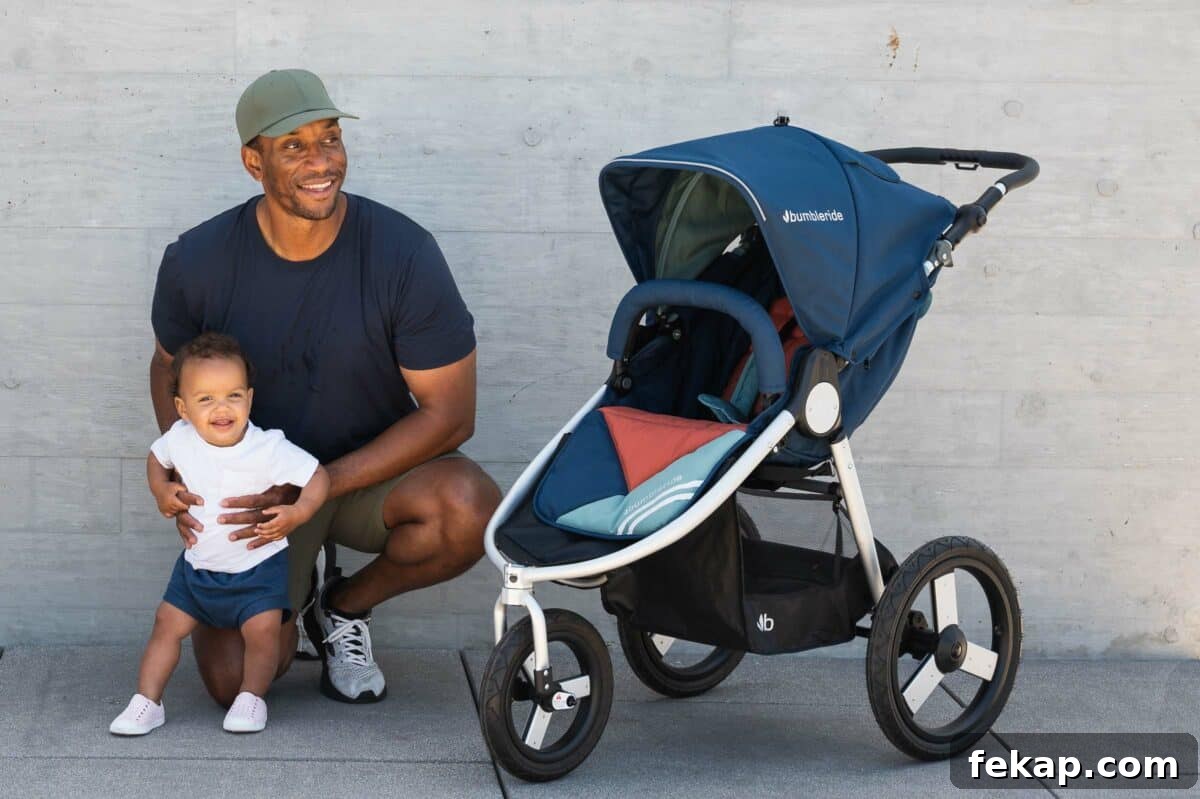
Free from: PFAS, added flame retardants (U.S. models), PVC, BPA, phthalates, polyurethane foam, and several other concerning additives. Price range: approximately $699–$1,029.
Bumbleride uses OEKO-TEX certified recycled fabrics and a PFAS-free durable water repellent called C0 for water resistance. They offer all-terrain and jogging models with air-filled tires and full suspension, plus travel-system compatibility via adaptors and third-party car seats. Their lineup includes single, double, reversible, and purpose-built jogging strollers, with a strong reputation for durability and repairable parts.
Mockingbird
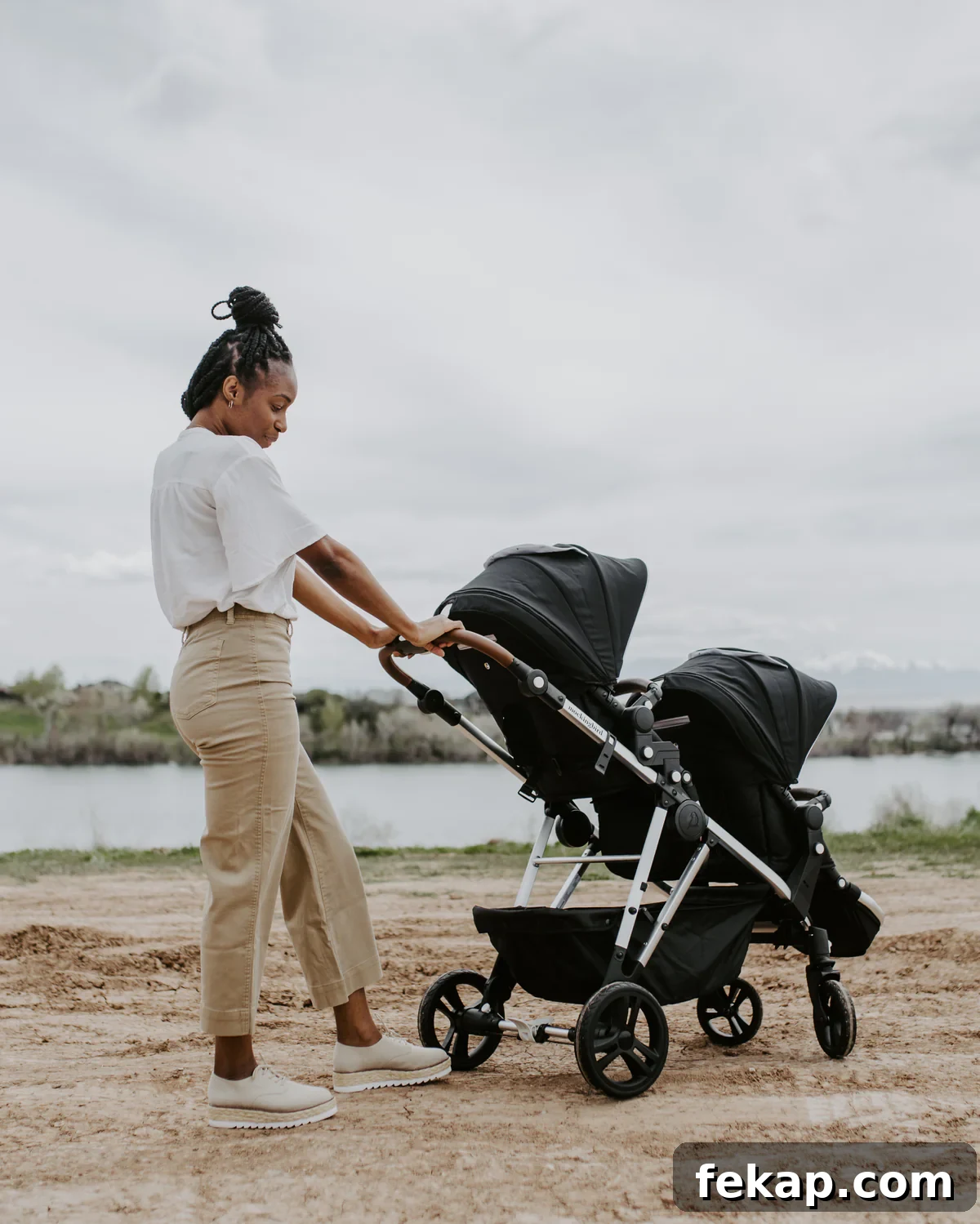
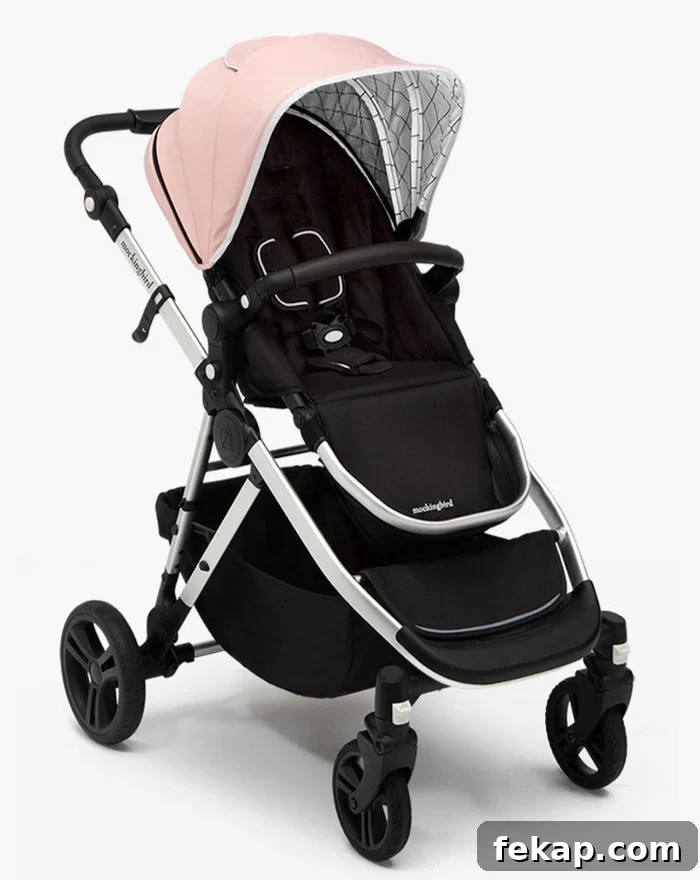
Free from: PFAS, flame retardants, PVC, BPA, phthalates. Price range: around $450.
Mockingbird offers a modular, single-to-double stroller system with UPF 50+ canopy, ample storage, and a one-hand fold. The brand provides accessories like a 2nd seat kit, bassinet, car seat adaptor, and a durable warranty policy.
Nuna
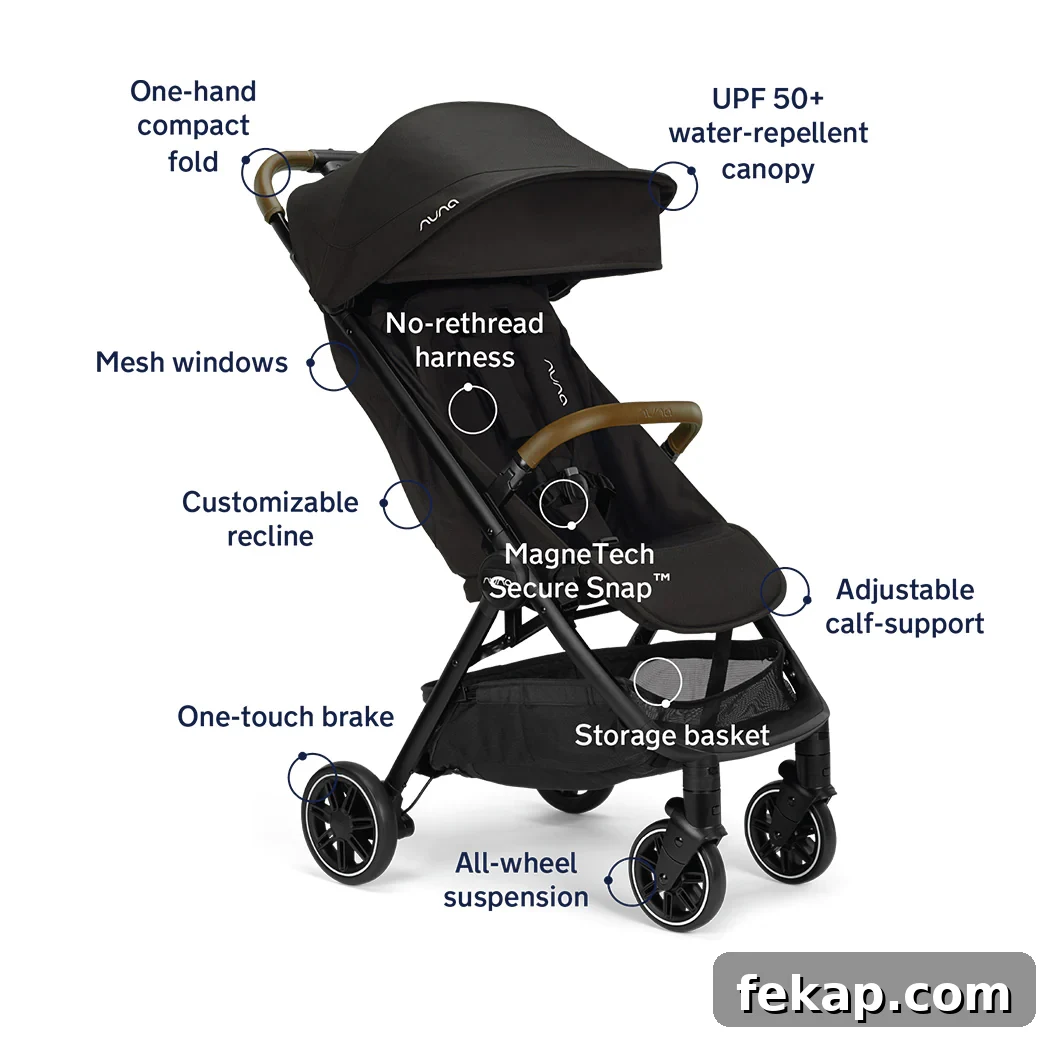
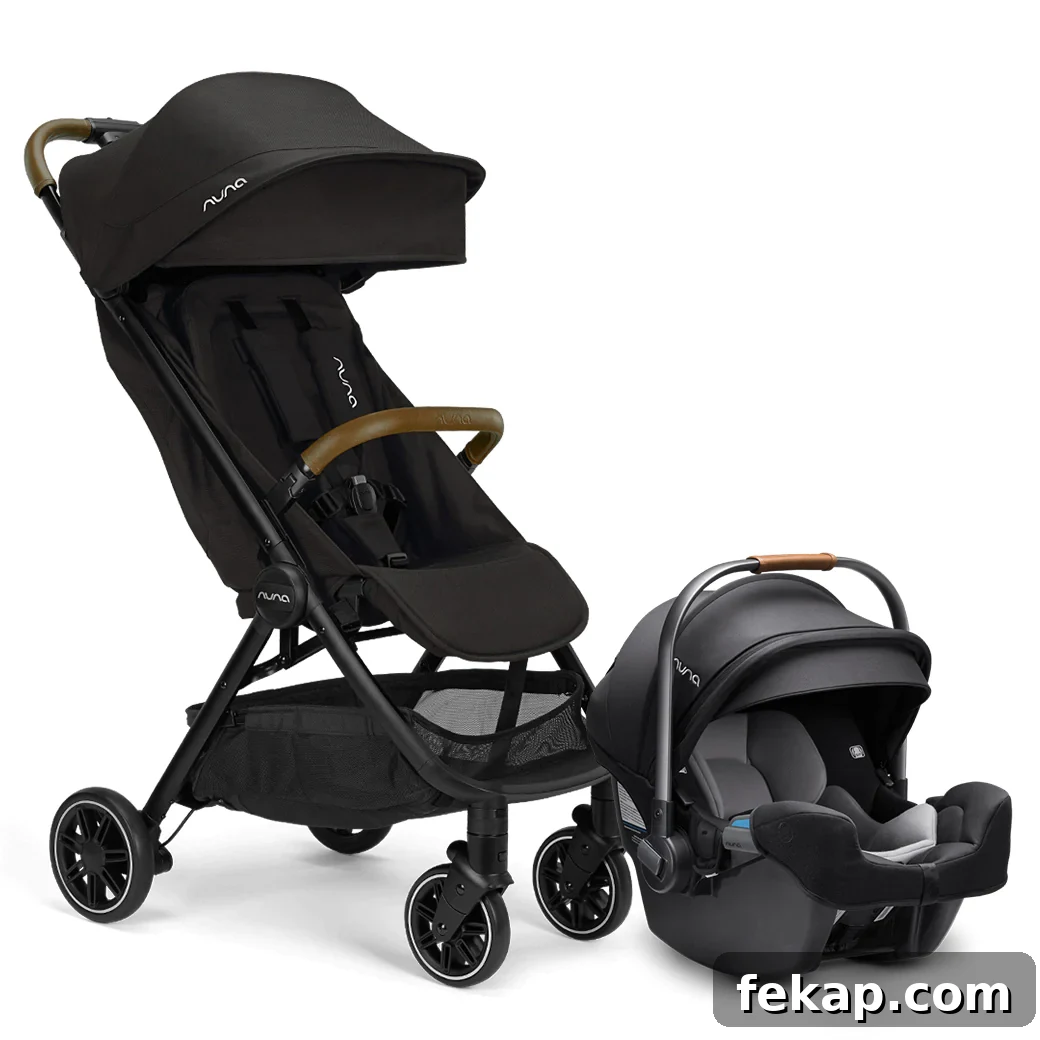
Free from: PFAS and added flame retardants in many U.S. models; GREENGUARD Gold certifications on some items. Price range: approximately $500–$1,200.
Nuna is notable for engineering car seats that meet flammability standards without added retardants, making them a strong choice for full travel systems. Many Nuna products also limit VOCs and offer high-quality fabric options like organic cotton and TENCEL.
Guava
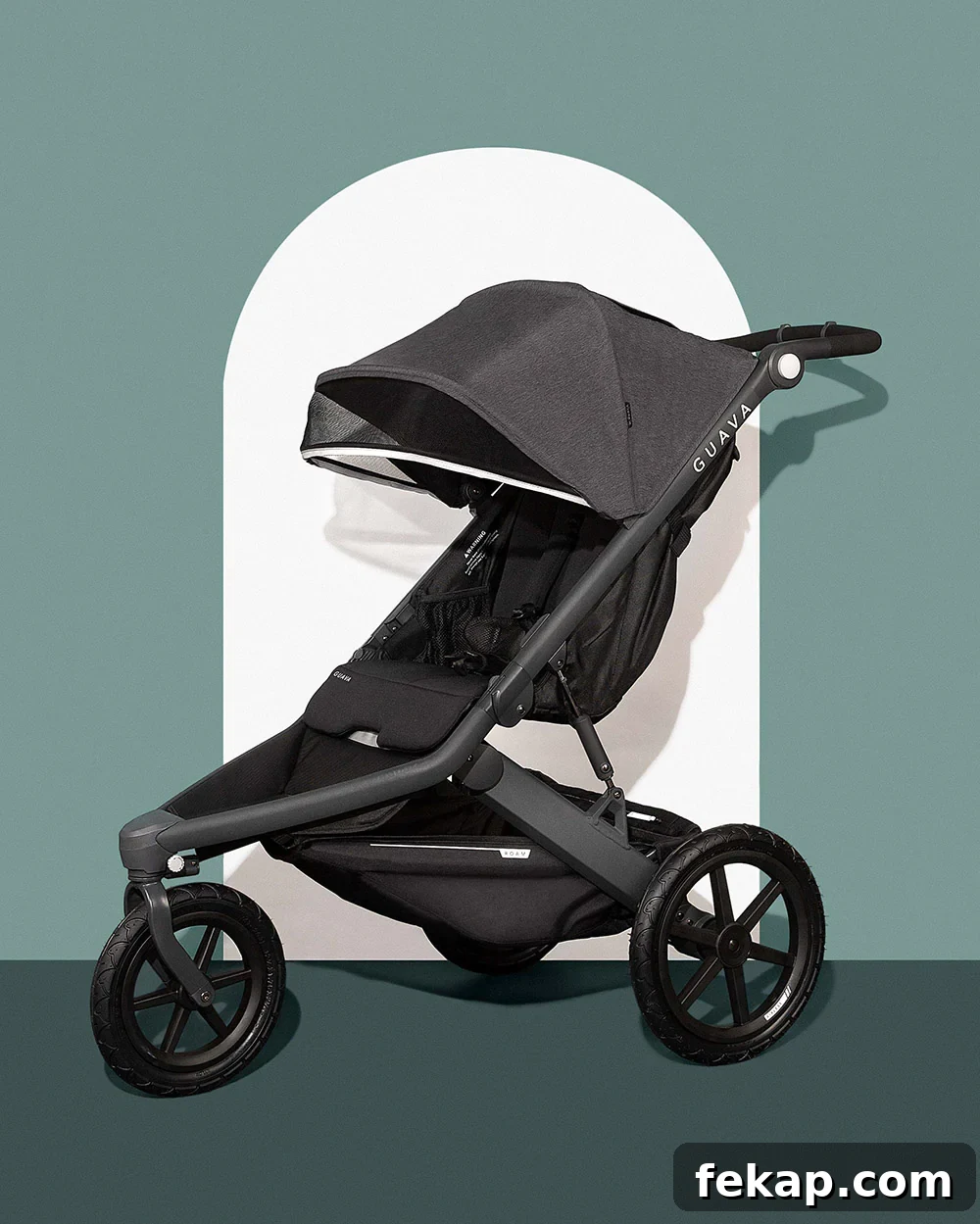
Free from: PFAS, flame retardants, PVC. Price range: around $650 for the Roam.
Guava’s Roam jogging stroller is GREENGUARD Gold certified and avoids waterproofing or stain-resistant chemicals altogether. The fabric gets weather resistance from a tight weave and a PU backing rather than PFAS. The stroller folds compactly and includes features appealing to runners and urban parents alike.
Chicco
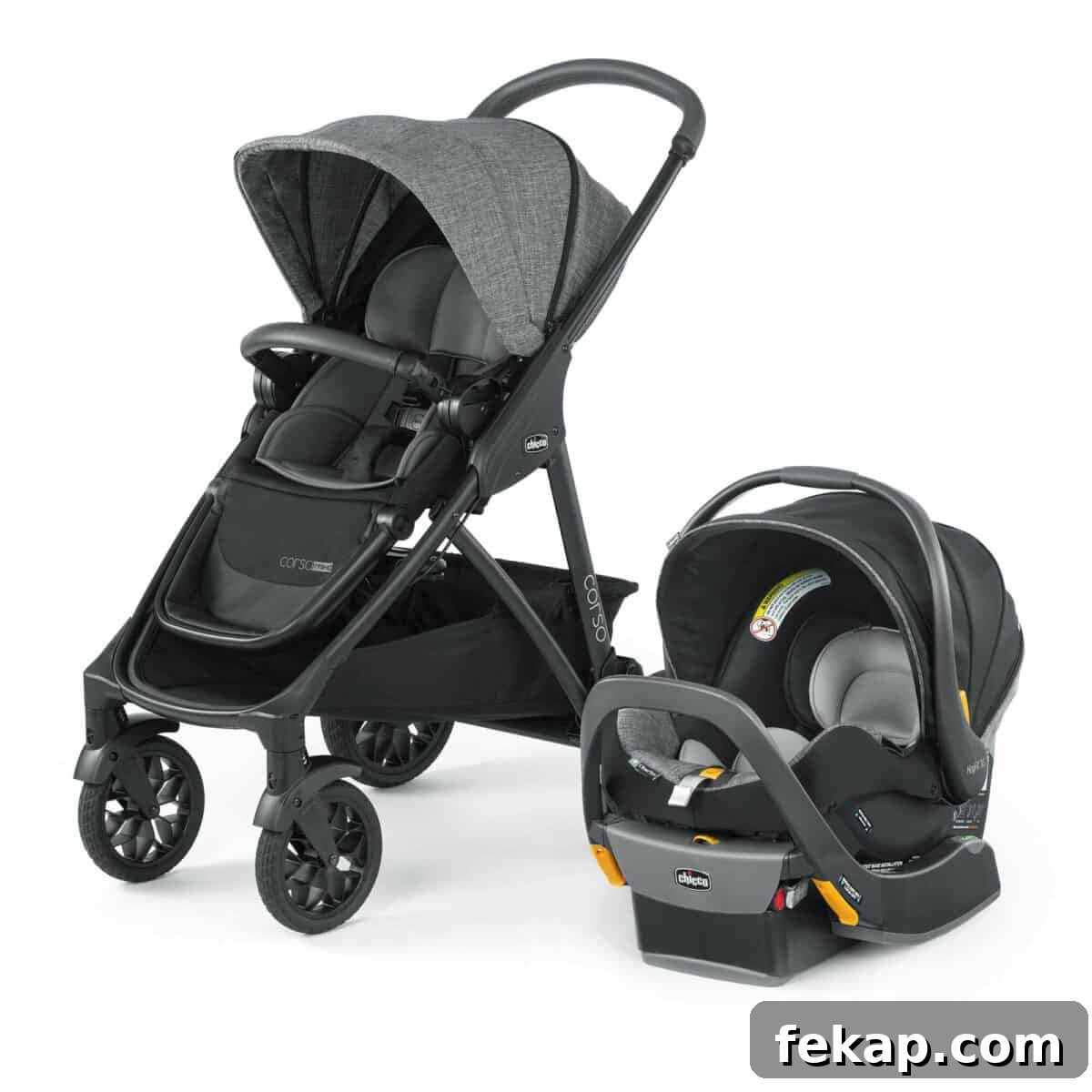
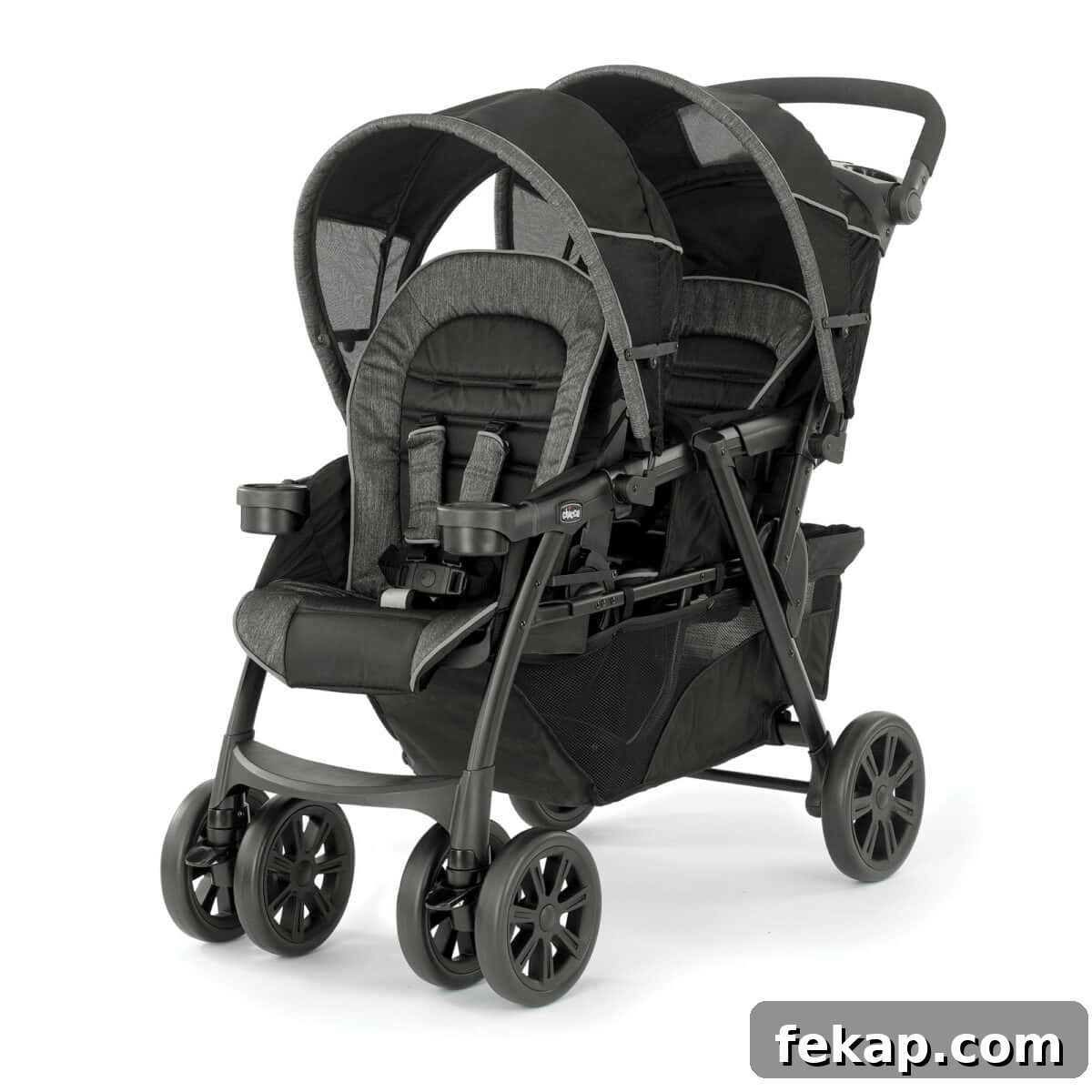
Free from: Intentionally added flame retardants and PFAS in many stroller models; some car seats require specific ClearTex options to ensure FR-free materials. Price range: roughly $110–$400.
Chicco offers a wide variety of strollers at accessible price points, including lightweight, jogging, full-size, and double models. Check each product’s specifications for PVC content and car seat compatibility.
Bugaboo
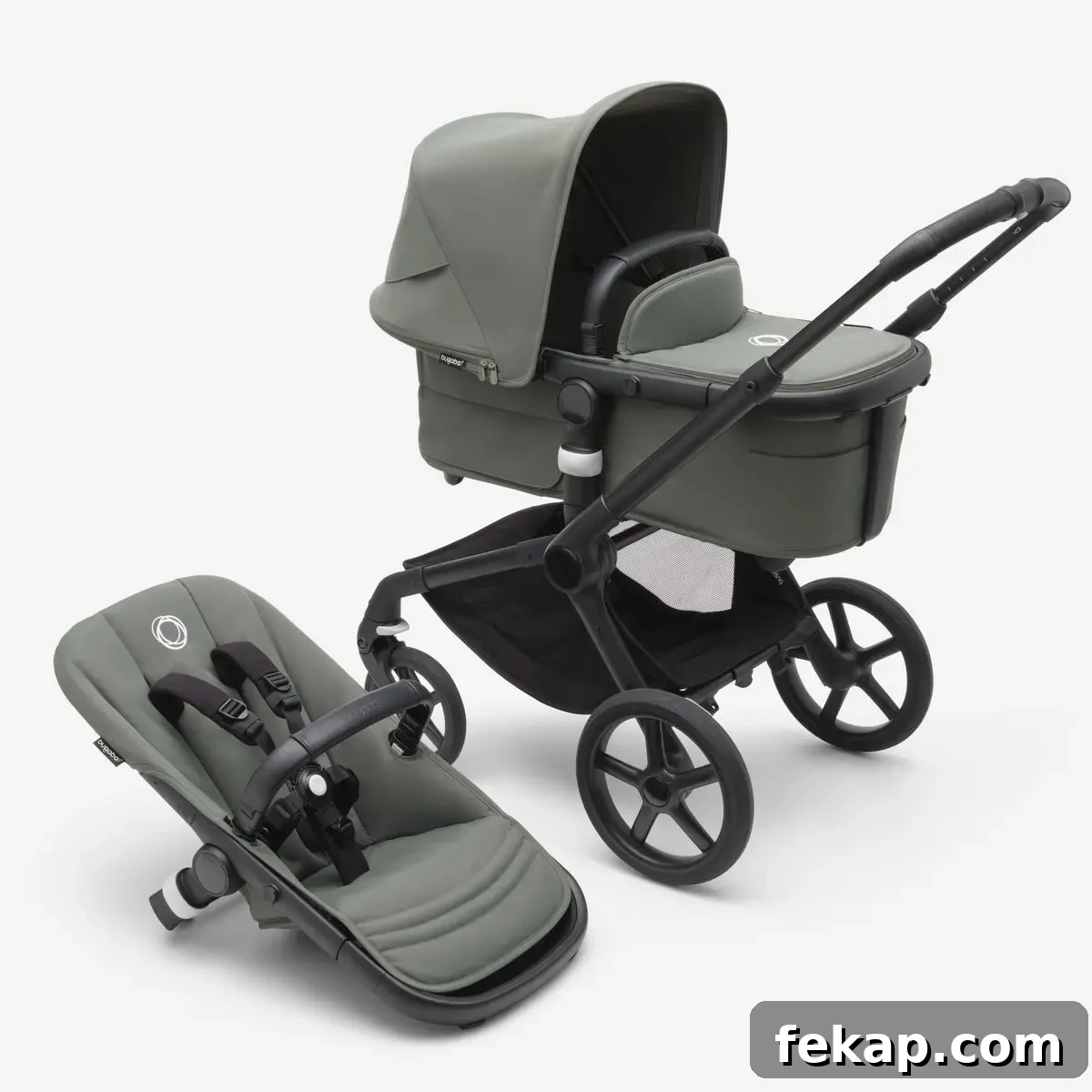
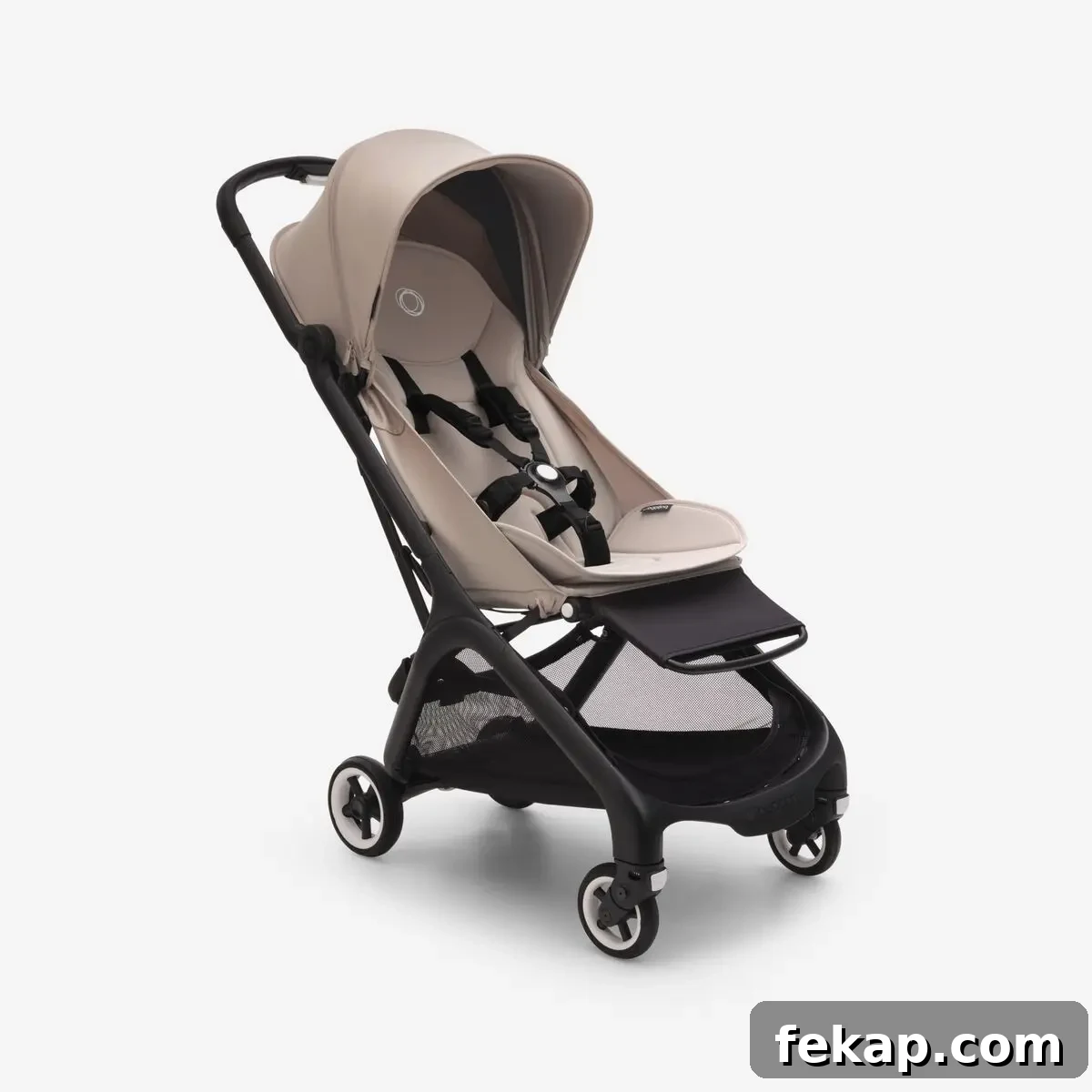
Free from: PFAS and flame retardants in U.S.-sold models. Price range: premium segment, generally $1,300–$2,198.
Bugaboo offers highly customizable, durable strollers with many configurations, including newborn-ready bassinets and convertible options. Be mindful when buying secondhand—older models may contain PFAS or other additives that newer models no longer use.
Bombi
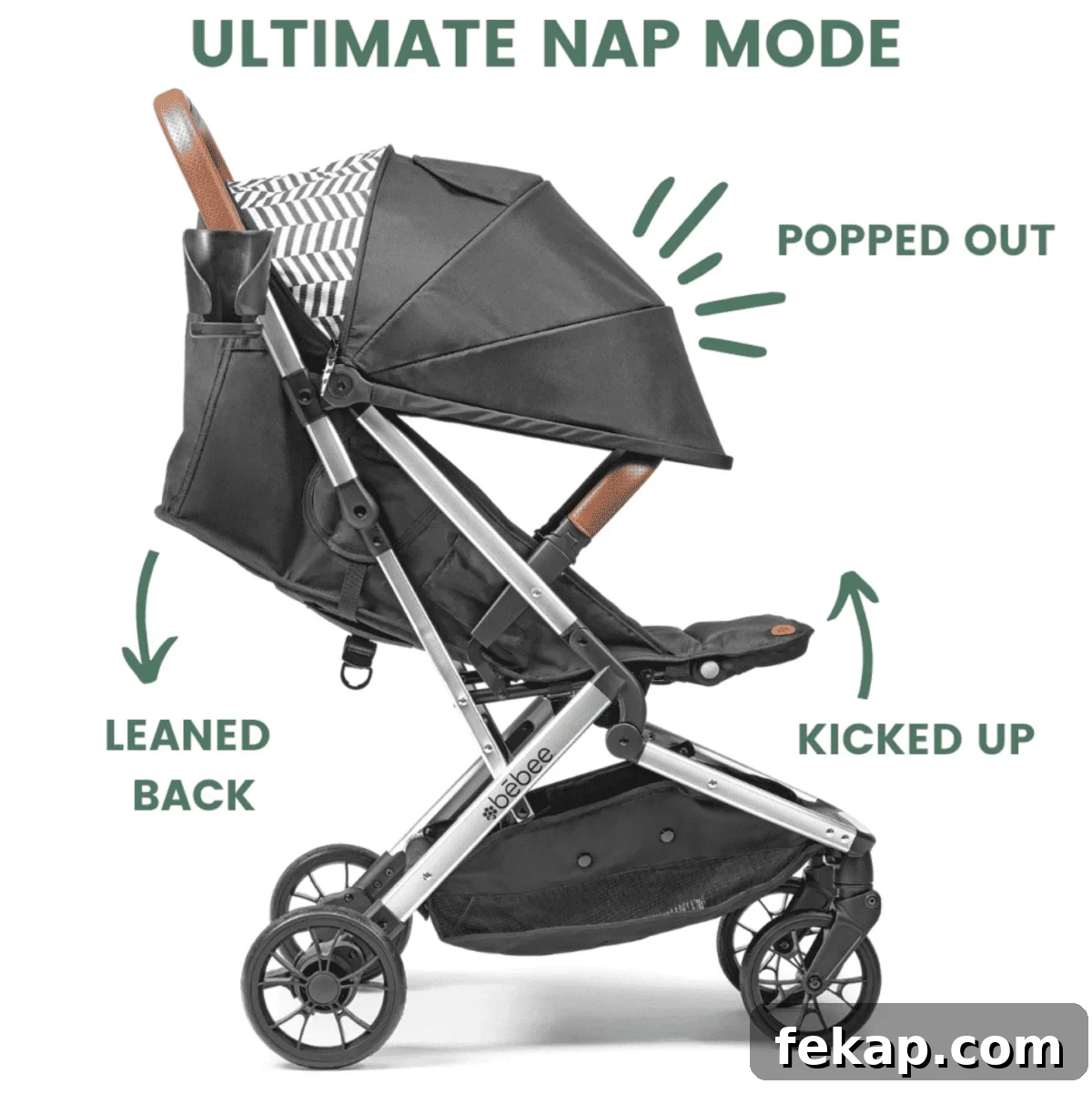
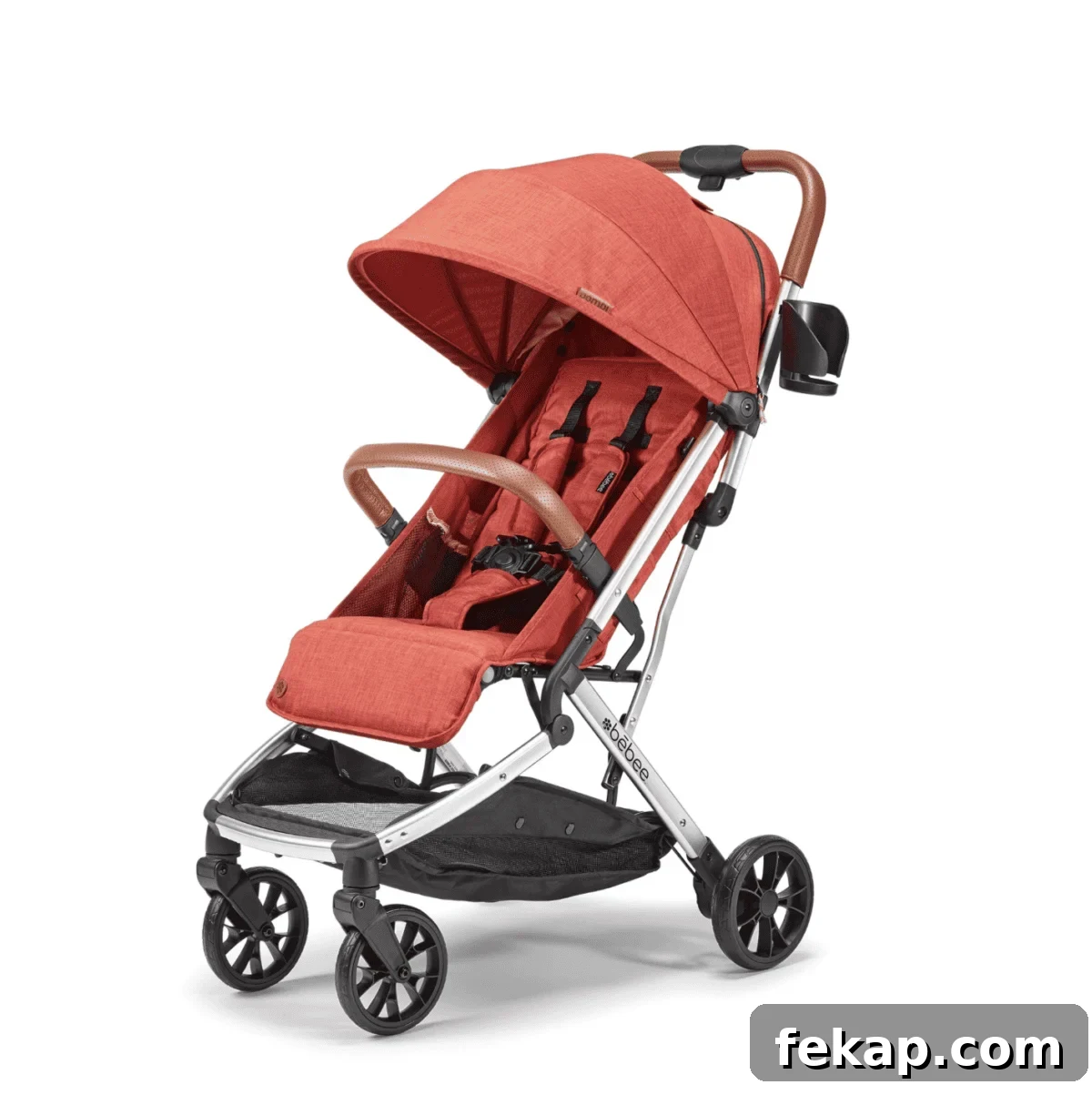
Free from: PFAS, flame retardants, polyurethane foam in many models. Price range: budget-friendly, approximately $200.
Bombi focuses on simple, lightweight designs without added DWR treatments. Their single available model includes a one-handed fold, large canopy with UV protection, and recycled-fabric construction—though the rain cover is PVC.
Joolz
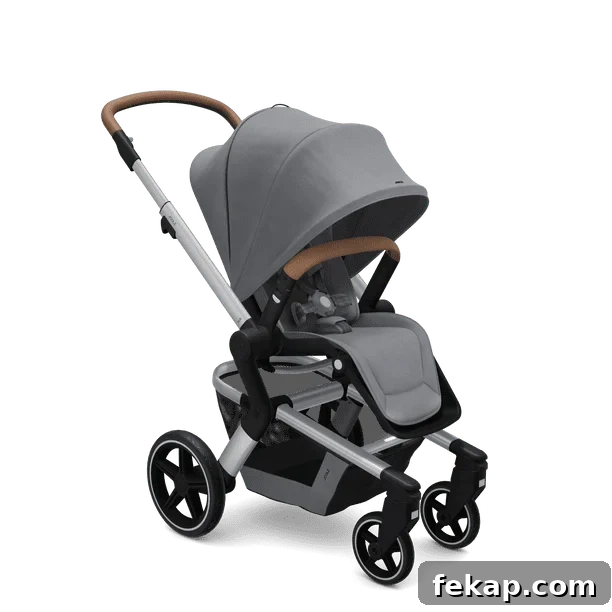
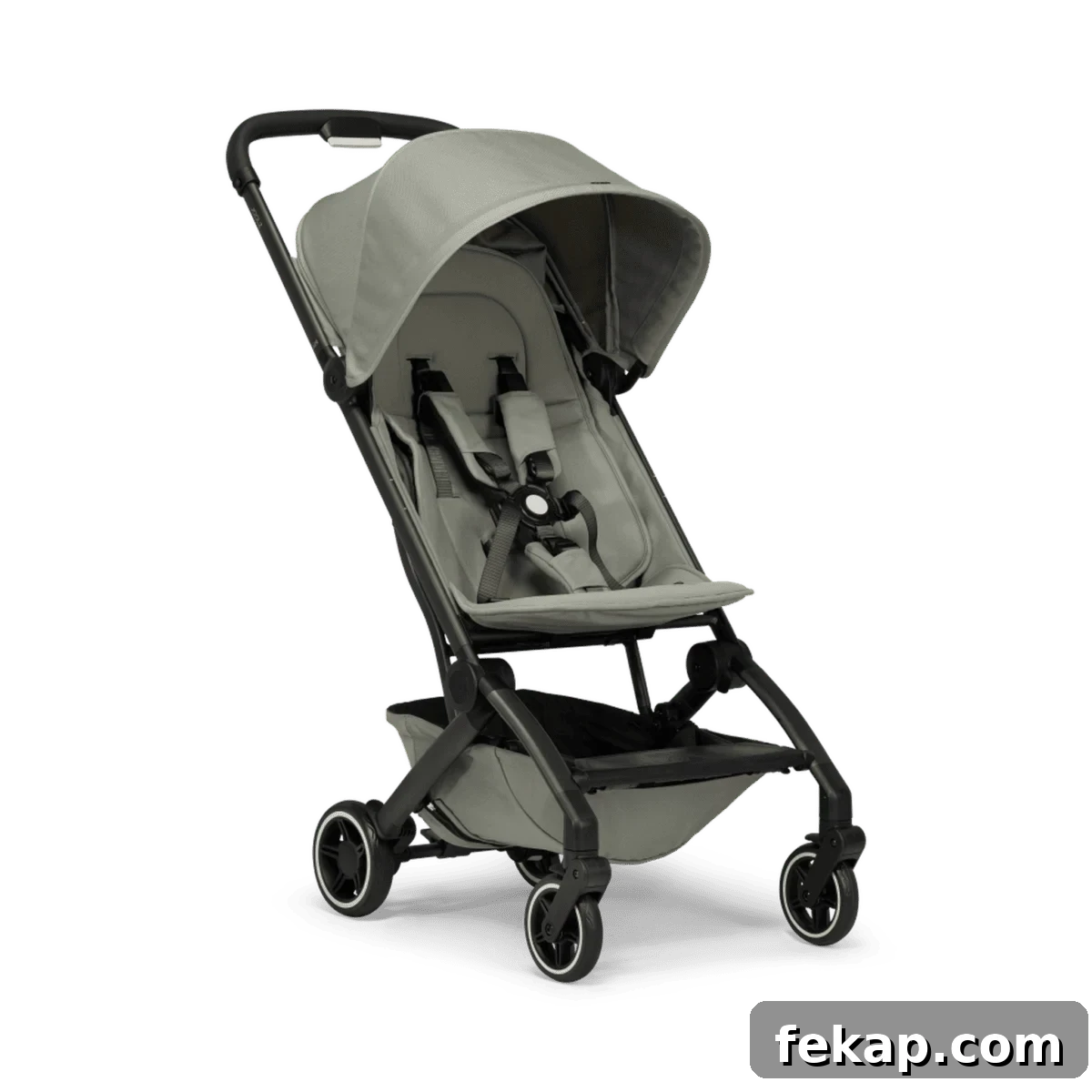
Free from: PFAS, flame retardants, phthalates, BPA. Price range: $449–$1,099.
Joolz offers daily-use strollers, bassinet-ready options, and airplane-compatible lightweight models. The brand provides long transferable warranties and eco-conscious practices such as tree planting per purchase.
Zoe
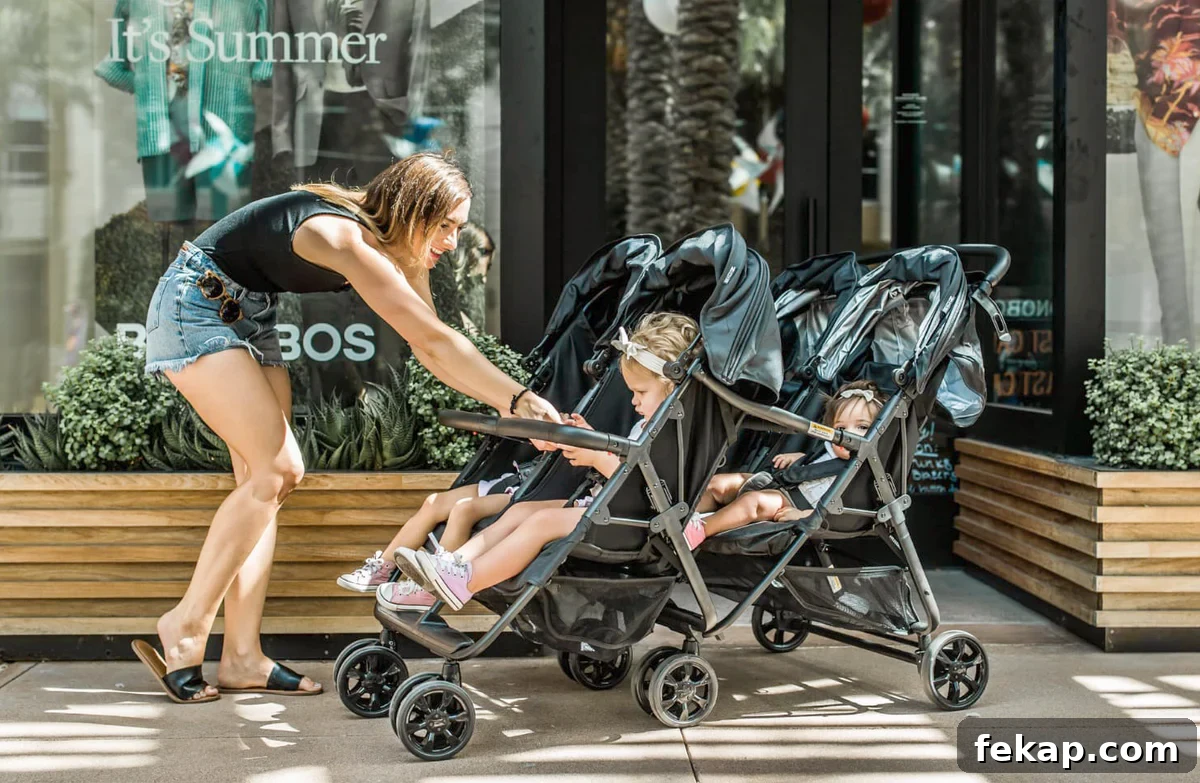
Free from: PFAS, flame retardants, BPA, pesticides, phthalates, polyurethane foam, formaldehyde. Price range: $249–$649.
Zoe stands out for modular systems built to carry multiple children—singles convert to doubles, triples, or even quads. Their fabrics use recycled and food-grade plastics where possible, and water resistance comes from a PU coating rather than PFAS. Lightweight options and one-hand folding make Zoe a practical choice for larger families.
Greentom (Only Available in Europe)
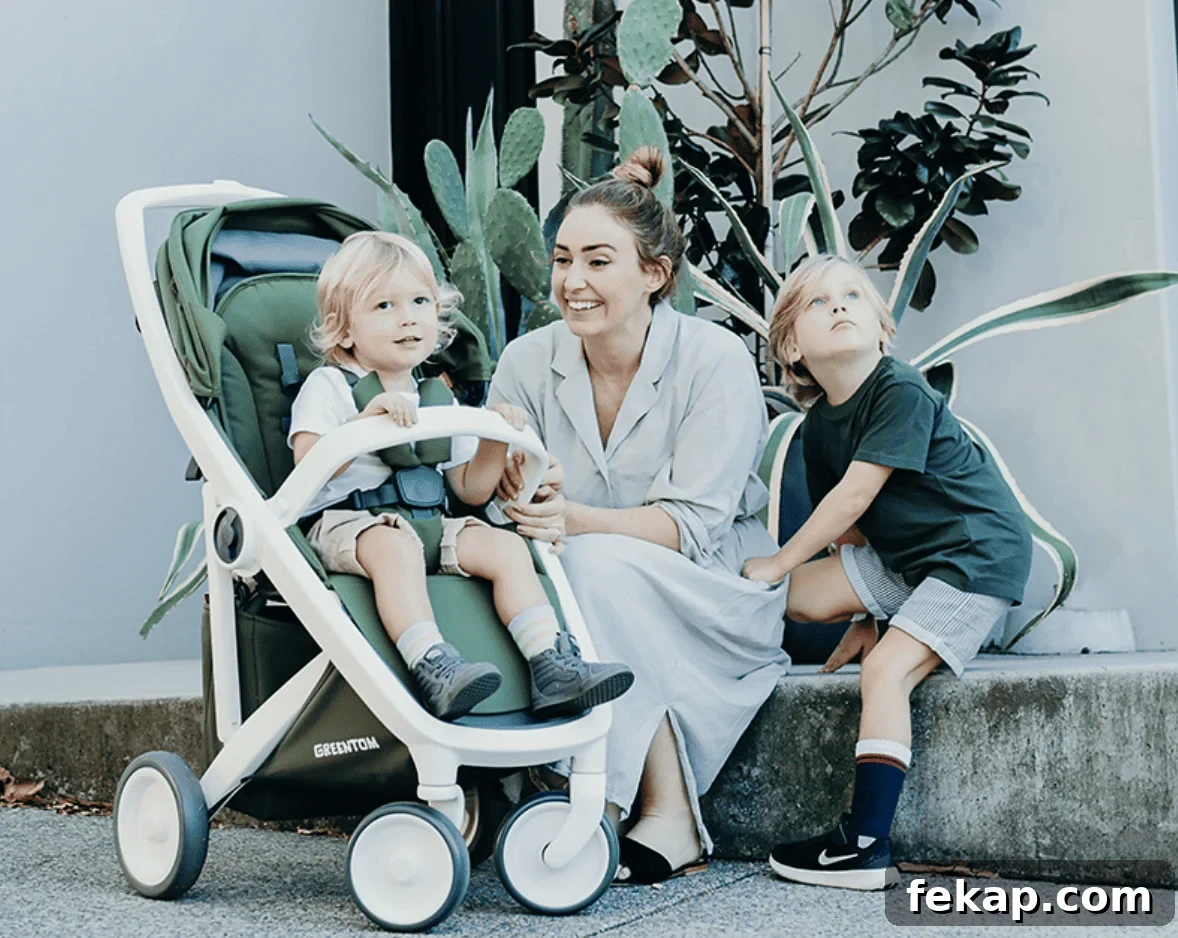
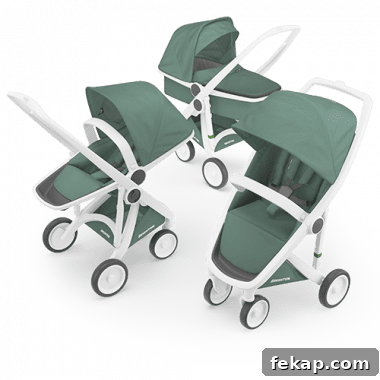
Free from: Flame retardants, PFAS, BPA, phthalates, PVC. Price range: from about €279.
Greentom builds modular strollers from recycled materials with organic certified liners and a PU coating for weather resistance. Available in Europe only, they offer a lifetime warranty and a strong sustainability focus.
Other Strollers I Looked Into
Some other brands reviewed during research include:
- Britax/BOB: Generally free of flame retardants but unclear on PFAS—many models use DWR finishes whose chemistry was not fully disclosed.
- Graco: Strollers appear to commonly include PFAS or flame retardants.
- Joovy: Free of flame retardants, BPA, and phthalates, but not PFAS-free as of late 2023.
- MaxiCosi: Some accessories are flame-retardant-free, but answers about PFAS across their line were unclear.
- Mountain Buggy / phil&teds: DWR treatments may contain PFAS according to manufacturer responses.
- Stokke and UPPAbaby: Some products are PFAS-free or FR-free, but transparency varies by model; confirm specifics with the manufacturer for the exact stroller you’re considering.
Do Newborns Need a Special Stroller?
Newborns don’t always require a special stroller, but you should ensure proper head and neck support. Look for strollers that fully recline or accept a bassinet or infant car seat. Many of the brands above offer bassinet attachments or newborn-ready options that meet those needs. Always follow manufacturer age and weight recommendations and use a five-point harness for added safety.
I hope this guide helps you find a non-toxic stroller that fits your priorities—balancing safer materials with the features you need for everyday life.