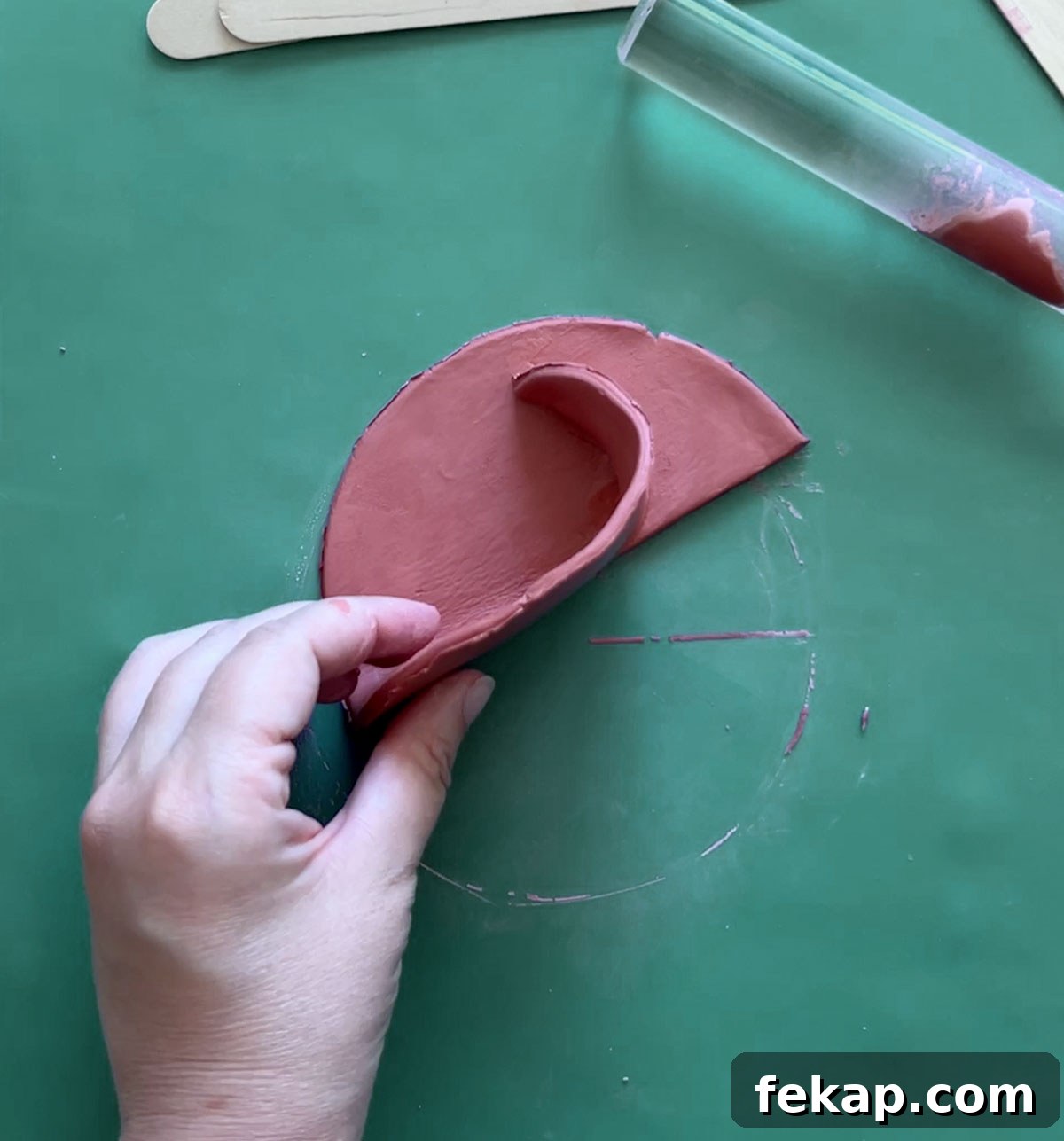
I previously shared a guide on making a DIY wire sculpture with an air-dry clay base. A common question that comes up is: should you paint air-dry clay before it fully dries? The short answer is no. Painting wet or even damp air-dry clay introduces additional moisture, which can cause uneven drying, distortion, and visible cracks. Read on for practical guidance on drying times, how to tell when your piece is ready for paint, and the best painting methods for long-lasting results.
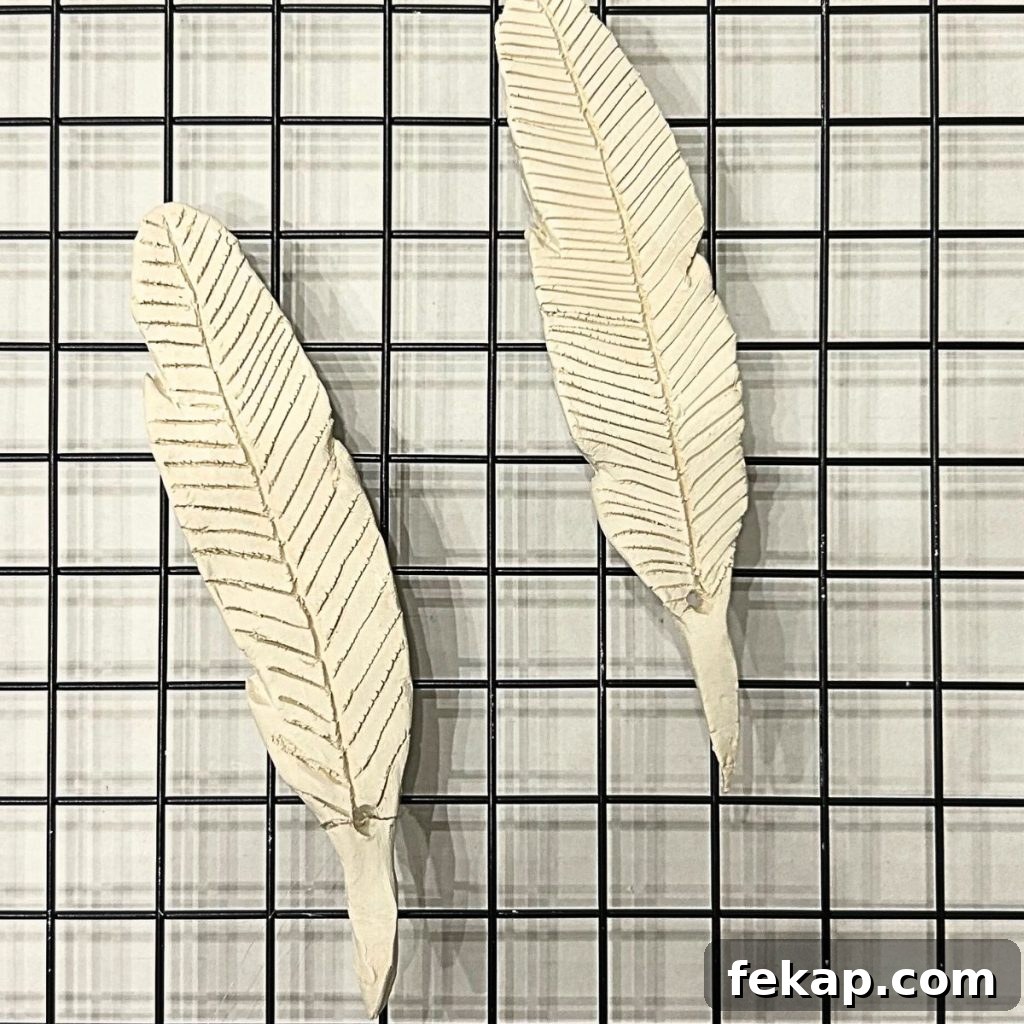
Why You Shouldn’t Paint Air-Dry Clay While It’s Wet
Air-dry clay contains water that keeps it pliable for shaping and joining pieces. Applying paint before the clay has fully cured adds moisture back into the material. That extra moisture leads to uneven drying: some areas will shrink faster than others and this differential shrinkage is what causes cracking and warping. If you invest time and care into sculpting, avoid painting until the clay is completely dry to preserve the shape and surface integrity of your piece.
How Long Does Air-Dry Clay Take to Dry?
Drying time for air-dry clay varies with thickness, temperature, humidity, and the type of clay. As a general guideline, most projects require about 48 to 72 hours (2–3 days) at room temperature to dry through, but thicker or denser pieces can take longer. Leave sculptures in a stable, well-ventilated area and avoid direct, intense heat such as ovens, kilns, or high-powered hair dryers—these can cause overly rapid drying, uneven shrinkage, or surface cracking.
Some clays are formulated to be bakeable, but that is a specific property of certain brands and not a universal recommendation. If you plan to bake, check the clay manufacturer’s instructions and use only clays designed for that treatment.
How to Tell When Air-Dry Clay Is Fully Dry
- Touch and temperature: Dry clay will feel room temperature; if it still feels cool it likely retains moisture.
- Firmness: Press gently—fully dry clay will be hard and will not yield or feel tacky.
- Color changes: Many clays lighten as they dry. Patches of darker color indicate remaining dampness and uneven drying.
Remember that large or thick sections dry much more slowly than thin details. Be patient and allow extra time for cores or bases.
How to Paint Air-Dry Clay
There are two main approaches to adding color: coloring the clay before shaping (dyeing) or painting after the clay has fully dried. Dyeing the clay yields color throughout the piece and reduces the need for many paint layers, while painting after drying allows for detailed surface work and sealing.
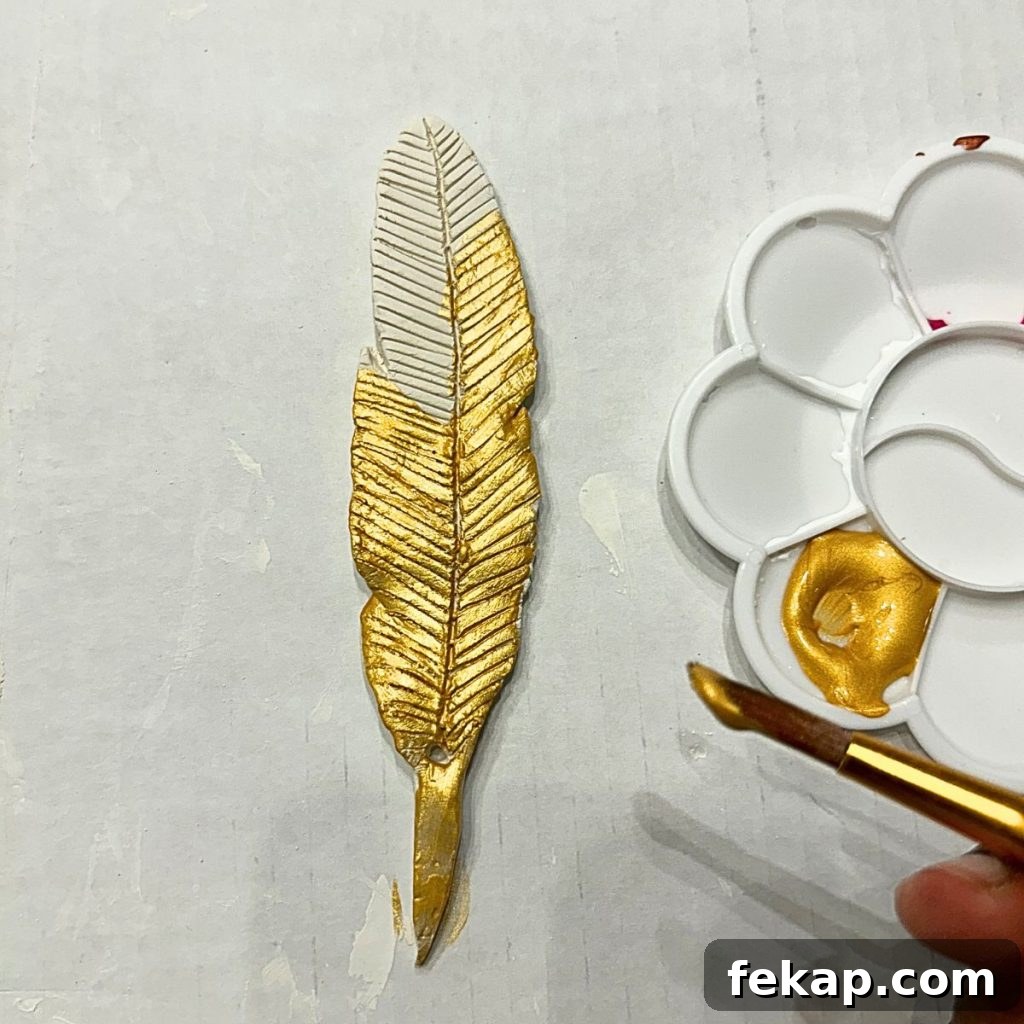
Painting After the Clay Has Dried
- Confirm the sculpture is completely dry by checking temperature, firmness, and color.
- Choose the appropriate paint for your clay type—acrylics and tempera are versatile and commonly recommended for air-dry clay. Watercolor can work on some brands but is harder to control.
- Gather brushes, a clean workspace, and protection for surfaces. Use clean hands or gloves to avoid transferring oils and dirt.
- Apply paint in thin, even layers, allowing each layer to dry before adding the next to prevent tackiness and smearing.
- Finish with a suitable sealant if desired. Read the clay’s label to choose a compatible sealer to protect the paint and surface.
Dyeing Clay Before Molding
- Prepare the clay and your colorants—options include acrylic paint, tempera, food coloring, or powdered pigments.
- Work on a protected surface and wear gloves if you want to avoid stained hands.
- Knead the clay thoroughly to warm it and open the material so it absorbs color evenly.
- Add a small amount of color and continue kneading until the tone is uniform. Start with less color and add more as needed.
- Sculpt and then dry the colored piece according to normal drying times.
Which Paints Work Best for Air-Dry Clay?
Common and effective options include:
- Acrylic paint — versatile, dries fast, and bonds well to most air-dry clays.
- Tempera paint — good for lightweight projects and for children’s crafts.
- Watercolors — possible on some clay types but less opaque and harder to control.
- Food or icing coloring — useful for dyeing clay before molding.
- Markers and poster paints — useful for fine details or flat coverage.
- Nail polish or varnishes — can add shine but may be brittle; test compatibility first.
Frequently Asked Questions
Can you paint air-dry clay when it’s wet?
No. Painting wet or damp air-dry clay risks adding moisture, which can lead to cracking, warping, and uneven texture as the piece finishes drying.
How do I know when it’s safe to paint?
When the piece is room temperature throughout, feels hard to the touch, and shows a consistent color without darker damp patches, it is ready to paint. Give extra time for thicker parts to ensure they are dry all the way through.
How long should I wait before painting?
Generally allow 48 to 72 hours at room temperature for average pieces; larger or denser sculptures may need several days longer. Always confirm dryness before proceeding.
Final Thoughts
Painting is typically the final step in working with air-dry clay. Patience at the drying stage pays off with a stronger, cleaner finished piece. If you want color earlier, consider dyeing the clay before sculpting. Otherwise, let your work fully cure, then paint and seal using materials compatible with your chosen clay for the best and longest-lasting results.