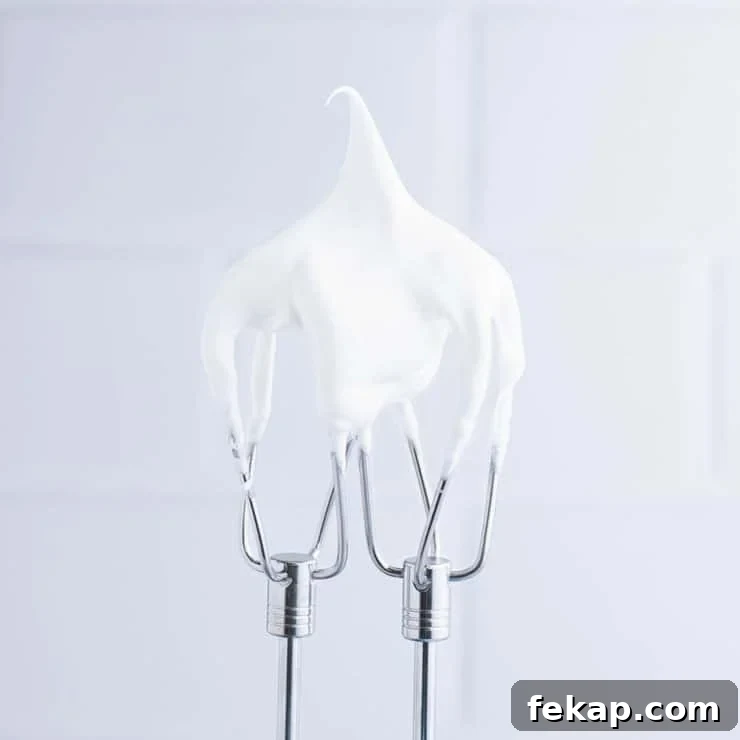
7-minute frosting is a timeless favorite for good reason: it’s light, fluffy, and surprisingly simple to make. In this guide you’ll find clear instructions, ingredient notes, helpful troubleshooting, and tips to get reliably silky, marshmallow-like frosting every time.
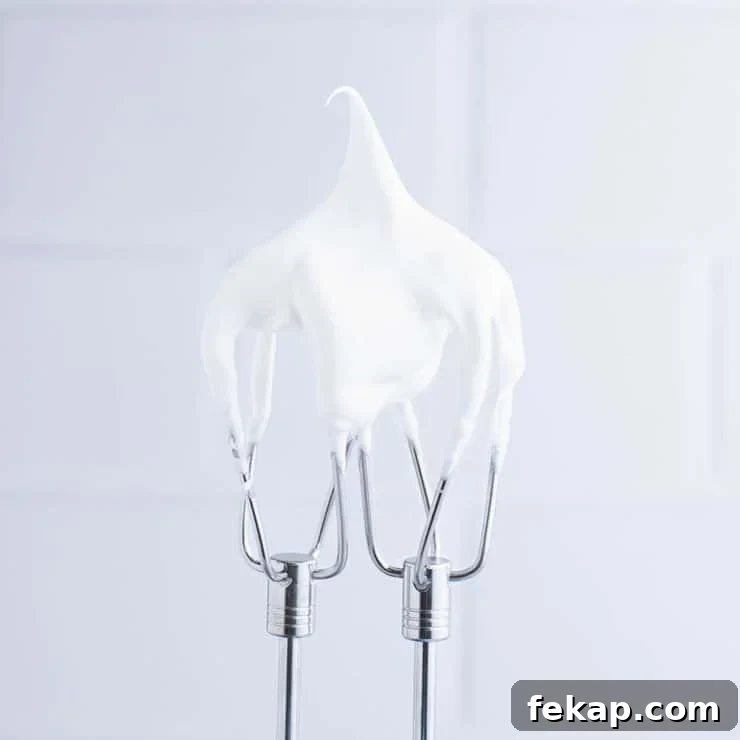
This style of frosting—also called boiled frosting—has been made for over a century. The recipe below comes from a family handwritten card and delivers the classic texture: airy, glossy, and perfectly toastable. It’s ideal for frosting cupcakes and single-layer cakes.
How is this different than meringue?
Short answer: it isn’t very different. 7-minute frosting is essentially a meringue-type frosting—egg whites and sugar are heated together, then whipped to glossy, stable peaks. The technique mirrors Swiss meringue: cooking the sugar with the whites and then whipping to aerate and cool.
Ingredients
This frosting uses just five simple ingredients. Below are the essentials with a few food‑science notes to help you succeed.
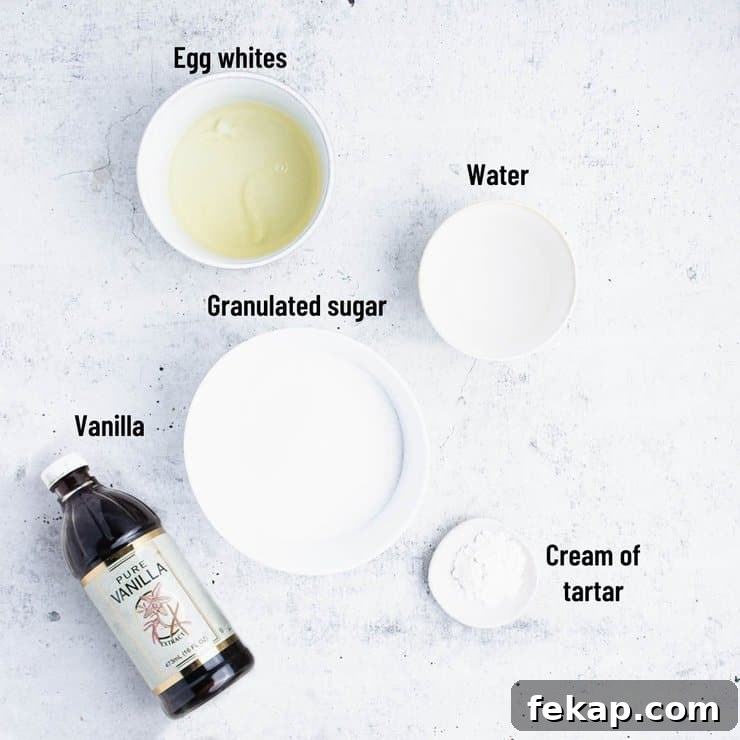
- Granulated sugar: The structure and shine come from fully dissolved sugar. Proper gentle heating dissolves the granules for a smooth finish.
- Water: A small amount helps dissolve the sugar and creates the syrup that cooks with the egg whites.
- Egg whites: Cold, fresh egg whites whip up more reliably. Start with a perfectly clean glass or ceramic bowl—even a trace of grease will prevent whites from reaching stiff peaks.
- Cream of tartar: An acid that stabilizes and speeds up the whipping process so the frosting holds peaks longer.
- Vanilla extract: For a classic, balanced flavor. Use between ½ and 1 teaspoon depending on how vanilla-forward you prefer the frosting.
How to make 7-minute frosting
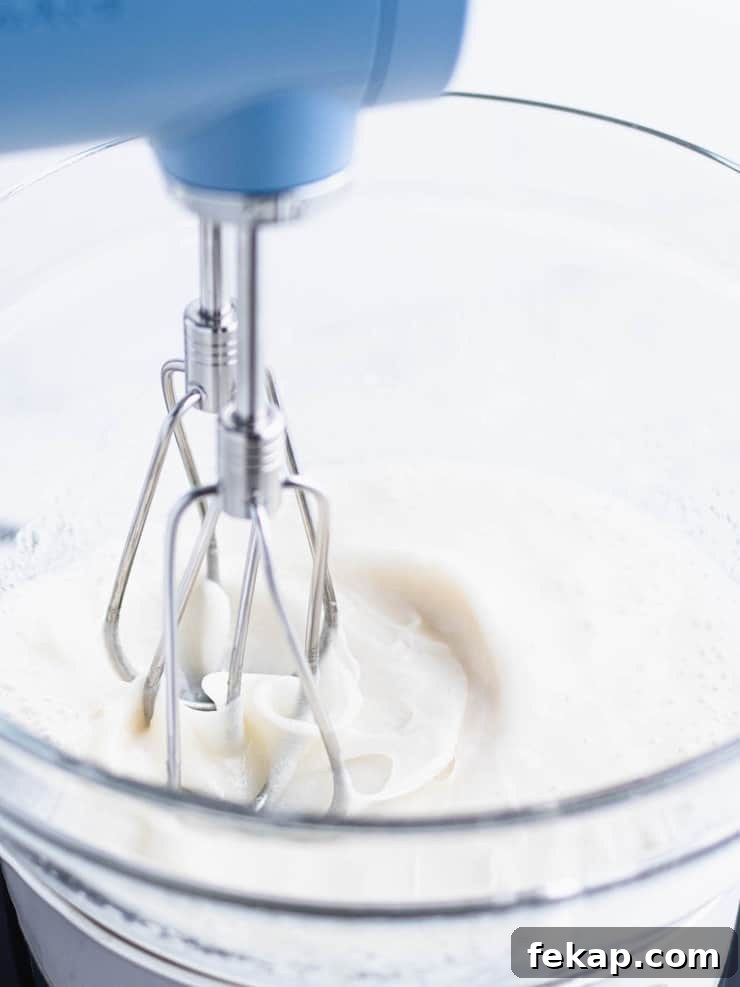
Combine all ingredients in a glass or ceramic bowl and beat briefly on low just to combine.
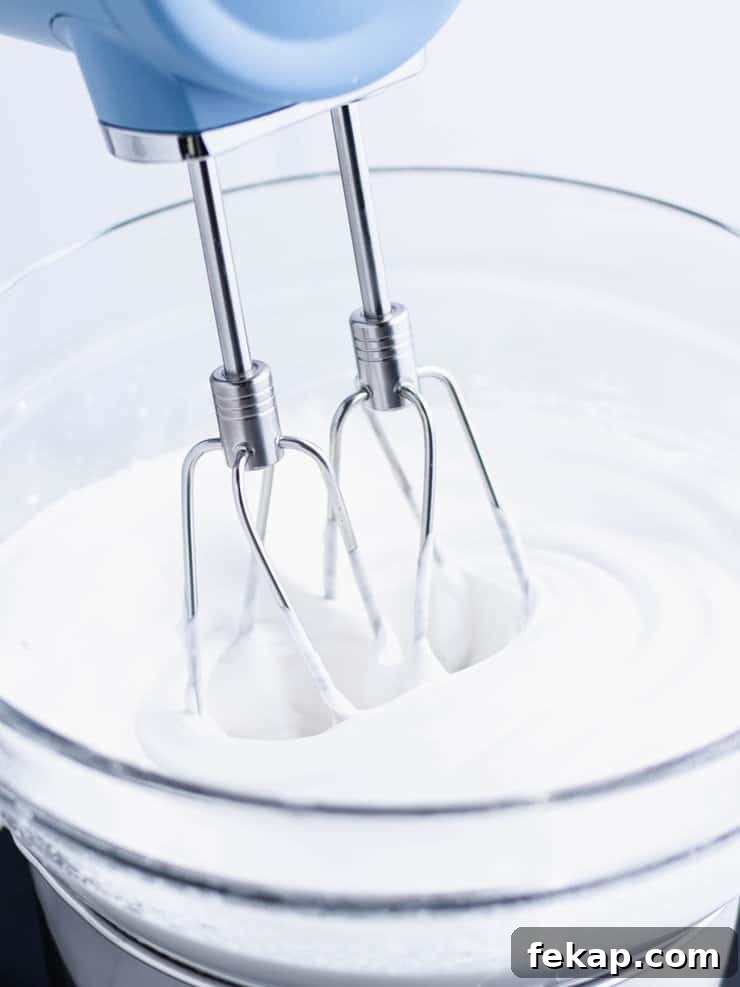
Set the bowl over a pot of gently simmering water (double boiler). With an electric mixer, beat on high while the mixture heats for about 7 minutes until warm and glossy.
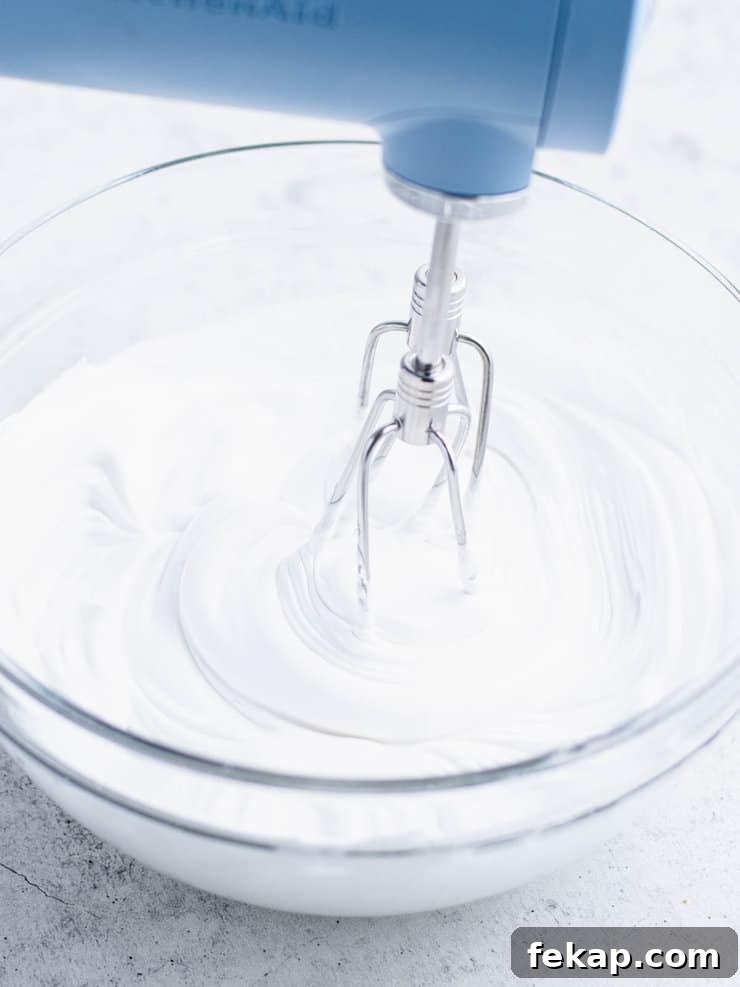
Remove from heat and continue beating 1–2 minutes more, until the mixture cools and holds stiff peaks.
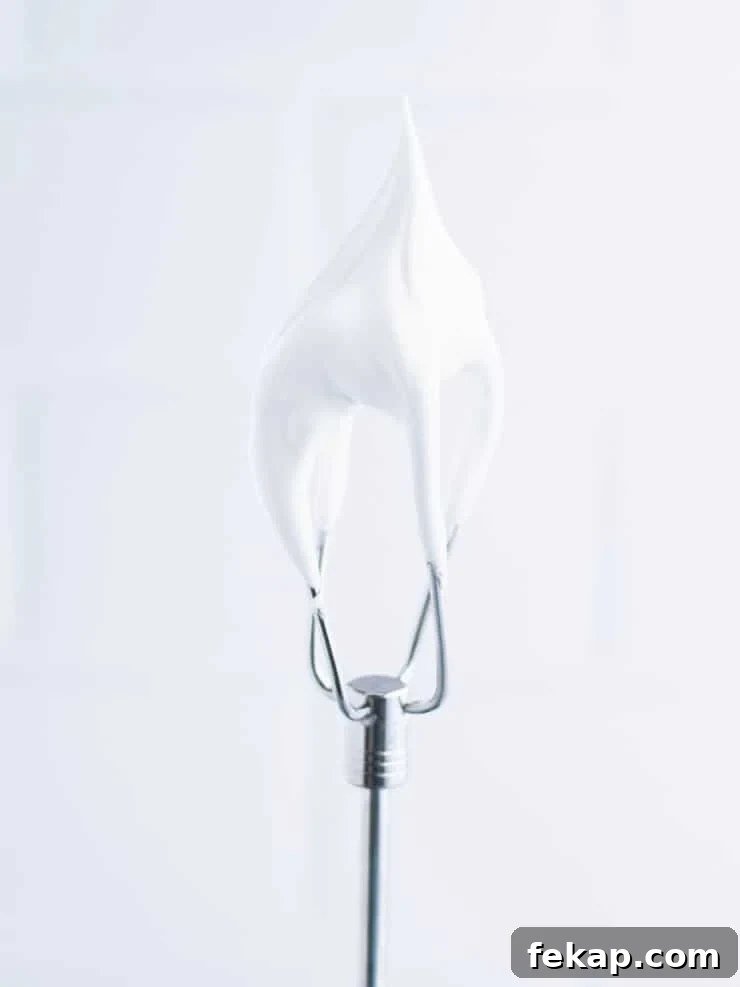
Frost immediately using an offset spatula or a piping bag. The frosting is best used right away for shiny, billowy results.
Variations
- Different sugars: You can swap in raw or brown sugar 1:1. Darker sugars will add deeper caramel notes—brown sugar gives a delicious, toffee-like profile.
- Flavorings: Add extracts, emulsions, powdered flavors, or a small amount of citrus zest for variations. Floral or fruit flavors can work well as long as they’re not overly watery.
Troubleshooting
Simple recipes can feel tricky until you get the technique down. Below are common issues and how to avoid them.
Graininess means the sugar didn’t fully dissolve. This can’t be fixed after the fact. Next time, be sure the mixture heats evenly and long enough over the simmering water and use a bowl that conducts heat well (glass or metal).
Grease is the usual culprit. Make sure bowls, beaters, and utensils are completely clean and free of fat. Avoid plastic bowls if possible, since they can retain greasy residues.
If the mixture got too hot too quickly, the texture can become heavy or droopy. The frosting is still safe to use, but it won’t have the ideal airy texture. Gentle, controlled heating helps prevent this.
Expert tips
- Estimate yield: If you’re unsure how much frosting to make, plan enough to cover your cake or cupcakes with a thin layer plus any piping—adjust by doubling the recipe if needed.
- Clean equipment: Wash bowls and beaters with warm soapy water and dry thoroughly. Even a tiny amount of fat will interfere with whipping.
- Avoid plastic bowls: Glass, stainless steel, or ceramic are preferable because they’re easier to keep grease-free.
- Separate eggs carefully: Crack whites into a small bowl before adding to the mixing bowl to avoid yolk contamination.
Storage
Because this is a meringue-style frosting, it’s best used immediately. Baked goods frosted with it can be refrigerated for a few days; the surface may form a thin skin, but the interior will remain soft and marshmallow-like.
Treats to frost
This frosting pairs well with light cakes and fruity cupcakes. Below are a few ideas to inspire you; these are classic matches for a marshmallow-style finish.
-
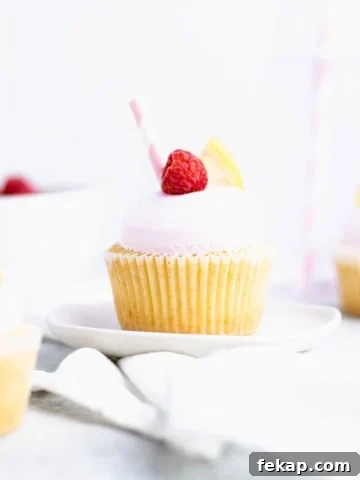
Raspberry Lemonade Cupcakes
-
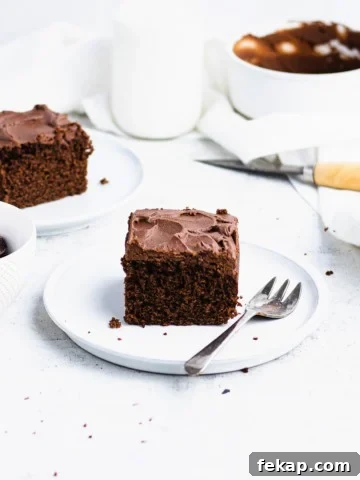
Chocolate Coffee Cake
-
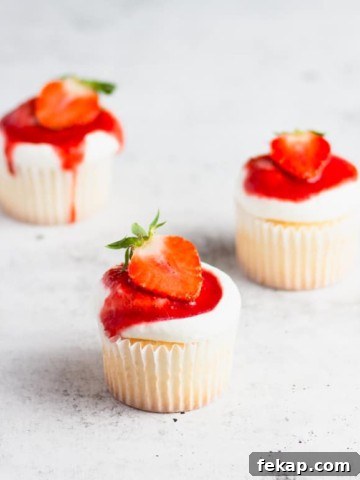
Strawberry Shortcake Cupcakes
-
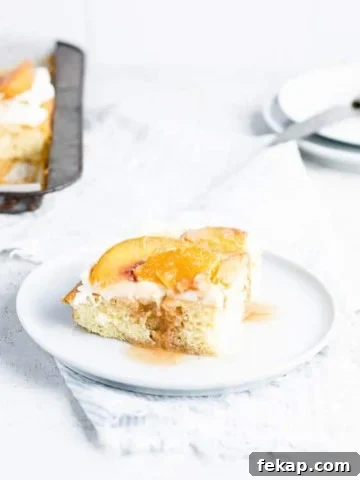
Easy Peach Sheet Cake
Did you make this recipe? Please leave a star rating and share how it turned out in the comments. Feedback helps improve recipes and troubleshooting tips for future cooks.
Recipe
7 Minute Frosting

Light, billowy, marshmallow-like frosting that toasts beautifully and spreads or pipes easily when fresh.
- Author: Claire Coffey
- Category: Dessert
- Method: Cooking / Double boiler
- Cuisine: American
Ingredients
- 1 cup granulated sugar
- 3 tablespoons water
- 2 large egg whites, cold
- 1 ½ teaspoons cream of tartar
- ½–1 teaspoon vanilla extract
Instructions
- Combine all ingredients in a glass or ceramic bowl.
- Beat on low with a handheld mixer about 30 seconds, just to combine.
- Set the bowl over simmering water and beat on high for about 7 minutes, until the mixture reaches roughly 160°F and is warm and glossy.
- Remove from heat and beat 1–2 minutes more, until cooled and holding stiff peaks.
- Frost immediately using an offset spatula or transfer to a piping bag.
Notes
- How much to make: Scale the recipe as needed. For larger cakes, double or triple the ingredients.
- Clean bowl: Fats will prevent stiff peaks. Wash and dry equipment thoroughly before starting.
- Avoid plastic bowls: They can retain grease—use glass, metal, or ceramic.
- Separate eggs carefully: Crack whites into a small bowl first to avoid any yolk contamination.