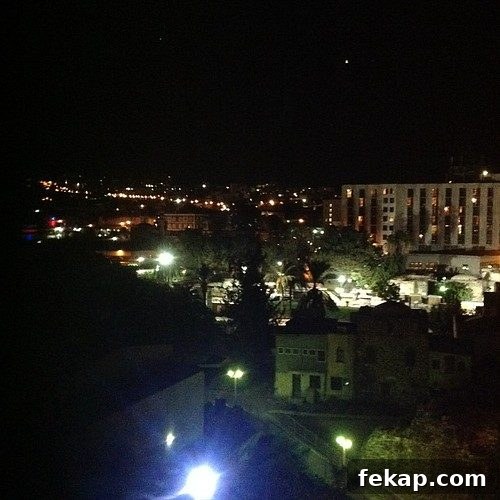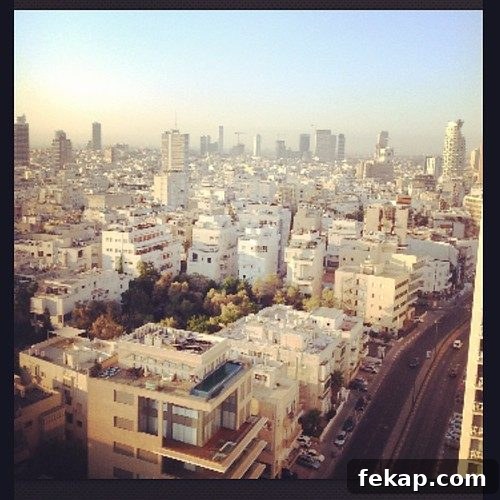
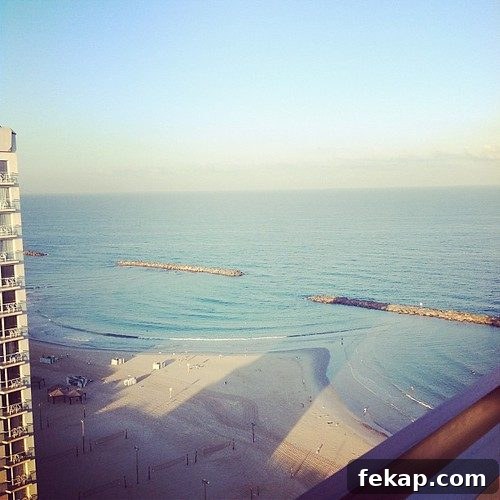
And the journey continues. Waking up to the beauty of Tel Aviv is an unforgettable way to start the day. Known as the “White City,” Tel Aviv is home to over 4,000 international-style Bauhaus buildings constructed beginning in the 1930s. While other cities have examples of this architectural movement, Tel Aviv contains the largest concentration of Bauhaus buildings in the world. From my hotel balcony I could look left over the white cityscape and to the right across a bright stretch of the Mediterranean Sea.
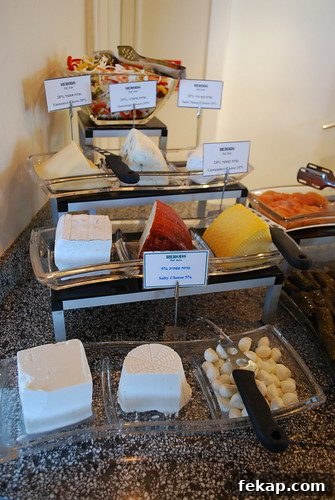
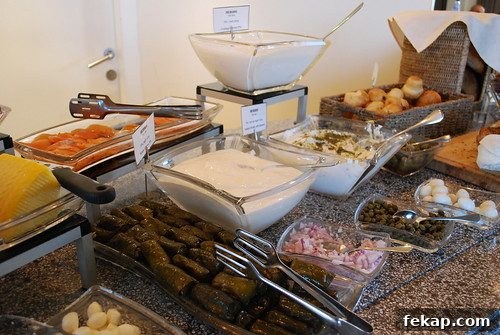
I began the morning with a generous hotel breakfast featuring a wide variety of cheeses. Paired with smoked salmon, labneh (a Middle Eastern strained yogurt), and dolmades (vine-leaf wrapped rice), the meal felt like a little slice of heaven — and conveniently gluten free when enjoyed without bread. Overlooking the sea, it was the perfect way to prepare for a full day of exploring.
After breakfast we met the other bloggers joining the trip — Pakus (The Lazy Blog, Spain) and Leslie (I Eat, I Shoot, I Post, Singapore) — and set off north toward Nazareth. Nazareth’s history stretches back to at least 50 B.C. and the city is famous as the childhood home of Jesus Christ and his family. Over centuries Nazareth has been shaped by Byzantines, Crusaders, Mamluks and Ottomans, and today it is one of Israel’s largest Arab cities, popular for its religious sites, vibrant old market (the shuk), and authentic Arab cuisine.
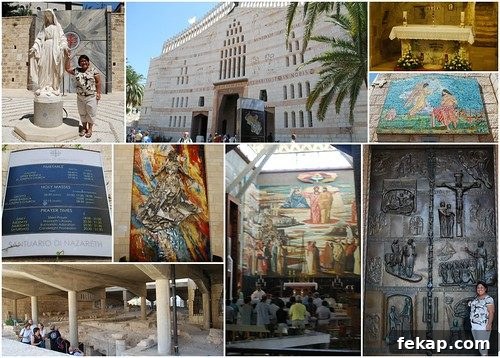
Our first stop in Nazareth was the Basilica of the Annunciation, the city’s most famous Christian shrine and believed to be the site of the Virgin Mary’s home and the angel Gabriel’s announcement. The basilica contains artwork and remnants of earlier Crusader and Byzantine churches; its dome dominates the skyline and marks it as one of the largest churches in the Middle East.
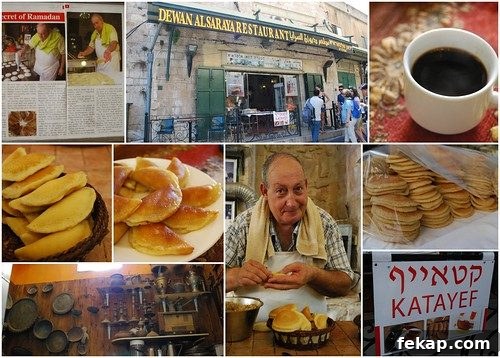
In the heart of the Old City we wandered through the narrow lanes of the market, where bazaars, old mansions, churches and coffee houses crowd together. Our first food discovery was katayef at Dewan Alsaraya Restaurant: small fluffy pancakes cooked on a large griddle, filled with cheese or cinnamon-and-nut mixtures, folded and fried until crisp. Traditionally served with a strong Arabic coffee spiced with cardamom, katayef are a beloved treat. Although not gluten free, I sampled a bite and enjoyed the sweet and savory fillings.
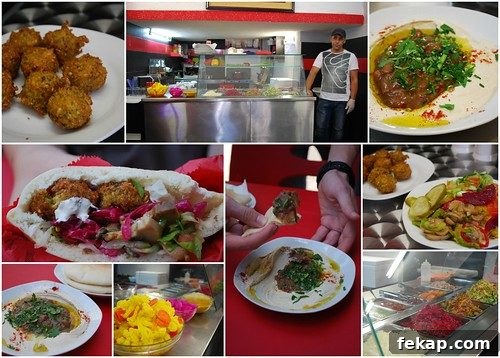
Street food is everywhere in Nazareth, and a modern falafel stand in the old market was our next stop. Falafel — seasoned chickpea fritters — are served in pita with a choice of pickled vegetables and sauces such as tzatziki or pickled mango. We also tasted hummus the local way: light, airy, and topped with beans, olive oil and fresh herbs. The hummus differed greatly from many U.S. versions — creamy, flavorful and surprisingly delicate. Since gluten-free pita is rare here, I ate hummus on its own and enjoyed falafel made from chickpeas, which was naturally gluten free.
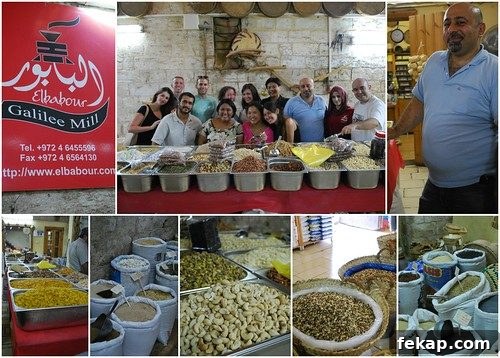
We then visited Elbabour Spice House, also called The Galilee Mill, where sacks and trays overflow with spices and dried medicinal herbs. The shop sits within an ancient courtyard and was founded around 250 years ago by a German Templer family. Historically the mill serviced farmers and merchants who brought grain, but over time ownership changed and the mill is now run by descendants of earlier local owners. Walking through the aromatic aisles, it was easy to imagine the trade and daily life of generations past.
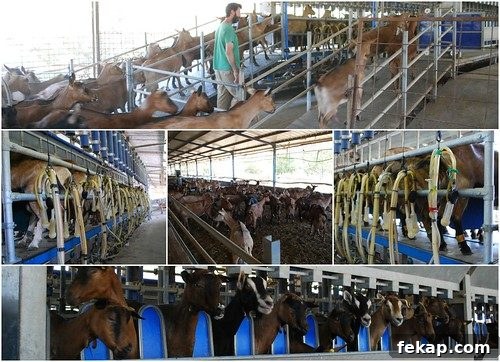
Next we traveled to Ein Camonim, a countryside farm started by Amiram and Drora Obrutsky in 1979. The boutique dairy specializes in artisanal goat cheeses and produces roughly thirty varieties, including French-style and proprietary creations, all from whole pasteurized goat milk without additives or colorings. On the farm we sampled a cheese platter with olives, jam, herb butter, fresh figs and wine, and finished with house-made ice cream and sorbets. Seeing the herd and the milking process made the cheeses taste even more vivid and natural.
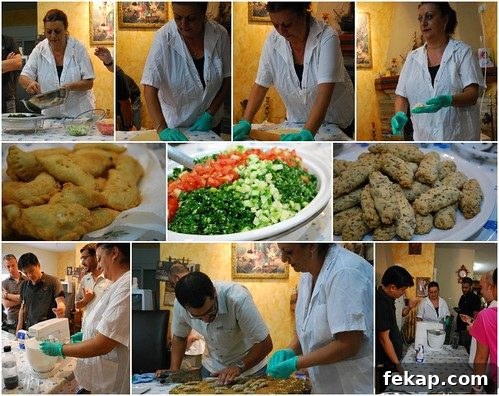
That afternoon we attended a hands-on cooking workshop in Jish, an Arab town on the slopes of Mount Meron with a predominantly Maronite Christian and Greek Catholic population. Hosted by a local chef, our class prepared tabbouleh, anise-scented lady finger cookies, and fried dough pockets filled with herbed goat cheese. The tabbouleh focused heavily on fresh herbs with minimal bulgur, and a tip I learned was to steep herbs in olive oil for extra flavor. The fried cheese pockets were rich and golden, and the anise cookies were fun to shape using a woven mat to create their distinctive ridges.
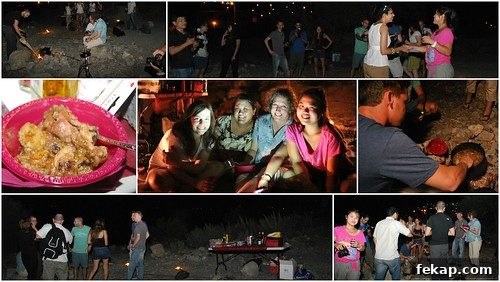
As evening fell we drove to Tiberias on the western shore of the Sea of Galilee (Lake Kinneret). Established in 20 CE and named for the emperor Tiberius, Tiberias has been an important religious and historical center for centuries and is also known for its hot springs. At the lake we joined locals around a fire to share a poyke — a large cast-iron cauldron simmering for hours with chicken, potatoes, carrots, onions and spices. The slow-cooked stew was comforting and communal, the perfect close to a day filled with flavors and new friendships as the moon reflected on the water.
Back at the hotel, exhausted but satisfied, I reflected on a day that woven together Nazareth’s religious heritage, the vibrant shuk, the fragrant spice stalls, the fresh cheeses of Ein Camonim, hands-on cooking in Jish, and a rustic poyke by the Sea of Galilee. It was an inspiring start to a Taste of Israel. Below is the view from my hotel room toward Tiberias and the Sea of Galilee.