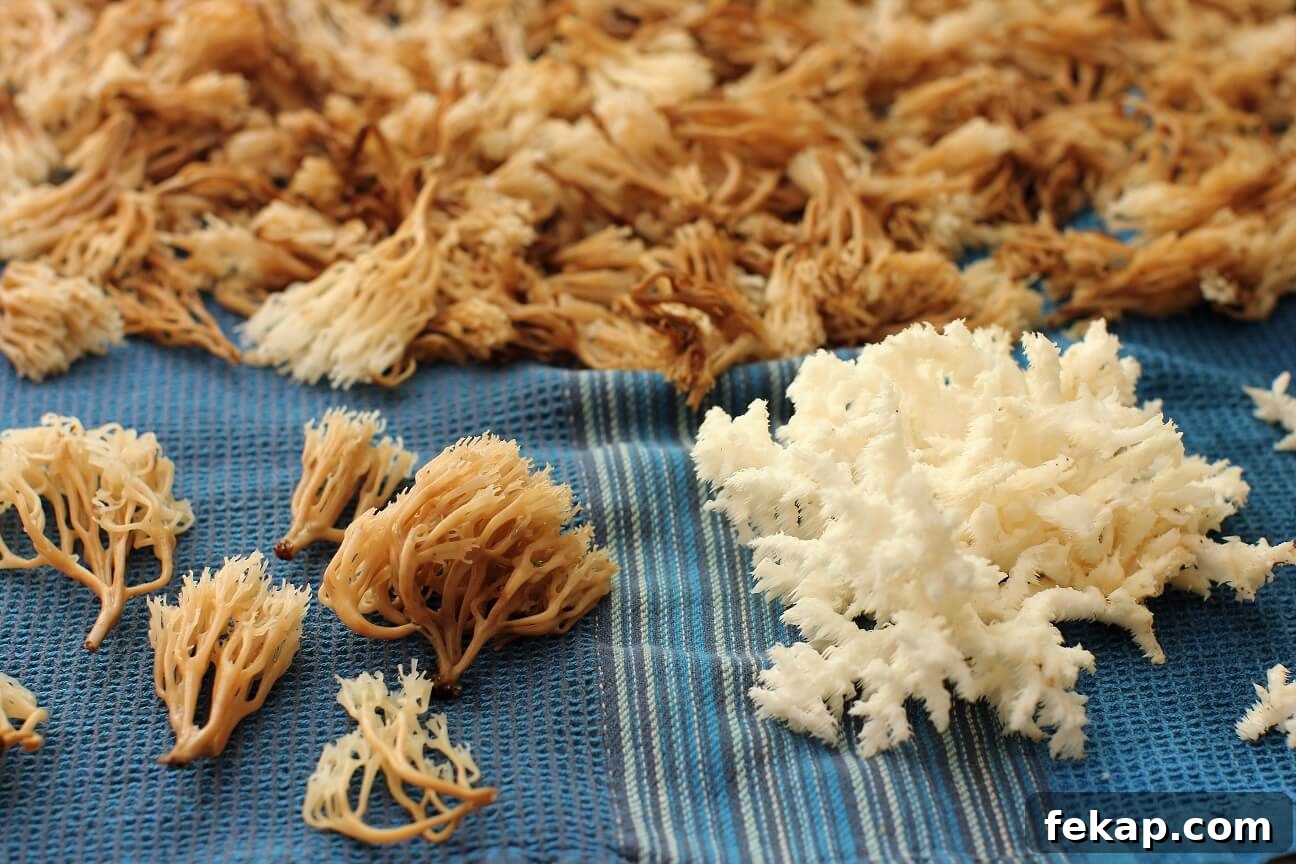
Coral mushrooms are a forest delicacy. Join me on a mushroom-foraging outing where I pick them for the first time, and try a few delicious coral mushroom recipes: Asian-style Coral Mushroom & Egg Dice Soup, Preserved Lightly Pickled Coral Mushrooms, and Sautéed Hericium Coral Mushrooms as a garnish. (Skip to recipes.)
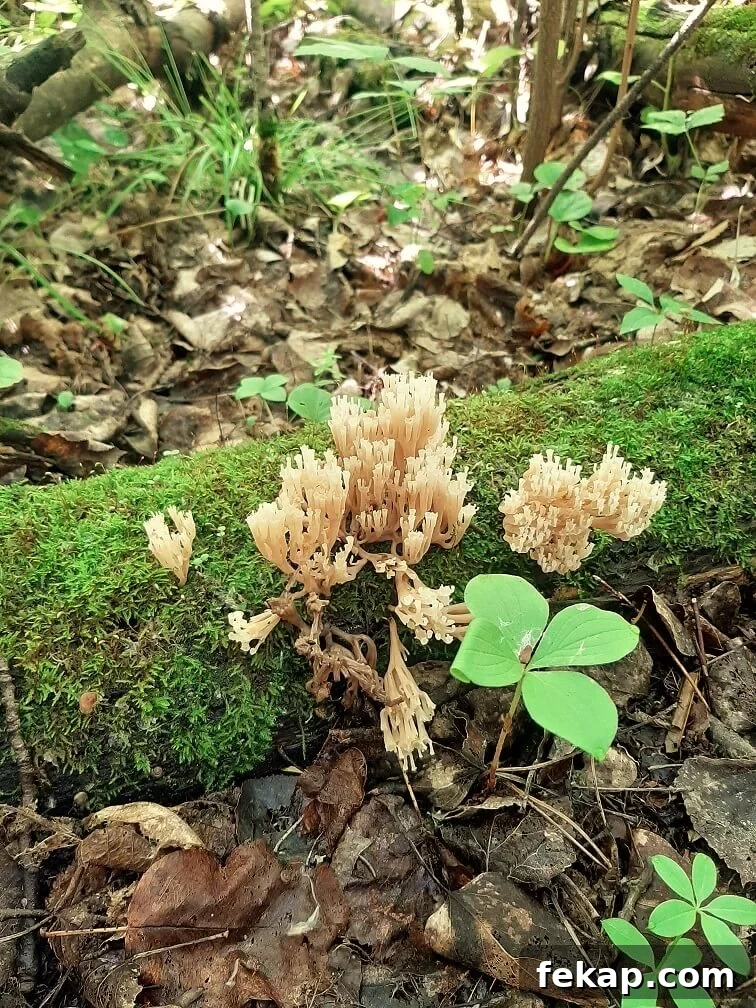
I got a call from Alex, my mushroom-foraging friend: “Wanna come pick some coral mushrooms?” I’d never seen them before and was instantly curious. I pictured brain-like fungi, but after suiting up in my usual forest clothes, we headed into the woods to find out.
Coral mushrooms grow on dead deciduous logs—poplars in our area—and appear in spring and early summer. They often hide in shady, overgrown spots that require ducking, scrambling and brushing past branches. For me, that’s half the fun.



Once we found them, the coral mushrooms looked nothing like the brains I’d imagined. Instead they appear as delicately branched clumps—tiny coral twigs bunched like sea sponges. I probably would have walked past them a hundred times without noticing their culinary potential.
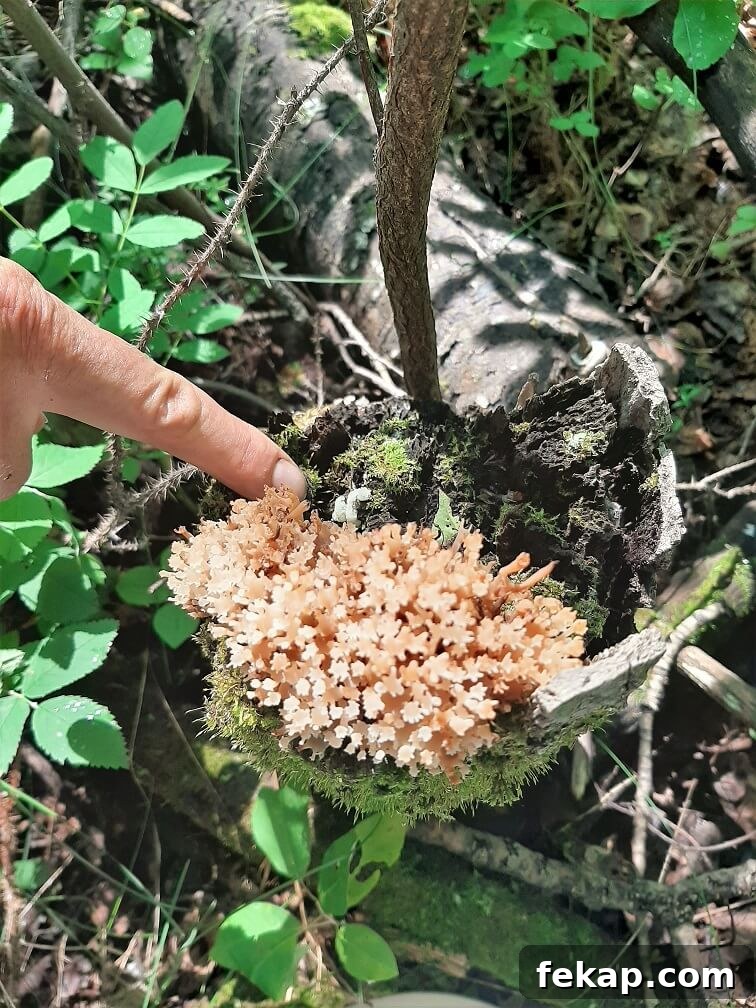
The ones we spotted are Crown-Tipped Coral Mushrooms—the tips of the branches end in tiny prongs that look like miniature crowns. We also lucked into two large hericium mushrooms, a special variety often prized for its delicate texture and subtle seafood-like flavour.
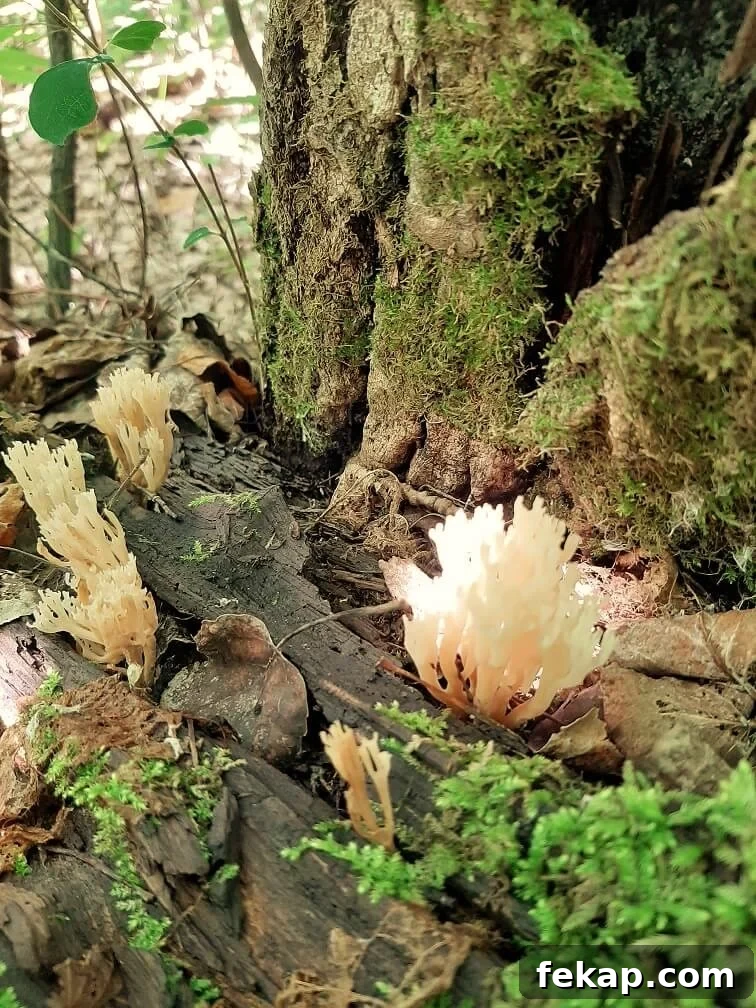
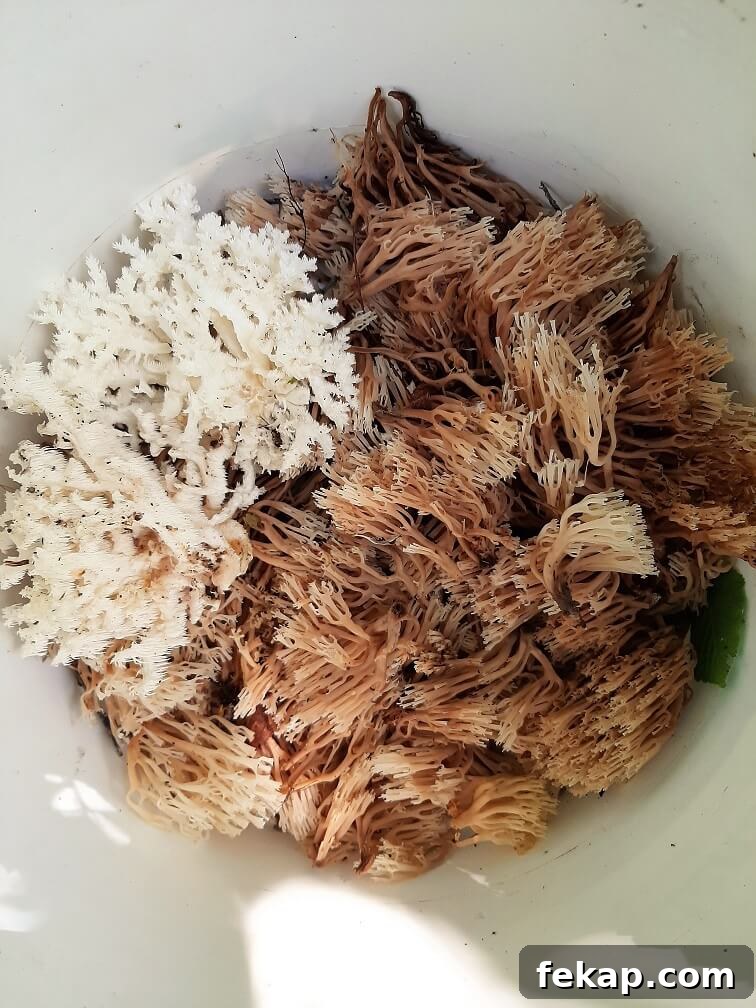
I rely on my mushroom-savvy friend for identification. We confirmed the coral mushrooms in her field guide and learned there are no common poisonous look-alikes for the species we found, which made me comfortable harvesting them as long as identification is certain.
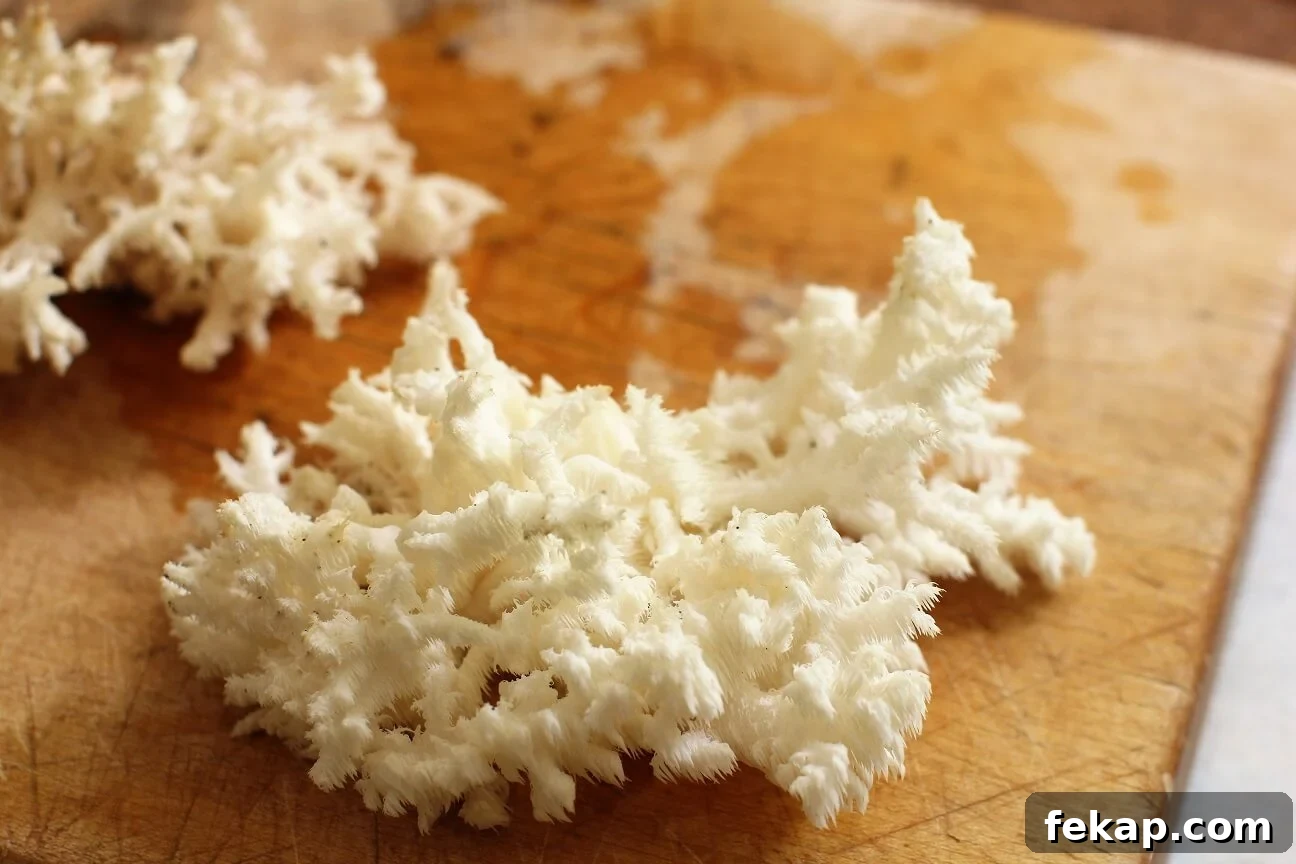
The hericium is especially striking—white, shaggy, and truly coral-like. I sautéed it in butter with shallot and fresh thyme; its flavour was delicate and slightly sweet, reminiscent of crab. We used it sparingly as a jewel-like garnish on a bowl of cream soup, and I can imagine it on omelets, pasta or toast.
To harvest, we snipped the mushrooms from the log with scissors, leaving the base attached where possible. Cleaning them takes patience: trim away any tough or dirty bottoms, rinse them gently in several changes of water to remove sandy bits, then blot them dry on towels. Hericium often traps grit in its shaggy branches, so a soft brush or toothbrush helps get it clean.
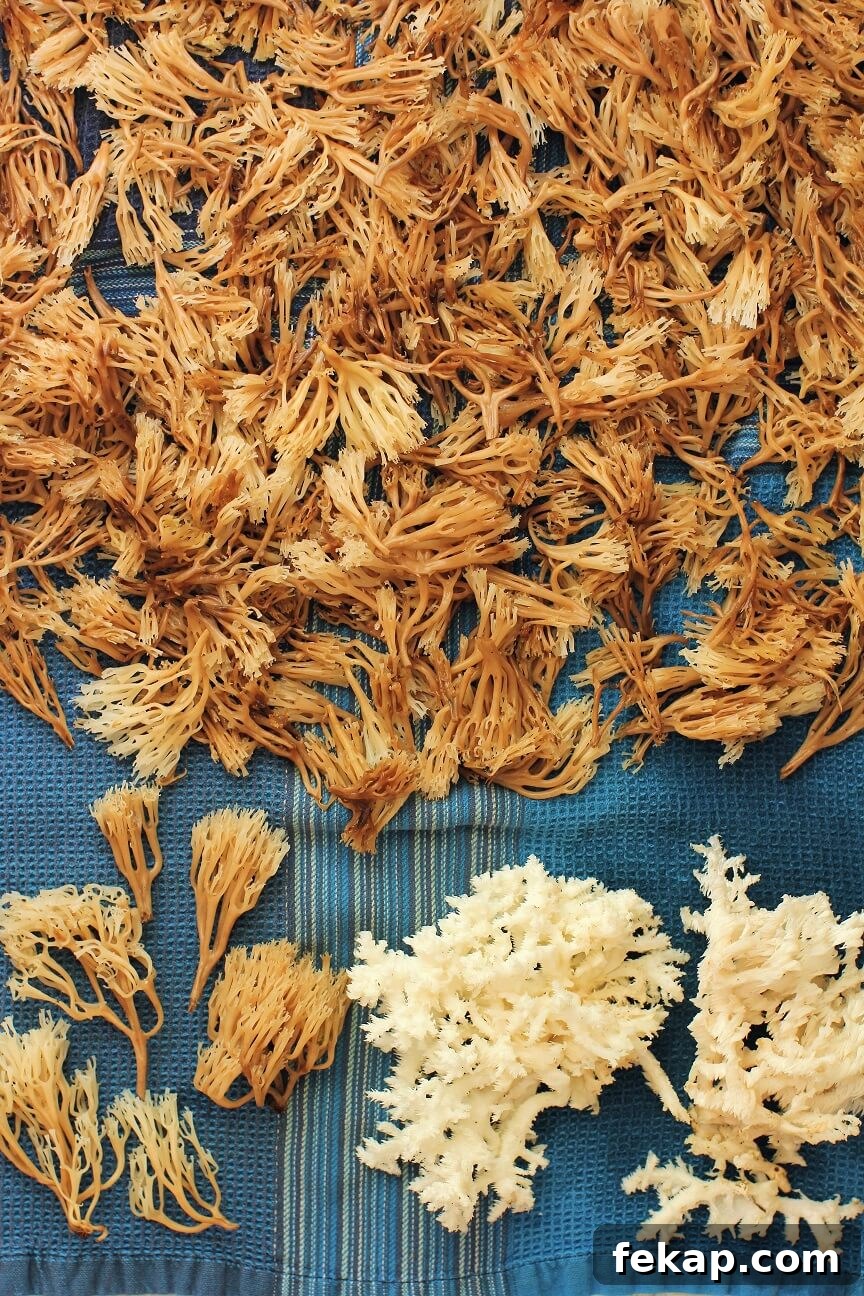
After cleaning, I experimented with a few recipes. The Asian-style soup became an instant favourite: a clear, savoury broth dotted with black rice, tender egg cubes and bright green onions, finished with whole coral pieces added at the last minute so their shapes remain intact. When coral mushrooms are unavailable, thinly sliced cultivated mushrooms or drained preserved coral mushrooms make good substitutes.

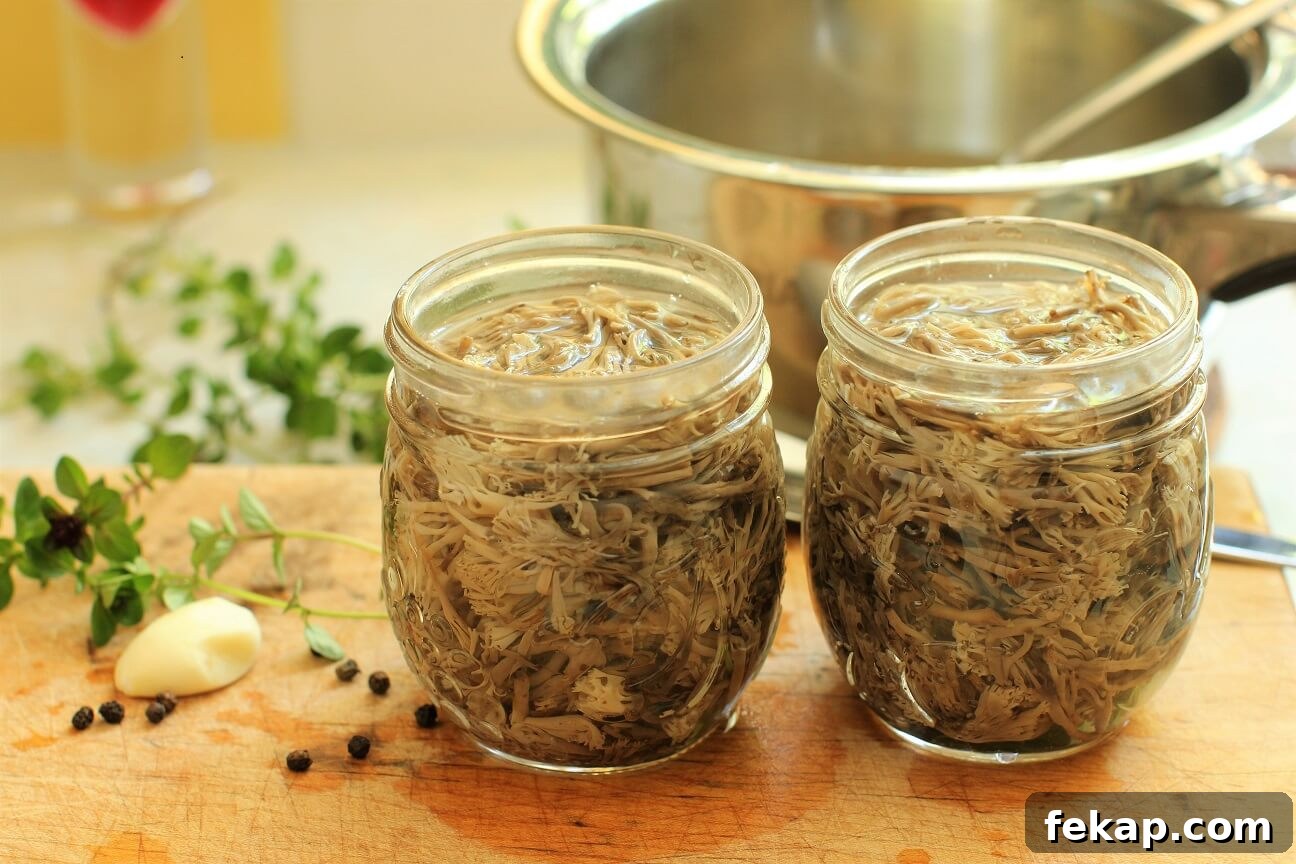
I also preserved a portion of the harvest in a mild pickling brine so the mushrooms would be ready to use later without becoming overly tart. The lightly pickled jars keep the mushrooms versatile for soups, stews, stir-fries and garnishes. With the two hericiums I had left, a quick sauté in butter, shallot and thyme produced a memorable garnish—simple and elegant.
A Few Tasty Coral Mushroom Recipes
The recipes below showcase coral mushrooms in distinct ways: a delicate Asian-style soup, a method for preserving them in a mild brine, and a quick sauté for garnishing soups, omelets or toast. Each keeps the mushrooms’ texture and flavour front and centre.
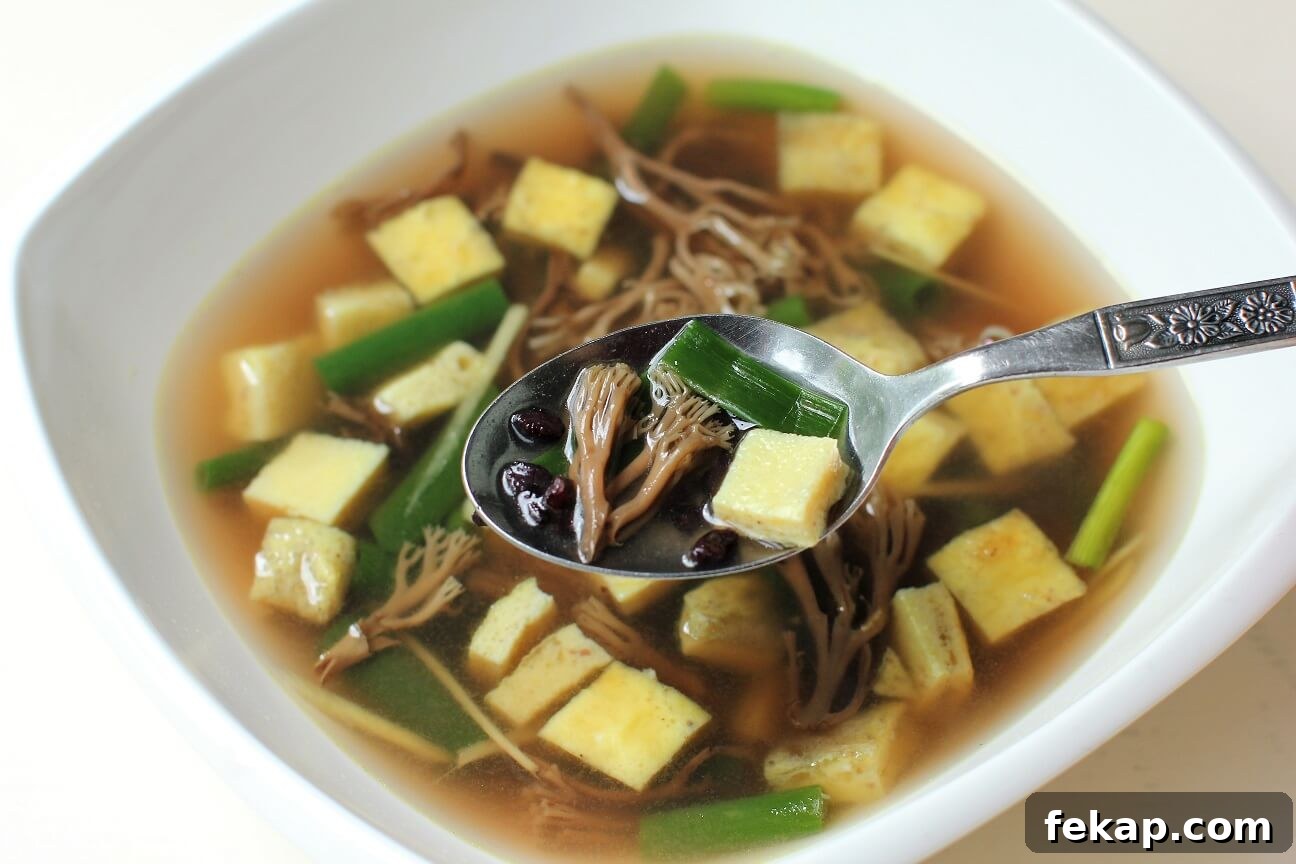
Coral Mushroom & Egg Dice Soup
- 6 cups (1.5 l) flavourful chicken stock, homemade or from a good concentrate
- 1-inch (2.5cm) piece of ginger, peeled
- 1 tablespoon fish sauce
- 1 tablespoon tamari soy sauce
- ¼ teaspoon sriracha
- 1 teaspoon butter
- 4 large eggs
- ¼ teaspoon salt
- ¼ teaspoon nutmeg
- 1 cup (or a large handful) coral mushrooms, trimmed and washed (or substitute other mushrooms)
- 1 bunch green onions, cut into 1-inch (2.5cm) pieces (6–8 stalks)
- ¾ cup (180ml) cooked black rice* (or brown rice)
- 2 teaspoons roasted sesame oil
Pour the stock into a saucepan. Thinly slice the ginger and cut into fine julienne slivers; add them to the stock with fish sauce, tamari and sriracha. Bring to a boil, then reduce heat, cover and simmer for 10 minutes.
Meanwhile, melt the butter in a 9-inch nonstick skillet over medium-low. Beat the eggs with salt and nutmeg and pour into the pan. Let the eggs set without stirring until the bottom is set but not browned. Flip gently to finish the other side, or briefly broil the top if your pan is oven-safe. Transfer the cooked egg pancake to a board and cut into ½-inch (1cm) squares.
Add the coral mushrooms and green onions to the simmering stock, bring briefly to a boil, then simmer for 1 minute. Stir in the egg cubes, cooked rice and sesame oil, remove from heat and serve immediately.
Serves 4 (or 6 as a light first course).
Note: Black rice will release colour into the soup over time; if you prefer bright yellow egg cubes, add black rice just before serving or use brown rice instead.
* * * * *
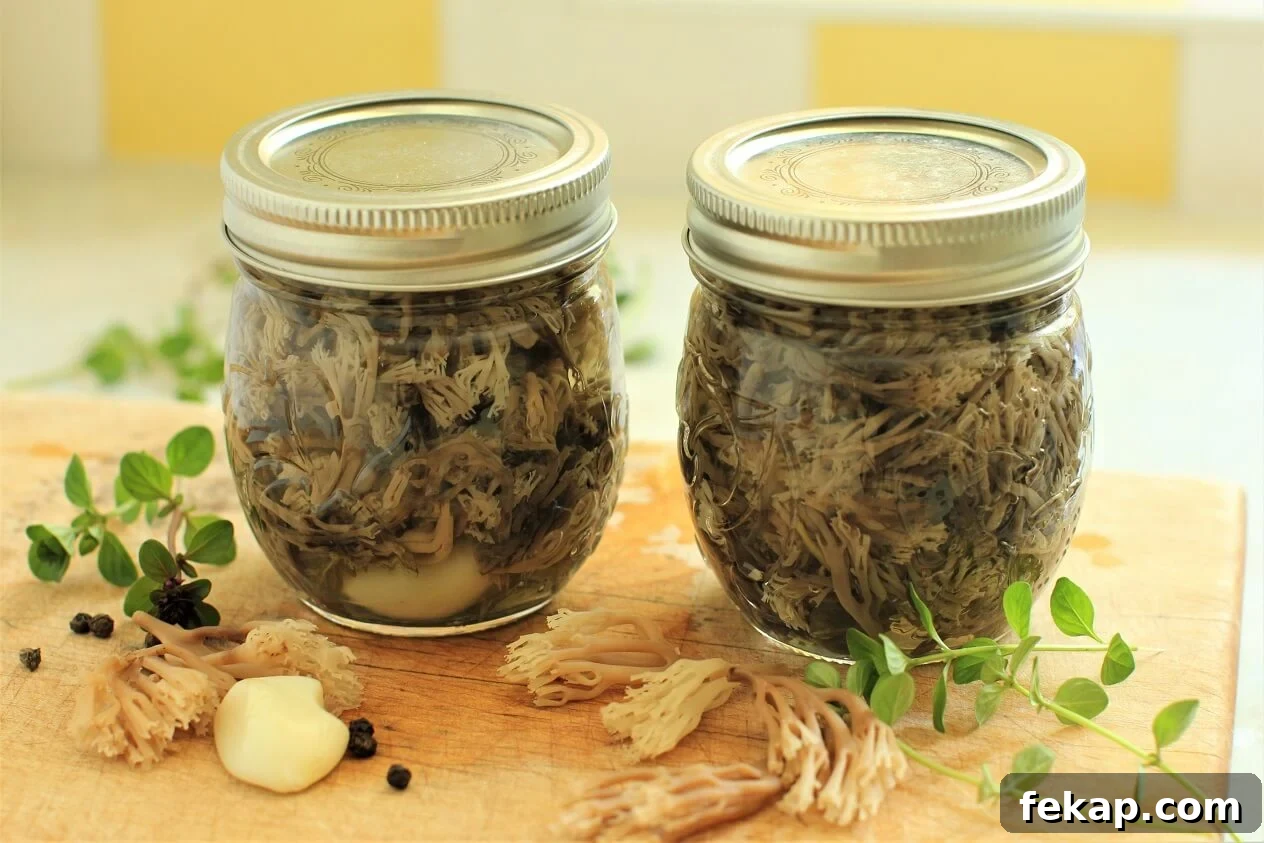
Preserved Lightly Pickled Coral Mushrooms
These mild pickled mushrooms are kept flavorful without becoming fully pickled, making them useful in many dishes.
- 4 cups (300 g) coral mushrooms, cleaned
- 1 cup (240 ml) water
- ¼ cup (60 ml) white vinegar
- ½ teaspoon fine sea salt
- 2 cloves garlic, peeled and lightly crushed
- 2 fresh thyme sprigs
- 12 whole peppercorns
- 2 half-pint (250 ml) canning jars
Rinse and swish the mushrooms several times in clean water, trim any brown bits, then drain and pat dry on towels. To ensure they are dry, roll them in a towel and chill them for an hour to absorb excess moisture.
Sterilize jars by boiling them covered in water for 5 minutes; heat lids in simmering water. Bring water, vinegar and salt to a boil in a small saucepan, add the mushrooms and return to a boil—mushrooms will shrink.
Place 1 garlic clove, 6 peppercorns and a thyme sprig in each hot jar. Use a slotted spoon to divide the hot mushrooms between the jars, leaving ½ inch headspace. Pour remaining brine over the mushrooms, wipe rims clean, apply lids and tighten bands finger-tight.
Place a clean dishcloth in a large saucepan, set jars on it so they don’t touch, cover with hot water and bring to a boil. Maintain a medium boil, cover and process for 10 minutes. Remove jars to a towel to cool. Once lids have sealed, store in a cool place up to 1 year; unsealed jars go in the fridge and should be used within 2 weeks.
Makes 2 half-pints. Use as a garnish or add near the end of cooking soups, stews or stir-fries.
* * * * *
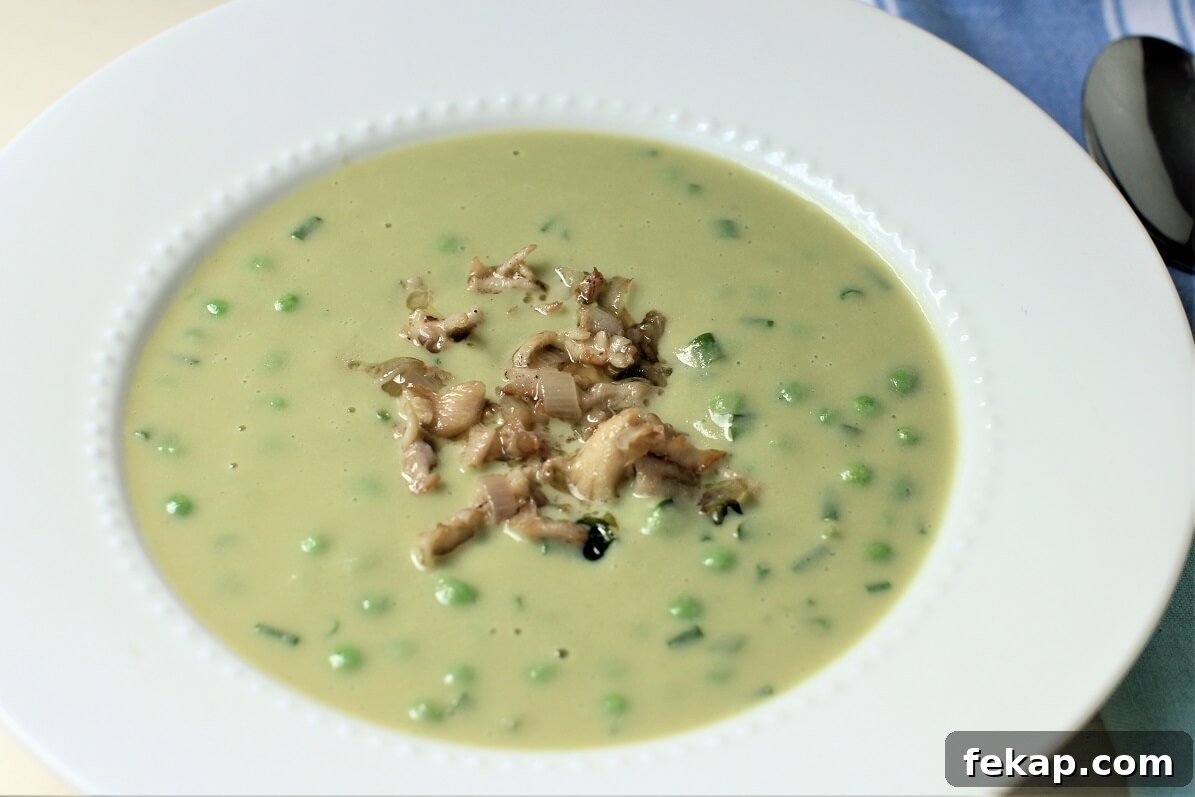
Sautéed Hericium Coral Mushrooms for Soup Garnish or Omelets
- 2 tablespoons butter
- 1 shallot, chopped
- Leaves from 1 sprig of thyme
- 1 cup (a large handful) cleaned, roughly chopped hericium coral mushroom
- Pinch of salt
Melt butter in a skillet over medium heat, add shallot and thyme and cook 2–3 minutes until soft. Add the chopped hericium and a pinch of salt and cook 2–3 minutes more until just softened. Serve as a delicate garnish on cream soups, omelets, toast or pasta.
Serves 4 as a garnish.
* * * * *
Guten Appetit!
This outing was a rewarding forest adventure and a reminder of how many culinary treasures can be found close to home. If you forage, always confirm identification with an experienced friend or a reliable field guide before eating any wild mushroom.