
Dogs often beg for table scraps, but many human foods are dangerous for them. Some items produce mild stomach upset while others can cause severe illness or even death. Signs of poisoning may not appear right away, so it’s important to know which foods to keep completely out of reach. Below are 15 common foods that should never be part of a dog’s diet, with clear reasons and safety tips to help protect your pet.
Chocolate
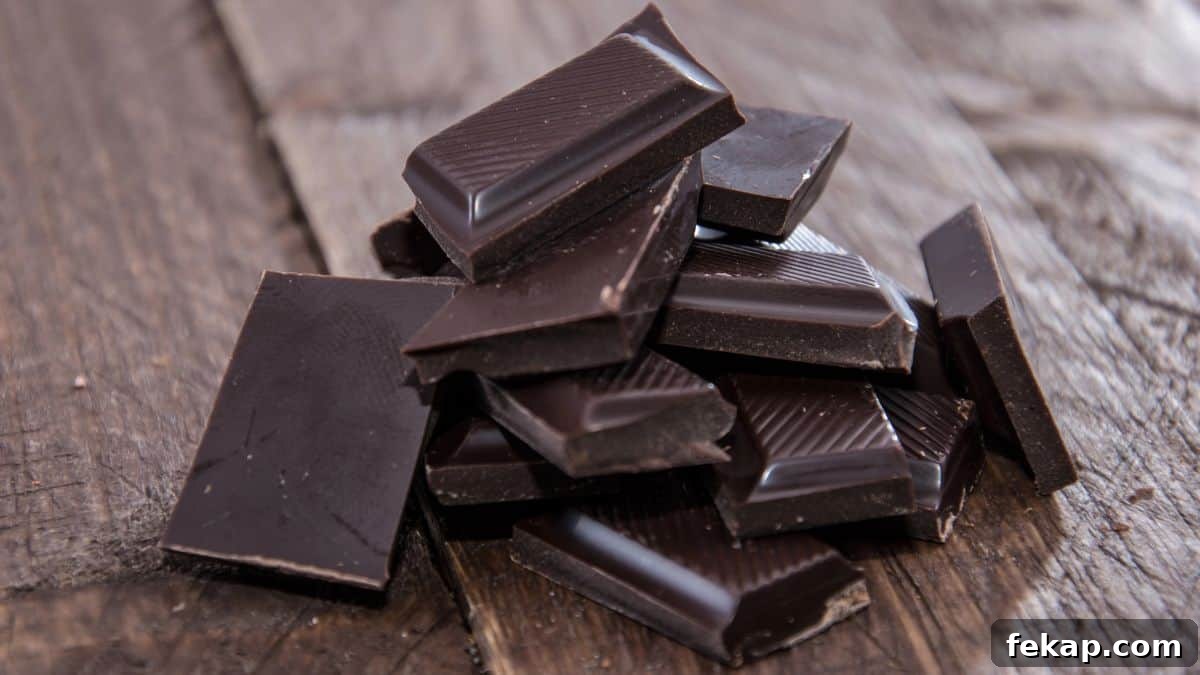
Chocolate contains theobromine and caffeine, stimulants that dogs cannot metabolize effectively. Even small amounts can cause vomiting, diarrhea, increased heart rate, and restlessness. Dark and baking chocolate are especially dangerous due to higher concentrations of these compounds. If your dog eats chocolate, contact your veterinarian promptly.
Grapes and Raisins
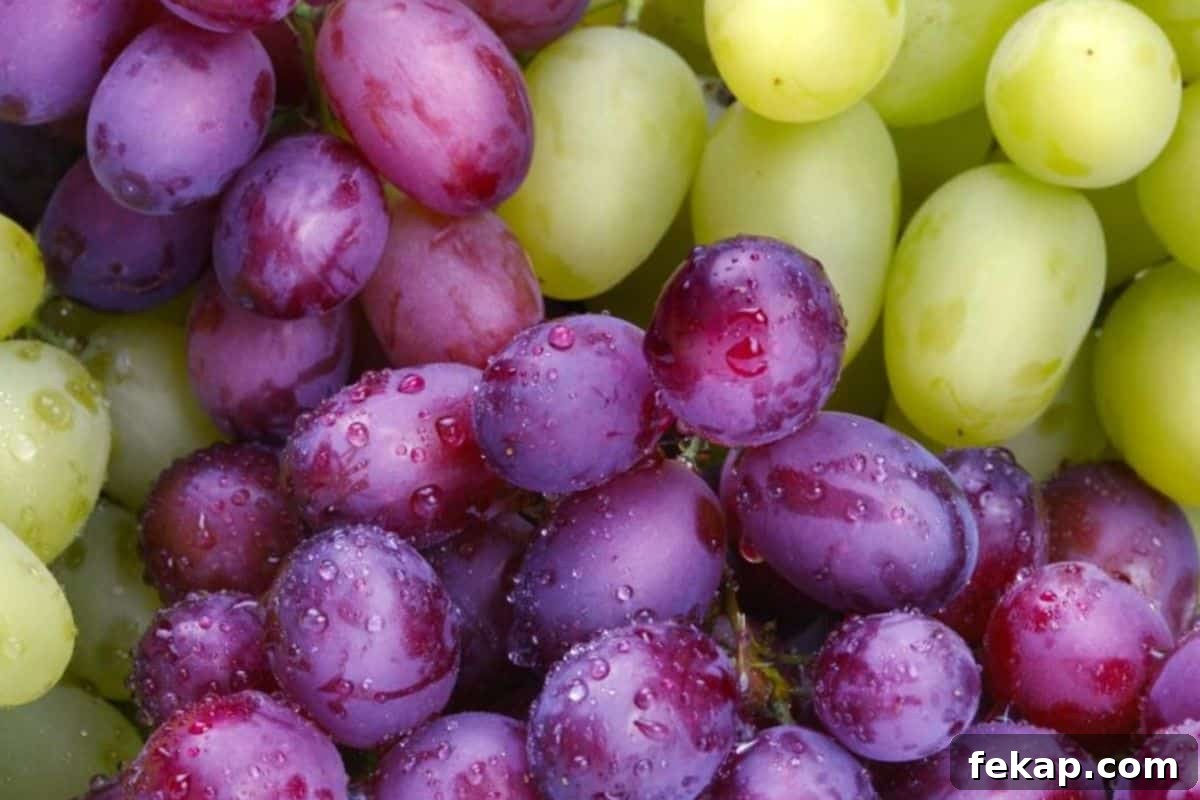
Grapes and raisins can cause sudden kidney failure in some dogs. The exact toxic substance is unknown and reactions vary between animals, so no amount is considered safe. Symptoms include vomiting, diarrhea, lethargy, and decreased urination. Prevent access to fruit bowls and baked goods that may contain raisins.
Onions and Garlic
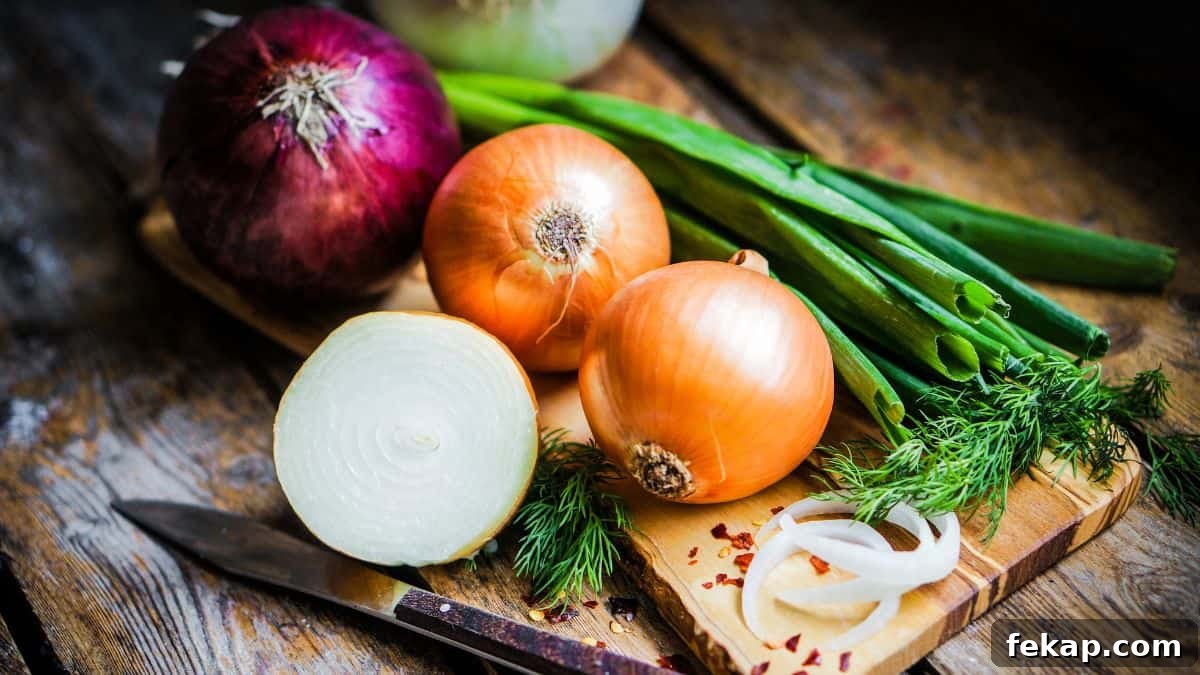
Onions, garlic, and related plants contain compounds that can damage red blood cells and lead to anemia. They are harmful whether raw, cooked, powdered, or in seasonings and prepared foods. Signs of poisoning can take days to show and include weakness, pale gums, and rapid breathing. Avoid feeding any foods seasoned with these ingredients.
Avocados
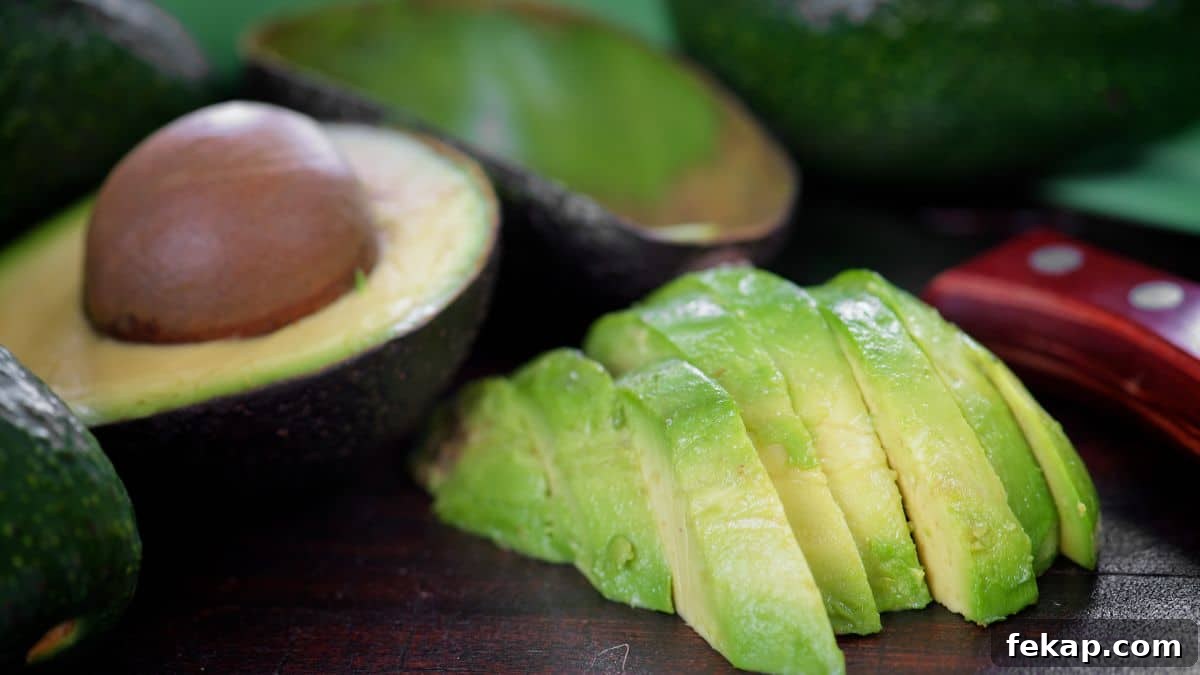
Avocados contain persin, which can upset some dogs’ stomachs. The pit, skin, and leaves carry higher concentrations and the pit presents a choking and obstruction hazard. While small amounts of flesh may be tolerated by some dogs, it’s safer to avoid avocados and offer dog-safe treats instead.
Macadamia Nuts
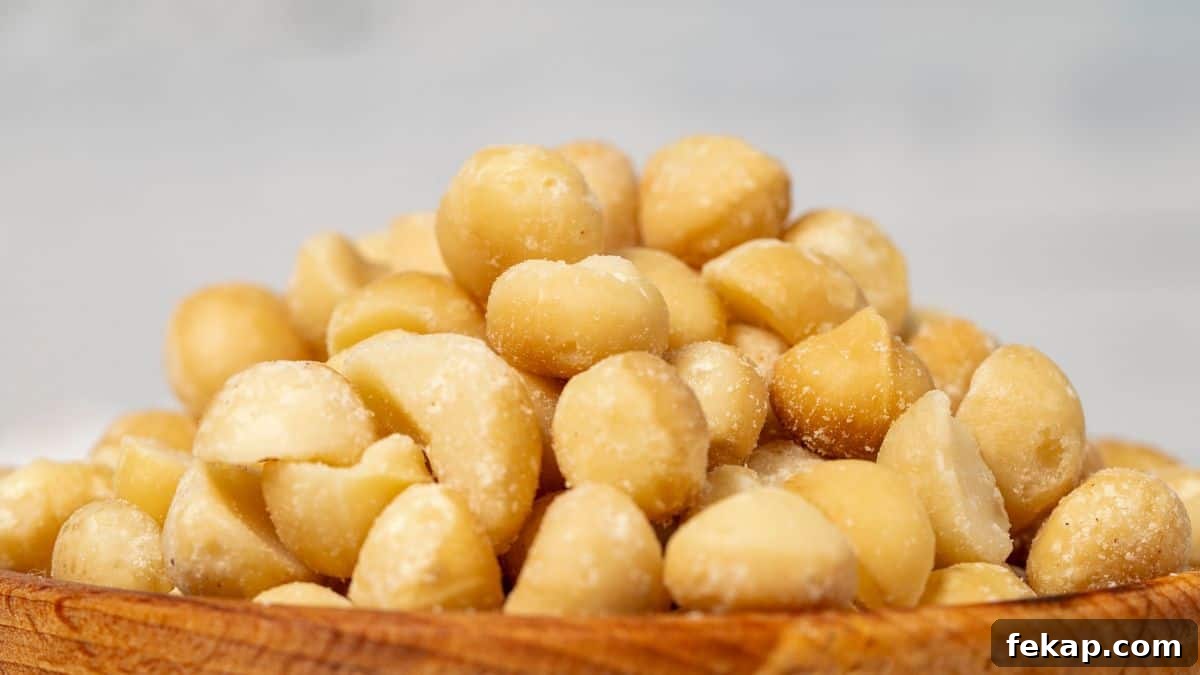
Macadamia nuts are known to cause weakness, tremors, vomiting, and overheating in dogs. Symptoms typically start within 12 hours and can last a day or two. Although rarely fatal, macadamia nut ingestion requires veterinary attention because it can make a dog very ill.
Xylitol

Xylitol is a common sugar substitute in sugar-free gums, candies, baked goods, and some peanut butters. In dogs it can trigger a rapid drop in blood sugar and may also cause liver damage. Signs include weakness, vomiting, and seizures. Always read ingredient labels and keep xylitol-containing products well away from pets.
Alcohol

Alcohol has a far stronger effect on dogs than on humans. Even small amounts can cause vomiting, coordination problems, slowed breathing, and in severe cases coma. Avoid allowing pets access to alcoholic drinks, unattended glasses, fermented dough, or foods prepared with alcohol.
Caffeine

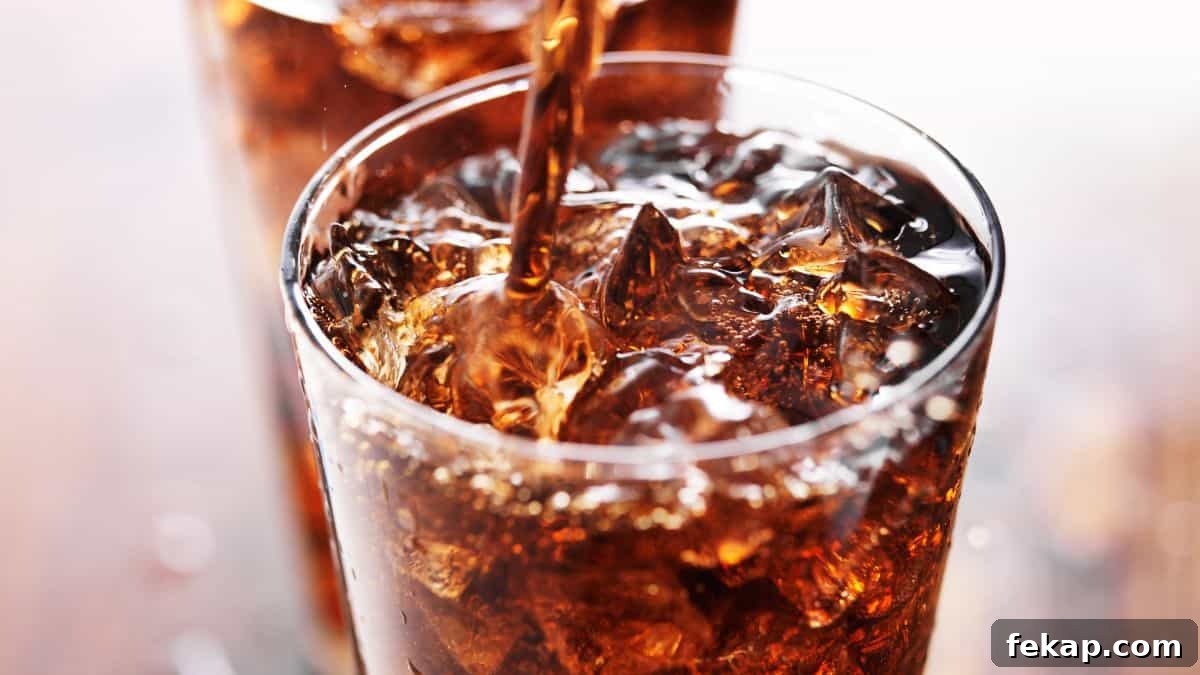
Caffeine in coffee, tea, sodas, energy drinks, and some medications affects a dog’s nervous system and heart. Symptoms include restlessness, rapid breathing, tremors, and possible seizures. Keep caffeinated beverages and grounds out of reach and never let a dog sample your cup.
Dairy Products

Many adult dogs are lactose intolerant and cannot properly digest milk, cheese, or ice cream. These foods often cause bloating, gas, and diarrhea. High-fat dairy items can also contribute to pancreatitis. If you offer dairy occasionally, choose low-lactose, low-fat options and watch for digestive upset.
Bones
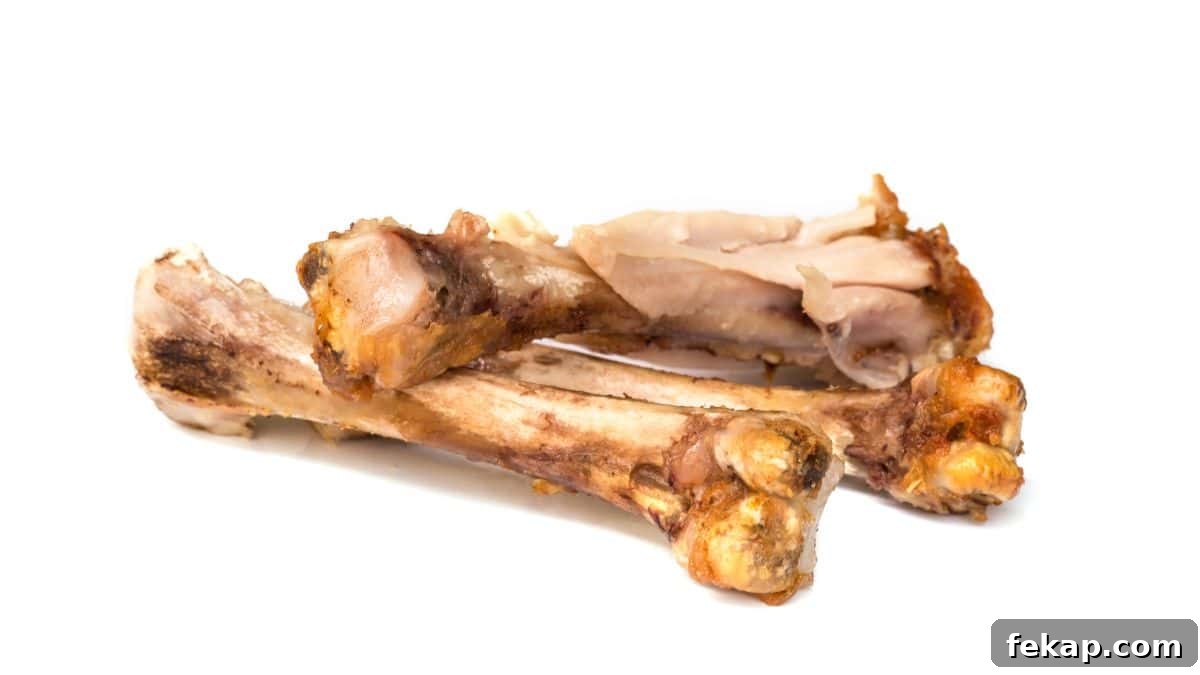
Cooked bones can splinter and cause choking, internal cuts, or blockages. Raw bones carry bacterial risks. Safer alternatives include veterinarian-approved chew toys and dental treats designed to satisfy chewing instincts without the hazards of bone fragments.
Raw Meat and Eggs

Raw meat and eggs can harbor Salmonella, E. coli, and other pathogens that harm dogs and humans in the household. Raw eggs also contain an enzyme that can reduce biotin absorption over time. If considering a raw diet, consult your veterinarian to weigh risks and proper handling practices.
Salty Foods
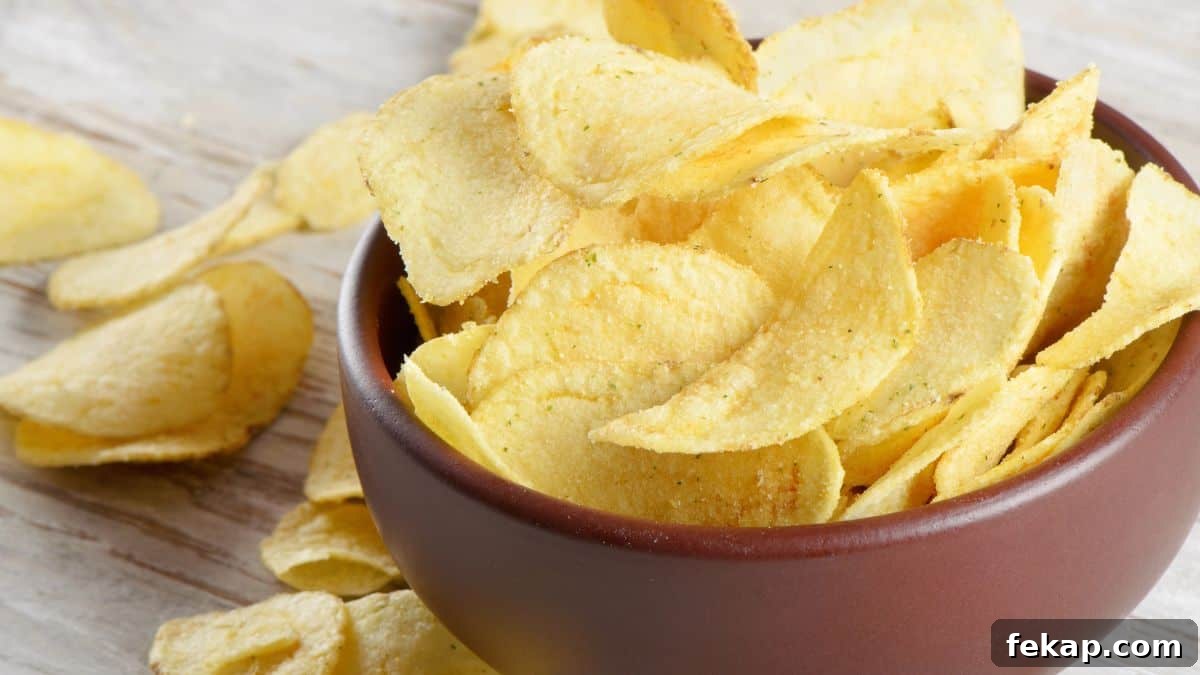
Excessive salt intake can cause sodium ion poisoning, dehydration, vomiting, tremors, and seizures. Snacks like chips, salted nuts, and processed foods should be kept away from pets. Fresh water and low-sodium snacks are far safer options.
Artificial Sweeteners
Aside from xylitol, other artificial sweeteners such as aspartame and saccharin can cause digestive upset or unpredictable metabolic effects in pets. Since many sugar-free products contain these additives, avoid sharing them and always check labels before offering human foods.
Fatty Foods

Foods high in fat, such as fried items, bacon, and fatty meats, can trigger pancreatitis, an inflammation of the pancreas that causes severe abdominal pain, vomiting, and lethargy. Keep fatty human foods away and choose lean protein sources recommended for dogs.
Mushrooms

Wild mushrooms can contain potent toxins that cause vomiting, tremors, seizures, or liver damage. Because it’s difficult to distinguish safe from toxic varieties, prevent dogs from foraging outdoors and contact a veterinarian immediately if ingestion occurs.
Prevention is the best protection: store foods securely, supervise meals and snacks, and teach family members not to share unsafe items. If you suspect your dog has eaten something toxic, contact your veterinarian or a pet poison helpline right away. Prompt action can make a significant difference in outcomes and keep your dog healthy and safe.