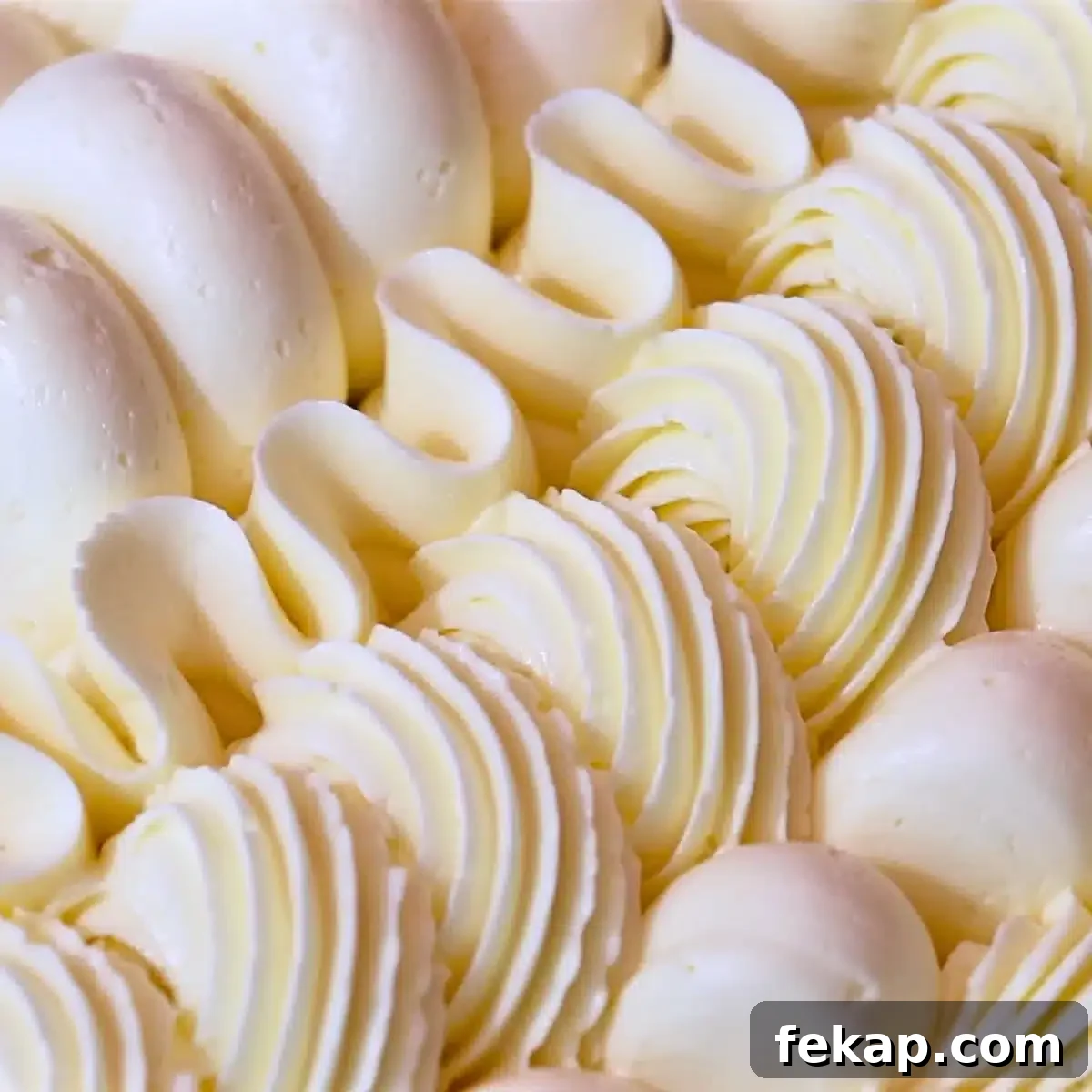
This lemon buttercream frosting is smooth, airy, and perfectly citrusy, made with fresh lemons. Use it to elevate lemon cupcakes, cakes, macarons, and many other bright, tangy desserts for lemon lovers.
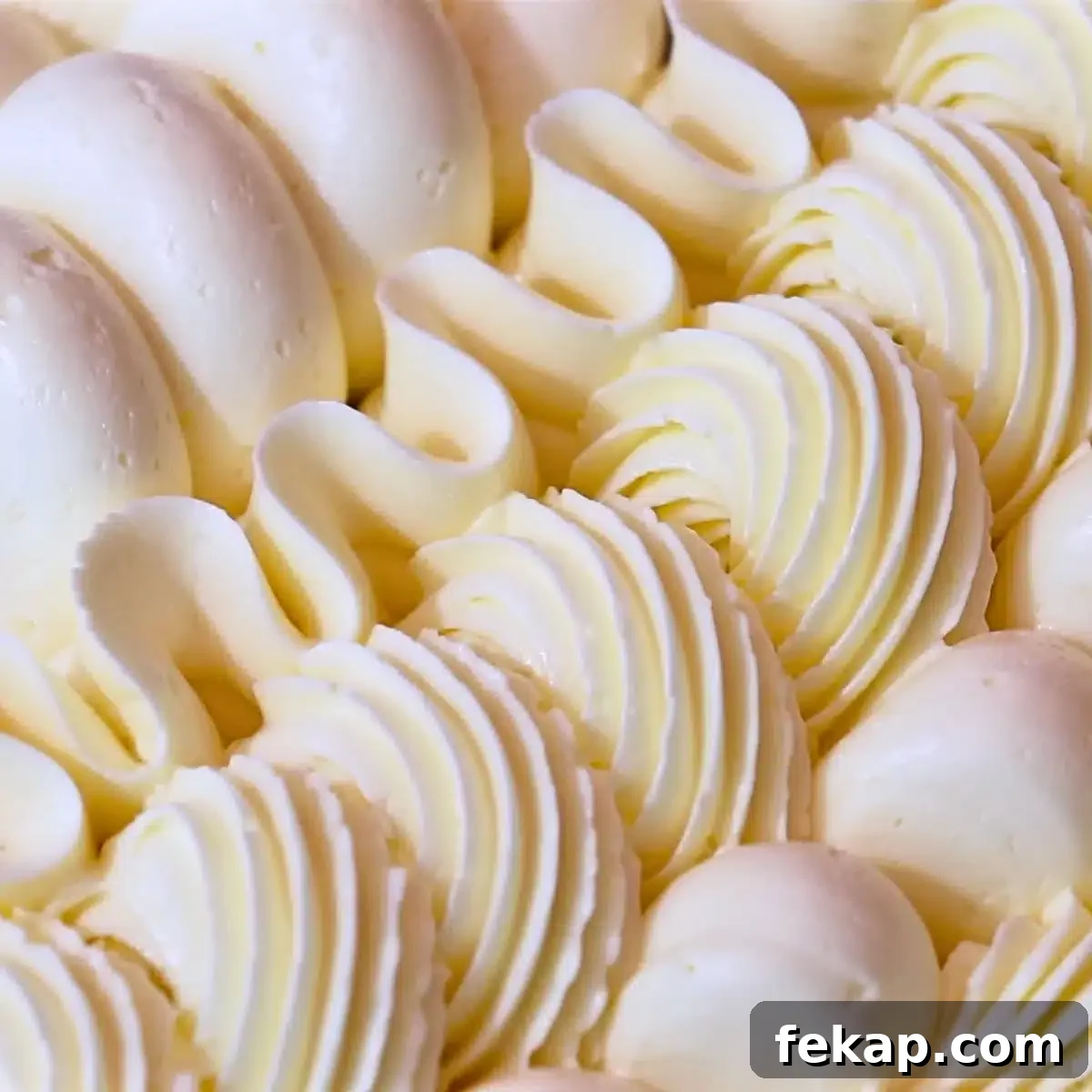
Why you’ll love this recipe
- Silky smooth texture without graininess.
- Very stable — it can support the weight of layered cakes.
- Firm enough to pipe detailed shapes and decorations.
- Bright, fresh lemon flavor from real lemon zest and juice — far more vibrant than extracts.
- Light and fluffy, not dense.
- Balanced sweetness — not overly sugary.
- Maintains structure after freezing and thawing; usually no re-whipping needed.
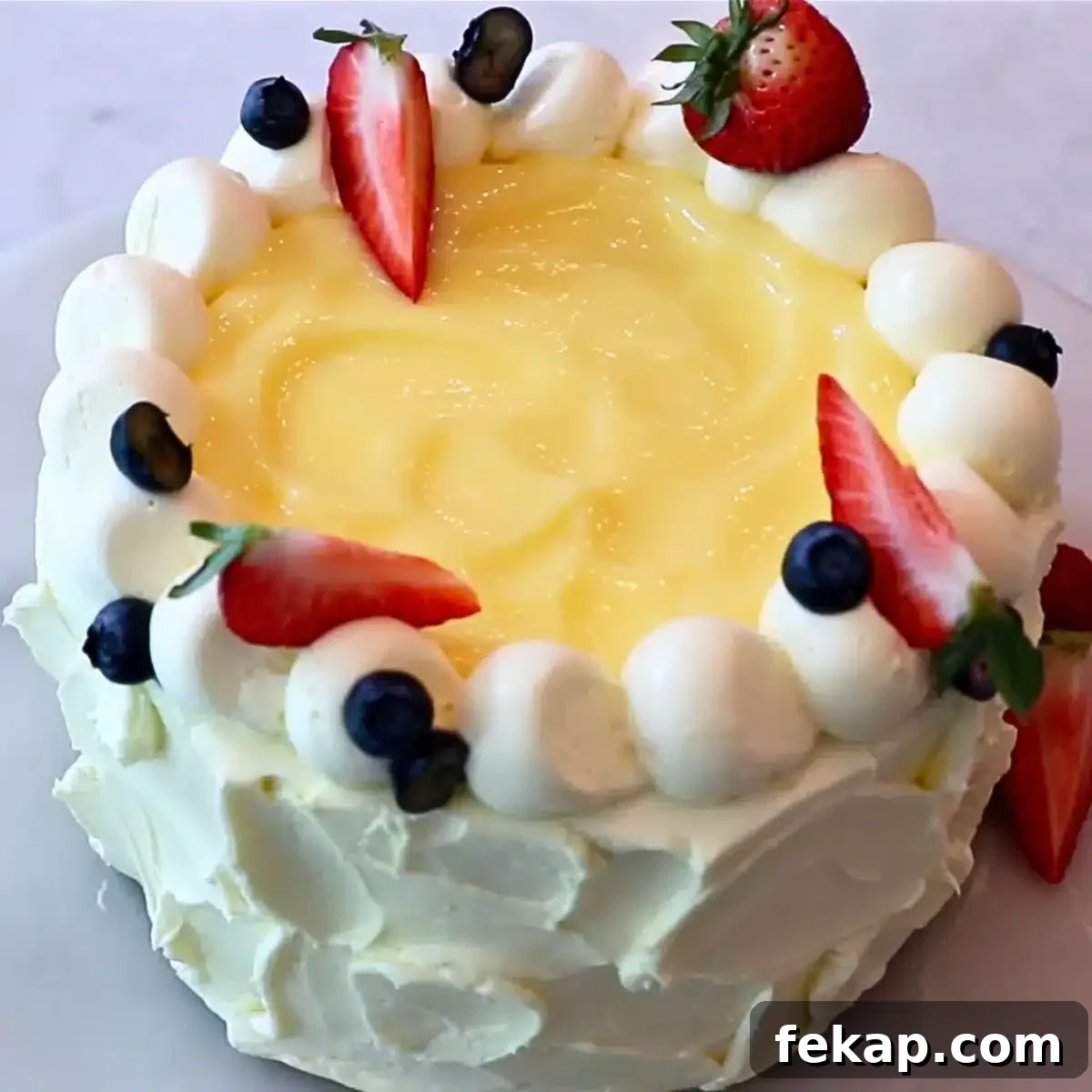
The secret to the airy, smooth lemon buttercream
This frosting combines Swiss meringue buttercream with homemade lemon curd. The Swiss meringue provides a light, silky, and stable base, while the lemon curd adds concentrated citrus flavor and a pleasant acidity. Compared with adding lemon directly to American buttercream (which often becomes grainy and quite sweet), this method yields superior texture, stability, and depth of flavor.
Be aware: this frosting requires a few extra steps, but the result is worth the effort if you want an exceptional lemon finish for special desserts.
Video
A video tutorial demonstrating the full process is available with the original recipe. Watching the step-by-step video can help you master temperatures and timing essential for a successful Swiss meringue and the final buttercream.
Ingredients for lemon buttercream frosting
Lemon curd (half batch)
- Whole egg: Helps thicken the curd.
- Egg yolk: Adds richness and body.
- Granulated sugar: Prevents the eggs from overcooking and helps preserve the curd.
- Lemon zest: Use only the yellow part — the white pith is bitter.
- Fresh lemon juice: Freshly squeezed for best flavor.
- Unsalted butter: Adds silkiness and helps set the curd.
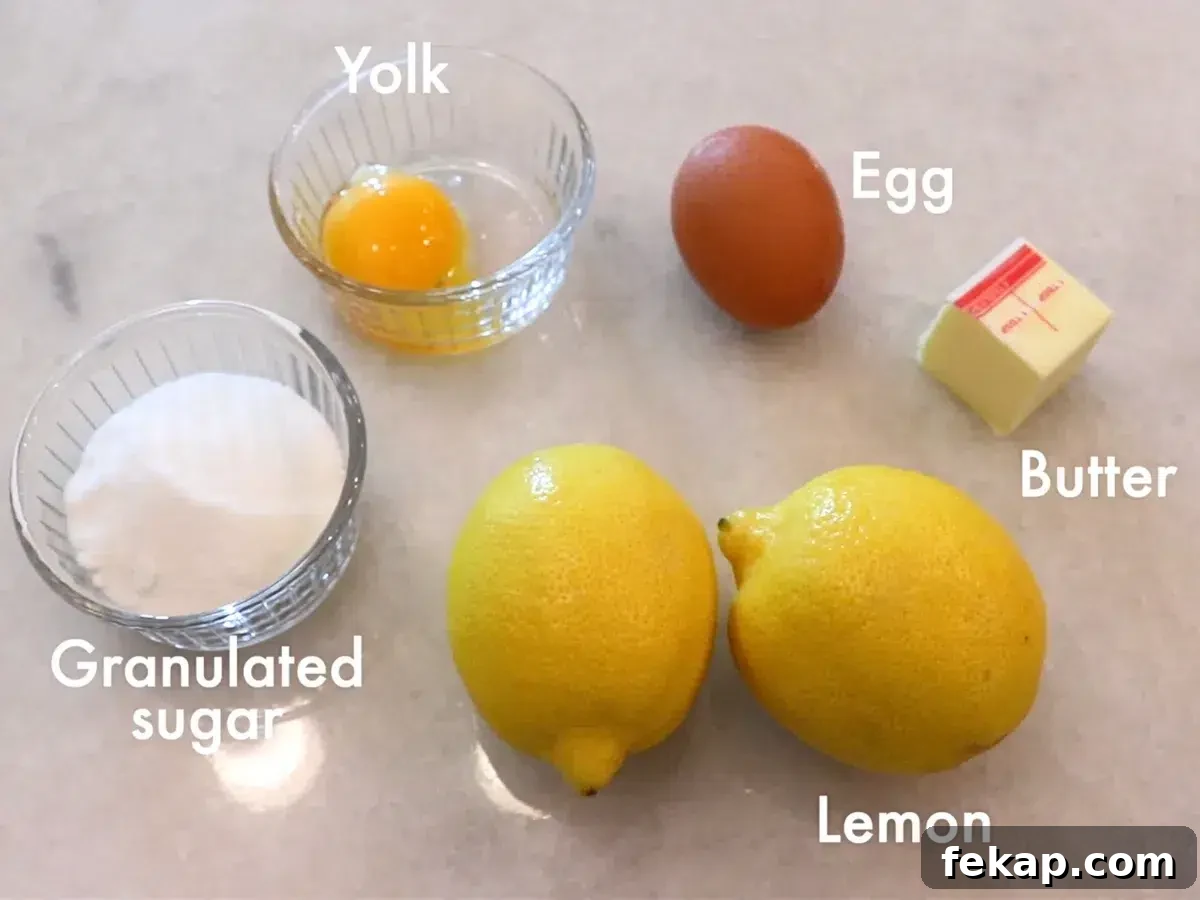
Swiss meringue buttercream
The Swiss meringue base requires just three main components plus a pinch of salt to brighten the lemon: egg whites, sugar, and unsalted butter.
- Egg whites: Make sure they are free of yolk and any fat to whip properly.
- Granulated sugar: Heated with the egg whites to make a safe, glossy meringue.
- Unsalted butter: Use softened butter at room temperature for a smooth finish.
- Salt: A pinch enhances the citrus notes.
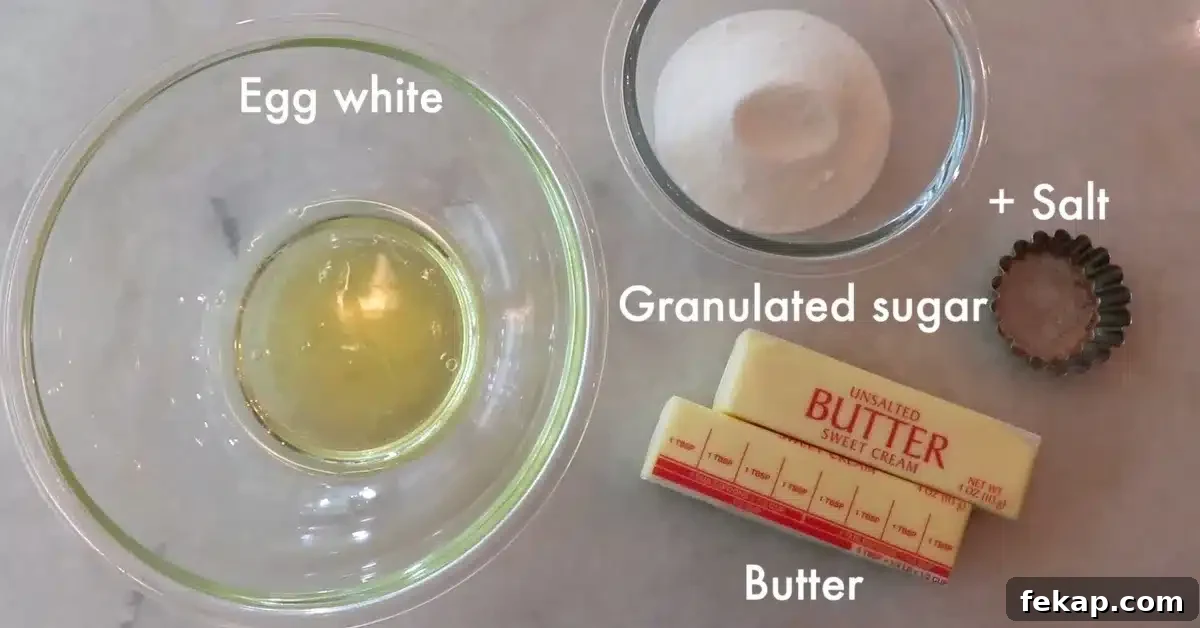
How to make lemon buttercream frosting
1. Make the lemon curd
- Prepare a half batch of homemade lemon curd and chill it completely in the refrigerator before using. The curd must be cold when folded into the buttercream.
- If you make extra curd, reserve it for filling cakes, cupcakes, or macarons — it keeps well refrigerated.
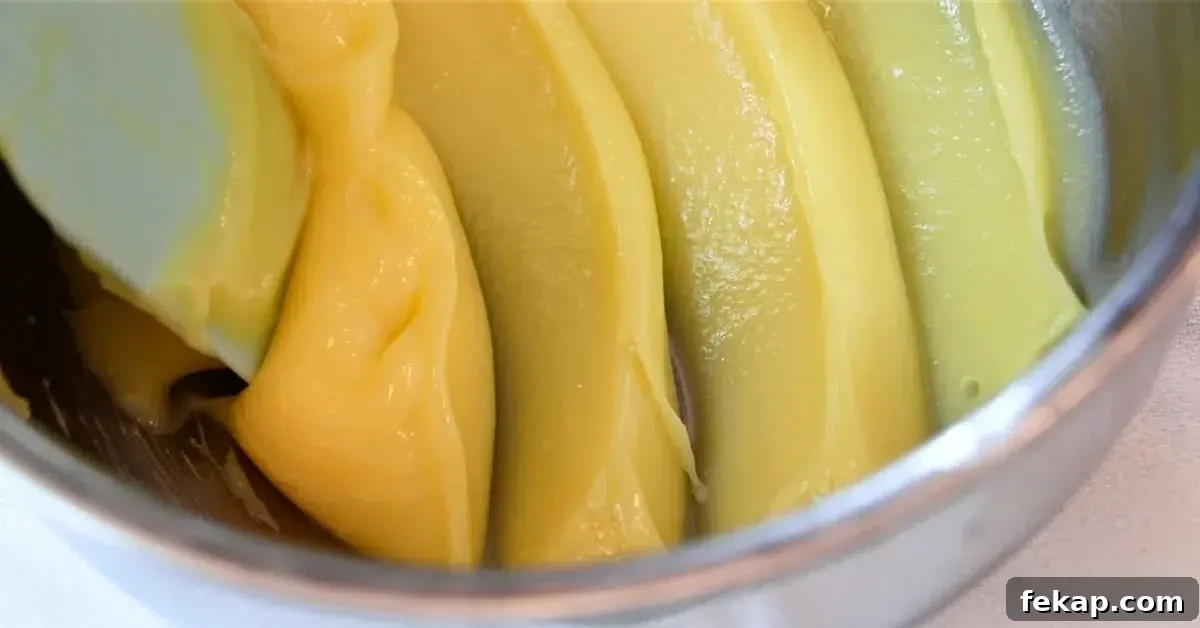
Tips
- Save egg whites from the curd for the Swiss meringue — this avoids waste.
- Measure ingredients by weight for reliable results.
2. Make the Swiss meringue
- Heat the egg whites and sugar together in a water bath, stirring constantly, until the mixture reaches 160ºF (71ºC). This both dissolves the sugar and pasteurizes the eggs.
- Immediately transfer to a mixer and whip the hot mixture at high speed. It will gain volume quickly while still warm. Continue whipping until the meringue cools to room temperature and feels not warm to the touch.
- With the meringue cooled, add room-temperature, softened butter a little at a time along with a pinch of salt, whipping until smooth. Scrape the bowl frequently so everything blends evenly.
- Fold in the cold lemon curd and whip briefly just to combine. Scrape the bowl to ensure an even mix.
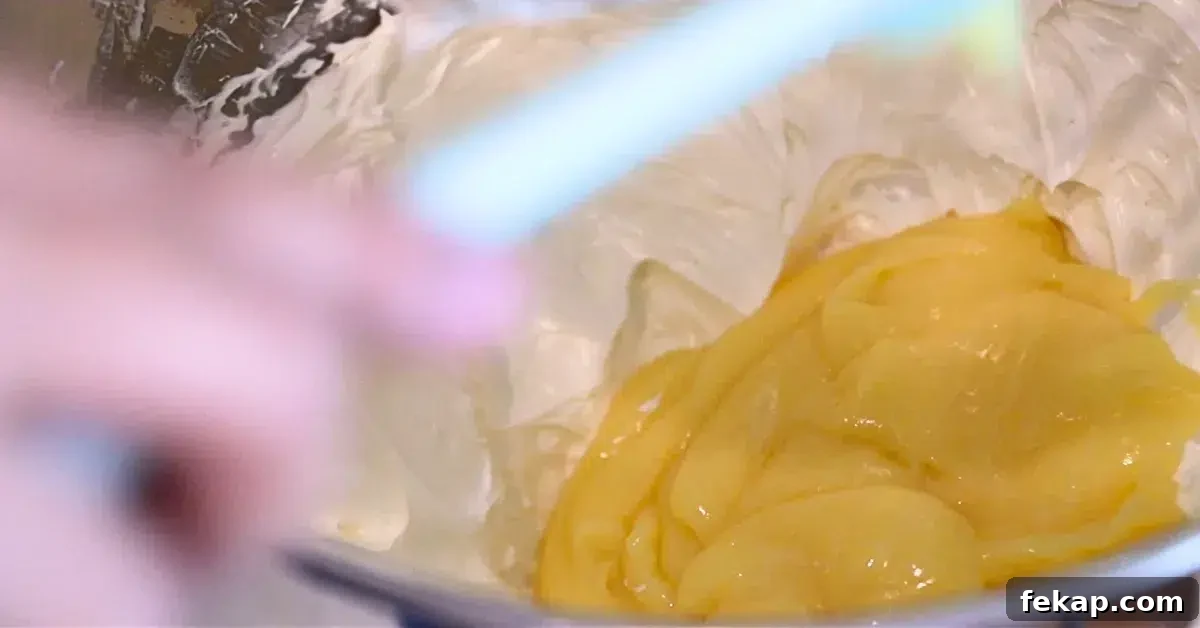
Important technique notes
- All tools and bowls must be clean and free from oil or residue; any fat will prevent the egg whites from whipping properly.
- Heating the egg whites and sugar to the correct temperature (about 160ºF / 71ºC) is crucial: too low and the meringue will be unstable; too high and the eggs can cook.
- Start whipping while the mixture is still warm — egg whites incorporate air far better at higher temperatures. Allow the meringue to cool completely before adding the butter to avoid melting it.
- Always add cold lemon curd, never warm, to prevent loosening the buttercream.
How long to whip
The meringue creates most of the lightness, so extensive whipping after adding butter isn’t required. Whip until the texture is smooth and evenly aerated; a minute or two after adding the butter is often enough.
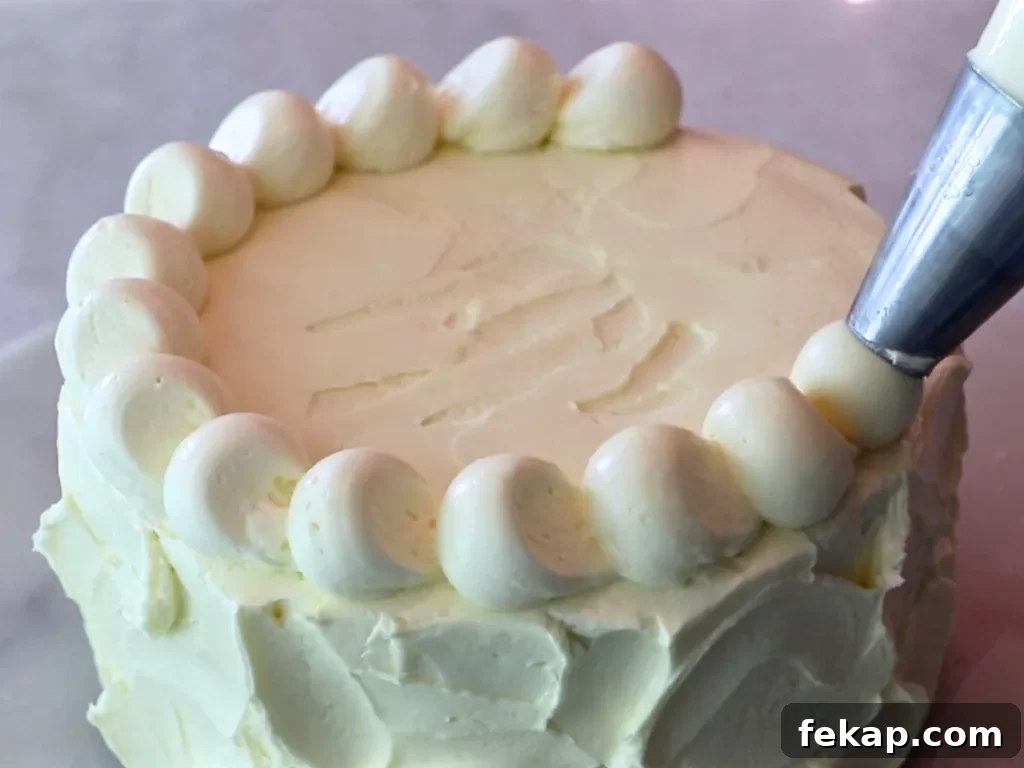
Uses for lemon buttercream frosting
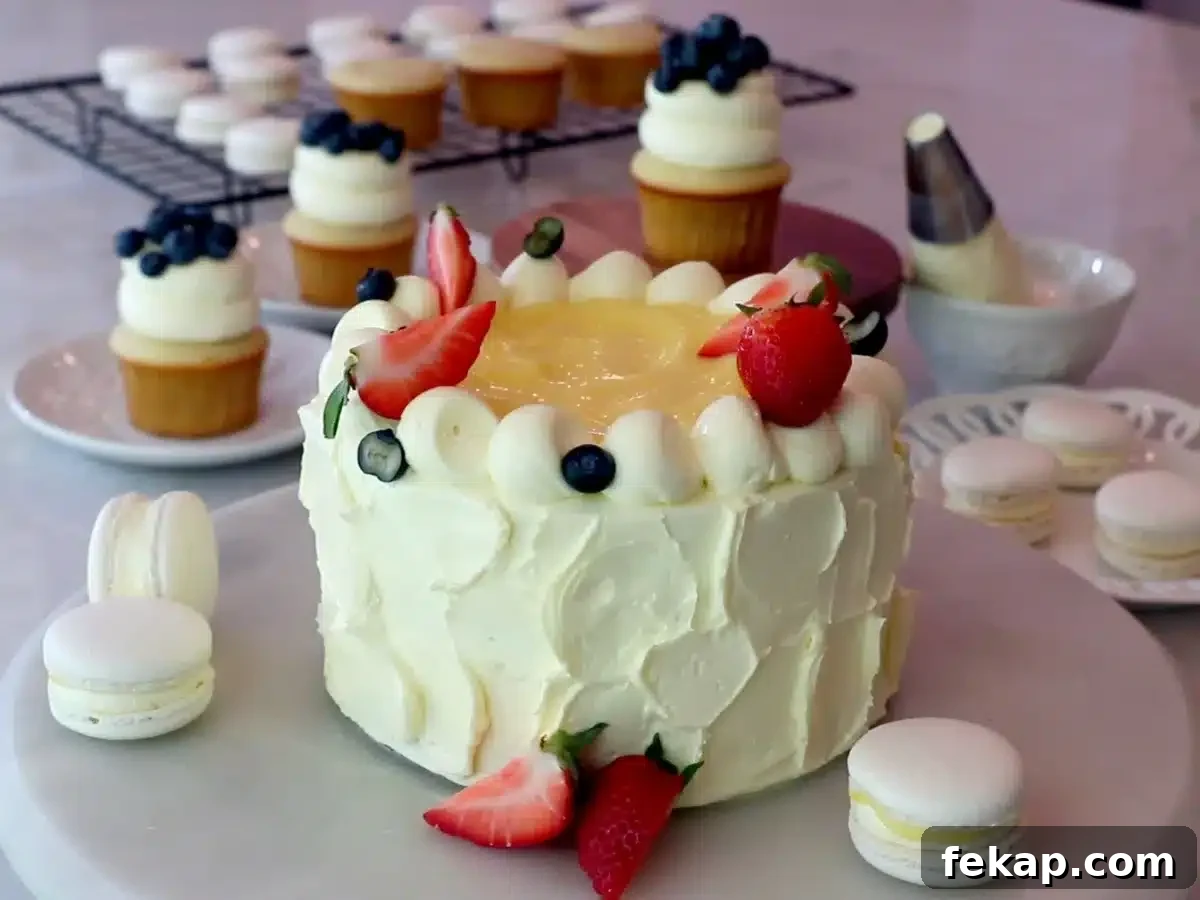
This frosting is versatile and pairs well with many lemon-forward desserts. Popular uses include:
- Macarons: Pipe this buttercream and add a small dollop of lemon curd for an intense lemon bite.
- Cakes: Excellent for layer cakes, birthdays, and special-occasion cakes.
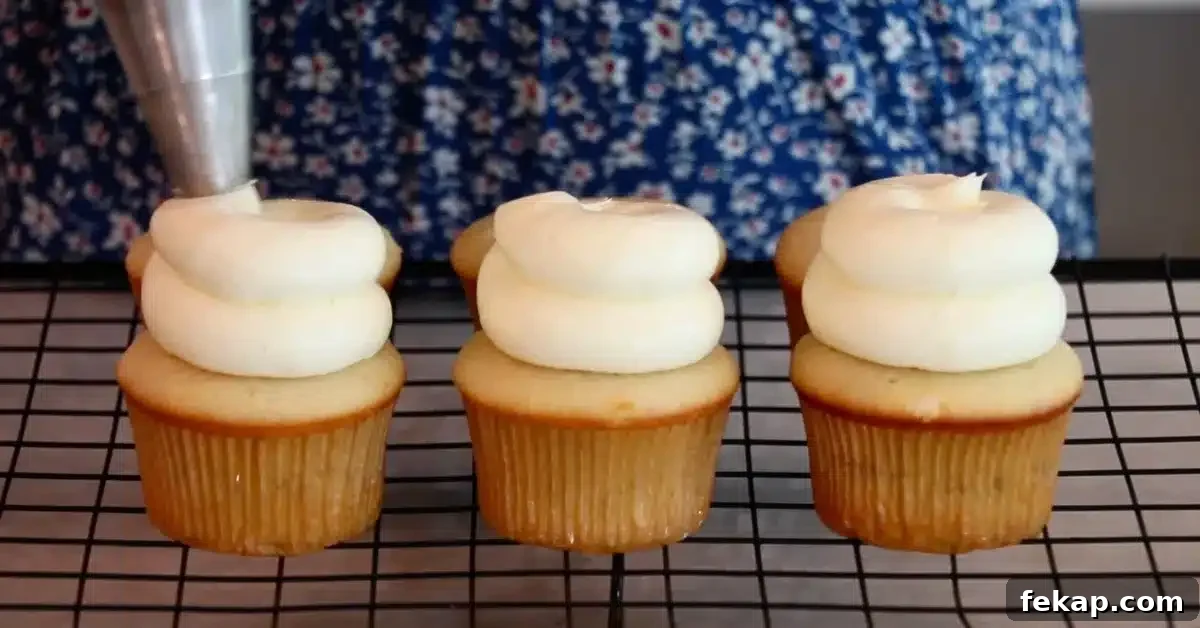
- Cupcakes: Pipe on top of lemon cupcakes and optionally fill centers with lemon curd.
- Sugar cookies: Spread or pipe for a bright, elegant finish kids and adults will enjoy.
How to store lemon buttercream frosting
Keep the buttercream in an airtight container. Wrapping it in plastic wrap and squeezing it into a piping bag before freezing makes it easy to thaw and pipe immediately. Refrigerated, it will keep 4–5 days; frozen, it will keep for several months.
Thawing and reuse
Buttercream firms up when cold because of the butter. Thaw in the refrigerator overnight or at room temperature for several hours until soft enough to pipe. If made correctly, the Swiss buttercream should not require re-whipping after thawing.
Troubleshooting tips
If the buttercream is loose
Common causes:
- Butter melted because it was added to warm meringue.
- The meringue was under-heated or wasn’t whipped while warm.
- Oil or liquid contaminated the bowl or tools.
- The meringue was over-whipped and lost volume.
- Room temperature is very warm and the butter softened too much.
- LeMon curd added before it was fully cooled.
If the buttercream is grainy or not smooth
- The meringue was partially cooked or the sugar didn’t dissolve; mix steadily while heating.
- The butter was too cold; use properly softened butter for a silky finish.
In short: monitor temperatures carefully — the meringue, the butter, and the lemon curd all matter. Make sure the meringue is fully cooled before you add the butter, and that the curd and butter are at appropriate temperatures to blend cleanly.
More frosting recipes to try
- French buttercream
- Swiss meringue buttercream (basic)
- Italian buttercream
- Cream cheese frosting
Did you try the recipe?
Share your feedback in the comment section below. I’d love to know how it turned out for your special occasions.
Thank you! – Aya
Recipe summary
- Name: Lemon Buttercream Frosting
- Prep time: 35 minutes
- Cook time: 10 minutes
- Total time: 45 minutes
- Yield: Frosting for a 6-inch cake (amount may vary depending on piping)
Ingredients (quantities provided as in the original recipe)
- Lemon curd (half batch): 1 whole egg (about 50 g), 1 yolk, 50 g granulated sugar, zest of 1/2 lemon, 60 g lemon juice, 28 g unsalted butter.
- Swiss meringue buttercream: 67 g egg whites (about 2 eggs), 100 g granulated sugar, 226 g unsalted butter (softened), a pinch of salt.
Method (condensed)
- Make and chill the lemon curd.
- Heat egg whites and sugar to 160ºF (71ºC) over a water bath, stirring until the sugar dissolves.
- Whip the hot mixture at high speed until it becomes a glossy meringue and cools to room temperature.
- Add softened butter and a pinch of salt, whipping until smooth and fully combined.
- Fold in the cold lemon curd and whip briefly until just combined. Adjust texture if needed by whipping a little longer for airiness.
Nutrition (per serving as listed)
- Calories: 466 kcal
- Carbohydrates: 26 g
- Protein: 7 g
- Fat: 39 g
- Saturated fat: 23 g
- Sugar: 25 g