
You have probably seen broth, stock and bone broth lined up together at the grocery store, and it is easy to assume they are basically the same. They are all savory liquids used in soups, sauces, stews and grains, but they are made in different ways and serve slightly different purposes. Understanding the difference between broth, stock and bone broth can help you choose the right one for better flavor, texture and results in your cooking.

A Quick Breakdown
Broth, stock and bone broth may look similar in a bowl or carton, but the main differences come down to ingredients, simmering time, seasoning and how each one is typically used. Once you know what separates them, it becomes much easier to decide which liquid belongs in your recipe.
Broth is usually made by simmering meat, sometimes with bones, along with vegetables, herbs and aromatics. It cooks for a shorter time, often less than two hours, and is commonly seasoned before use. Because of that, broth can be sipped on its own or poured directly into recipes without much adjustment.
Stock is more focused on bones. It may include some meat, vegetable scraps and aromatics, but the purpose is to extract collagen and build a fuller body. Stock is generally simmered longer than broth and is often left unseasoned so it can act as a flexible base for soups, sauces, gravies and braises.
Bone broth takes the idea of stock even further. It is made by simmering bones, often roasted first, for 12 hours or more. Vinegar is sometimes added to help draw minerals from the bones. The finished liquid is usually richer, thicker and more gelatinous than regular broth or stock.

Broth, Stock and Bone Broth Details
Here is a closer look at each one, including how it is made, what it tastes like and when it works best in the kitchen.
Broth
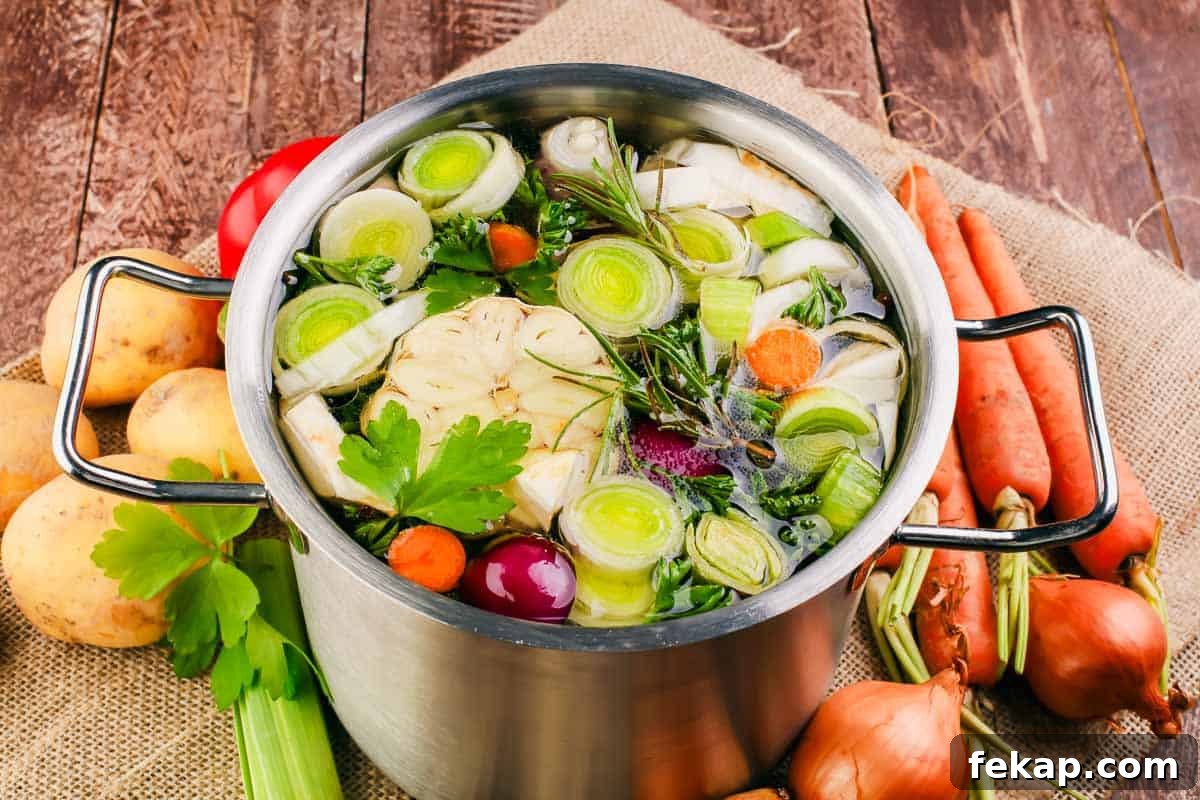
Broth is the lightest and most familiar of the three. It is made by simmering meat, or vegetables in the case of vegetable broth, with herbs, aromatics and seasonings. Common additions include onion, celery, carrots, garlic, bay leaves and peppercorns. Since the cooking time is fairly short, broth has a clean flavor and a thinner texture.
You will often see cartons labeled chicken broth, beef broth or vegetable broth in stores. These products are typically seasoned and ready to use, which makes them convenient for quick soups, simple stews, cooked grains and weeknight meals. Broth is also easy to drink by itself when you want something warm, savory and comforting.
Because broth does not rely heavily on bones, it does not usually become thick or gelatinous when chilled. That lighter body is not a flaw; it is what makes broth useful when you want flavor without too much richness. It is a practical choice for recipes where the liquid supports the dish instead of becoming the main feature.
Stock
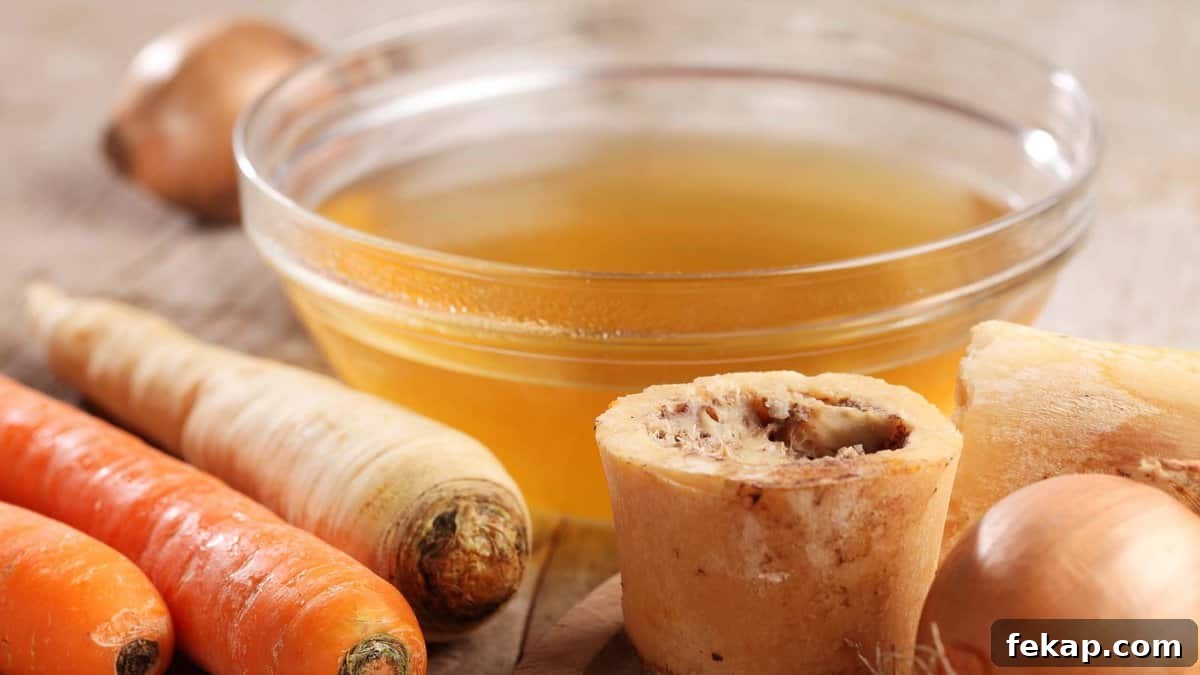
Stock is made primarily with bones, often with a little meat still attached. Vegetable scraps and aromatics are usually added for flavor, but bones are the defining ingredient. As stock simmers, collagen and connective tissue break down, giving the liquid a richer mouthfeel and more structure than broth.
Most stocks cook for several hours, commonly two to four hours depending on the type of bones used. This longer simmer helps create depth and body without requiring heavy seasoning. In fact, stock is usually left unsalted or only lightly seasoned because it is meant to be a foundation, not a finished drink.
This makes stock especially useful in sauces, gravies, risotto, braises, stews and soups that will reduce or simmer for a while. Since it is not already salty, you can control the final seasoning more easily. If homemade stock turns slightly jiggly after chilling in the refrigerator, that is a sign of gelatin from the bones, and it is one of the qualities that makes a good stock valuable in cooking.
Bone Broth
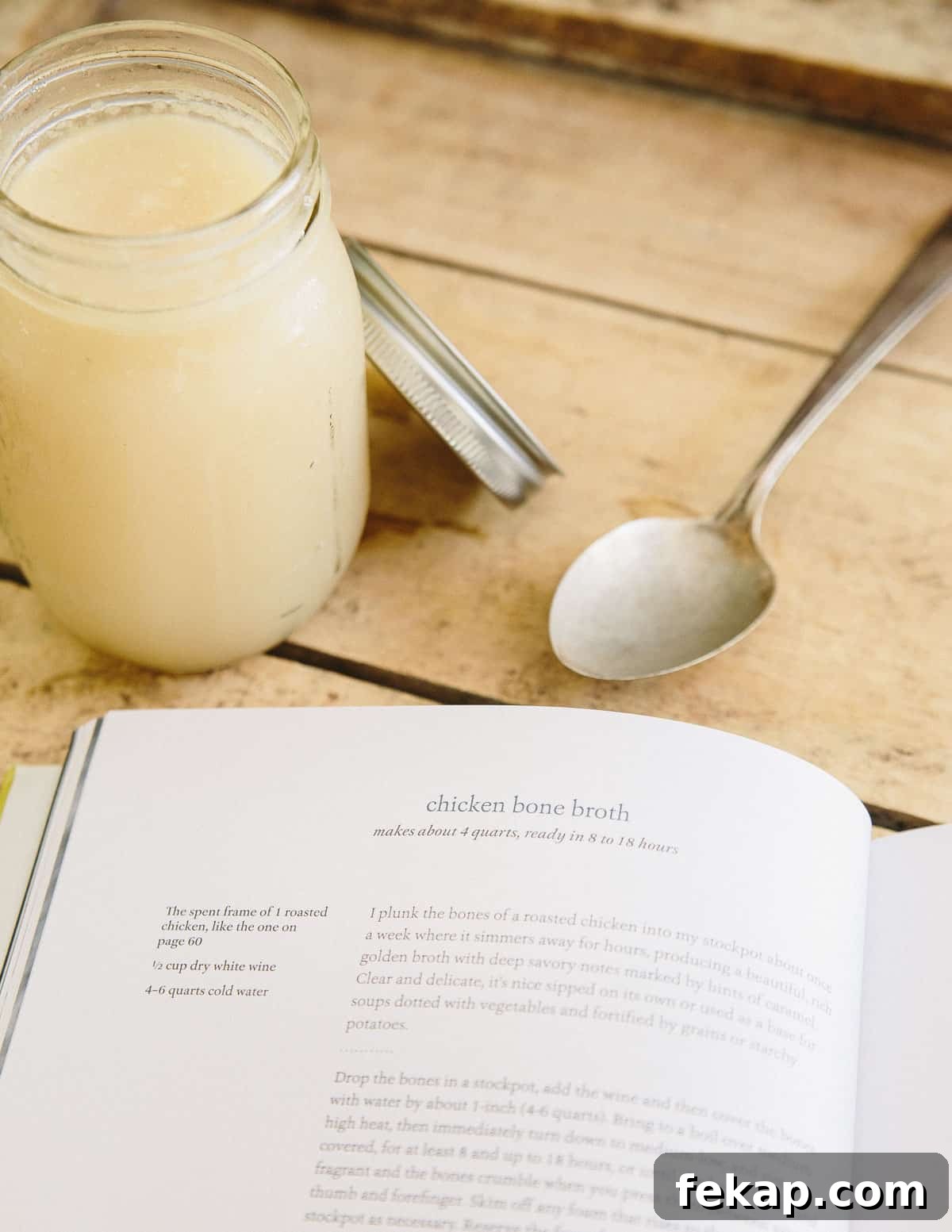
Bone broth is closely related to stock, but it is simmered much longer. It is often made with roasted bones and may cook for 12 to 24 hours. A small amount of vinegar is sometimes added to the pot to help extract minerals from the bones. The backbone from a spatchcocked chicken is a useful option for making a flavorful batch at home.
The extended cooking time breaks down more collagen and connective tissue, which can give bone broth a thicker, more gelatinous texture once cooled. It can be used in recipes the same way stock is used, especially in hearty soups, stews and braises. However, bone broth is also commonly served on its own, often warmed and lightly seasoned.
In recent years, bone broth has become popular in wellness circles, where it is often associated with joint support, gut health and skin health. Research on those claims is still developing, but from a cooking perspective, bone broth is valued for its deep flavor and satisfying body. Whether you drink it or cook with it, it is the richest option among the three.
Store-Bought vs. Homemade
Store-bought broth and stock are convenient, but quality can vary a lot from brand to brand. Some cartons labeled as broth contain a mix of meat, bones, vegetables and seasonings, which can make the line between broth and stock less clear. Many packaged versions also rely on salt, yeast extract or natural flavors to create a stronger taste without the depth that comes from long simmering.
That does not mean boxed broth or stock is useless. It can be a helpful shortcut for busy weeknights, especially in recipes with bold ingredients. Still, it is worth checking the label if you care about sodium levels, added sugar or preservatives. A simple ingredient list is usually a better sign than one packed with unnecessary extras.
Store-bought bone broth has also become widely available, but it is not always as rich as homemade. Some versions are flavorful and full-bodied, while others taste more like salty water with a premium label. Making broth, stock or bone broth at home takes more time, but it gives you control over the ingredients, seasoning and final texture.
If you make a large batch, freeze it in small containers or ice cube trays. That way, homemade stock or bone broth becomes almost as convenient as store-bought, and you can add small amounts to sauces, soups and grains whenever you need extra flavor.
Which One Should You Use?
The best choice depends on what you are cooking and how much flavor or body the recipe needs. Use broth when you want a light, seasoned liquid that is ready to go. It works well for quick soups, simple pan sauces and cooking rice or quinoa. Since broth already contains seasoning, taste before adding more salt.
Choose stock when you need a richer base with more structure. It is a better fit for sauces, gravies, stews and braises, including dishes like braised artichokes, where the cooking liquid has time to develop flavor. Because stock is usually unseasoned, it gives you more control over the finished dish.
“I usually go with bone broth — it has more flavor and feels heartier than stock. It’s great in my shepherd’s pie because it makes the filling extra savory.”
— Bella Bucchiotti, xoxoBella
Bone broth can often stand in for stock, especially in hearty recipes. It may be too intense for delicate soups or lightly flavored sauces, but it is excellent when you want a deeper, more savory result. If a recipe calls for stock and you only have broth, or the other way around, you can usually still make it work. The differences matter, but they are flexible enough for everyday home cooking.
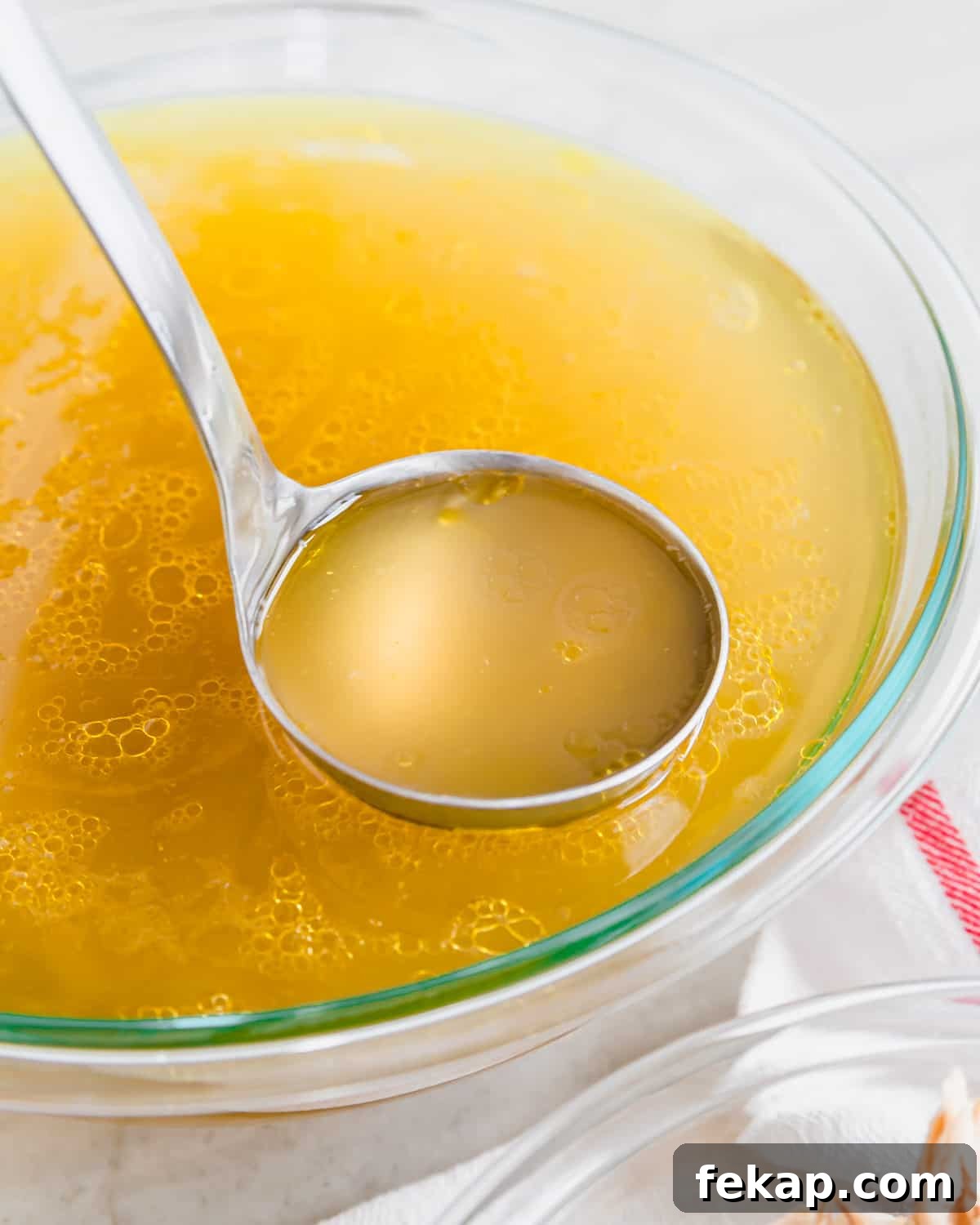
Use Broth, Stock or Bone Broth In These Soups
Not every recipe requires a carefully chosen base. In a bold soup like creamy buffalo chicken soup, strong flavors can easily overpower the liquid, so broth, stock or bone broth may all work well.
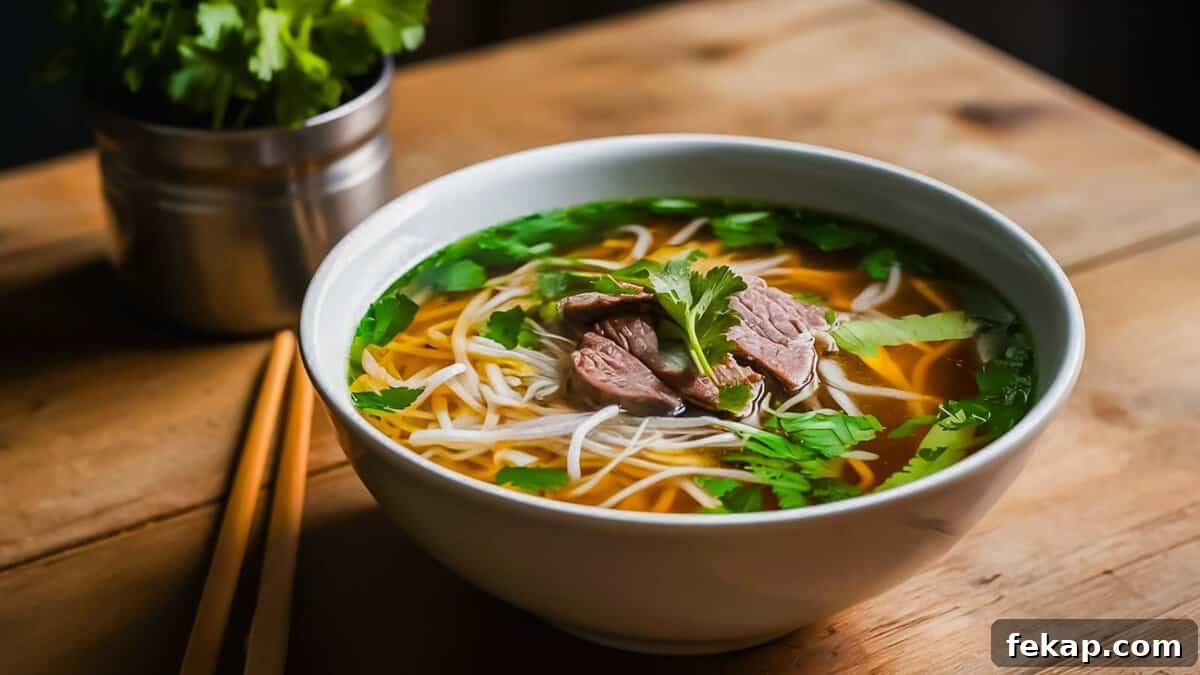
When the liquid is the main feature, however, the choice matters more. Clear soups, noodle soups, brothy bean dishes and simple stews benefit from a base with good flavor and the right amount of body. In those recipes, a high-quality broth, homemade stock or rich bone broth can make the difference between a flat soup and one that tastes complete.
Here are some favorite broth-based soup and stew recipes where the base plays an important role.
Soups and Stews Where the Broth Matters
Soups + Stews
Spicy Chicken Lime Soup
Soups + Stews
Turkey Stew
Soups + Stews
Wild Mushroom Soup
Soups + Stews
Escarole and Beans
Soups + Stews
Tuscan Kale Soup
Soups + Stews