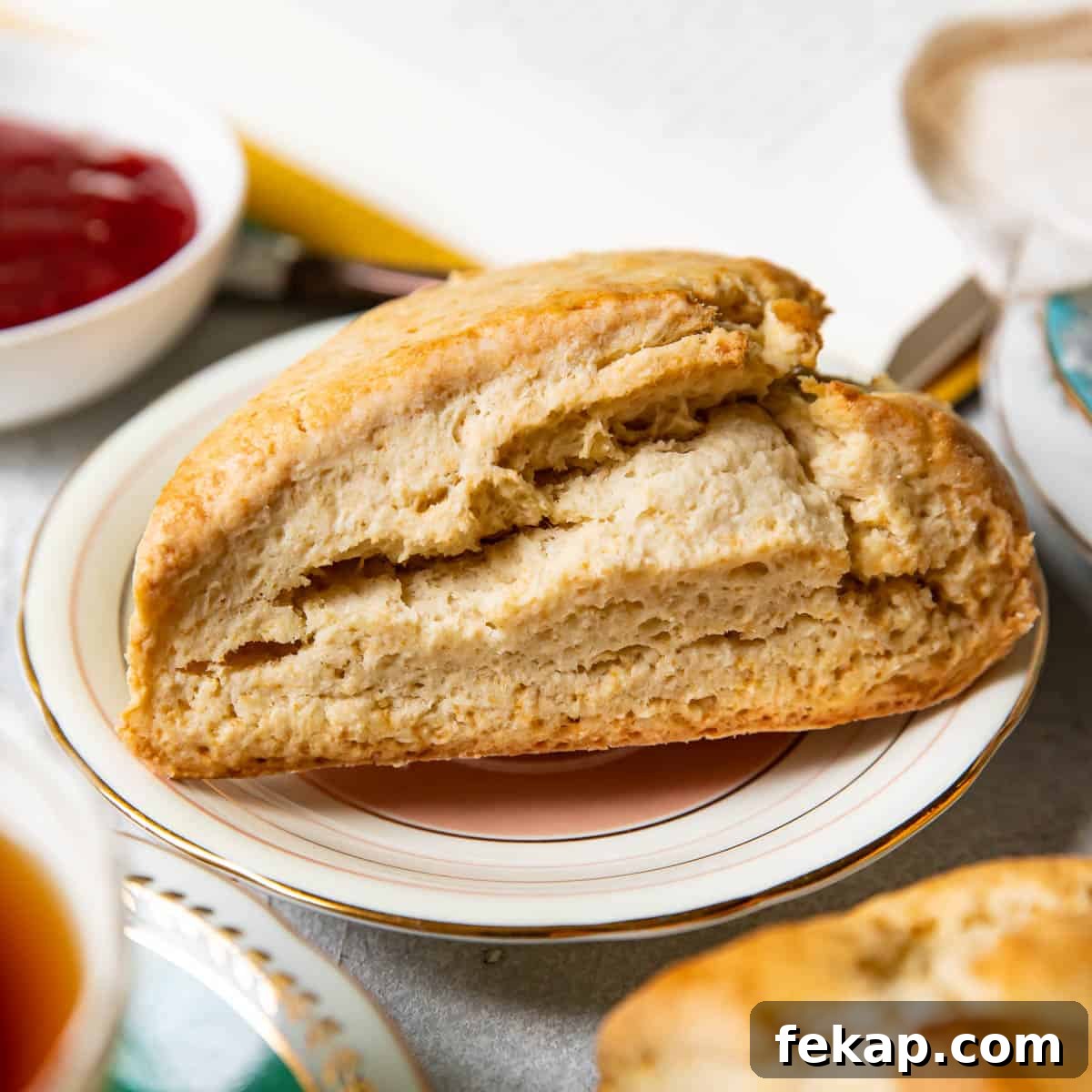
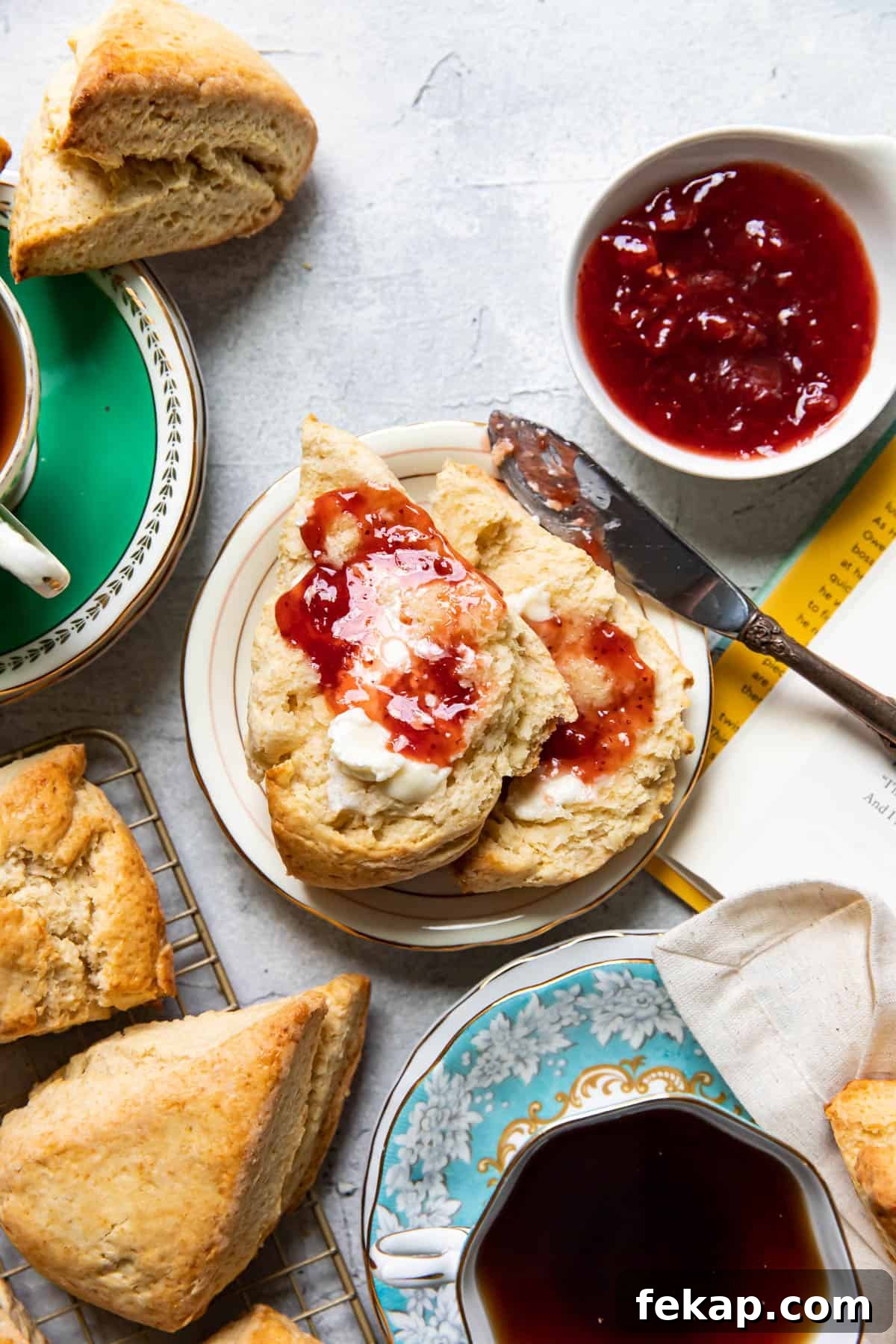
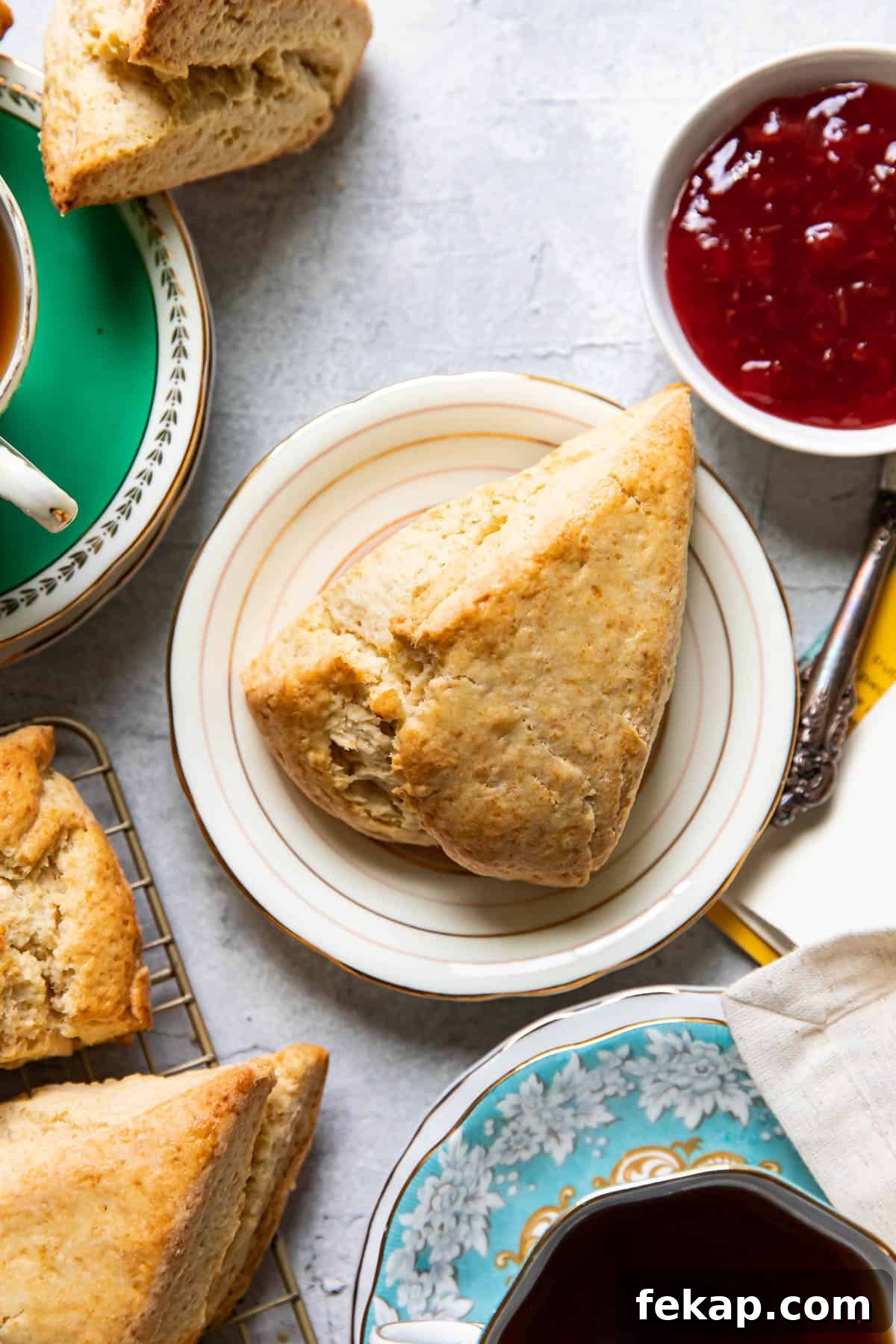
These are the perfect soft English scones—easy to make, tender inside, and lightly crisp on the edges. They strike a pleasant balance between buttery and mildly sweet, making them ideal with a cup of tea.
This recipe was first published on May 13, 2019.

These scones are my version of an English-style scone: soft and buttery, with a tender crumb that’s light rather than dense. They come together quickly—about 15 minutes of prep and roughly 25 minutes in the oven—so you can have fresh scones in under an hour.
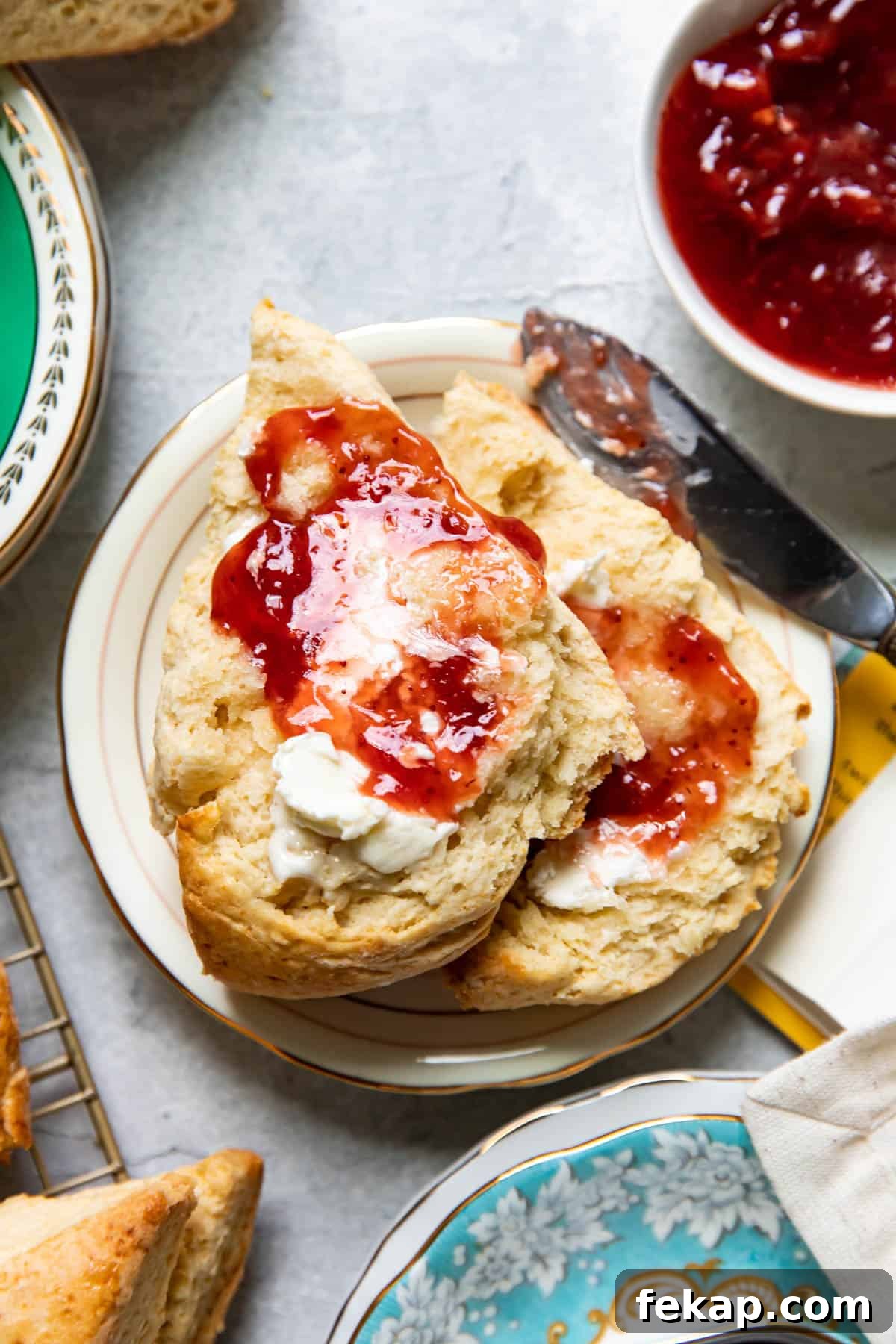
If you want to take them up a notch, serve them with homemade lemon curd or clotted cream for a traditional afternoon-tea experience.
They are not dry, crumbly, or hard to make. With just a few pantry staples, a bowl, a knife, and a baking sheet, you’ll be surprised how simple scone-making can be. If you’re feeling adventurous, try adapting this dough for pumpkin or maple-pecan scones during the season.
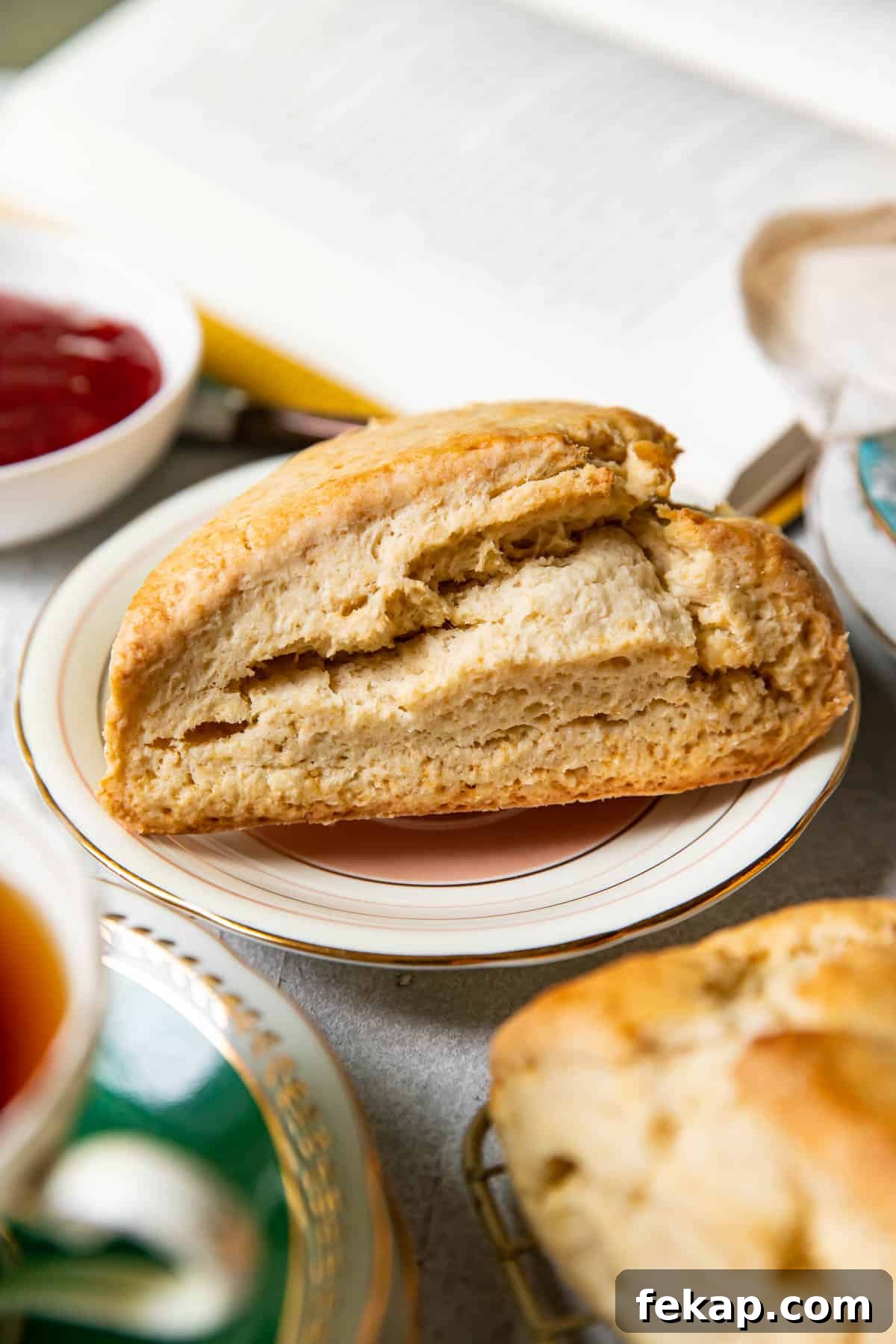
One key tip: get the liquid-to-flour ratio right. Too much flour will yield heavy, dry scones; the goal is a dough that’s soft and slightly tacky so it bakes into flaky, layered scones.
Ingredients
Below are the ingredients you’ll need to make these English-style scones. For precise quantities and the full method, see the recipe instructions in the next section.
- All-purpose flour
- Baking powder
- Cane sugar
- Salt
- Cold butter
- Egg
- Heavy cream
- Milk
How To Make Classic English Scones
Preheat the oven to 400°F (204°C). Line a baking sheet with parchment paper.
In a large bowl, sift or whisk together the flour, baking powder, sugar, and salt. Add the cold, diced butter and use your fingertips to rub or pinch the butter into the flour until the mixture resembles coarse crumbs with some pea-sized pieces of butter remaining. Press the butter into slightly flatter pieces with your palms to encourage flaky layers.
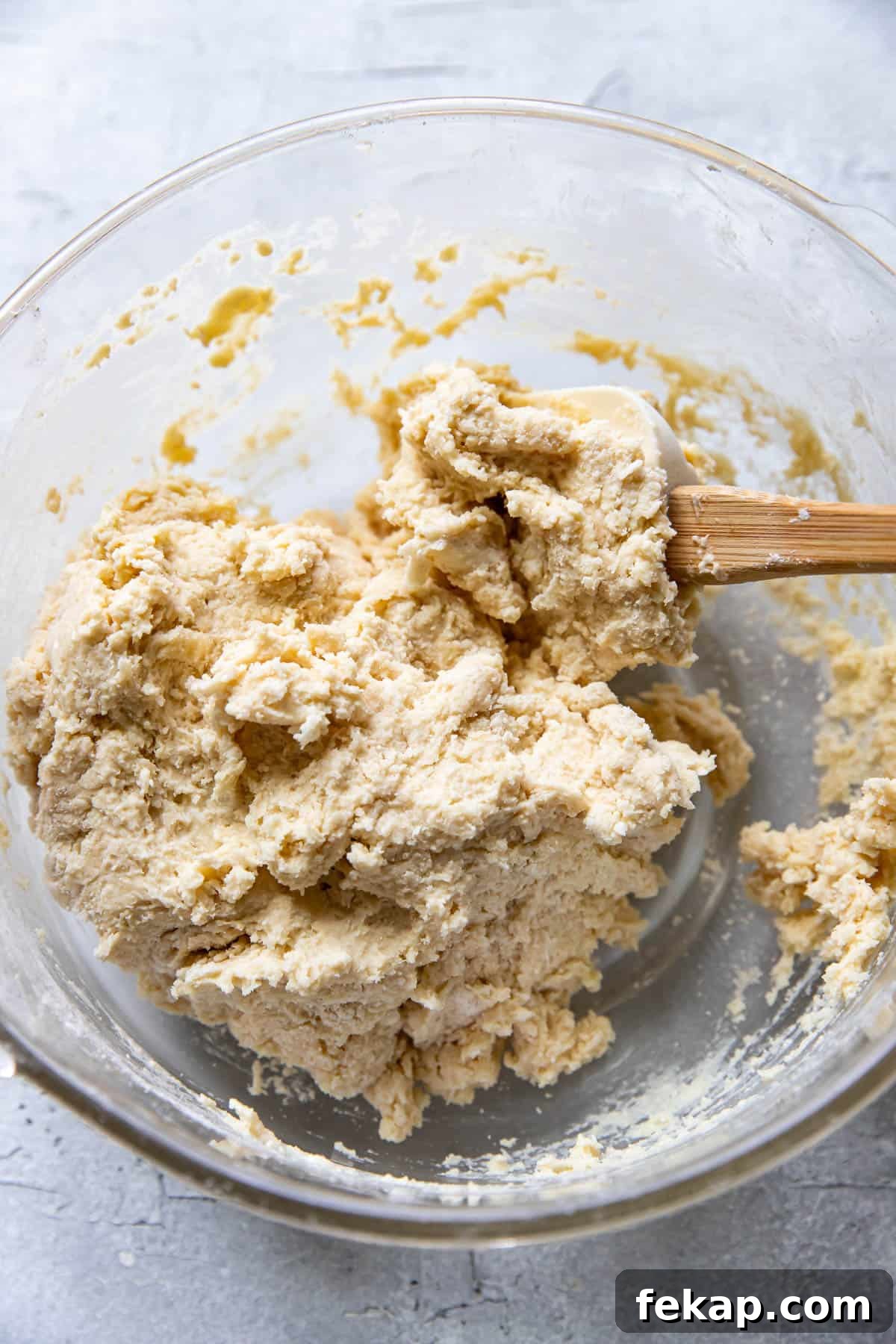
In a separate bowl, beat the egg with the milk and heavy cream. Pour the wet ingredients into the dry ingredients and gently mix until the dough almost comes together—it should be slightly shaggy but cohesive.
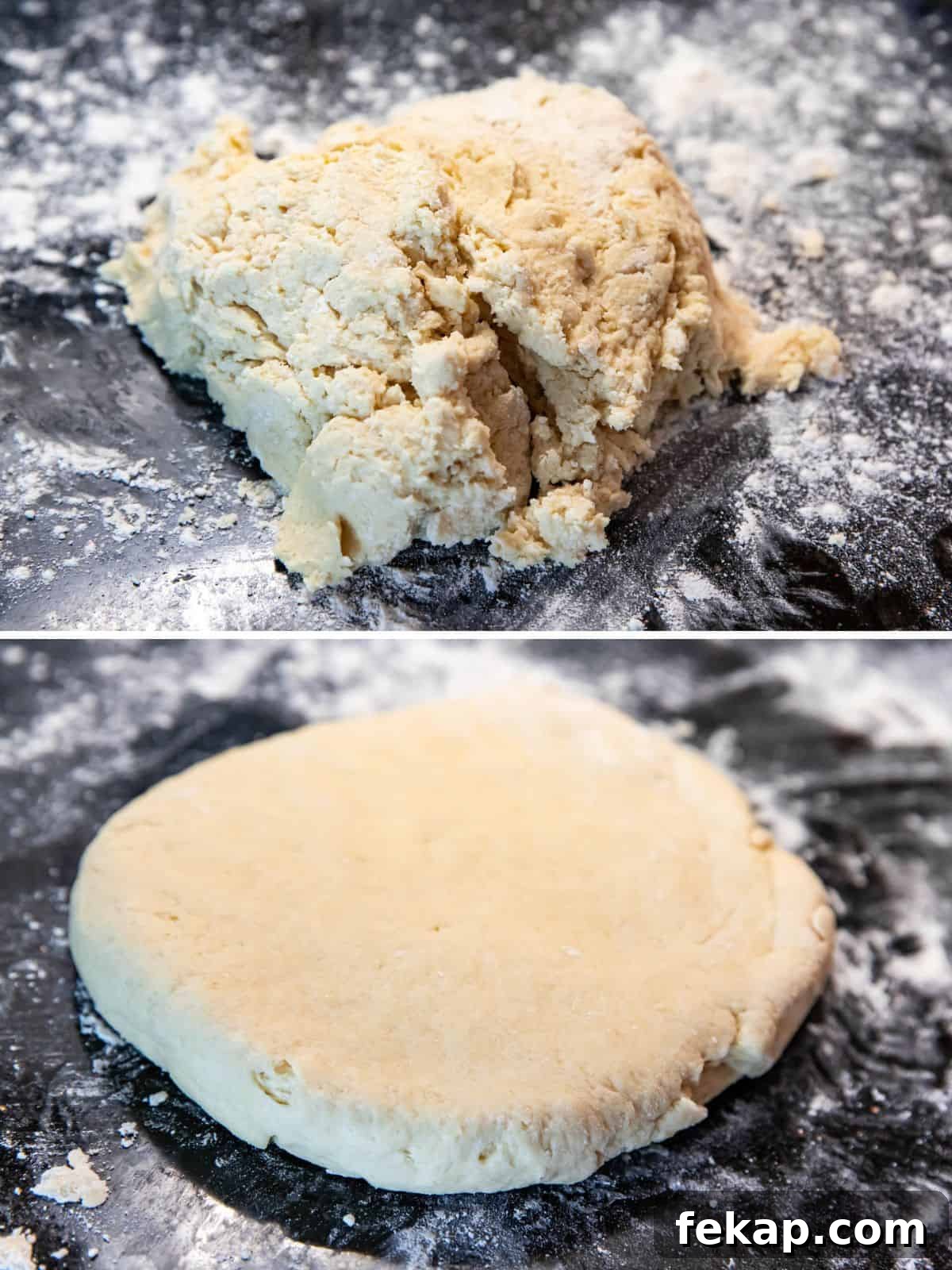
Turn the dough out onto a lightly floured surface. Dust your hands with flour and gently press the dough into a rectangle or round. Fold the dough over itself using a bench scraper or spatula, pressing down gently; repeat this folding motion about five times. This creates layers for a tender, flaky texture.
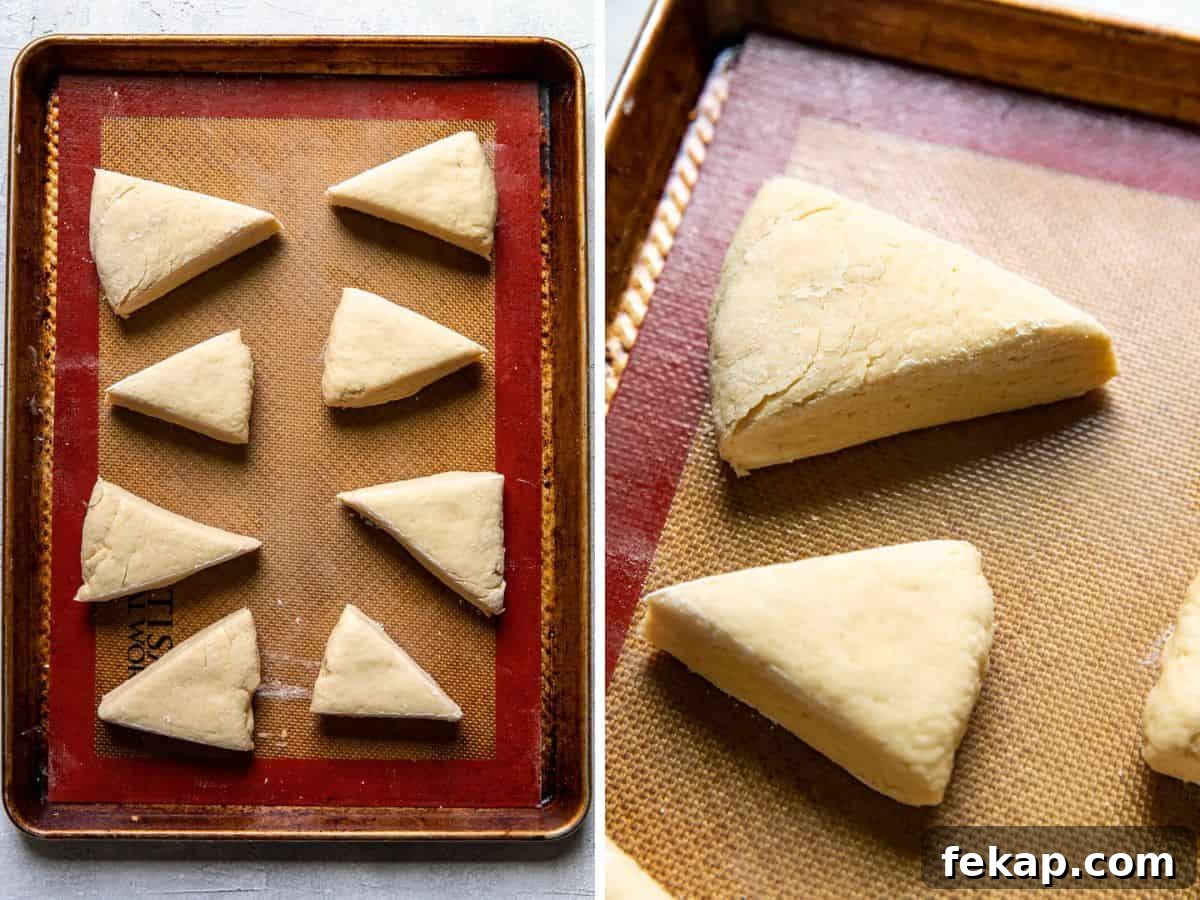
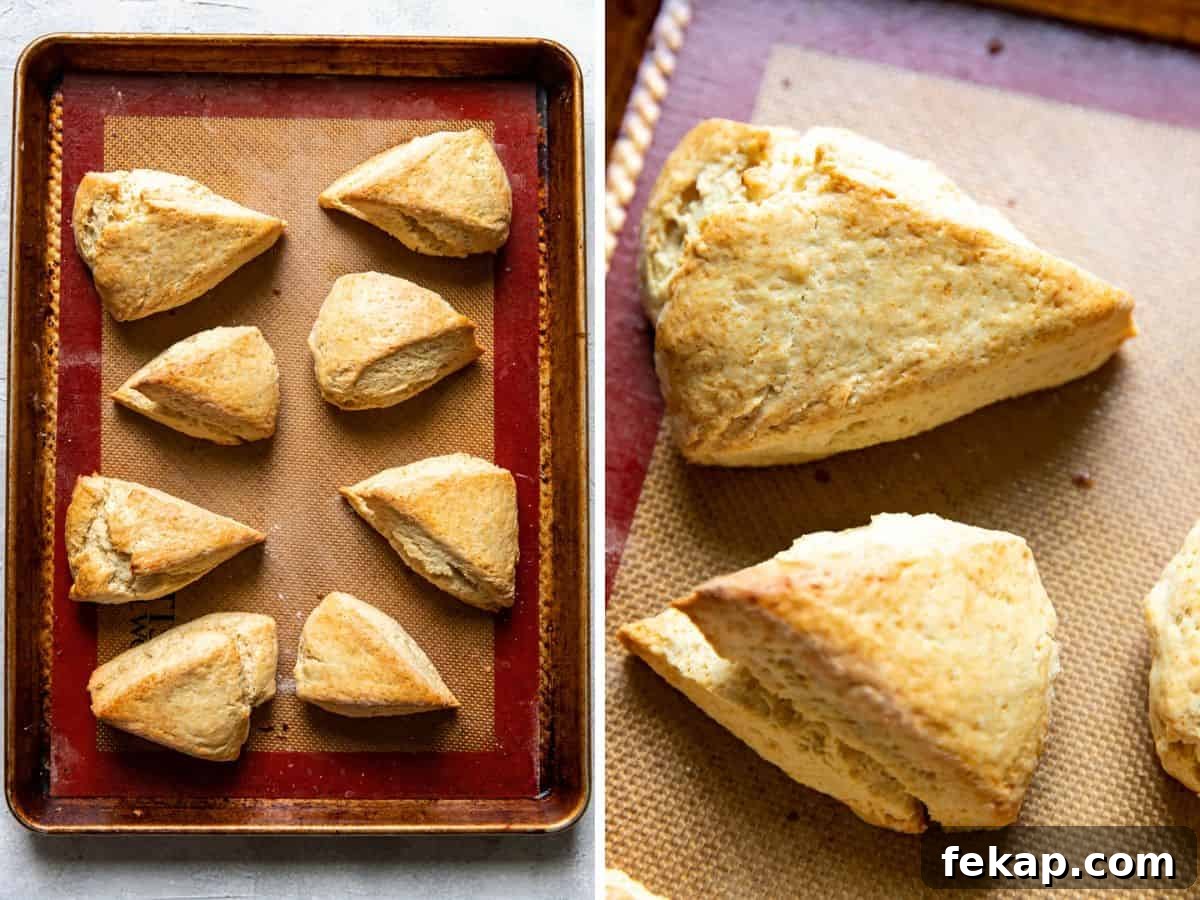
Shape the dough into a disk about 1 to 1 1/4 inches thick. Dust a sharp knife with flour and cut the disk into 8 wedges, or use a biscuit cutter for round scones. Arrange the pieces on the prepared baking sheet, brush the tops lightly with milk, and bake for 22–24 minutes, until the tops are golden and a toothpick inserted into the center comes out clean.
Transfer the baked scones to a wire rack to cool briefly before serving warm.
What I Love About These Scones
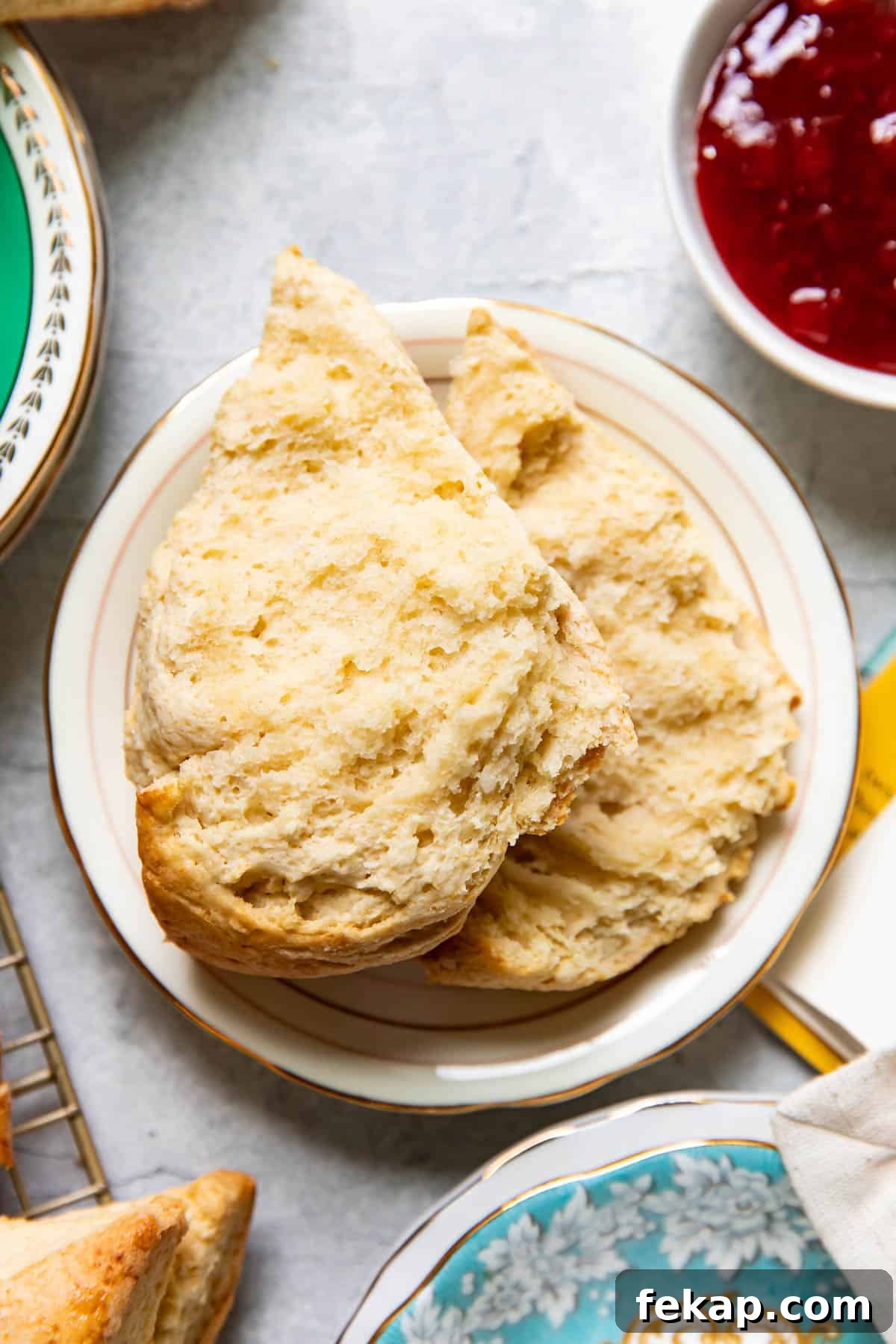
These scones are crisp around the edges and incredibly soft inside, with a rich buttery flavor that’s not overpowering. The texture is pleasantly tender, not dry or heavy. I developed this recipe inspired by a traditional English-style family recipe and refined it to be simple and reliable for home bakers.
FAQ
- Can I use only milk? For best results, follow the recipe proportions. Using the combination of heavy cream and milk helps create a tender crumb and richer flavor.
- Why did my scones turn out dense or hard? Overmixing the dough or using expired leavening agents (baking powder) can cause dense scones. Also, adding too much flour will make them dry and heavy.
- Can I make these gluten-free? I haven’t tested a gluten-free version with this exact recipe. If you try one, a high-quality 1:1 gluten-free flour blend is the best starting point.
- My dough is too wet—what now? Too much liquid can make the dough sticky. Use a liquid measuring cup for the wet ingredients and add flour sparingly, a tablespoon at a time, until the dough holds together.
- Can I cut round scones instead of triangles? Yes—use a biscuit cutter or round cutter to make traditional round scones.
- How long do scones stay fresh? Scones are best eaten the same day they’re baked. Store leftovers in an airtight container and rewarm briefly before serving.
Baked Goods Recipes
- Irish Scones
- Basic Muffin Recipe
- Blueberry Muffins With Lemon Zest
- Buttermilk Biscuits
- Carrot Cake
- Pecan Sticky Buns
- Banana Bread
- Coffee Cake Loaf